Art / News
Terracotta mural panels telling Bristol’s history saved
A frieze of 15 terracotta murals on the side of a building set to be redeveloped have been saved from the wrecking ball.
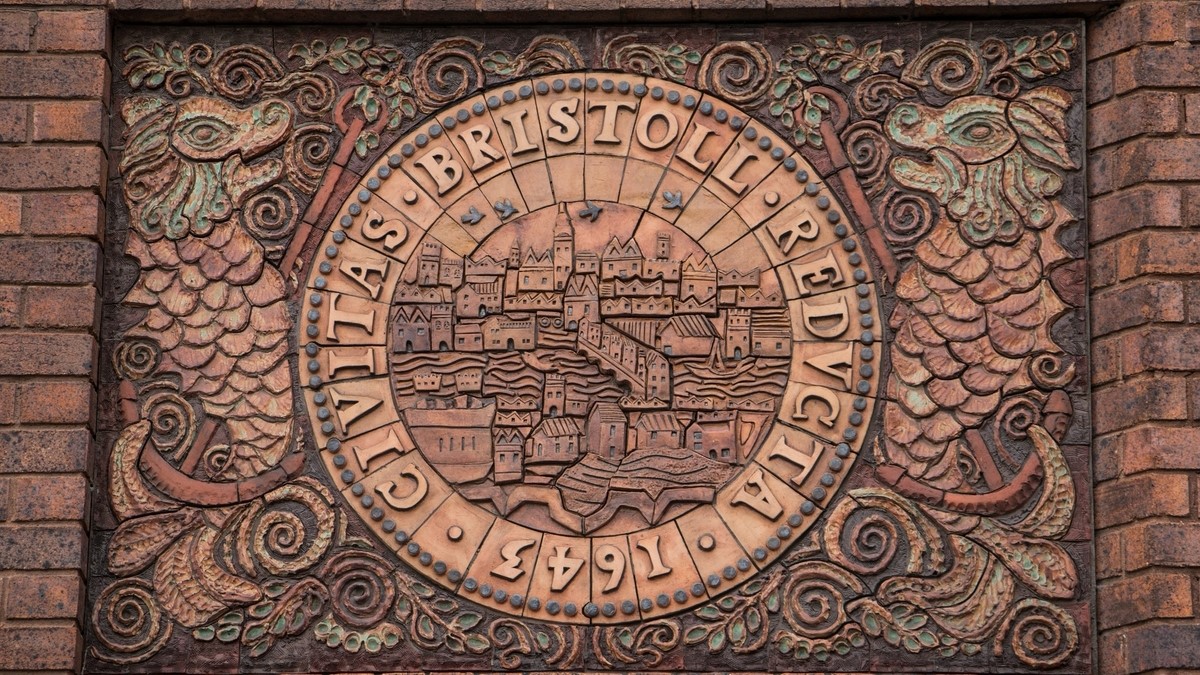
The History of Bristol murals by husband and wife team Philippa Threlfall and Kennedy Collings on the exterior of Broad Quay House depict key moments from 800 years of Bristol history.
Installed in 1982 for Standard Life, the artworks feature scenes including the keep of Bristol Castle, a glass kiln and a Concorde engine.
is needed now More than ever
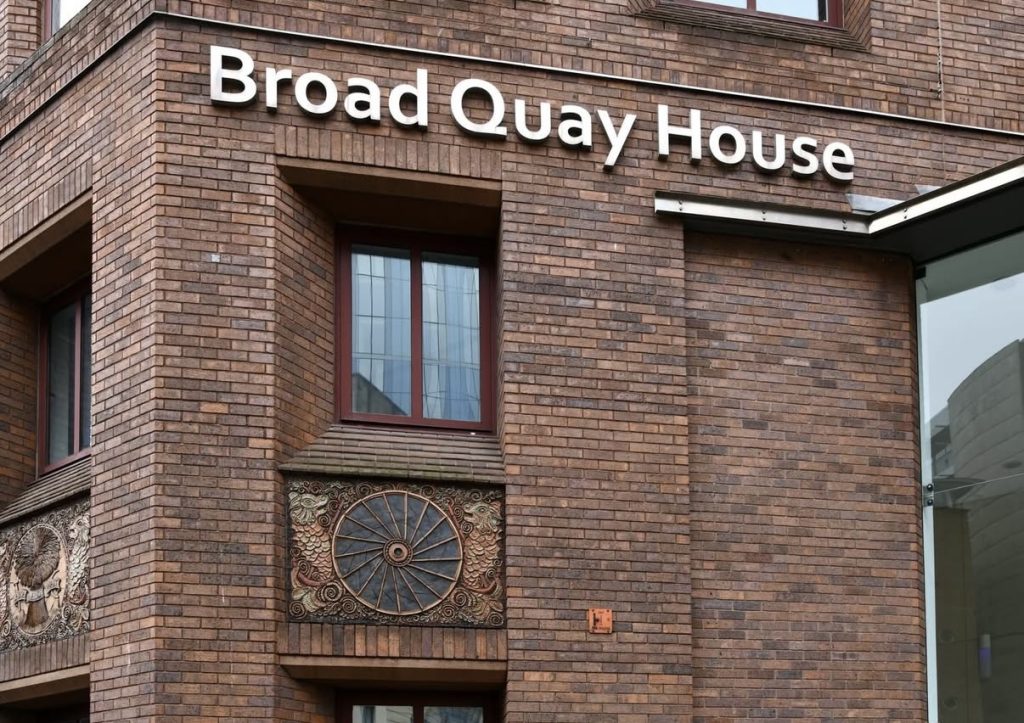
Broad Quay House was built in 1982, with the murals commissioned for its first floor
The Twentieth Century Society was instrumental in saving the murals.
In a statement, the society said they did not object to the retrofit proposals for Broad Quay House “but lobbied strongly to ensure a prominent and public-facing new home was found for the History of Bristol murals”.
The artworks are now due to be carefully removed from the existing building and reinstalled on the exterior of the new building, subject to planning approval.
The 15 panels were hand sculpted in contrasting buff and terracotta clays, with their central roundels framed with a repeating cartouche featuring two dolphins from the Colston family crest.
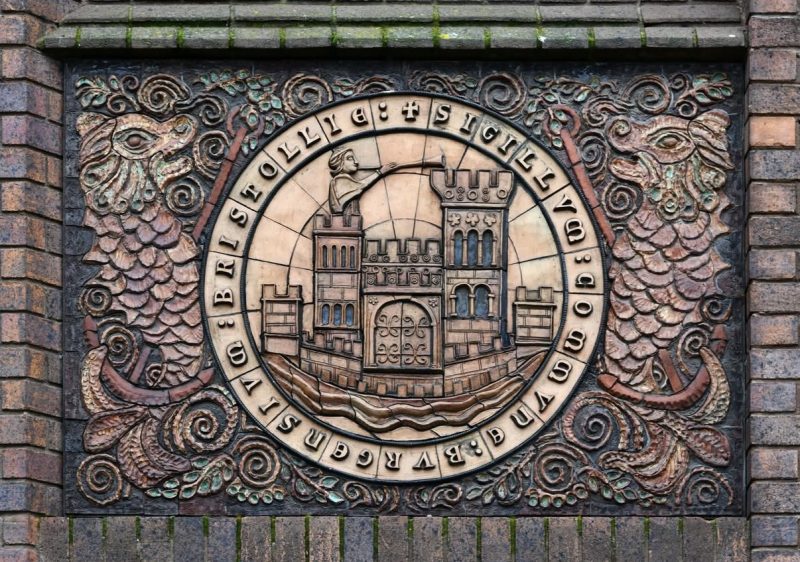
The stone keep of Bristol Castle from the seal of the burgesses of Bristol
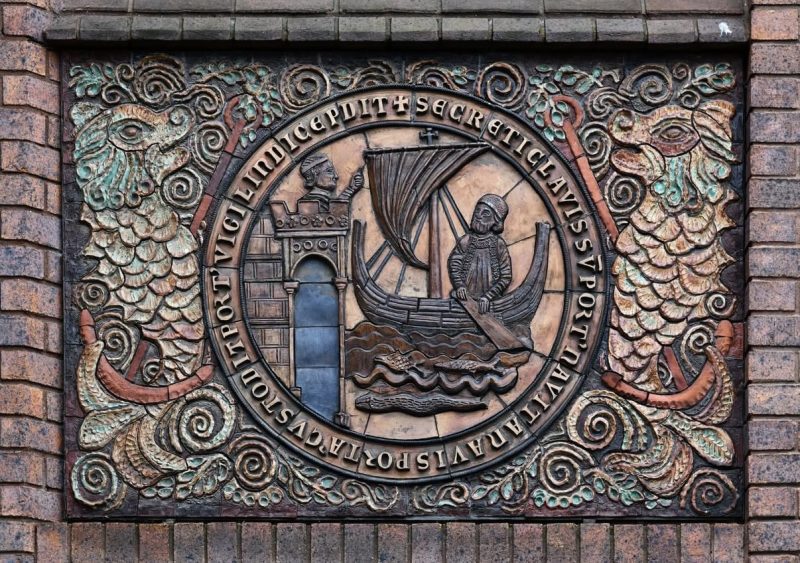
A merchant ship approaching Bristol’s city walls from the common seal of the burgesses of Bristol
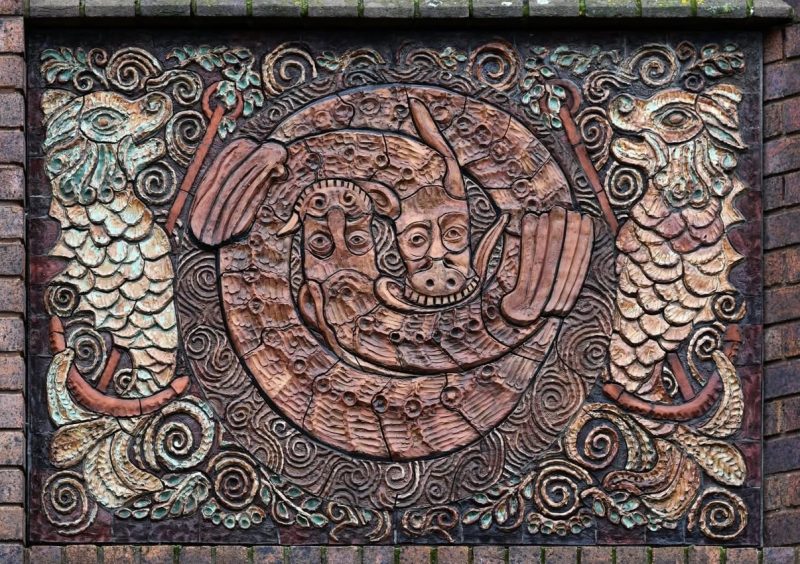
An intertwined dragon roof boss from within St Peter’s Church, now bombed-out in Castle Park
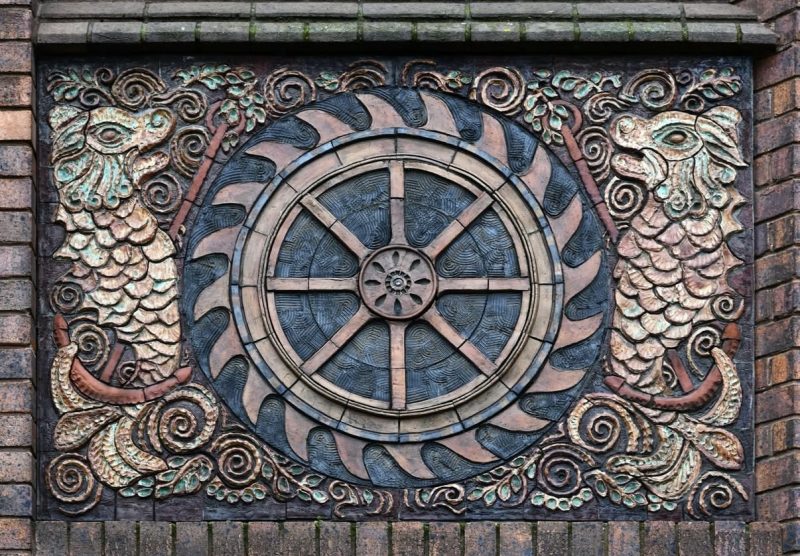
St Katherine’s wheel: the badge of Bristol’s Guild of Weavers
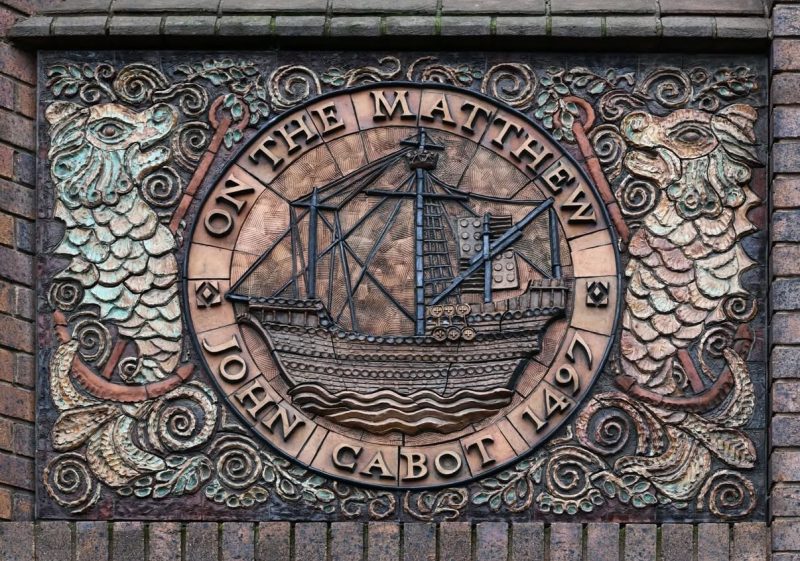
The Matthew on which John Cabot sailed to Newfoundland from Bristol in 1497
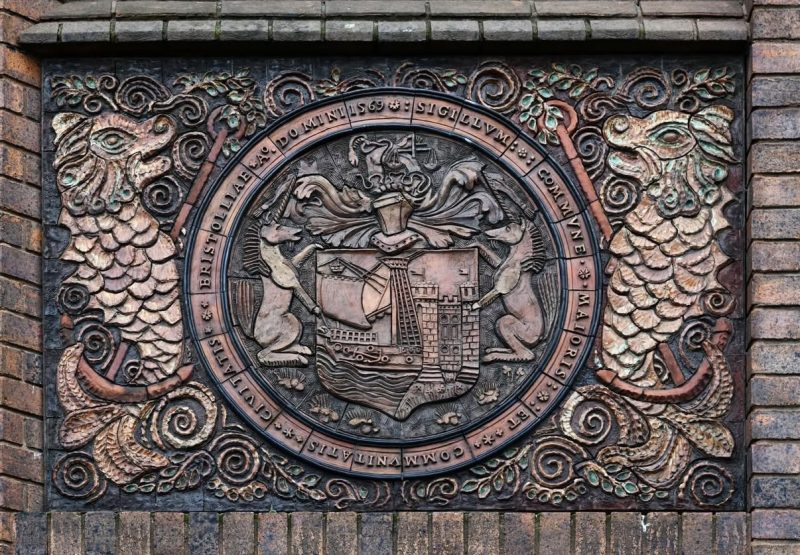
The 16th century seal of the burgesses of Bristol
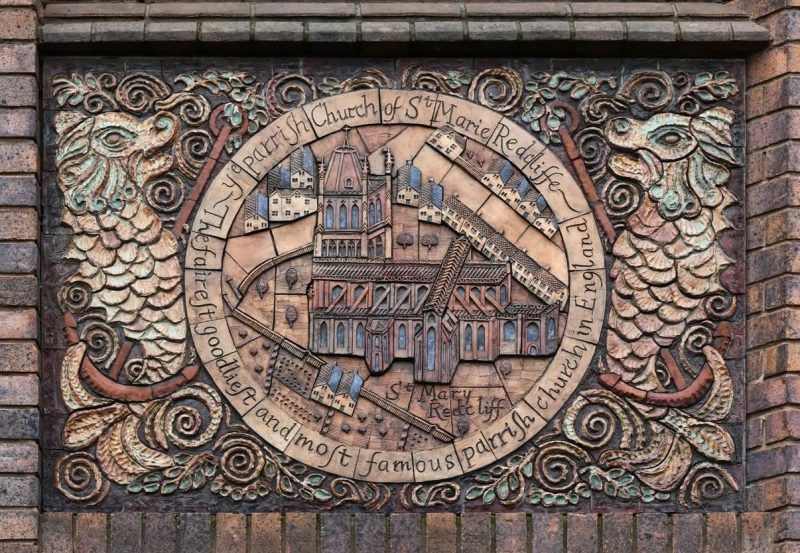
St Mary Redcliffe Church as it looked like when it was visited by Elizabeth I
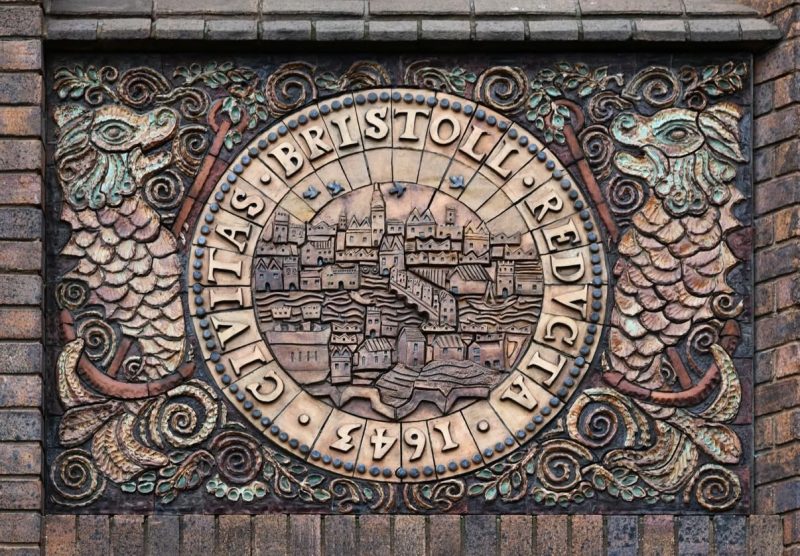
A 17th century coin minted in Bristol when the city was attacked by Royalists during the English Civil War
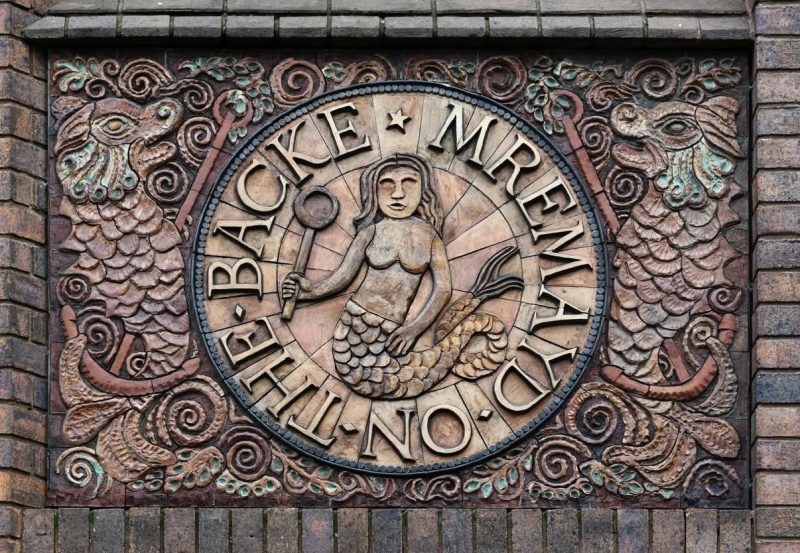
A trade token issued by the Mermayd pub on the Backe in the 17th and 18th centuries
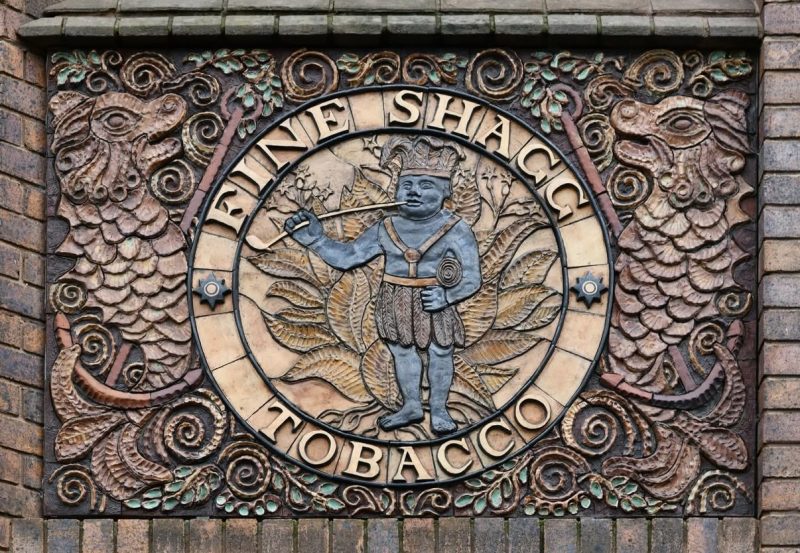
This design remembers Bristol’s role in the horrors of the transatlantic traffic in enslaved Africans
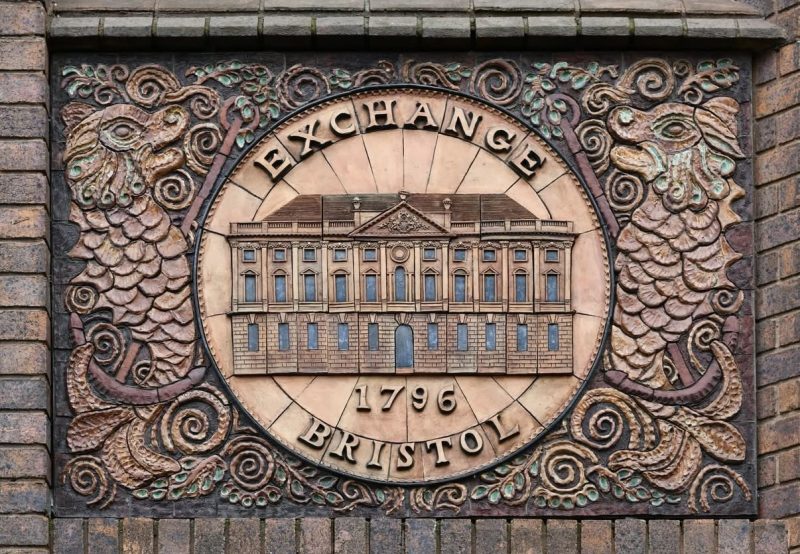
An 18th century penny token showing the Corn Exchange, now St Nick’s Market
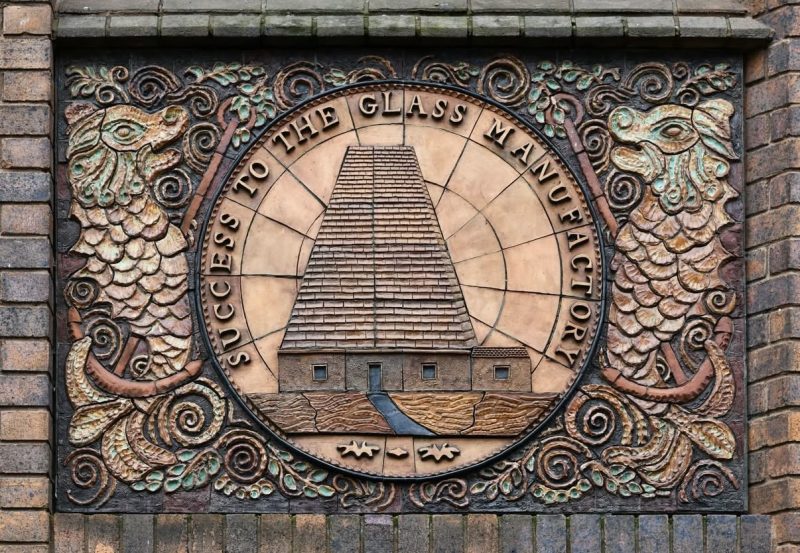
A glass kiln based on a 19th century trade token
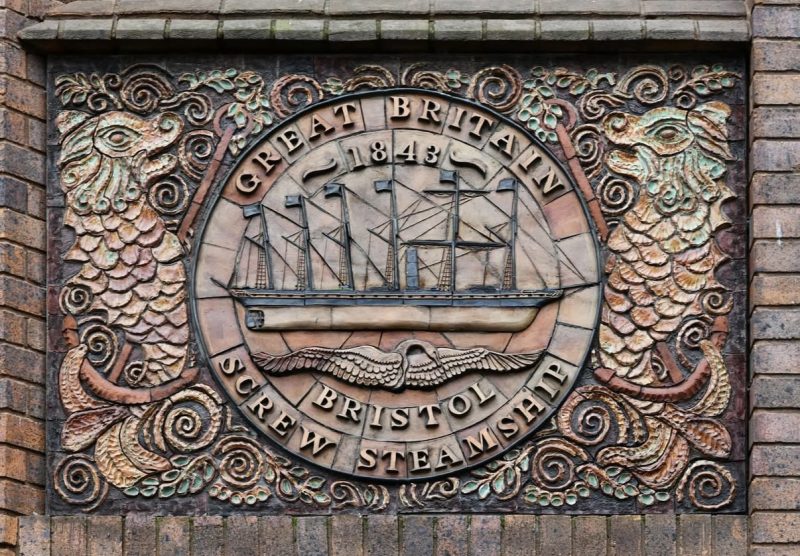
The SS Great Britain was built in Bristol and undertook its maiden voyage in 1845 from Liverpool to New York
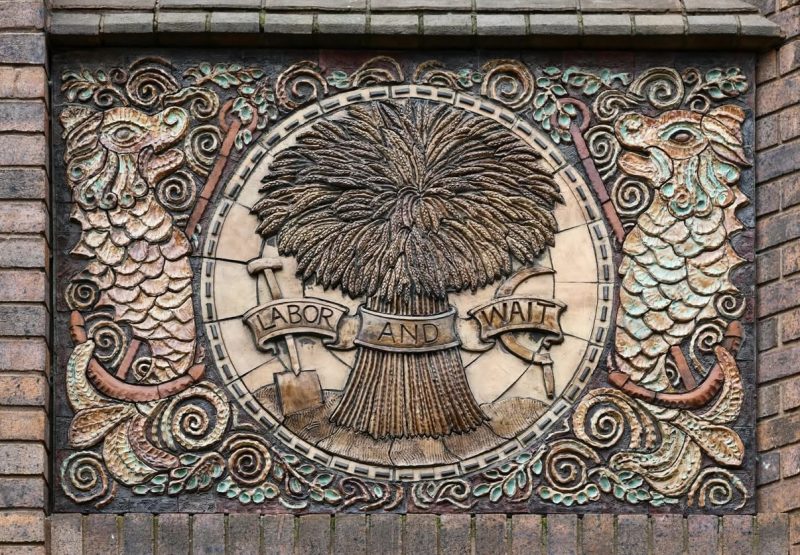
Corn sheaf was the original symbol associated with the Cooperative Society, started in Bristol in 1884
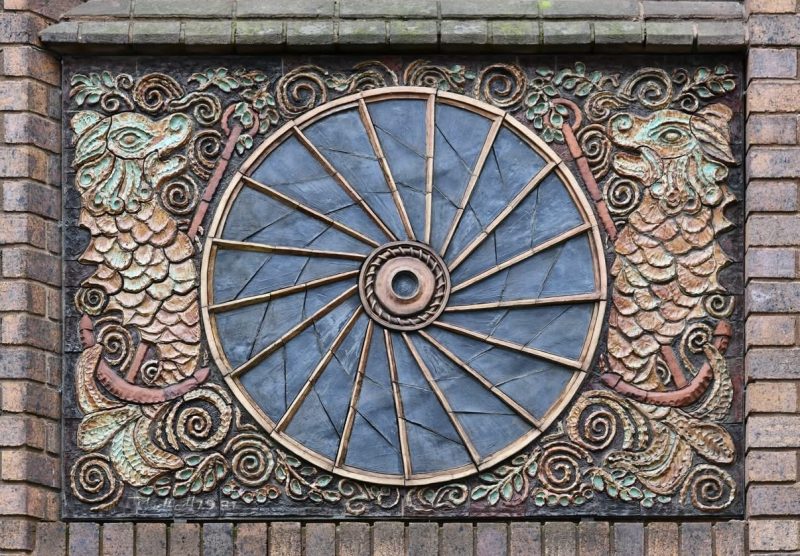
A jet intake from the engine of Concorde, built at the Brabazon Hangars in Filton
Quoted by the Twentieth Century Society, Threlfall said: “A theme was chosen of Bristol’s history and we spent several weeks researching suitable images.
“Instead of looking for notable buildings we searched for smaller artefacts: local museums and churches for seals, trade tokens, coinage and archival images. All were to fit inside a roundel.
“We thought that a link containing these different images should be a repeating motif and chose (with hindsight unfortunately!) the two dolphins facing each other from Edward Colston’s 18th century crest.
“These are of course also very much a part of Bristol’s history.”
All photos: Tiles & Architectural Ceramics Society
Read next:
 Our newsletters emailed directly to you