Art / dolls
Delving into the world of radical doll art
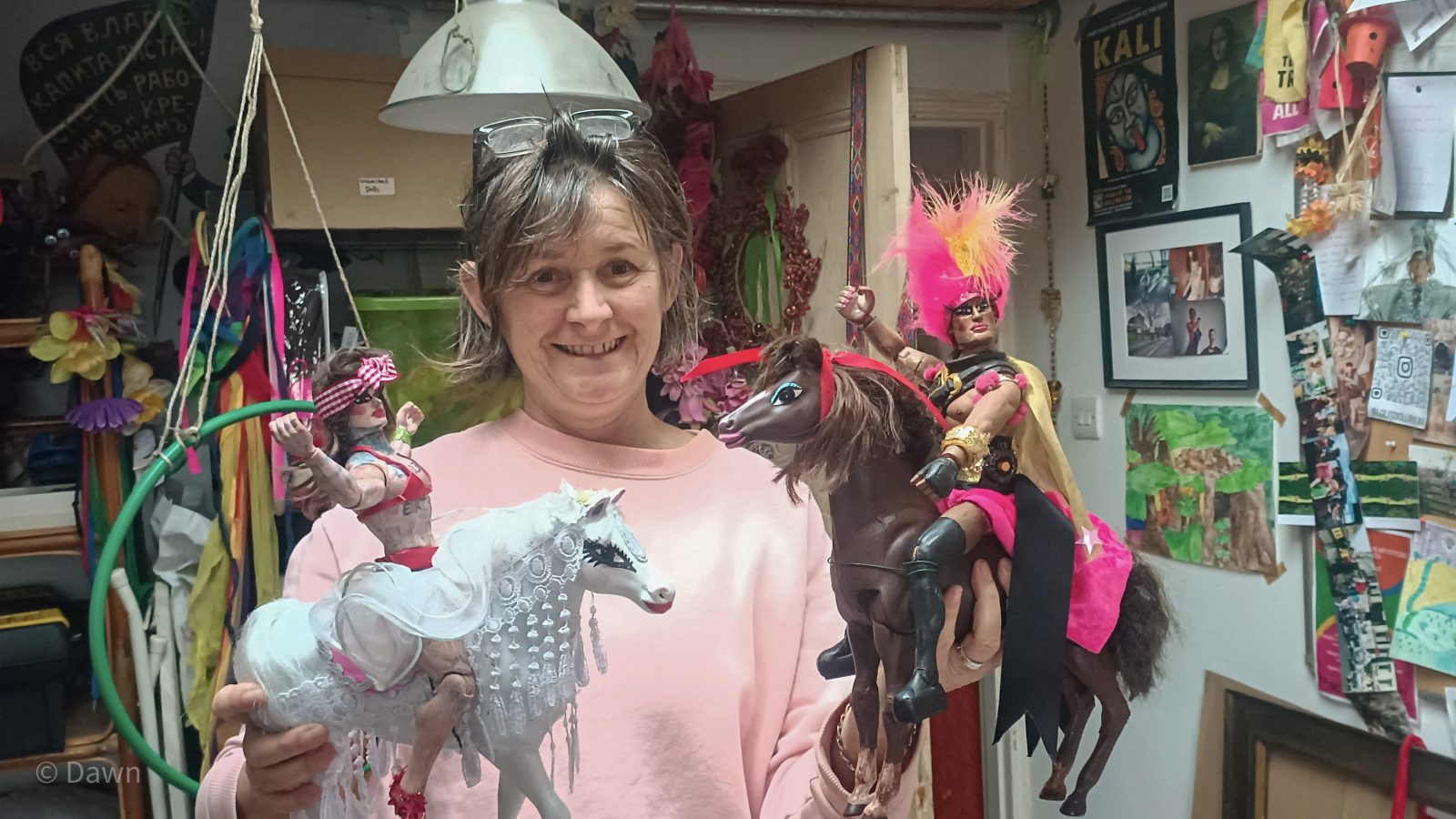
In the cluttered wonderland of a Bishopston home studio, discarded Barbies and worn-out Action Men spring back to life as majestic drag queens, rebellious tigers and other defiant characters at the steady hands of doll artist Lou Gray (@lousdollirium) , wielding her paintbrush like a magic wand to perform this transformation.
“I mainly work with Barbies and action men and I find them very stereotyped in terms of appearance, and it amuses me to reverse those stereotypes,” says the artist and theatre designer, who achieves this reversal through her doll-making.
With a visually imaginative approach, Lou considers her creations more than just static figures.
is needed now More than ever
She says: “I see all my dolls as little actors I make costumes for so that they can perform at art installations to deliver a story just like someone on stage.”
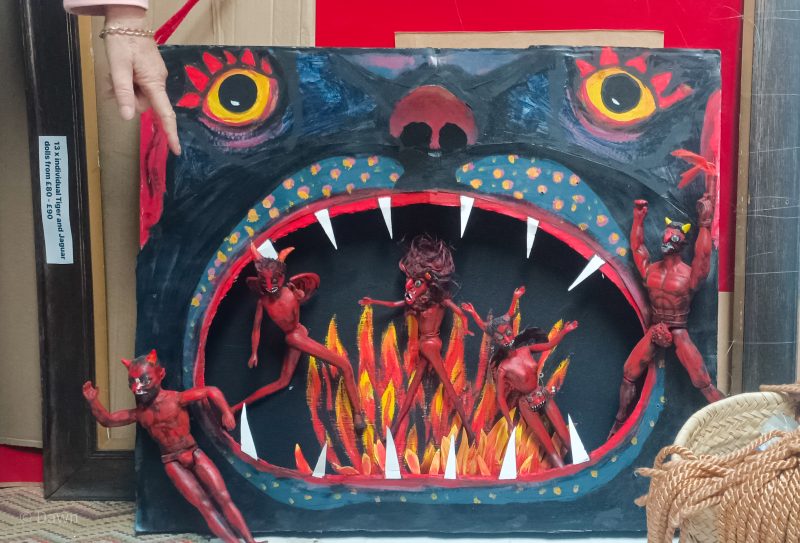
Lou sees her dolls as “little actors” created to deliver a story just like someone on stage
This perspective is a natural extension of Lou’s career as a theatre designer.
She has worked across various creative roles throughout the UK, from crafting sets and costumes for more than 40 theater companies such as Bristol Old Vic and Invisible Circus to facilitating workshops for local schools.
Lou sees her dolls as “little actors” created to deliver a story just like someone on stage.
She channels those theatrical narratives through her dolls, staging provocative installations at several venues across Bristol and beyond, where tiny figures confront big issues.
The seeds of this miniature rebellion were sown in childhood.
“While growing up, I used to dress my brother’s Action Men in Barbie and Sindy clothes,” Lou reflects.
“I also find it regressive how boys are motivated to play with toys like guns, subconsciously normalising aggression for them.”
View this post on Instagram
During lockdown, Lou began painting dolls to revisit those memories, until the motivation to work on social justice, fueled by a devised play that she worked on earlier in her career about gender-based violence, pornography and stereotypes breathed new purpose into her art, turning playful customs into powerful protest.
One standout from Lou’s portfolio is her platinum jubilee Queen Elizabeth – a discarded Barbie reborn not as flawless porcelain but with real wrinkles and a gaze carrying decades of reign.
Deliberately defying doll-world smoothness, this tiny monarch grabbed national headlines, turning her toy revival into cultural commentary that resonated beyond Bristol’s local art scenes.
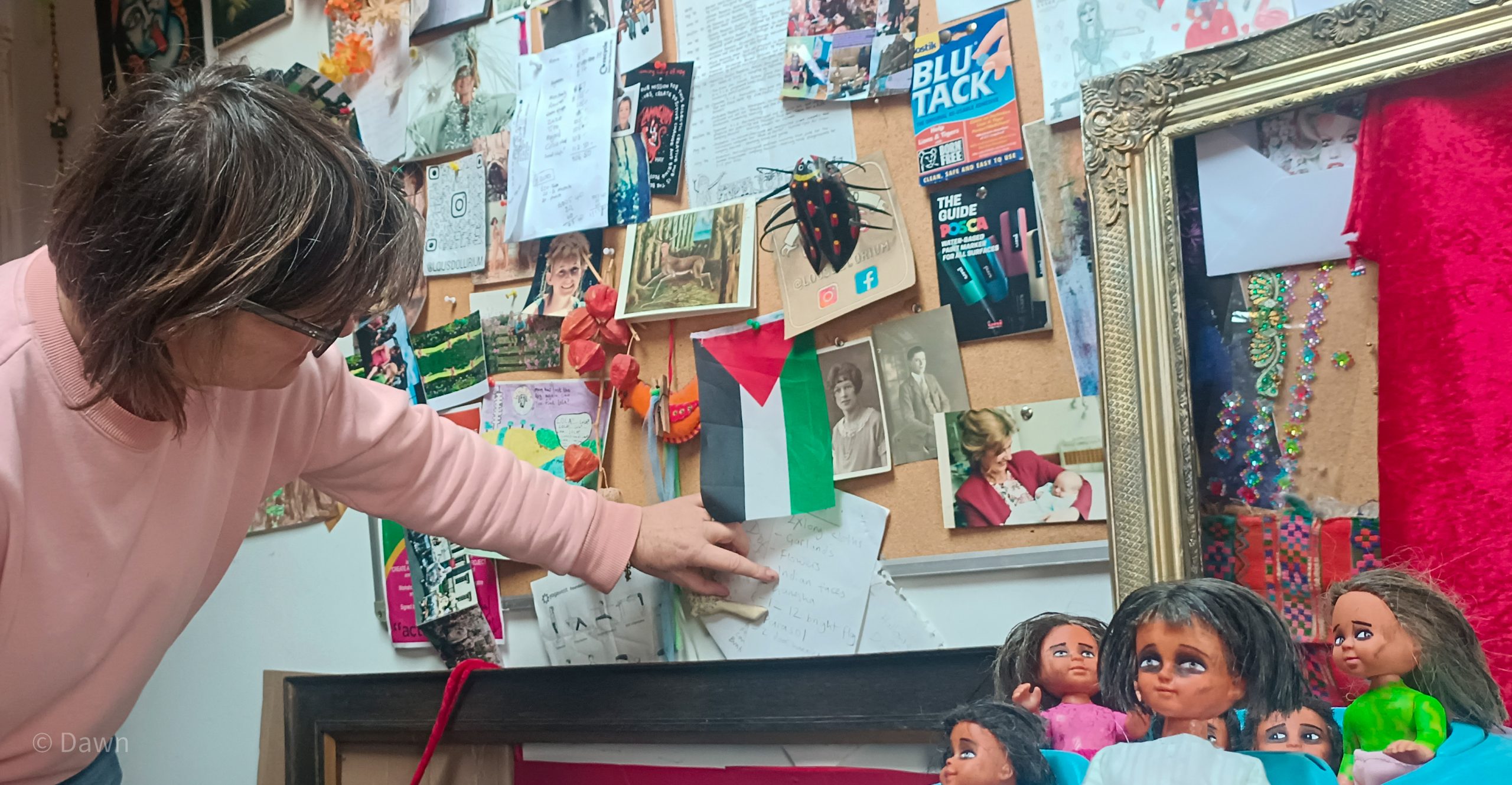
Doll artist Lou Gray creates tiny figures that confront big issues such as Gaza
Apart from gender issues, Lou creates positive impact through fundraising for marginalised communities, including people affected by the Gaza conflict.
She recently staged an installation at Loco Klub for an event raising money for the Gaza Circus School, hoping that her “tiny protests” can create a global impact.
Lou’s recent installation No Crib for a Bed further explores these themes, portraying a poignant moment on the coast road leading away from Gaza city.
The work captures a convoy heavily laden with the grief of loss and the few remaining items needed for survival in a tent.
This evocative piece caught many eyes during its display in the Mount Without in November.
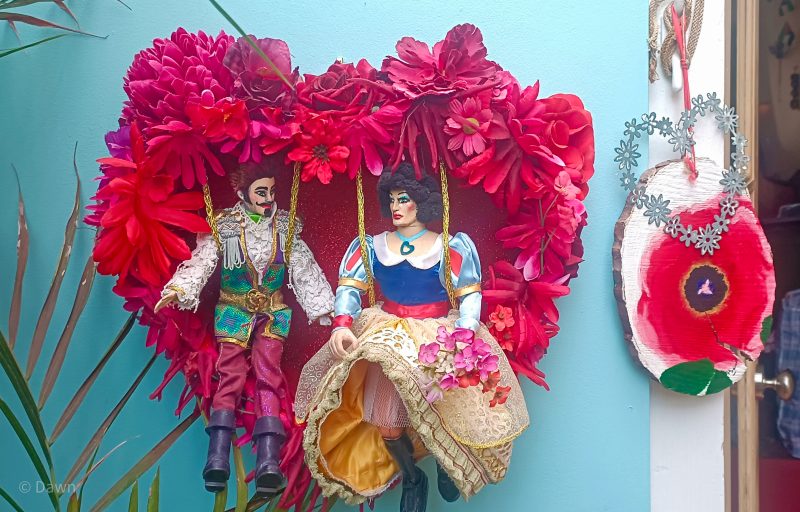
Lou uses classic imagery to challenge traditional gender stereotypes
While much of her work is born from these radical social narratives, Lou also translates her unique style into deeply personal, one-off commissions.
Through her Instagram, people can order bespoke creations, allowing her to turn her subversive lens toward individual stories.
Each commission begins with a cherished photo, which Lou studies before her hands get to work.
Reshaping features, repainting eyes and sewing outfits from scraps, she crafts every detail to create a “doll portrait” that captures the essence of a real person.
“For many of the dolls, it takes me ages to finish as I’m sort of a perfectionist,” Lou says.
“While making multiple dolls with similar features it’s quicker, but otherwise each doll takes as long as two days, or sometimes even more.”
From personal memories to biting social commentary, Lou hopes her work proves that personal passions can spark vital conversations.
All photos: Vihan
Read next:
 Our newsletters emailed directly to you