News / UWE Bristol
Medi-tech giant to launch uni-perfected ‘breakthrough’ wound dressing worldwide
A cutting-edge wound dressing technology developed by a team of researchers at UWE Bristol is set to reach a milestone with its prospective worldwide launch by a FTSE 100 medi-tech firm.
The “breakthrough” wound dressing is expected to revolutionise the treatment of slow-healing wounds and ulcers, particularly those associated with diabetes.
UWE Bristol scientists, Dr Ben de Lacy Costello, Professor Norman Ratcliffe, Dr Oliver Gould, Dr Kelly Westmacott and Dr Keith Hewett, began the research in 2015 in collaboration with a small UK company called Edixomed (later renamed 30 Technology).
Now, the technology is set to transition from lab to global clinical use. Convatec Group plc, medical technology company, estimated at £1.7bn in annual revenue, acquired the rights to commercialise the nitric oxide–releasing dressing in a deal worth up to £176m.
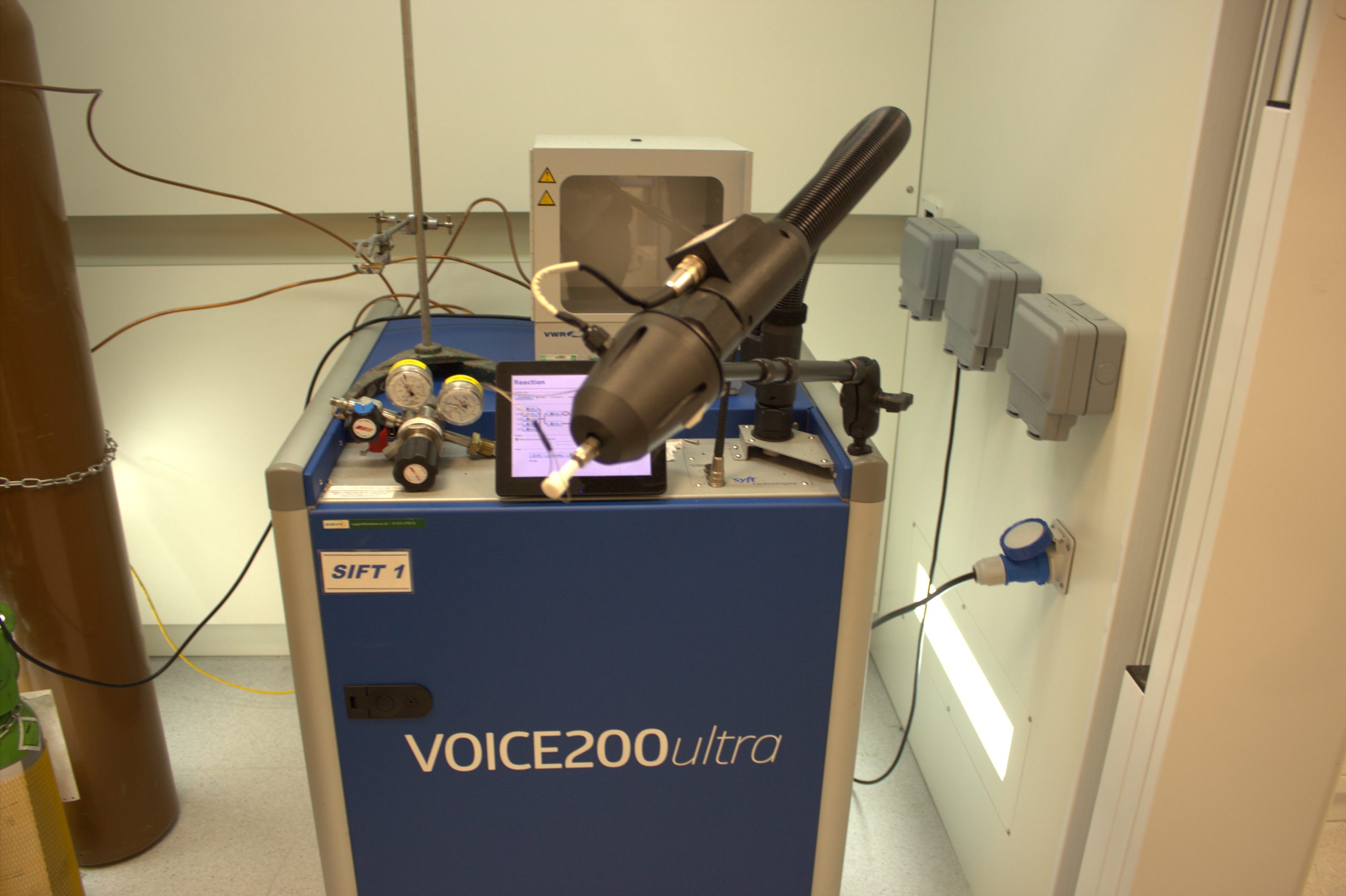
The “breakthrough” wound dressing was developed over a period of seven years by a group of UWE Bristol researchers
With regulatory approval already secured, Convatec plans to launch the first product based on the technology in 2026.
This advanced wound care solution is designed to address the specific challenges of diabetic foot ulcers, which affect up to 10 per cent of people with diabetes.
By releasing controlled levels of nitric oxide, the dressing enhances blood flow, supports tissue regeneration and reduces bacterial load in the wound bed.
Clinical trials have shown that UWE-developed dressing, heals diabetic foot ulcers 60 per cent more effectively within 12 weeks and reduces wound area three times faster than standard care (Convatec Group, 2025).
Dr de Lacy Costello, associate professor at UWE Bristol, commented: “When you set out to undertake any medical research and development project, the ultimate aim is to benefit patients. The regulatory approval of this product removes the final barrier to this becoming a reality.”
He added that the project is a model of effective academic–industry collaboration.
He said: “We started off with very small grants, in the thousands of pounds, reflecting Edixomed’s size and finance, because at that stage it was only a small team of scientists who had limited lab facilities.
“When the company obtained additional finance, they were supporting a full time post-doctoral position at UWE Bristol as well as a research technician. Our last project with the company finished in early 2022, as the focus of the work switched to clinical trials and gaining regulatory approval.
“This academic-industrial partnership is a great example of universities working with small companies to help them develop their products.”
All photos: UWE Bristol
Read next:
 Our newsletters emailed directly to you