Film
The Royal Tenenbaums
- Director
- Wes Anderson
- Certificate
- 15
- Running Time
- 110 mins
Ironic, is it not, that in the midst of what seemed like an endless cycle of feeble literary adaptations back in 2001, one of the finest, most strikingly original films of the year should be based upon a non-existent book?
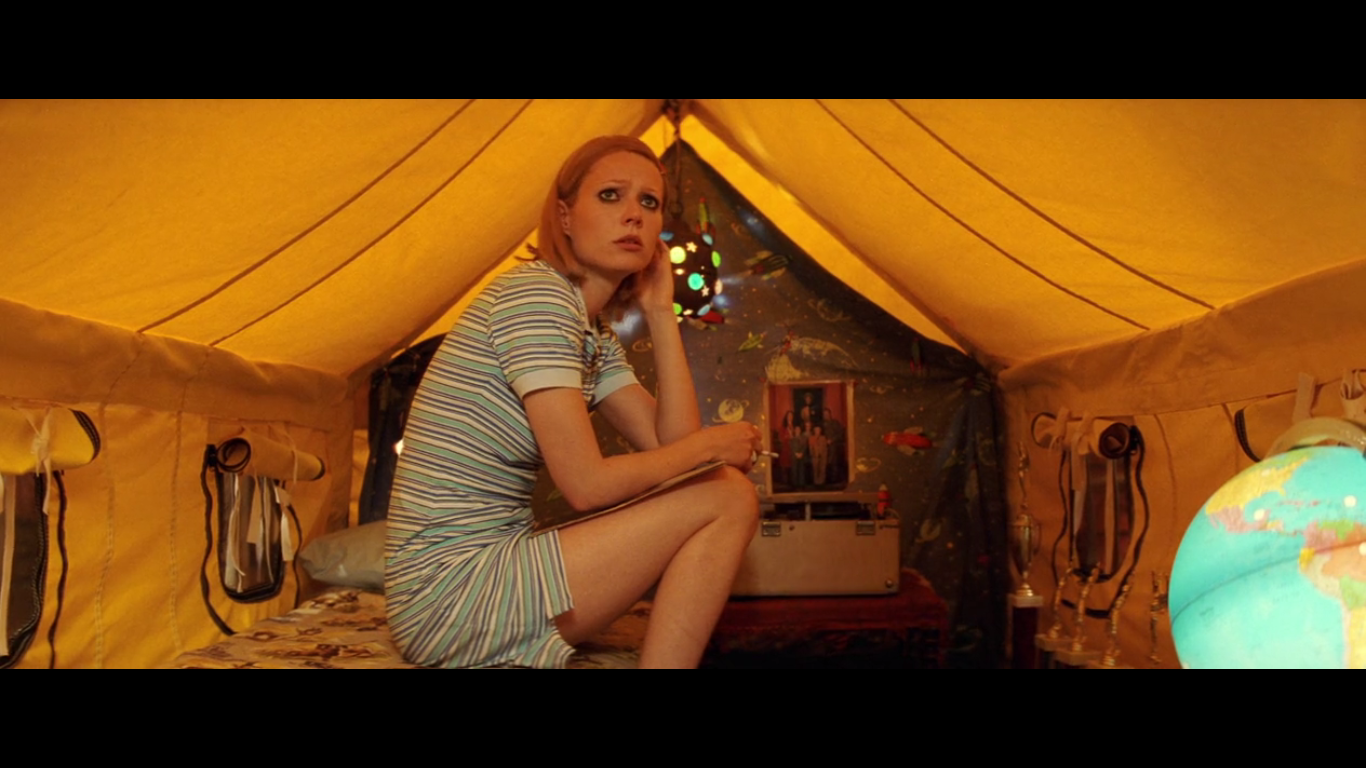
The opening chapter introduces feckless, unreliable patriarch Royal Tenenbaum (Gene Hackman), a disbarred lawyer whose unlikely brood are all child prodigies. But that’s in the past now. Twenty years on, narrator Alec Baldwin informs us, “all memory of the brilliance of the young Tenenbaums had been erased by two decades of betrayal, failure and disaster.” Former business whizzkid Chas (Ben Stiller) is an uptight, safety-obsessed widower who dresses his young sons like a pair of Mini-Me’s. One-time tennis champ Richie (Luke Wilson) has spent a whole year on an ocean liner pining for his adopted sister Margot (Gwyneth Paltrow), a once-brilliant playwright now unhappily married to weirdo psychologist Raleigh St. Clair (Bill Murray), from whom she neurotically conceals her smoking habit. Their archaeologist mother Etheline (Anjelica Huston) is considering a marriage proposal from a colleague (Danny Glover) when the estranged Royal suddenly reappears at the family home, with his long suffering Indian major-domo Pagoda (Kumar Pallana) in tow, claiming he’s suffering from a terminal illness and wants to spend his last weeks surrounded by his family. In fact, he’s just been turfed out of his hotel room for non-payment of bills.
Wes Anderson’s previous film, Rushmore, was deservedly acclaimed, but the ambitious The Royal Tenenbaums is something else entirely. From the odd and occasionally disturbing décor of the rambling Tenenbaum pile to its eccentric characters, inspired soundtrack, and melancholy tone of dissipated talent and familial resentment, it conjures up a singular yet internally consistent off-kilter vision of New York in general and this dysfunctional family in particular, which also manages to be both touching and funny. You can savour the obvious influences, cinematic (The Magnificent Ambersons) and literary (from J.D. Salinger onwards), marvel at the set and costume design, or simply wallow in Royal’s fabulous tactlessness (“I’m sorry about your loss,” he tells Chas’s sons. “Your mother was a terribly attractive woman.”) and the way his relationship with Pagoda is conducted mostly in nods and glances. As an added bonus, likeable Anderson regular Owen Wilson turns up in another of his great stoned dude roles, this time as a self-styled great American novelist and childhood friend of the Tanenbaum siblings, who bizarrely yearns to be one of them. It’s a dazzling, brilliant, involving and superbly crafted film that remains Anderson’s masterpiece.
 Our newsletters emailed directly to you