Your say / Transport
‘We need to challenge the car-dependent transport system we live in’
During the run-up to the 2024 UK General Election, Rishi Sunak leaned into the “War on Motorists” narrative during his campaign, pledging to end “hare-brained” road safety schemes such as 20mph zones and Low-Traffic Neighbourhoods.
Ultimately, appealing to a voter-base frustrated with changes to our country’s streets was deemed to be unsuccessful for Mr Sunak but we saw this language resurface during Conservative candidate Steve Smith’s campaign to become the next metro mayor.
I find the “War on Motorists” language to be a divisive way of framing Bristol’s ongoing transport changes and challenges as it pits “us” (the motorists) against “them” (the non-motorists).
is needed now More than ever
The fight for better transport in Bristol is not between those who choose to travel in different ways, rather to challenge the car-dependent transport system we currently live in.
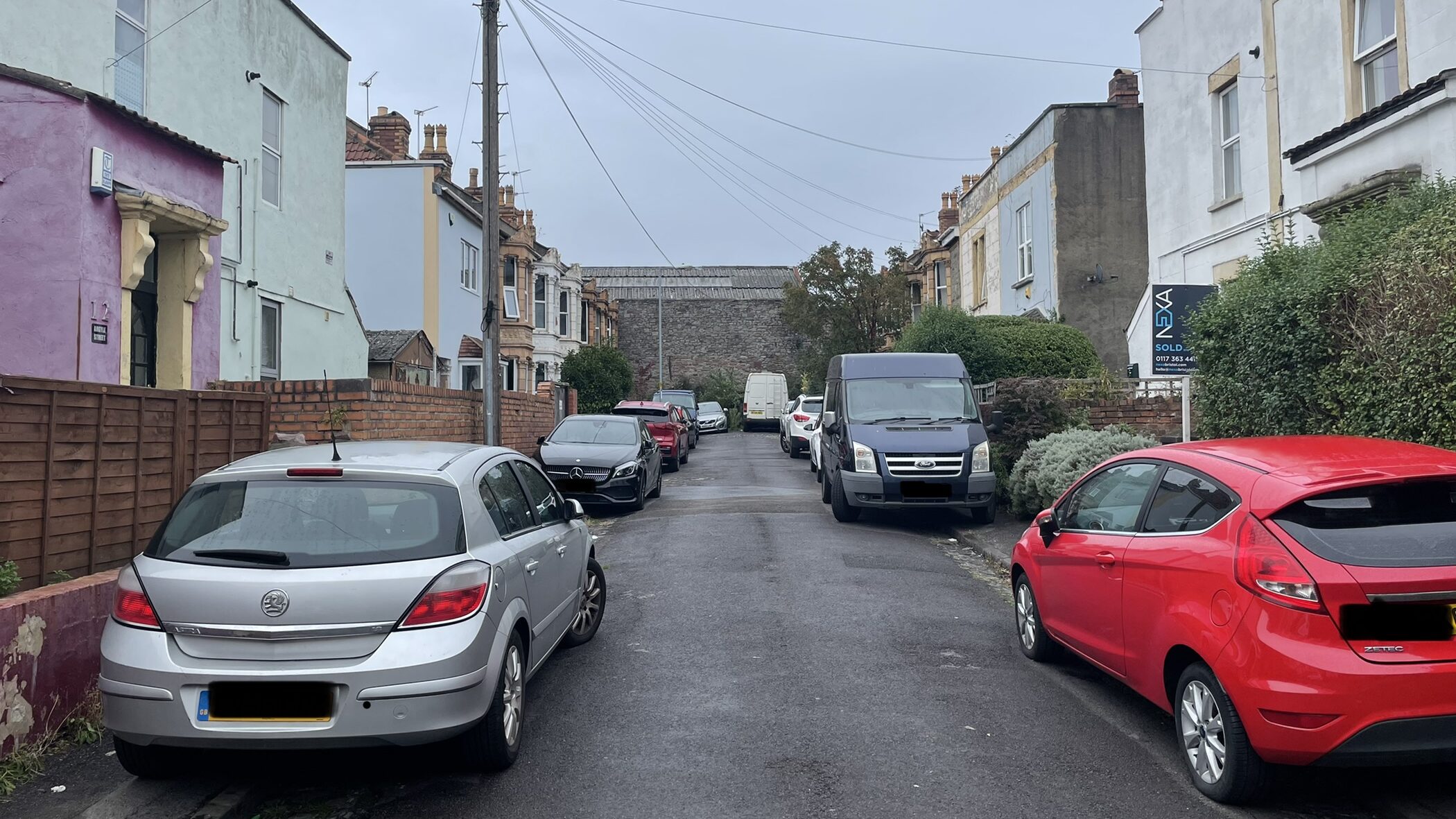
Callum Stevens says we need to “challenge the car-dependent system we currently live in”- photo: Betty Woolerton
I grew up in rural Somerset where getting a driver’s license at 17 was a rite of passage.
When I moved to university, I bought my car with me as I owned one – why would I not use it?
It got me to and from university whenever I wanted as the bus to UWE simply did not fit the flexibility I wanted to get to and from campus.
Since graduating, frustrated with traffic jams and the unaffordable cost of insurance, as well as simply not needing it anymore, I sold my car.
Since making the decision to sell my car, I have grown to appreciate walking and riding my bike for my commute to work in the Centre due to the benefits it brings to my mind.
I am fortunate to live just off Gloucester Road in Horfield where buses are frequent.
However, I understand not everyone lives near a good public transport link or within walking, wheeling or cycling distance to their job, or where walking, wheeling or cycling is even feasible for the type of trip they have to make.
For many in Bristol and the West of England, driving isn’t a choice, it’s a necessity and the problem is multifaceted.
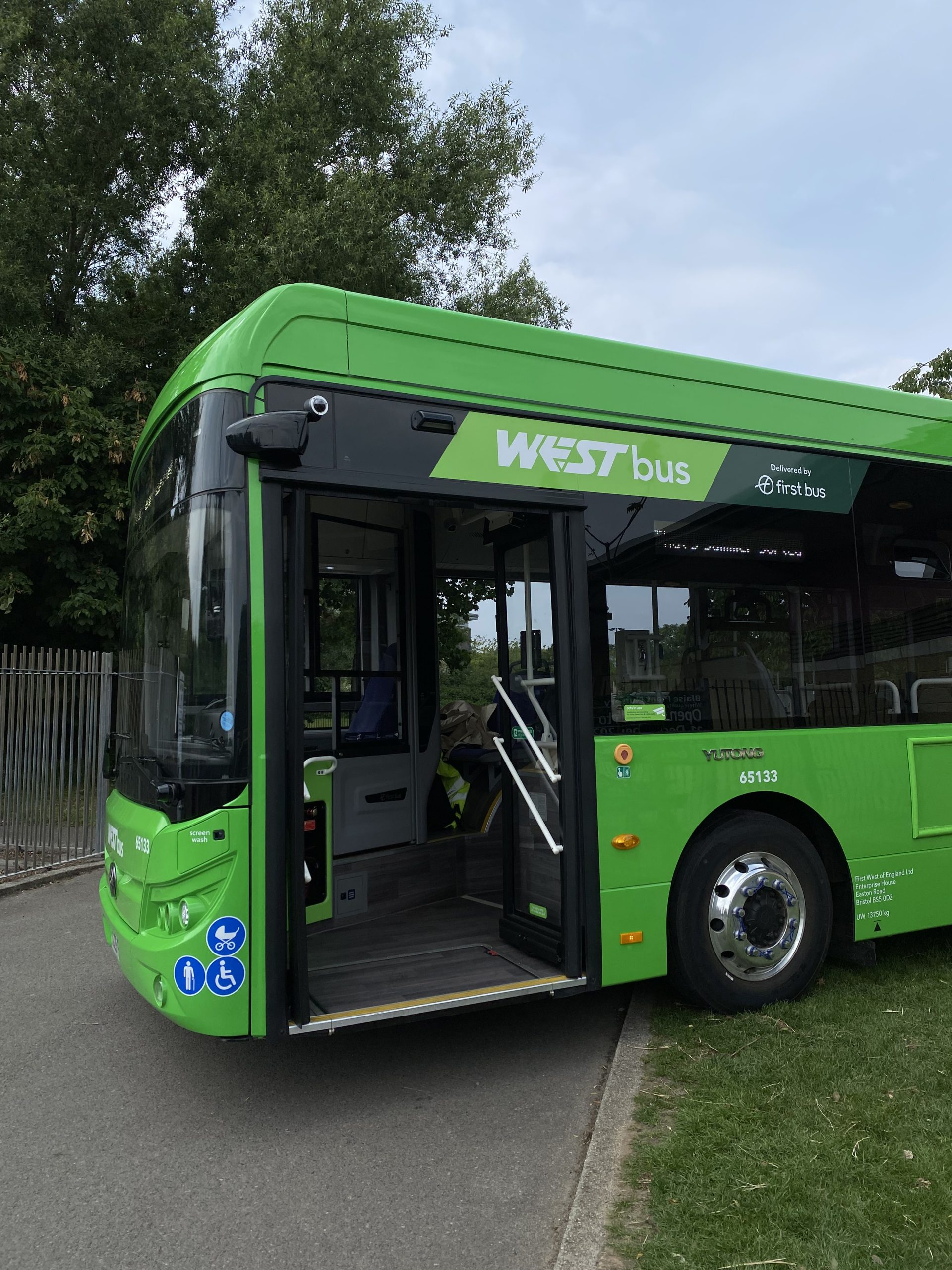
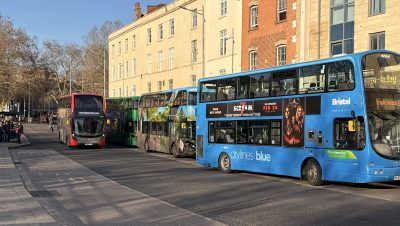
Callum says “Expensive fares for buses, trains and e-bikes/scooters place a large financial burden on many individuals” – photo: Cerys Larsen
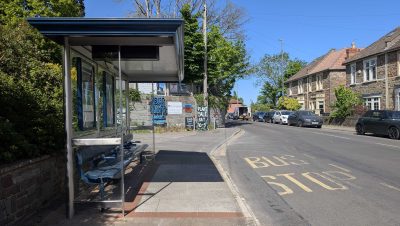
Poor public transport links leave many areas of Bristol as transport deserts.
Expensive fares for buses, trains and e-bikes/scooters place a large financial burden on many individuals and households who are already struggling.
Poor accessibility onto buses and train platforms excludes those with mobility problems and require aids.
Life logistics like getting kids to school, getting to work on time or doing a big grocery shop make anything other than a car impractical.
Lack of safe cycling infrastructure excludes people from being able to travel short distances safely, especially children, disabled and elderly individuals who use mobility aids.
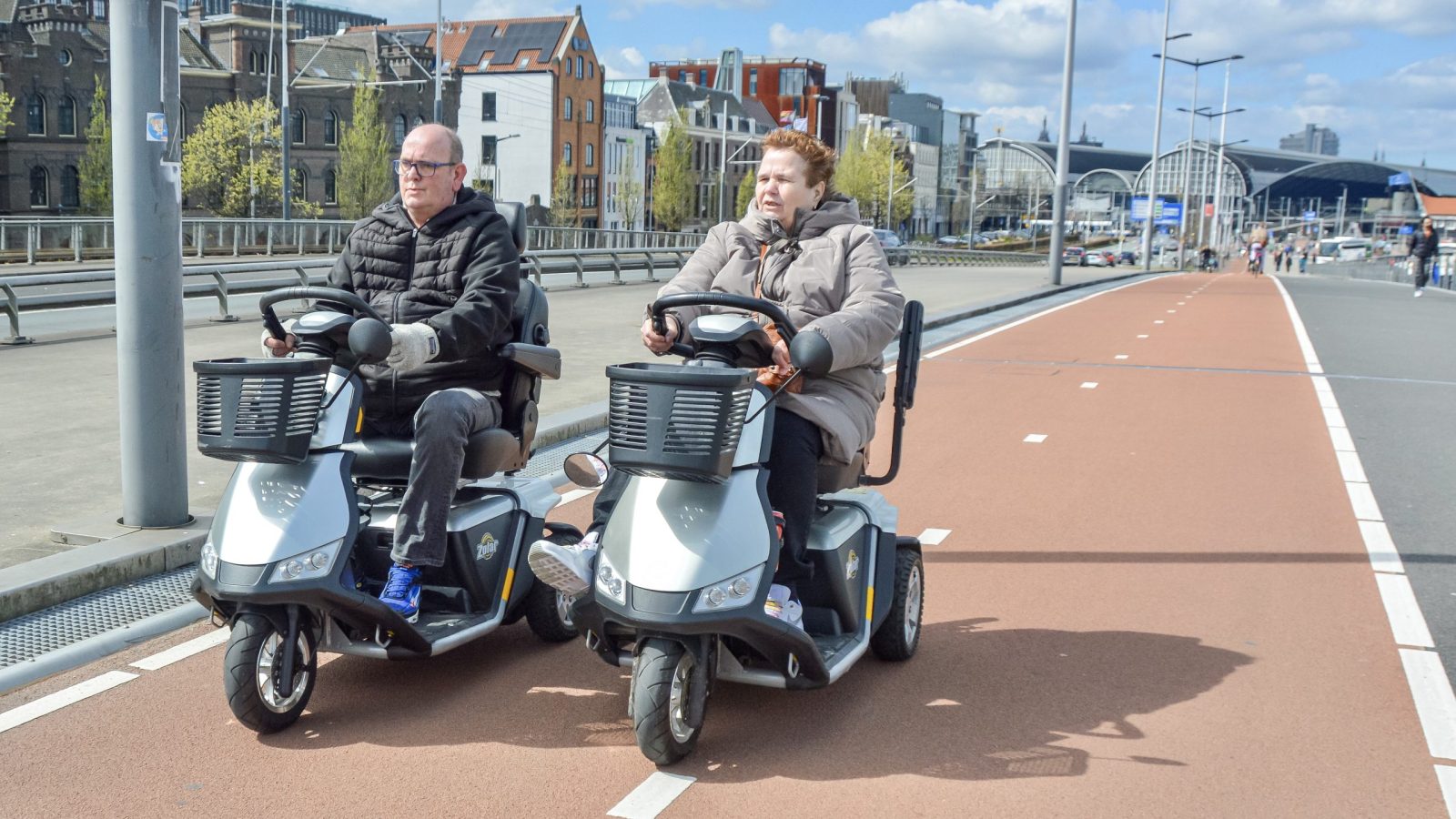
Yes, mobility scooters and wheelchairs can be used in cycle lanes, as I saw firsthand in the Netherlands.
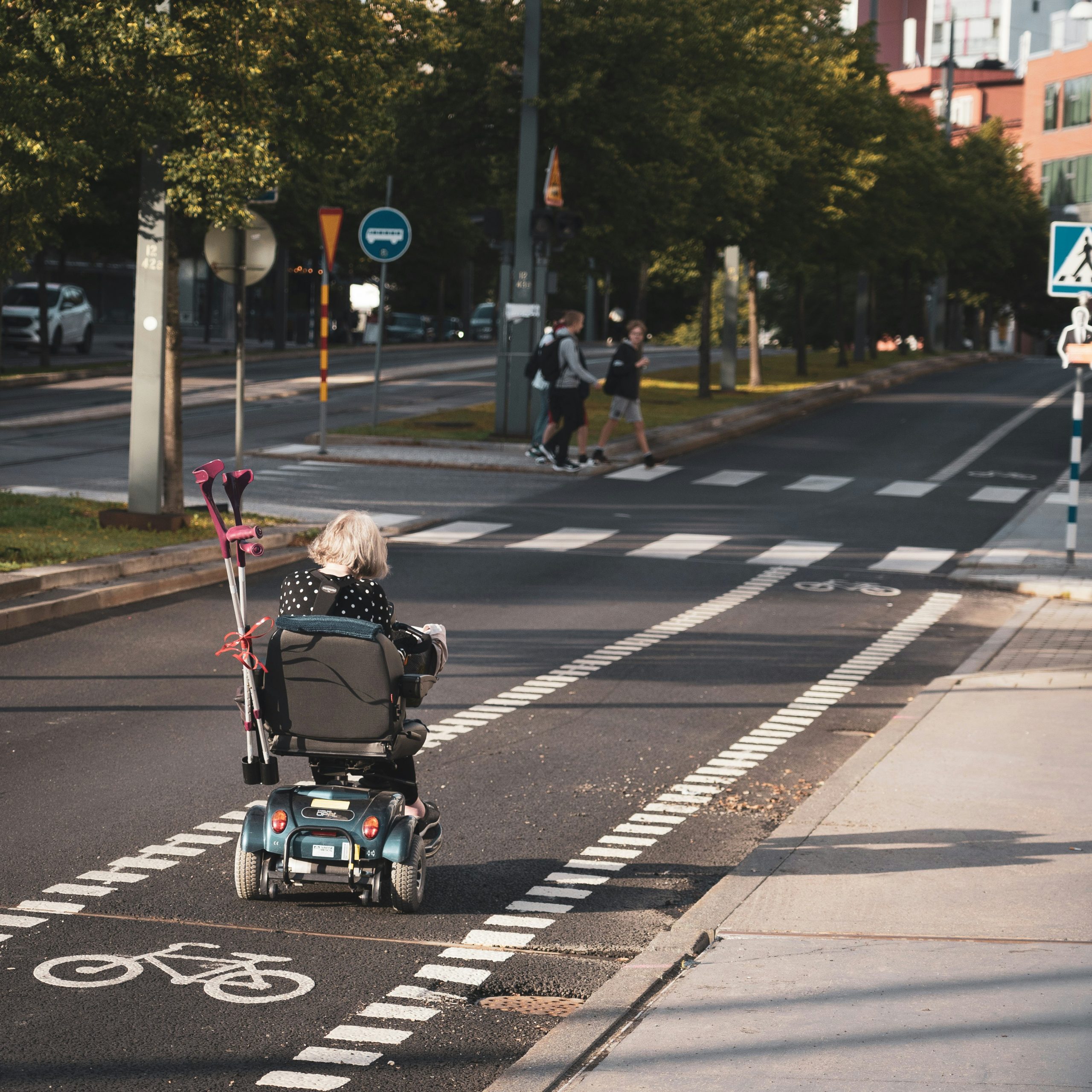
In some Nordic countries, mobility scooters and wheelchairs are used in cycle lanes – photo: Rasmus Gerdin
I could create a long list of issues that residents of Bristol face when it comes to transport, but the one thing everyone has in common is they just want to get from A to B conveniently, safely and for as little money as possible.
Right now, the car happens to tick all those boxes where walking, wheeling, cycling or public transport do not.
It is understandable that anxiety is felt whenever infrastructure changes or road works make that less viable when it feels like the only option to a lot of people.
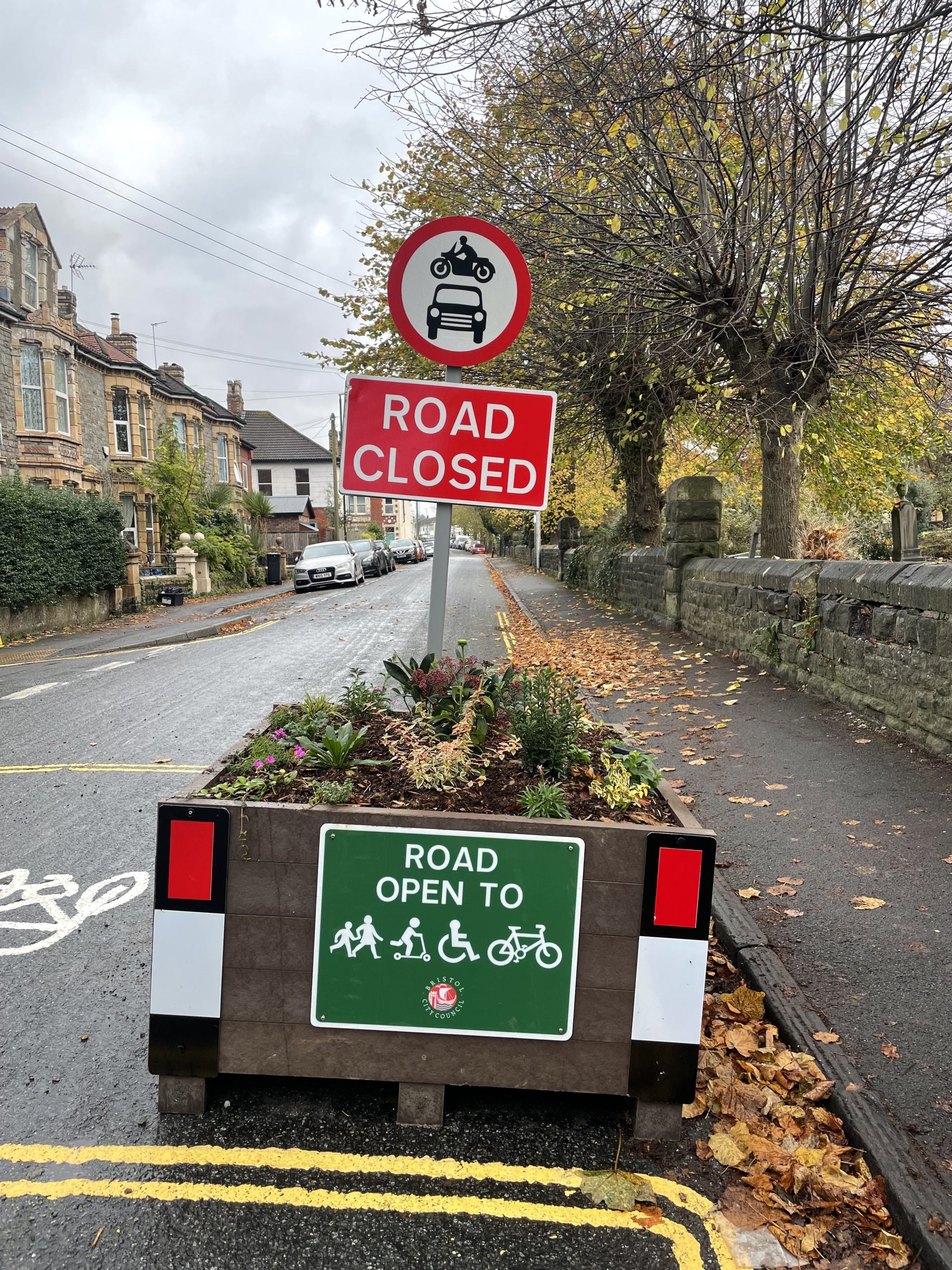
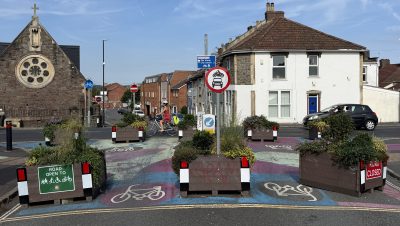
The East Bristol Liveable Neighbourhood has caused controversy by closing some roads to motorists – photo: Martin Booth
It is not inherently the changes to our streets that cause congestion, but rather they expose how damaging a car-dependent city really is.
When closing one traffic lane or a shortcut through a residential street causes “traffic chaos”, it shows us there are too many cars on our streets.
When we do something, it causes short-term pain.
When we do nothing, we further entrench ourselves into a system that will only become more gridlocked and frustrating for everyone.
Right now, we react very strongly to the frustration caused by these types of changes, but for these changes to work they need as much support as possible.
The walker, wheeler, cyclist or public transport user is not fighting a battle against the motorist, they are all fighting a battle against a transportation system forced upon us by decision makers decades ago who thought they knew better.
These decision makers believed the car was the solution to transport, and subsequently all other methods of getting around were sidelined.
Ultimately, they were wrong, and it is still an uphill battle to reverse those choices but doing nothing is not an option.
Even though it may not seem like it initially, the improvements to walking, wheeling, cycling and public transport benefit those who drive too.
When someone has more choice for how they move around, we don’t lock ourselves into the cycle of requiring cars for our daily lives.
When we don’t require a car to do most of the necessities in our daily lives, less cars on the road means less congestion and those who will still need to drive a motor vehicle will benefit alongside the cleaner air, safer and quieter streets and greater amount of public space that a reduction of cars on our streets will bring to everyone.
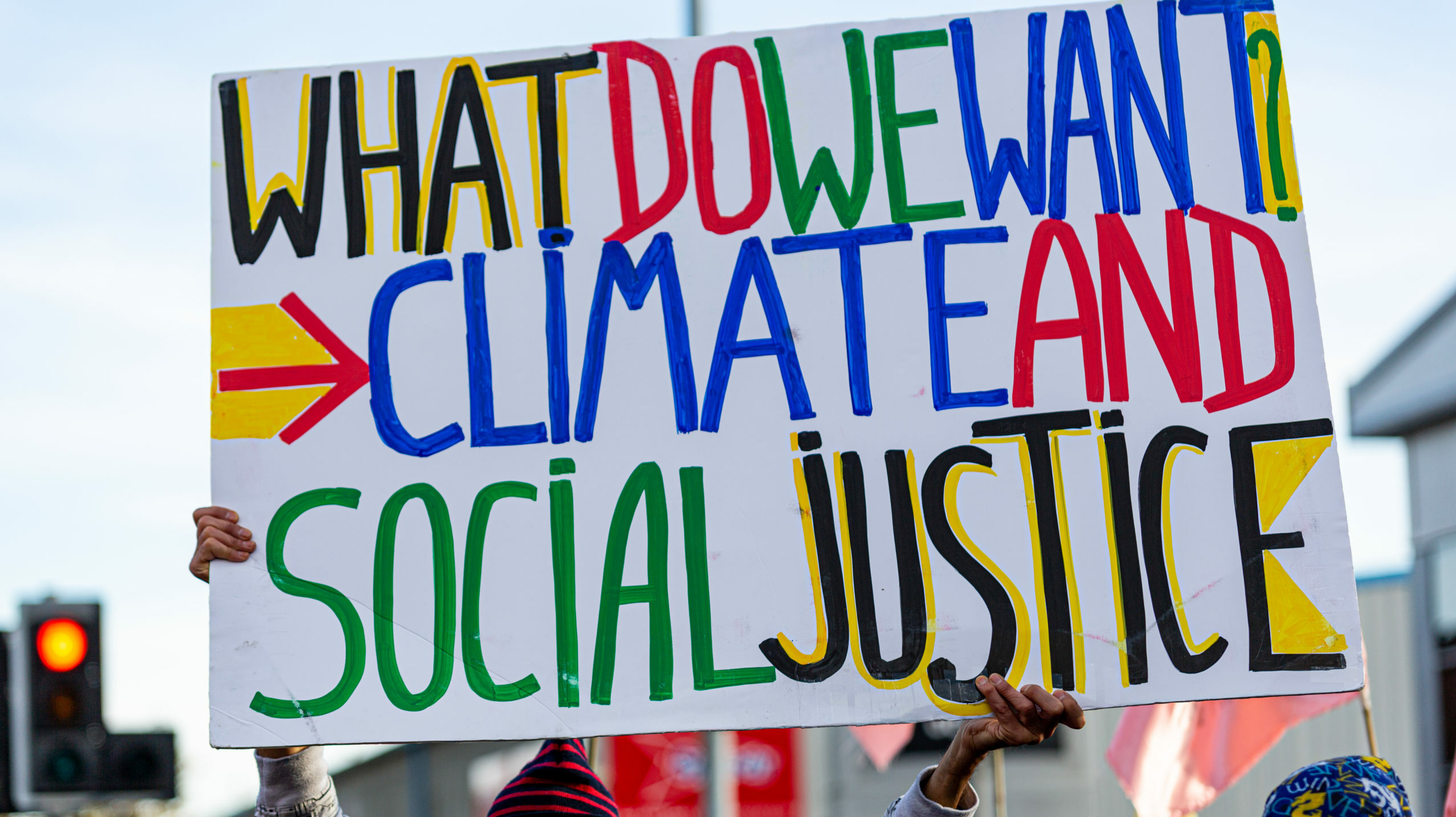
The reduction of cars on our streets will bring everyone “cleaner air, safer and quieter streets and a greater amount of public space”, Callum says – photo: Simone J Rudolphi
For our city to truly become less car-dependent, it is not just better public transport or more cycle lanes that will be needed.
Our neighbourhoods must be put under the microscope and evaluated to see if people truly have everything they need within a distance that does not require a car.
GP surgeries, grocery stores, schools, daycares, community spaces, youth clubs.
If a car is a necessity to reach your doctor’s appointment or to get your child to school, a serious conversation is required.
It is important to remember though that planning these changes must include everyone, the same way our future transport system and communities must include everyone.
This means avoiding the top-down planning philosophy that planners took on in the 1960s and 1970s which involved bulldozing communities to build roads because they saw it as “the right thing to do for growth”, rather than what was right for the communities that were impacted by these changes.
Not only did these short-sighted decisions place us in the predicament we are in today, but they also severed once tight-knit communities from each other.
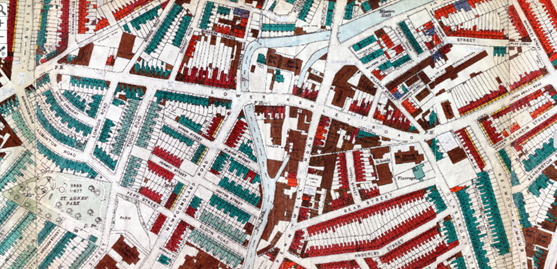
1950s city planning maps show that Lower Ashley Road used to provide a straightforward route from St Paul’s to Easton – photo: Bristol City Council
For these changes to be successful, we need to bring everyone with us.
A just transition is the only kind that works.
For transport and community projects to succeed, they must be designed with, not just for, the communities they affect.
Decisions must be built up from local knowledge, guided by public engagement and communicated with honesty about the trade-offs.
When people feel heard and included, even difficult changes are more likely to succeed.
If we fail to do this, we risk further entrenching ourselves into a car-dependent life where it will be much more difficult to dig ourselves out, and the negative externalities of a reliance on cars will be further felt by communities that suffer the impact of congestion and unsafe streets.
Ultimately, those who do not learn from history are bound to repeat it.
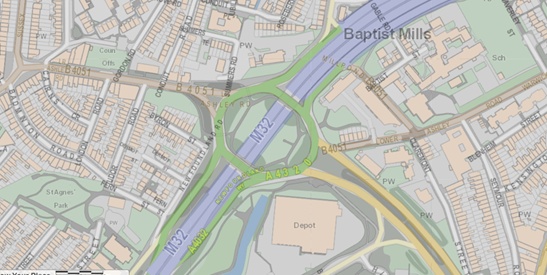
Today the M32 roundabout cuts Lower Ashley Road in half – photo: Bristol City Council
One unexpected joy I’ve found in walking is when I come across my friend from work, Syd, around the city.
In some instances, I come across him more than once in the same week.
The encounters are funny and pleasant, whether that’s bumping into him on the bus back from a night out, passing him on the street at Stokes Croft Block Party or seeing him ride his Dutch bicycle around the Centre.
It’s not just Syd that I bump into around the city, but many of my other friends, or even my university professor who I pass in the street when going for a walk, cycling back from work or taking the bus.
Put all of us in cars, something as simple as saying hello when passing on the street would never happen, and my friends would just be the red taillights on the car in front of me in a traffic jam.
This is an opinion piece by Callum Stevens, a sustainable transport activist
If you would like to write an opinion piece to be featured on the website, please send an email to [email protected] with your opinion piece idea and we will get back to you with instructions on the next steps.
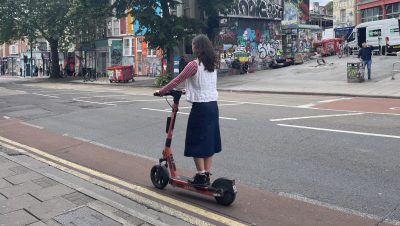
Main photo: Ellie Pipe
Read next:
 Our newsletters emailed directly to you