Your say / Politics
‘We do not ask lightly for Bristolians to pay more council tax’
On Wednesday, Bristol City Council published its consultation for the 2026/27 city budget.
As chair of the council’s finance sub-committee, I would like to take a moment to talk about why this matters, where we are as a city and what the future holds.
Local councils in the UK continue to exist in a perpetual financial crisis. The sector has lost more than 40 per cent of its spending power since 2010, according to the Local Government Association, mainly thanks to sweeping cuts in central government grants.
is needed now More than ever
Meanwhile, demand for key services – particularly care for children and adults, and homelessness provision – has soared; and other pressures mount on our finances from inflation, population growth and the cost-of-living crisis.
As a result, councils are increasingly reliant on outdated and regressive revenue tools like council tax, which cannot meet the scale of need.
As was recently reported, Bristol is not immune from these pressures which are exacerbated by the timetables that the government releases essential financial information to us.
The increasing costs of essential statutory services provided by councils – the ones they are legally required to provide like social care for adults, special educational needs provision for children and temporary accommodation for homeless people – mean that all other services that we do not legally have to provide, from parks to potholes to planning to public health, get squeezed.
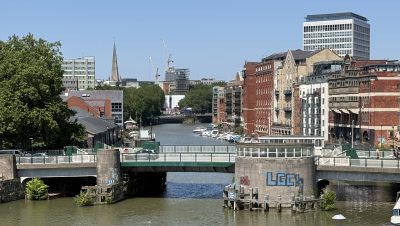
Meanwhile, our city’s ageing infrastructure – roads, bridges, harbour and river walls – is in desperate need of hundreds of millions of pounds of essential repairs over the next several years.
It is in this context that Bristol City Council is launching its consultation for the 2026/27 annual city budget.
I have been working with fellow councillors and council officers to analyse the proposed savings to ensure we close the budget gap responsibly while protecting essential services.
We must balance our budget, and it is my priority to avoid Bristol being forced to issue what is known as a section 114 notice and declare effective bankruptcy.
Thanks to reforms the Green-led administration has brought in, this is no longer an immediate risk.
The committee system which now runs the council is more accountable, open and transparent. Councillors from all parties now have more awareness of and influence over budgets and this has substantially improved our financial efficiency.
As an example, under the previous Labour administration, the council was meeting only around 65 per cent of its saving targets. This caused a reliance on drawing down limited reserves and made financial forecasting much harder.
Today, that figure stands at about 85 per cent, and our ambition is to get that up to 95 per cent within the next year.
In practice, what this can look like is housing people in need more effectively, so fewer people become homeless.
This year was the first on record that the temporary accommodation ‘subsidy loss’ (the difference between the actual cost of temporary accommodation and what the government will pay the council back for it) went down despite rising homelessness.
Even with our strong financial management, the pressures are immense, and a budget gap remains, albeit a smaller one than in previous years.
That is why we are consulting on a range of savings proposals. Most are technical or back-office changes, such as improving adult social care delivery or using our vehicle fleet more efficiently to reduce SEND transport costs.
Other proposals will be more controversial in some quarters but are necessary to keep pace with inflation. The proposed increases to allotment rents and parking fees are good examples here.
We want to see fair increases which reflect the rising cost to the council of providing services while protecting the people who rely on them.
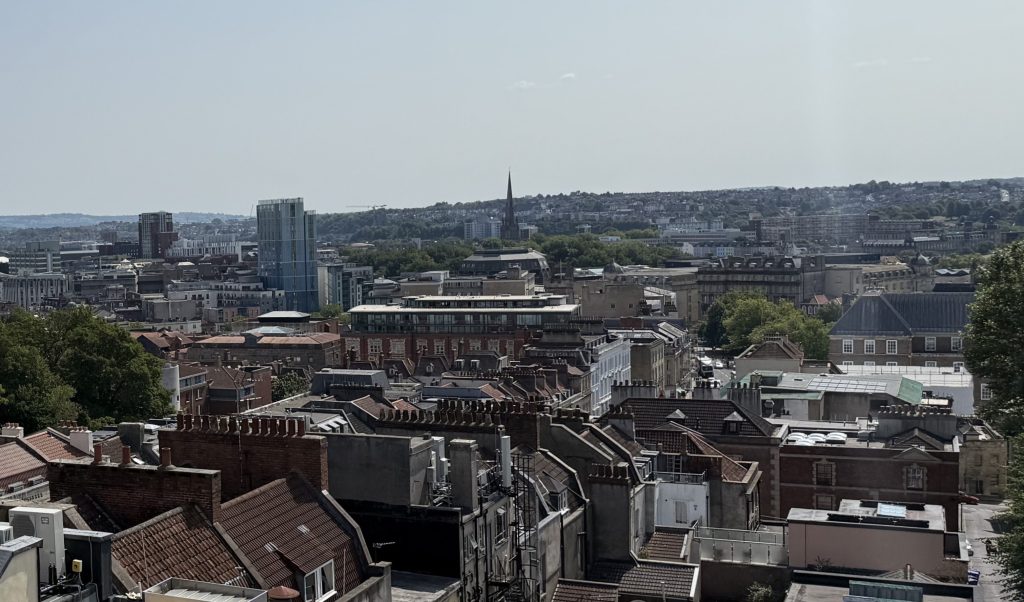
Bristol’s population is projected to increase to 526,600 people by 2032 – photo: Martin Booth
One of the most controversial aspects of this year’s budget consultation will surely be around council tax.
The council is proposing to raise council tax by five per cent in total with two per cent of this being ringfenced to pay for adult social care costs.
Council tax is a bad tax that the Green Party would like to see abolished. It is regressive in that it is based on property values from decades ago, and it is ineffective in raising the funds the councils need; we would see it replaced with a much fairer land-value tax.
Unfortunately, the Labour government is not planning to replace this Thatcherite levy so we must continue to rely on it, and they expect us to raise it by five per cent.
We do not ask lightly for Bristolians to pay more during this ongoing austerity-driven cost of living crisis, but every percentage point of council tax foregone represents £3m in revenue that would have to be taken out of frontline services the city relies upon, so we must ask.
Last year’s budget consultation was more difficult. Because our administration inherited such a poor financial situation, we were forced to save lots of money fast.
Now, we are approaching the halfway point in our term, and we are moving beyond that legacy.
Bristol is beginning to see the benefits of a Green approach to governing: one that prioritises genuine prevention over instead of sticking plaster treatments, a philosophy at the heart of our financial mindset.
Measures to support disabled children moving into adulthood, boost fostering rates and continuing work to put prevention at the heart of our public health agenda will cut our costs in the long run while improving life outcomes for some of the most vulnerable in our city.
Whether it is through using our own money from income we have generated, ringfenced budgets for housing, education and public health, or funding we have secured through grants from regional, national and international organisations, our council has spent more than £1bn in our city in the last financial year.
This focus has resulted in some important benefits for our city:
- Launched new night buses and extended existing routes to make travel easier for shift workers and connect communities by utilising Clean Air Zone funding
- Invested over £1.5m in educational psychologist and outreach support to help children with SEND secure the help they need and improve their educational prospects
- Improved the performance of the planning service with over three-quarters of non-major applications now decided within eight weeks, well above the national target
- Continued investment to reduce the council’s own carbon emissions which will see us having reduced these emissions by 88 per cent over nine years
Again, using housing is a case study: Greens inherited a council housing system in crisis. Years of neglect under the Labour administration left the council with a damning judgement that it was failing to provide people with the safe and clean housing they deserved.
The costs of catching up on this maintenance is in the tens of millions and this has presented a huge difficulty across the housing department.
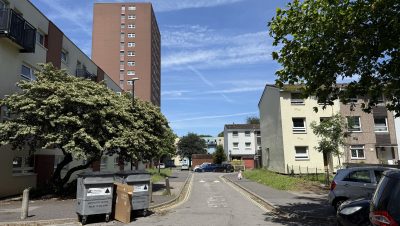
Despite this, we are starting to see progress, with repairs underway across the housing estate. We also have plans in this year’s budget for new social housing on unused council land, and council-owned Goram Homes continues to bring large new developments down its pipeline.
Overall we have supported developers to make a start on 555 new affordable homes for our city – 285 of which will be council housing.
While Labour continues to complain that the Greens “aren’t doing enough” in the face of the mess they left behind, we are getting on with the job of providing the safe and affordable homes that Bristolians need.
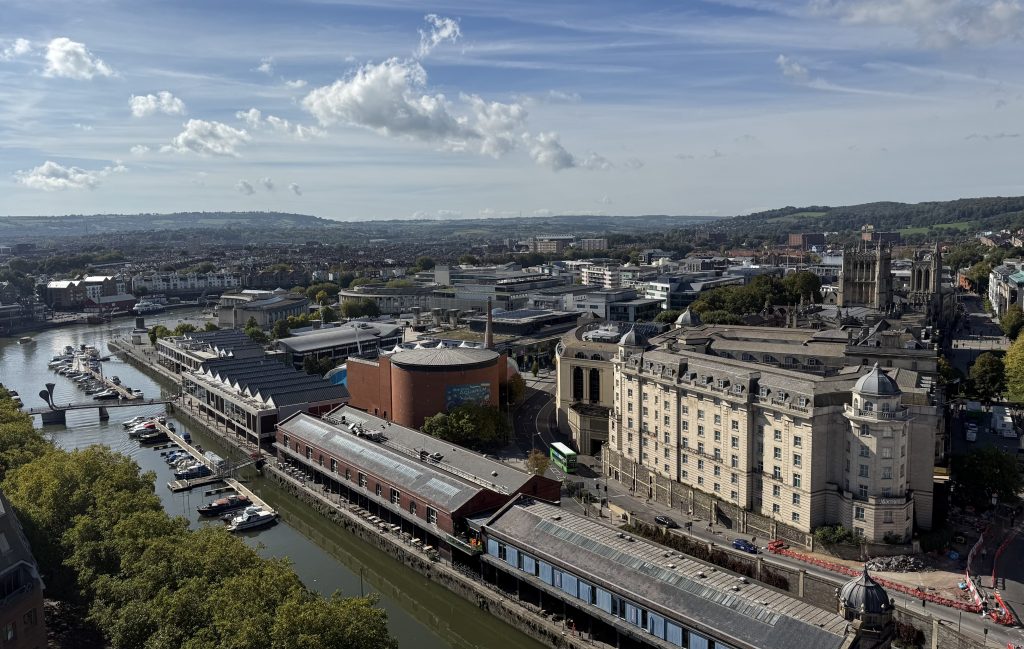
Patrick McCallister says that council tax is an “outdated and regressive revenue tool which cannot meet the scale of need” – photo: Martin Booth
Or take libraries. In early September our administration confirmed that the library budget would be protected in this year’s budget.
Despite regrettable and dishonest scaremongering from Bristol Labour, these cuts were never proposed.
It took hard cross-party work – none of which came from Labour councillors sadly – and I thank those councillors from other parties who helped make this possible.
Our administration is now working cross-party on a wholesale review of the library service to ensure that it meets the needs of our city and delivers what you say you want from it.
For example by ensuring that the libraries are open at times people actually want to use them, or by providing other services from the same buildings.
These are just some of the innovative ways we are looking at delivering council services differently while protecting their core delivery, in a time of ever-increasing financial pressure.
It is with all this context in mind that I invite you to fill out the council’s budget consultation, to let us in the council know what you think about these ideas.
Consultation and hearing directly from the people of Bristol is central to everything we do. All councils will sometimes get things wrong; it is only by listening to you that we can hope to get them right.
Bristol is turning a corner. Let’s get there together.
This is an opinion piece by Patrick McAllister, chair of the finance subcommittee on Bristol City Council and Green Party councillor for Hotwells & Harbourside ward
Main photo: Green Party
Read next:
 Our newsletters emailed directly to you