Your say / Transport
‘It’s time for Bristol to get out of the slow lane’
For years, it’s been abundantly clear that Bristol’s public transport system needs an overhaul. The problems stem from the fact that since the 1980s, bus services have largely been run by the free market.
Private operators run routes that will make their shareholders money, which often leaves smaller communities cut off from reliable public transport.
To remediate this, the government allows councils to subsidise the services that aren’t an obvious money-maker.
is needed now More than ever
When councils step in to cover the financial shortfall of a route, these are called ‘supported bus services’.
Supported bus services shouldn’t really exist; certainly not in a modern metropolitan city the size of Bristol.
In a properly designed, integrated public transport network, run for people and not for profit, all areas of the city would be served by buses, trains, trams or a combination of all three.
Popular routes would cross-subsidise the less popular ones, and all profits would be reinvested into the service.
This isn’t a particularly radical proposal; it’s common sense and commonplace in much of Europe.
Unfortunately, that’s not the reality of our situation right now. But things are set to change.
The new Labour government has introduced its better buses bill which will lift the Tories’ ban on the establishment of publicly-owned bus companies and streamline the process for franchising of services which allows councils and combined authorities to set timetables for routes and cross-subsidise services.
In the meantime, the best we can do is run supported services to keep our city connected.
Supported services provided reasonable security for quieter bus routes for a while, but as local authority funding has been slashed by successive Conservative governments in recent years, so our supported bus services have dwindled.
Services in areas across Bristol have disappeared, especially affecting the young and old and those unable to afford to run a car.
In my own ward of Brislington East in St Anne’s, I have met many people who would like to use public transport to get around but have no option other than to use the car, because the network simply doesn’t serve them well enough.
I’ve also met many affected by the removal of our own supported services in recent years.
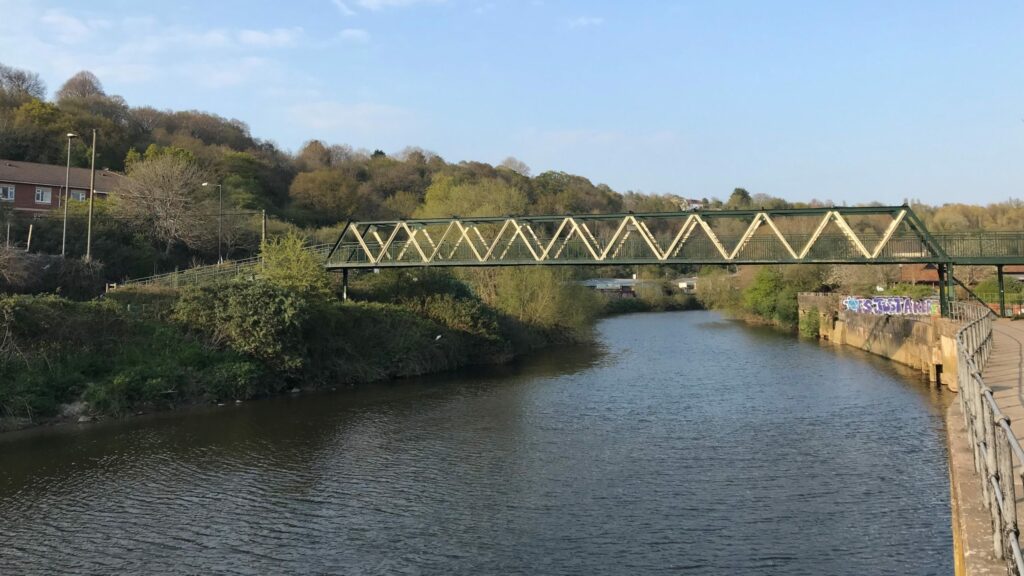
St Anne’s footbridge was built in 1957 to replace the St Anne’s ferry which had been existence since the Middle Ages; one of Bristol’s earliest forms of public transport – photo: Martin Booth
In 2024, the former Labour administration did something to start reversing the decline by opting to include a large sum of money – some £4.2m of Clean Air Zone receipts – in the budget to support bus services in our city.
This money was due to start supporting bus services in 2025 and last for three years, but when I attended my first transport committee meetings in June 2025 it became clear that the new Green-led administration had made no plans to ensure this money was spent.
Timescales were extremely tight. Under combined authority rules, services can only be introduced twice a year, in September and April. We had already missed the September deadline, and decisions would need to be made very quickly if we were to get new services running from April.
I was asked to chair a task & finish group to determine alongside fellow councillors and transport officers how to spend the money. Very quickly, we sought the views of community groups, transport lobby groups and others as to what was required.
We also spoke to a number of bus companies about their capacity and willingness to undertake the work.
We agreed a number of principles which would drive our decision-making, and finally settled on three new services to support:
- a south Bristol circular service running from Bishopsworth to St Anne’s
- a new service between east Bristol and the Centre, serving the East Bristol Liveable Neighbourhood and Temple Meads
- a shift-based service between south Bristol and Avonmouth, specifically designed to enable employment opportunities in areas such as Hartcliffe and Withywood.
These services were then commissioned and started to operate in April 2025.
At the same time, in February 2025, the Labour group identified an additional £1m of money which could be set aside for supported services in the first budget of the new administration.
In an unfortunate display of political shenanigans, the Green Party opposed the spending of this money at the budget meeting but subsequently agreed that it was the right thing to do.
We are now in the process of deciding how to spend this additional money, alongside a substantial Bus Grant from the Labour government, to improve our network even more.
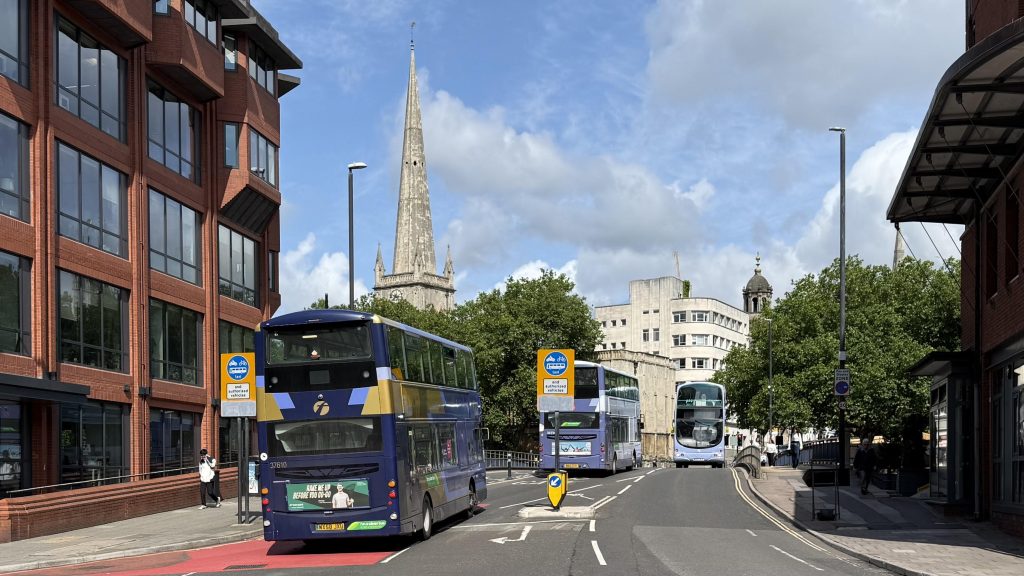
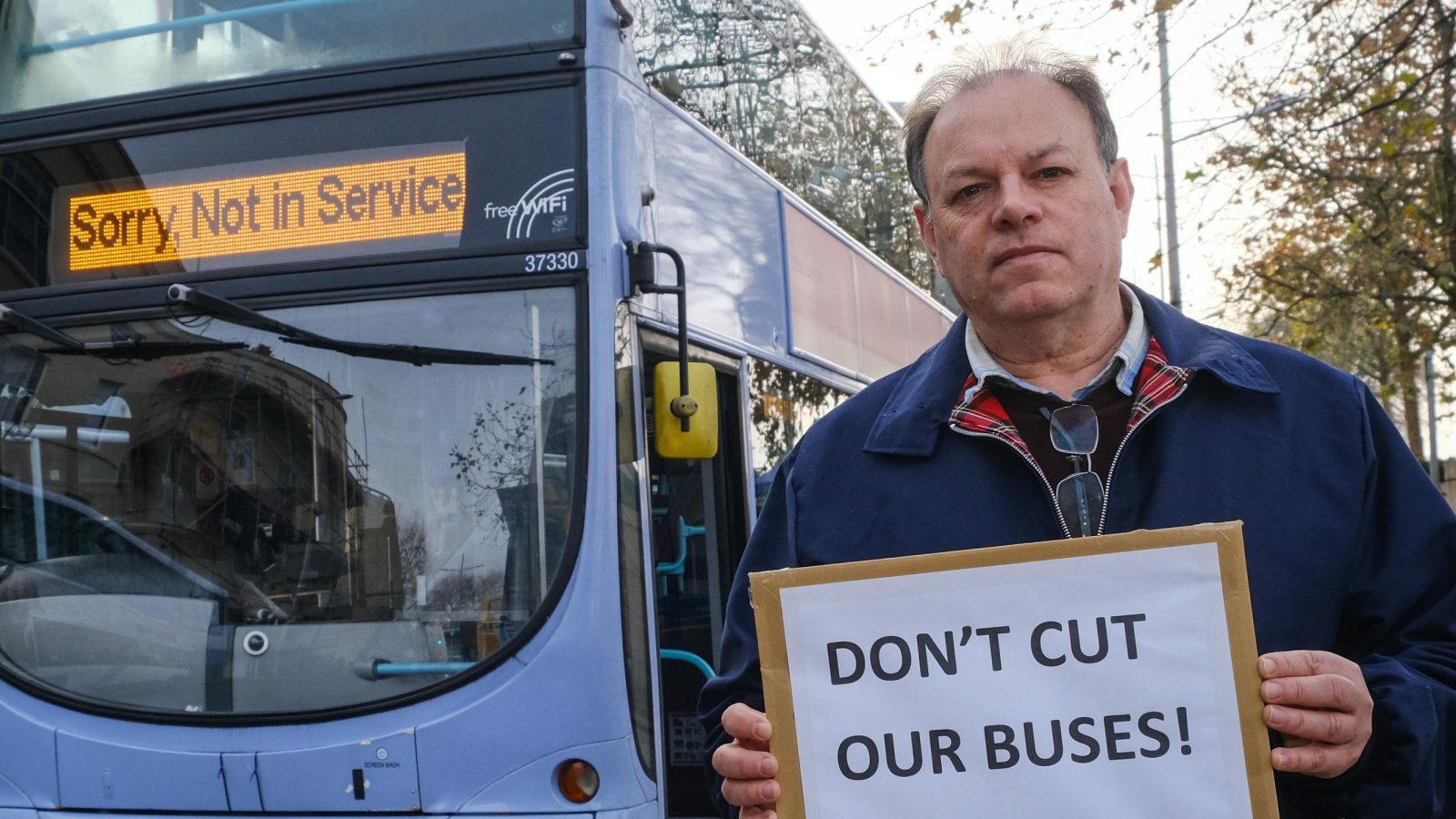
“It’s time for Bristol to get out of the slow lane,” says Tim Rippington – photo: Martin Booth
Night buses are a high priority, with the council recently supporting a Labour motion to do more to support the night time economy.
Better services at night time are clearly needed. Around 116,000 people work in Bristol’s night time economy, and need reliable public transport to and from their shifts.
Likewise, Bristolians deserve to have the option of getting the bus home after last orders – an hourly service up the main transport arteries shouldn’t be a tall order.
The details of how this money will be spent will be announced soon and I hope that we can provide some new routes that will really benefit our city.
But all this is no more than a stopgap until Bristol gets the transport system it really deserves.
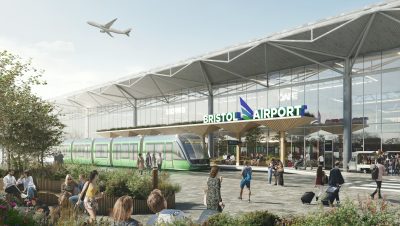
The Labour government recently allocated £752m to the West of England for rail improvements, better buses and, crucially, to support the development of a mass transit system.
Over the years, politics has regularly stood in the way of a decent mass transit system for our area. I sincerely hope that this time, all the political parties will unite to ensure the city gets it, along with the integrated public transport system that its residents deserve.
It’s time for Bristol to get out of the slow lane.
This is an opinion piece by Tim Rippington, a Labour Party councillor for Brislington East
Main photo: Labour Party
Read next:
 Our newsletters emailed directly to you