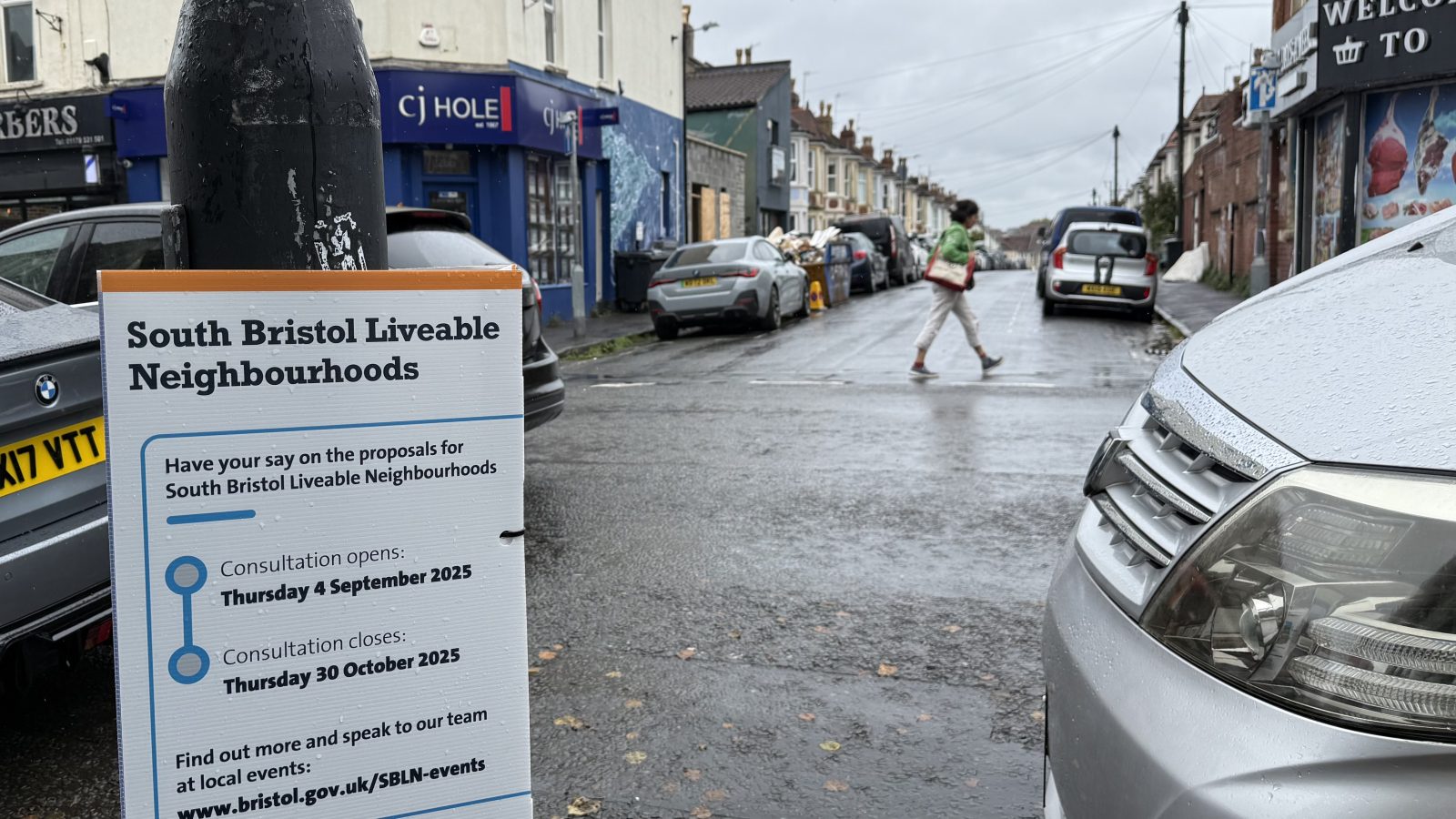
Your say / South Bristol Liveable Neighbourhood
‘Liveable neighbourhood plans likely have more supporters than detractors’
Clearly there are some people in Southville who oppose the proposed liveable neighbourhood scheme. But that doesn’t tell the whole story. There is equally – if not more – support from residents in the area.
Of course, the other problem with the petition opposing the scheme recently covered by Bristol24/7 is that anyone can sign it without saying where they live.
I suspect that many of the signatures are from those who don’t live in the streets where the measures are proposed, or are from those who oppose any measures anywhere that restrict cars.
is needed now More than ever
The South Bristol Liveable Neighbourhood proposals haven’t been plucked out of nowhere.
Consultation with local people has shown that lots of people have concerns about their residential streets being used as short-cuts to get across the area, that roads are too dominated by cars and that many people who actually want to walk or cycle more are put off doing so, because they don’t feel it’s safe on local roads for them or their kids.
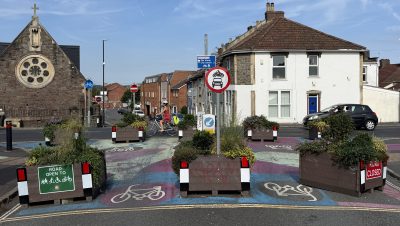
The neighbourhood of Southville was built way before the car came along, and while we accept that cars are a reality of modern life for many (I’m a car owner and driver too), we have to make it safer and prioritise measures that encourage more people to walk and cycle.
The alternative will be more and more cars, ultimately leading to grid-lock and more pollution.
The council’s liveable neighbourhood proposals don’t stop anyone from driving, accessing their homes or receiving deliveries.
What they would do is stop unnecessary cut-through car and van journeys, and increase walking and cycling journeys, as has been shown elsewhere in similar schemes.
Traffic data shows that 25 per cent of all car journeys are for less than a mile. Switching a very small number of those short journeys (even ten to 15 per cent) to walking, cycling or public transport would be massively positive for everyone but especially those who need or want to drive – especially those who are disabled, or need to drive for their work. Fewer car journeys would reduce congestion.
The proposals would also benefit the 30 per cent of households in Southville who don’t have a car, who are already more dependent on walking, cycling or public transport to get around.
The arguments that the proposals would increase pollution and increase traffic on roads outside the area are counter to evidence from other places where similar measures have been introduced.
When streets are safer, more people will choose to travel on foot or bike. That has been shown to happen time and time again where low traffic schemes are introduced.
This reduction in car journeys reduces traffic and improves air quality.
Many of the arguments made today opposing the liveable neighbourhoods proposals are the same as those made against the home zones that were introduced in some Southville streets more than 20 years ago, the partially closed priority school street on Upton Road or the RPZ introduction over the last ten years.
I think few people would argue that these schemes haven’t made Southville a safer and more pleasant area for everyone.
The current consultation is a genuine opportunity to listen to all issues and concerns, including the many that want to make residential streets safer and give more priority to walking and cycling.
There are certainly some parts of the proposals that could be tweaked and improved – constructive suggestions are great, but those who oppose any change have few if any suggestions of how to address the genuine concerns about traffic and road safety that many local people have.
I and many people across Southville look forward to seeing the liveable neighbourhood proposals refined with the consultation feedback and trialled to make local residential streets safer, cleaner, greener and better for everyone.
This is an opinion piece by Matthew Symonds, a resident of Southville
Main photo: Martin Booth
Read next:
 Our newsletters emailed directly to you