News / bristol city council
Reopening public toilets and protecting culture grants in new council budget
Reopening public toilets and protecting cultural grants both feature in major changes to Bristol City Council’s budget for the next financial year.
In February, councillors are due to approve the budget setting out how hundreds of millions of pounds will be spent on local services from April.
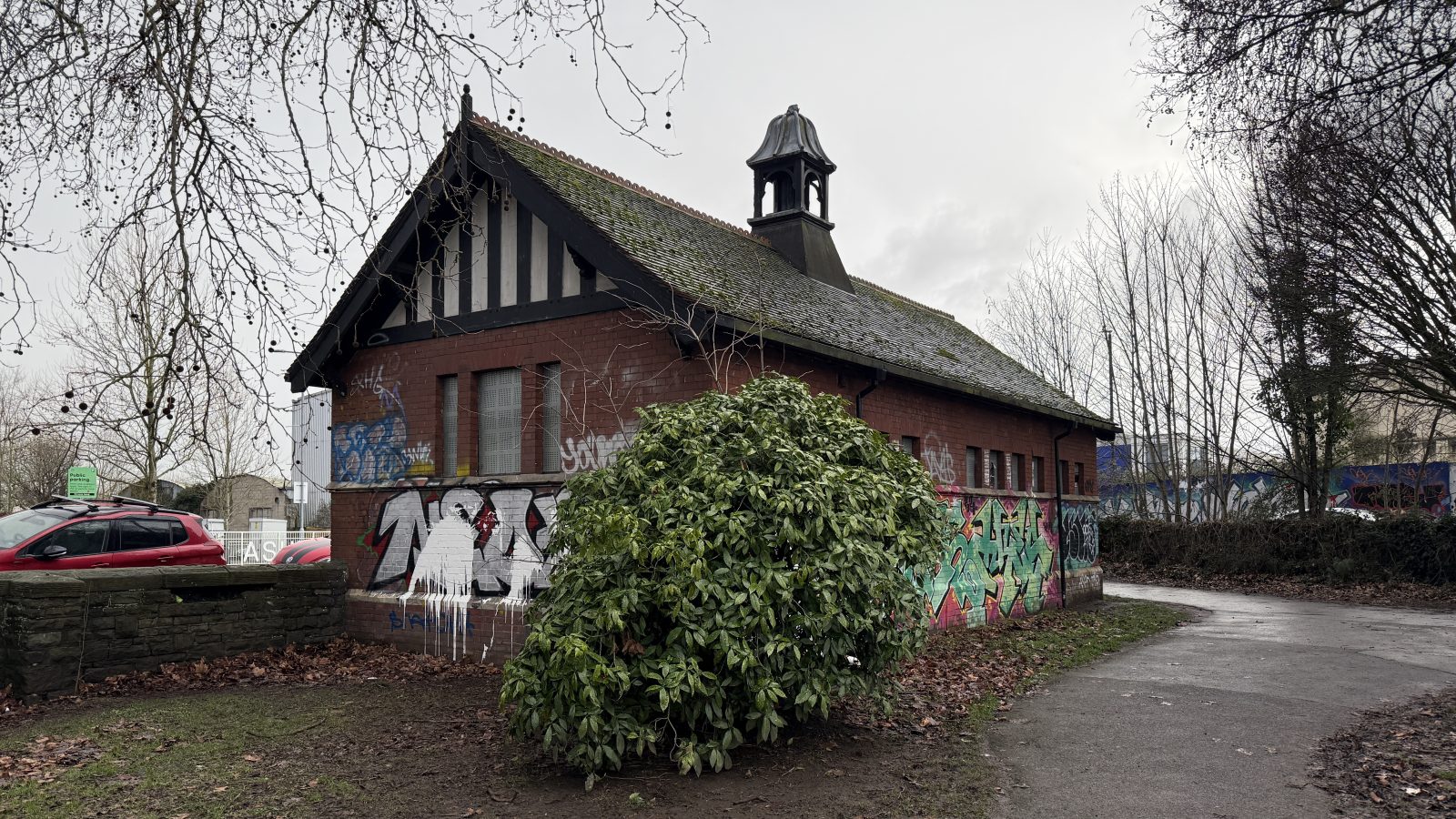
Six changes to the planned budget have just been unveiled. The council will “invest in the work needed to put us on the path towards reopening public toilets”.
is needed now More than ever
Eight years ago over a dozen public toilets closed in Bristol, an unpopular move followed by complaints of public urination.
Few details are available at this stage of how many toilets would be reopened, but £270,000 is planned in the budget.
Another major change is scrapping proposed cuts to the cultural investment programme. The cuts sparked protests and an angry open letter about their impact.
The cultural investment programme gives out roughly £635,000 a year in grants to all sorts of organisations across Bristol, and the cuts would have seen these slashed.
Instead, the council will preserve the programme for the next three years and no longer plans to cut its budget.

Proposed cuts to Bristol’s cultural scene previously sparked protests and an open letter of opposition – photo: Rob Browne
Green councillor Tony Dyer, leader of the council, said: “Along with councils up and down the country, we continue to face difficult financial pressures and significant budget challenges.
“This follows increasing costs from high inflation, a growing and ageing population and government support failing to keep pace with increasing costs and demand.
“There are signs however that government funding of local councils is beginning to improve.
“This is because for the first time we will be allowed to keep most of the business rates paid in our city to spend on local services instead of sending that money to Westminster.
“The trade-off is that we will receive substantially less in government grant, meaning the money we get from government will go down, and we will mostly be reliant now on the funds generated locally through council tax and business rates.
“It gives me great pleasure to confirm we will be adjusting our initial spending plans in six areas that will have a direct, positive impact for our city.”
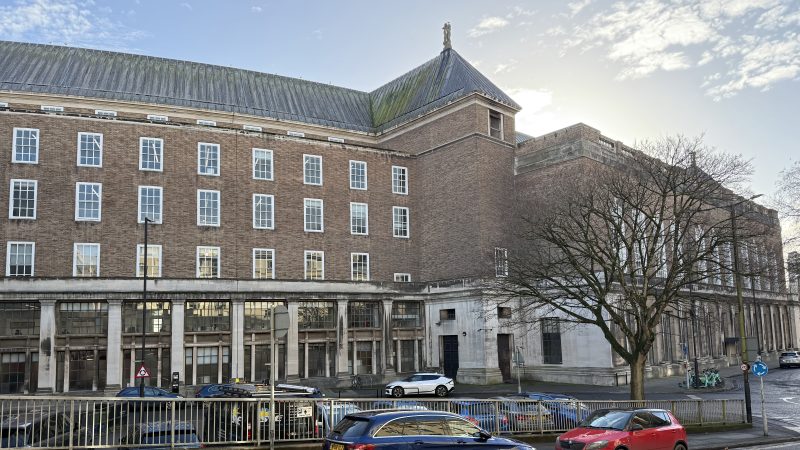
Councillors will approve the annual budget in February which will determine spending for local services starting in April – photo: Martin Booth
As well as public toilets and cultural grants, the remaining four changes are that the Bristol Impact Fund will be protected, which provides grants for local community organisations.
The council will spend £300,000 recruiting more planning enforcement officers, to clamp down on cowboy builders and make sure developers follow conditions of planning permissions.
Street cleansing and fly-tipping collection services will get a £350,000 boost, to reduce the amount of rubbish left on the streets of Bristol. And over the next two years £1.3m will be spent on improving recycling services.
Dyer added: “These areas have been chosen as a direct result of the feedback we’ve received throughout the year at finance sub-committee meetings, from consultations, community discussions, and many meetings with residents on what matters to people most.
“Looking back at 2025, despite a tough economic backdrop, there is much we should recognise and celebrate.
“We have listened to how residents feel and what matters most and have delivered improvements in those areas, including: housing, transport, air quality, safety and community facilities.
“We will keep listening, keep explaining and keep delivering.
“That is our commitment to Bristol: a healthy, stable financial position; services that work; and investments that make our city a great place to live, work and visit — now and for years to come.”
Alex Seabrook is a local democracy reporter for Bristol
Main photo: Betty Woolerton
Read next:
 Our newsletters emailed directly to you