News / redevelopment
Plans to turn former pub into bedsits refused
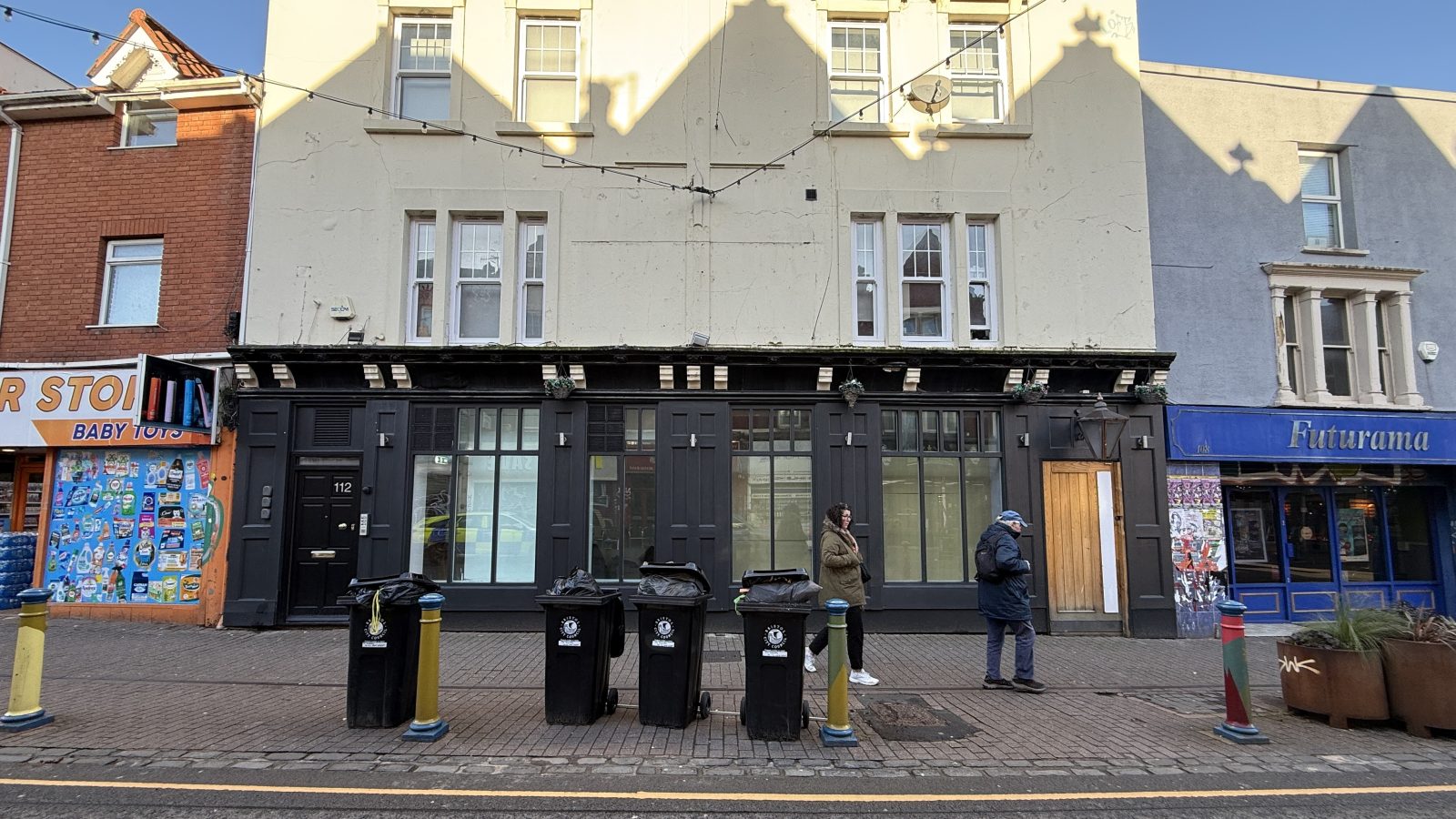
Plans to turn a former thriving south Bristol pub into a huge shared house have been thrown out because of flooding concerns.
Developers wanted to convert the Assembly on East Street, Bedminster, into a shop at the front with 16 bedsits behind it.
But a government planning inspector has refused permission because the owners, TMT Capital, failed to provide evidence that there were no more suitable nearby sites that would be less at risk of flooding.
is needed now More than ever
The Assembly pub shut in 2021 and a subsequent attempt to reopen as a nightclub called Cheekies met the same fate, so the property was put on the market in 2023 and 2024 but without success.
TMT Capital applied directly to the government’s Planning Inspectorate to bypass Bristol City Council’s planning department, which was under special measures because of a chronic backlog in dealing with cases.
The East Street frontage would have been kept as a shop or other commercial unit and the rear extensions demolished and replaced with a 16-bedroom HMO (house in multiple occupation).
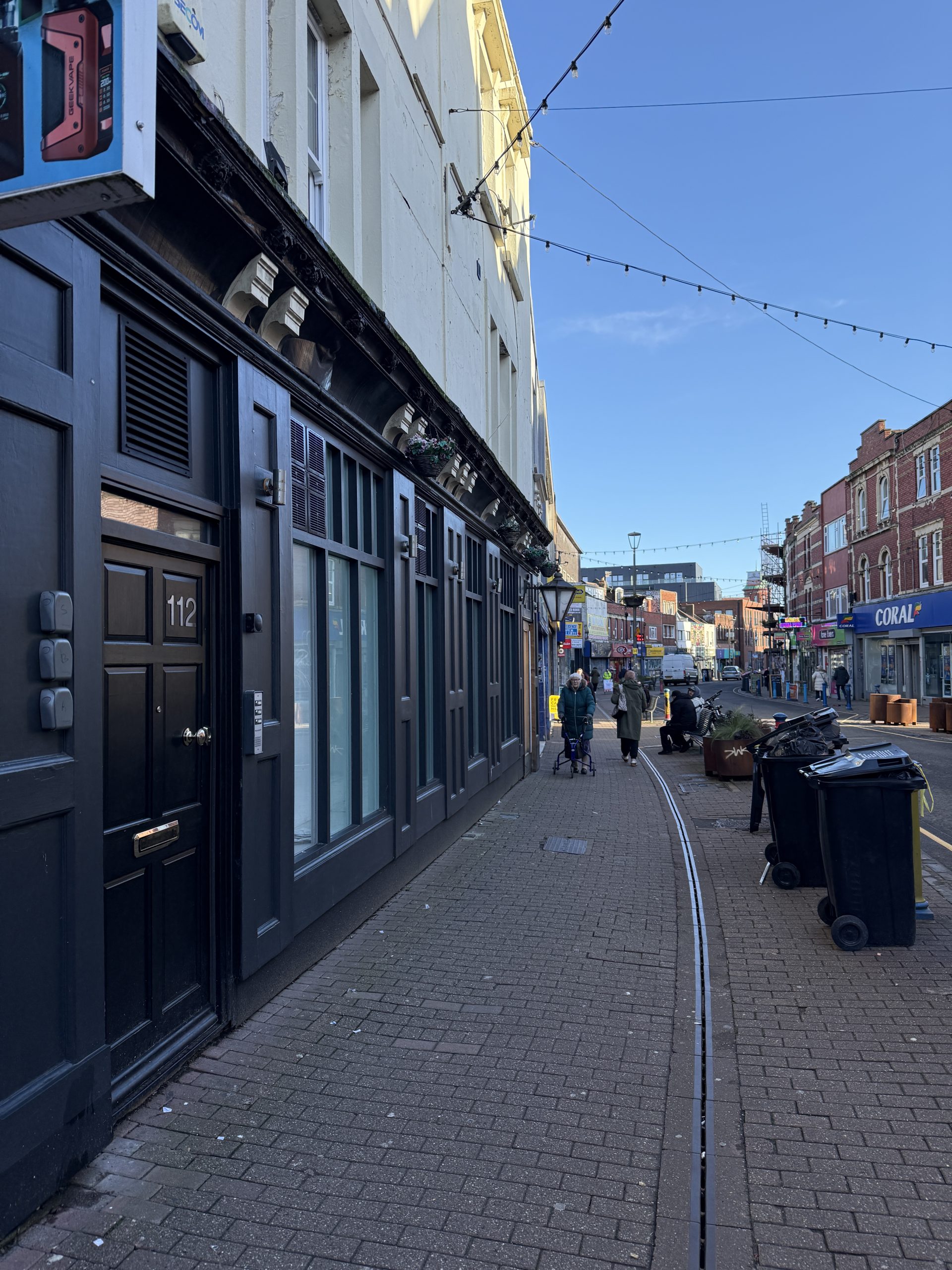
The Assembly was a traditional pub in Bedminster that reopened as a nightclub after the pandemic and then closed
In its decision report refusing consent, the inspectorate said the proposals did not meet the requirement under planning rules to demonstrate that there were no other sites available that would be at lower risk of flooding.
But it said: “The site would be suitably located for the proposed HMO and the proposal would not result in a harmful concentration.
“The loss of the public house would be acceptable.
“The proposed commercial use at the front of the site would contribute to the vitality of the designated ‘primary shopping area’ and provide an active frontage to this pedestrianised part of East Street.”
However, the report said that a process called a ‘sequential test’ was necessary to show there were no better nearby locations in terms of flooding risk, but that this had not been carried out.
It said: “The failure to satisfy the sequential test means the proposal cannot demonstrate if there are other sites that would be sequentially preferable at a lower risk of flooding.
“Whilst there would be no other material planning objections relating to the proposal, the benefits of the scheme would not outweigh the conflict with the development plan.
“For these reasons, planning permission is refused.”
Adam Postans is a local democracy reporter for Bristol
All photos: Betty Woolerton
Read next:
 Our newsletters emailed directly to you