News / bristol city council
Council’s annual budget approved
Bristol city councillors confirmed a 4.99 per cent council tax rise as they approved the annual budget on Thursday evening.
The Green-led authority’s spending plans totalling £634million for day-to-day services and £232million of capital investments in large projects and city infrastructure, such as houses, bridges and schools, was passed by 42-26 votes, with the Lib Dems in favour and Labour and the Conservatives against.
Just one of the nine budget amendments tabled by the minority parties received support in the chamber at the four-and-a-half-hour meeting – a Liberal Democrat proposal to bring forward £1million of funding for road repairs and maintenance by a year, doubling the amount available in 2026/27 – while the rest were rejected.
is needed now More than ever
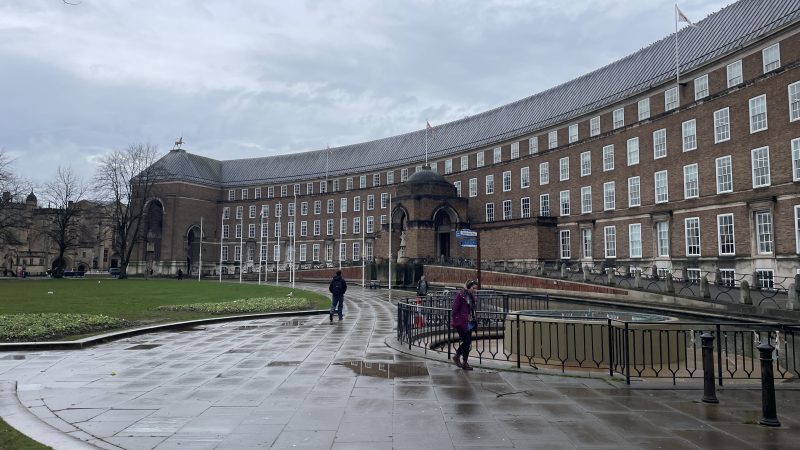
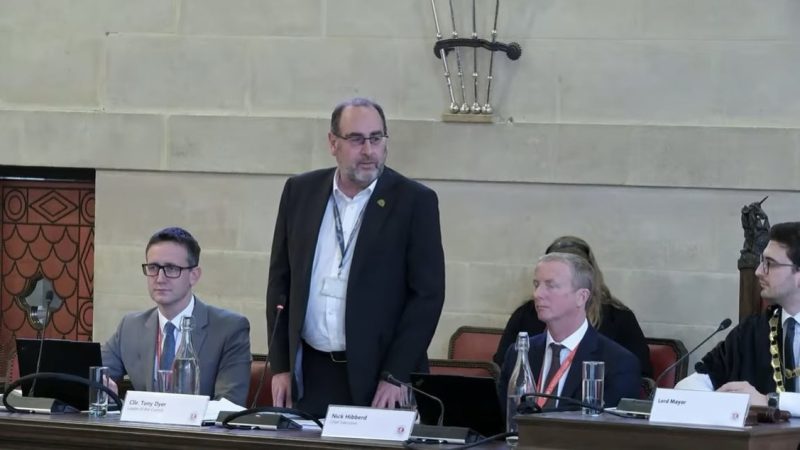
The budget was discussed in meetings on Thursday – photo: Susie Long
The budget included nearly £41million in savings to balance the books, but also a series of U-turns announced in January following public consultation, including £270,000 towards reopening public toilets and scrapping cuts to cultural groups.
Bristol City Council leader and Green councillor for Southville, Tony Dyer, said: “This budget sets a stable financial position whilst making space to target investment where our city needs it most.
“Whilst we continue to face the challenges of rising need and greater cost to deliver our services, we are using the resources we have available to enable every resident to be safe and well, and to thrive in a city they love to call home.
“Our investment plans prioritise the day-to-day services our city relies on – bin collections, road maintenance, street cleansing – and invest to secure high-quality social care services and support our schools to deliver a high standard of inclusive education.
“We plan to continue our efforts to tackle major systemic issues that impact our city’s quality of life.
“Projects to build new homes and support routes out of homelessness will continue to receive millions of pounds of investment.
“Likewise, we have also set out ambitious plans for the ongoing transformation of our transport systems and the decarbonisation of our economy, which will secure long-term economic benefits for Bristol.”
The council tax rise comprises 2.99 per cent in core spending and two per cent for adult social care, for the sixth successive year.
This is a rise of £129.79 to £2,713.68 for band D households and by £100.94 to £2,110.64 for Band B.
Dyer said: “Whilst we’ve seen improvements in the approach government is taking to council funding, the way local government is financed requires us to raise council tax.
“This makes it even more important that every choice we take is fair, considered and grounded in achieving the best for Bristol.
“I will continue to lobby government to introduce a more progressive way of raising local domestic taxes, supporting those who are simply unable to pay council tax due to income deprivation.”
He told the meeting: “Council tax is a broken system. It needs reform.”
Labour group leader and councillor for Horfield Tom Renhard said the other parties should be thanking the government for “saving our bacon” with the increase in the council’s core spending power and the introduction of multi-year settlements.
He said: “This is part of the first multi-year settlement in years, allowing councils to better plan for the future.
“On special educational needs and disabilities (SEND), this will move the high needs block to national government spending at the end of this spending review period, with £5billion being invested to write off 90 per cent of the debts local authorities have accrued.
“That’s huge news. This is probably the most significant news Bristol City Council will have all year.
“Councils were left on the brink of bankruptcy by the Tories’ failure to address this issue.”
Lib Dem group leader Jos Clark, councillor for Brislington West, said: “We must find £40million in savings next year rising to £70m in 2030/31 just to balance our books.”
She said the latest local government settlement did not cover what councils needed to pay for services and that the burden was being shifted onto local taxpayers.
“Bristol Labour relies on tricks and optics,” Clark added.
Conservative group leader Mark Weston and councillor for Henbury and Brentry told the meeting: “We’re not seeing enough spent on road maintenance, parks maintenance, community investment, fixing potholes.
“We’re concerned that when it comes to investment in the city we tend to ignore the suburbs, or when we’re trying to invest in the suburbs we invariably do schemes that are hated in those communities.
“Those communities pay their council tax but year on year they seem to get a kicking, no matter which party is in.
“It feels like an inner and outer Bristol, and we’re getting a raw deal on the edge.”
Councillors approved both the ring-fenced schools and housing budgets by 48-0 votes, with 20 abstentions from Labour.
Adam Postans is a local democracy reporter for Bristol.
Main photo: Bristol City Council
Read next:
- Council tax bills to rise again
- ‘We do not ask lightly for Bristolians to pay more council tax’
- Greens, Lib Dems and Tories unite to criticise budget amendment
 Our newsletters emailed directly to you