News / bristol city council
Council will not be forced to scrap committee model
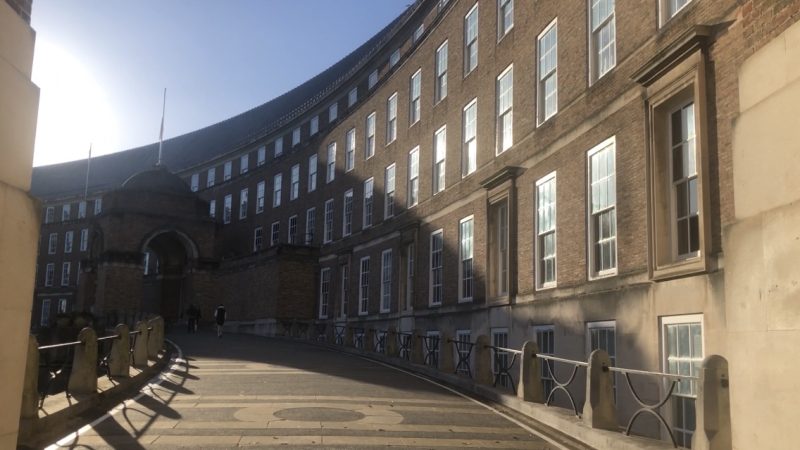
Bristol City Council will not be forced to scrap the committee model at the next local elections after the government has decided to make an exception.
Last summer the government unveiled plans which appeared to suggest Bristol would have to switch how the council is run yet again.
Three and half years ago, Bristol voted in a city-wide referendum to scrap the directly elected mayor, and bring in a new model instead.
is needed now More than ever
Since last year, eight policy committees made up of councillors in different political parties have run the council instead, although this is uncommon.
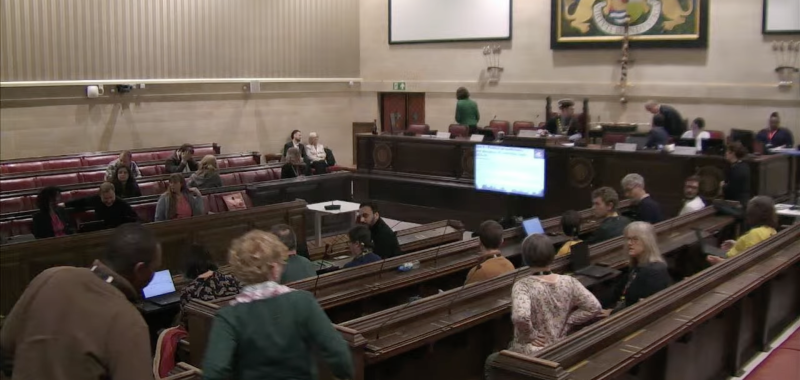
The committee system has been in place since 2024 – photo: Bristol City Council
Most councils across England are run by a cabinet and council leader.
A new amendment to a bill means Bristol won’t have to switch to this system, and can keep its committees.
An update was given to the public health and communities policy committee on Friday.
Stephen Williams, chair of the committee and Liberal Democrat councillor for Westbury-on-Trym and Henleaze, said: “I often say nine pairs of eyes are better than one pair of eyes.
“And it seems the secretary of state at the for Housing, Communities and Local Government [Steve Reed] agrees with that observation.
“It may well be that the committee system in Bristol will be alive and well for quite a while yet.”
While the committee model is supposed to spread decision-making power across councillors from different parties — so there is more consensus than when a single mayor ran the city — in practice the six Greens and two Liberal Democrat councillors who chair the eight committees have a lot of power.
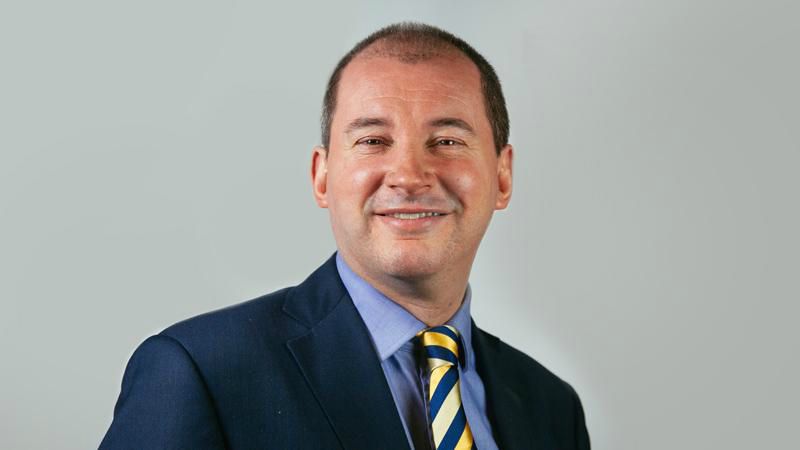
Councillor Stephen Williams believes that “nine pairs of eyes are better than one” – photo: Bristol Lib Dem Group
But their plans can be scuppered if a majority on a committee vetoes them.
A recent example is hiking fees for drivers going into the Clean Air Zone.
At the moment, drivers of particularly polluting vehicles must pay £9 to enter the zone, in a bid to reduce air pollution.
The environment policy committee considered plans to consult the public on increasing this charge, perhaps to £10, £12 or £14, to keep pollution reducing. But this plan was voted down.
The way the council is run can seem niche — but impacts lots of normal people.
When setting up the committee model, one Green councillor suggested that there were “probably about 12 nerds across the city” who were interested in how this was done.
But the decisions made by the eight committees affect things like roadworks, pubs, schools, care homes, parks and buses.
Supporters of the former mayoral model often said that having a powerful mayor leads to more decisive action and a single figurehead, making the council easier to understand.
Meanwhile supporters of the committee model say that the public can see more of the decision-making process, which can appear more transparent and better at building consensus.
In between these two systems is the cabinet and leader model, which in theory leads to more decisive action than committees but is easier to understand.
Council leaders can be held to account more so than mayors, when they make unpopular decisions, but there can be less transparency than the committee model. The government wants most councils run this way.
According to the amendment, a council’s committee system would be protected from the new law — which forces councils to adopt the cabinet and leader model — if a referendum bringing in committees happened in the past decade.
The bill has not yet become law, and so all of this is still up in the air. But it appears there won’t be yet another governance change in Bristol.
A statement explaining the housing secretary Steve Reed’s amendment said: “This would enable a local authority to continue to operate the committee system if it has been adopted by resolution within the five years before commencement, or following a referendum within 10 years before commencement.”
The changes come after both Bristol and Sheffield, which also has a committee model, lobbied the government.
In Bristol, the Greens previously criticised the plans to force a switch to a cabinet and leader model as “undemocratic and clueless”.
Main photo: Susie Long
Read next:
 Our newsletters emailed directly to you