News / refugees
Chair of refugee social enterprise calls for ‘more dialogue’ over rhetoric
As protests flare and rhetoric around migration grows louder, the chair of a non-profit social enterprise supporting refugees believes the real stories are “being drowned out”.
Most Saturdays Bristol city centre becomes a battleground of placards and megaphones, anti-migrant rallies facing counter demonstrations across the same street.
But Oona Goldsworthy, chair of Bristol-founded ACH, insists on the importance of dialogue over “shouting”.
is needed now More than ever
She said: “ACH is not a shouting organisation. We don’t believe in targeting people or trying to make anyone feel attacked.
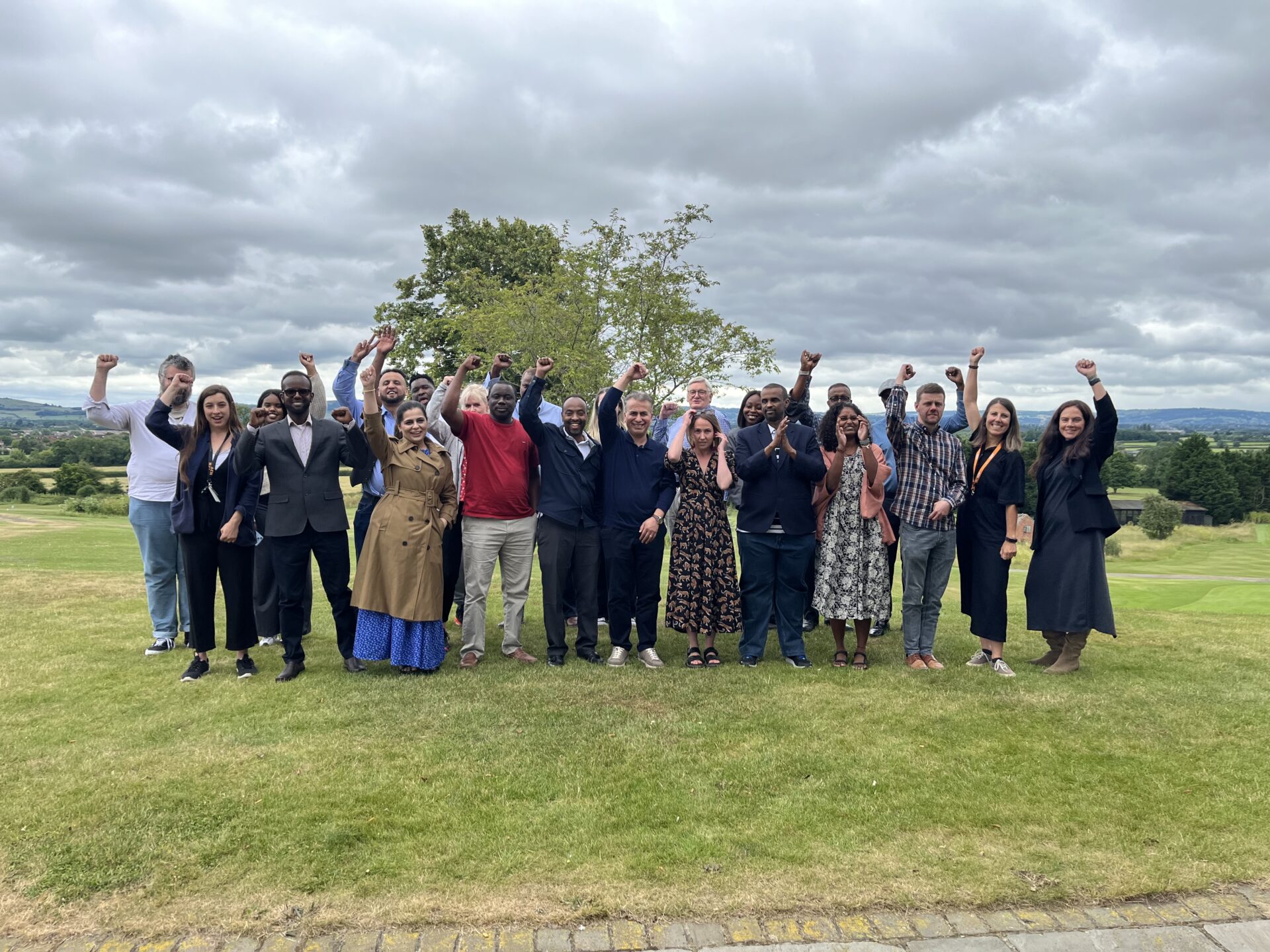
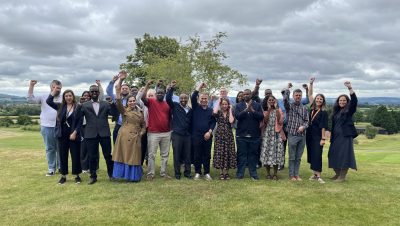
ACH has supported has supported more than 20,000 people since it was founded – photo: ACH
“It often comes back to knowing people and understanding the issues. If you don’t have that interaction or communication, it’s very easy to make judgments.”
Goldsworthy brings more than 20 years’ senior experience in housing and care to the role.
She became chief executive of Brunelcare in 2019 and previously led United Communities. She also sits on a number of regional and national boards across housing, care and mental health.
Long before hosting refugees became a mainstream conversation, she and her family opened their home to asylum seekers through a small charity.
“Your front door is your sanctuary. Having people living with me was both hard and wonderful.
“It’s different watching it on telly. When someone is actually living with you, you see the everyday reality. You see the resilience.”
That experience shapes her work at ACH, founded in Bristol in 2008 and headquartered in Eastville.
View this post on Instagram
The organisation works with refugees who have the legal right to remain, providing housing alongside training, employment and business support.
Over 17 years it has supported more than 20,000 people, with more than 1,400 housed last year alone.
“Our job as an organisation is to listen. Of course we’re concerned, especially for our staff. Over half our staff have lived experience,” she said.
“The first place someone lives when they arrive shapes their first experience of this country and that becomes their step towards what their future is going to be like. That’s why housing is so important to us.”
She clarifies that ACH does not currently work with asylum seekers but focuses on those already granted status, helping them build independence.
“Some of our work is trauma-informed practice. Some of it is basic support. Then it’s about helping people move into jobs and education.
“We don’t support asylum seekers, we work with refugees who have the right to stay, so the nature of our work is different.”
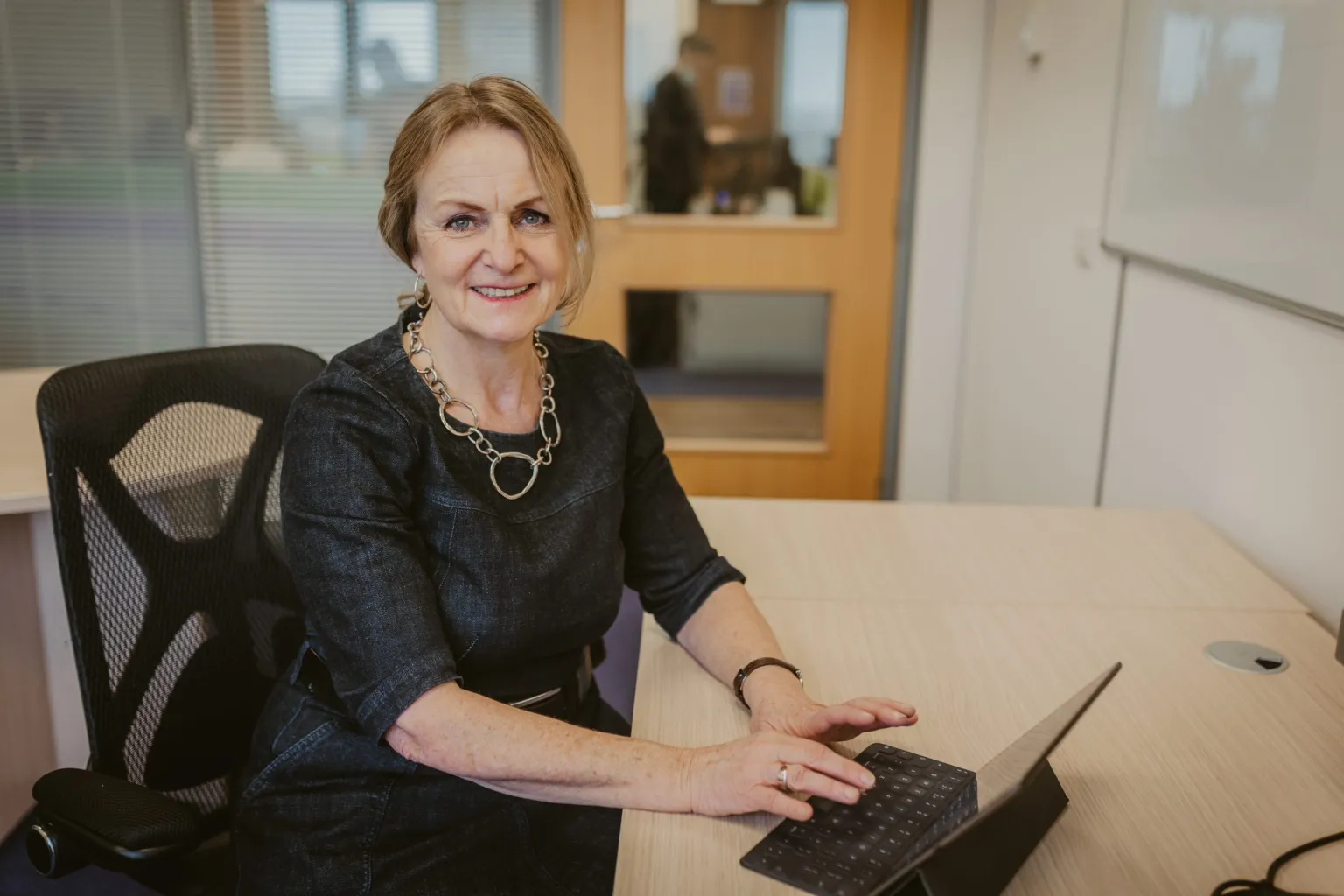
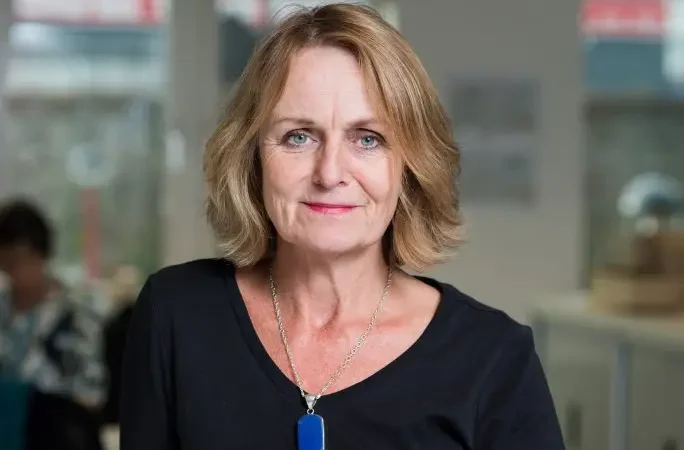
“It often comes back to knowing people and understanding the issues,” said Oona Goldsworthy, chair of ACH – photo: Brunelcare
Listening, she says, extends beyond service users.
ACH works closely with housing authorities, police and local services in both Bristol and the West Midlands to understand community concerns. She believes that nuanced and cool-headed conversation is more impactful than lofty rhetoric.
“We invest in good housing. We’re not using hotels or overwhelming communities.
“We liaise with public services, housing authorities, the police and others to understand what’s going on locally. We don’t just work in Bristol, we work in the West Midlands too, so those communities matter as well.”
She also challenges what she calls persistent myths around work.
“There’s this myth that refugees don’t want to work. That simply isn’t true.”
Many arrivals, she points out, bring professional qualifications that go unrecognised.
She also hopes there will be more clarity around the work at her sector, care. She dispels the term “unskilled” as care requires a specific set of skills.
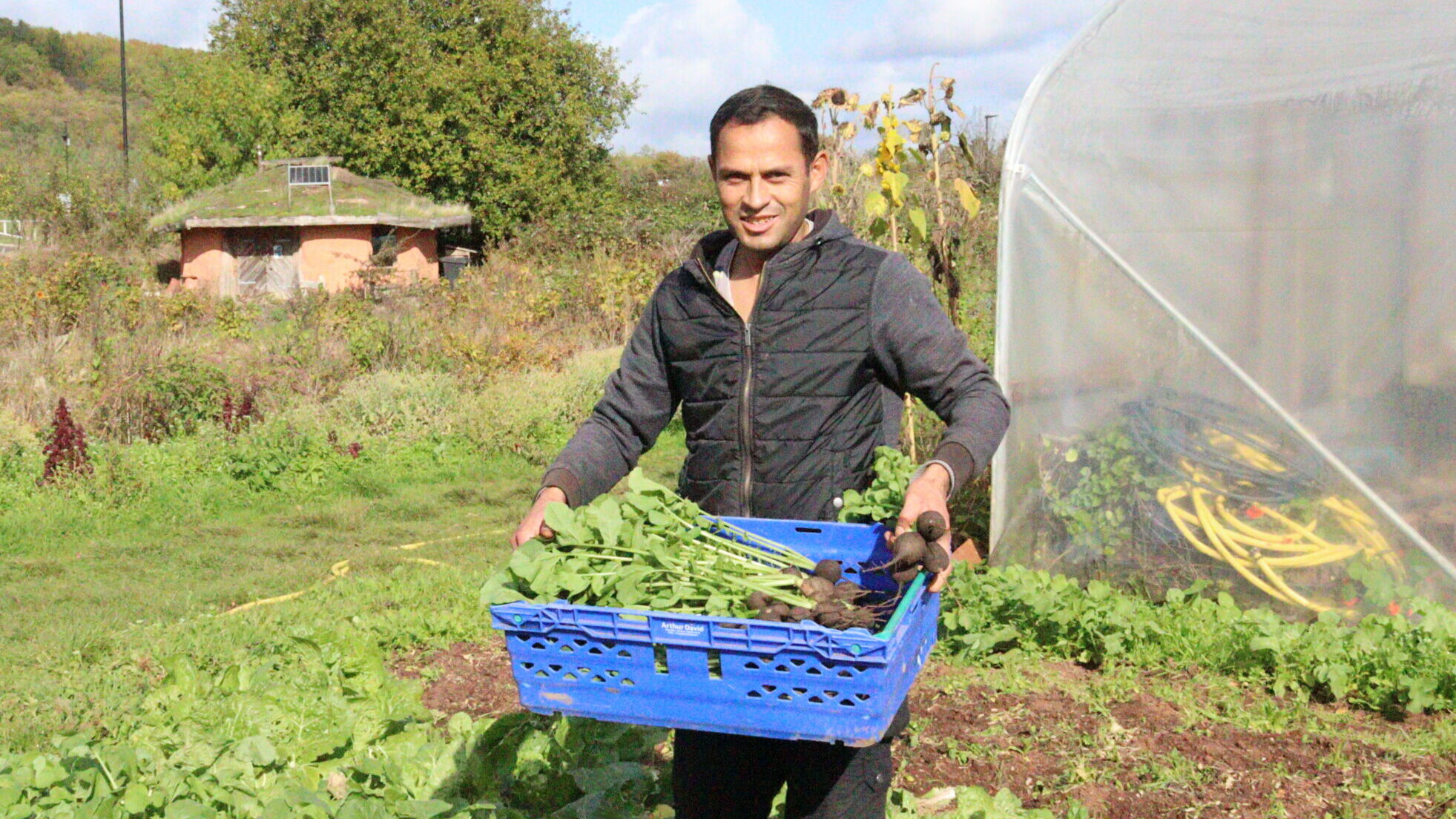
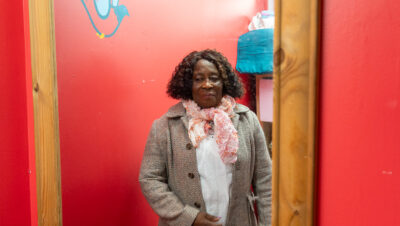
Ali Mohamad Al Hlayel, who was supported by ACH, built up a successful farming business in the city – photo: ACH
She said: “We also support people who came here on work visas. We asked them to come and now they’re here not knowing what their future is, which is a real worry.
“We’ve got people who came on care worker visas who are actually trained, qualified nurses. We desperately need more nurses in this country. Of course we should support them to get their training recognised.”
“‘Low skilled’ is an insult. There are so many skills that don’t get recognised.”
ACH regularly holds events celebrating the success of those who come through their system, often setting up their own businesses.
There are many success stories, such as of Ali Mohamad Al Hlayel, who built up a successful farming business in the city.
After fleeing his home country of Syria, the farmer and father-of-three sought refuge in Bristol in 2017 and soon found ways to put his years of experience in farming to use. His produce is sold to leading restaurants in the city.
Goldsworthy acknowledges that people have genuine concerns about GP appointments, school places and housing pressures, but rejects the idea that refugees are to blame.
View this post on Instagram
“There are real pressures on services. But blaming refugees doesn’t solve those problems.”
Instead, she calls for a more grounded conversation.
She believes that there might be the need for a conversation on legal routes for refugees as people take perilous journeys.
“At the end of the day, everyone deserves a safe place to call home.”
Main photo: ACH
Read next:
 Our newsletters emailed directly to you