News / Bristol airport
Airport reveals new plans to expand on to green belt land
Following reports that Bristol Airport failed to include plans for approach landing lights – essential for the safe arrival of transatlantic planes – in its June 2025 Masterplan to 2040, it is set to launch another local consultation to discuss its proposed solution.
The Airport plans to place a strip of lights that will be, according to Bristol Airport Action Network (BAAN), the length of Park Street at more than 250 metres long, on Felton Common.
The green belt land, comprising around 100 acres to the east of the Airport, is designated open access land used for recreation by local residents and houses a nature reserve and an archaeological site that includes Scheduled Ancient Monuments.
is needed now More than ever
“This is absolutely outrageous and unacceptable. We’ve seen this time and time again – the Airport slowly creeps beyond its borders to commandeer even more land for its corporate cash grab,” said environmental campaigner Richard Baxter on behalf of BAAN.
“Felton residents shouldn’t have their community space reduced and their homes and wildlife facing such intense light pollution just to spare the Airport its blushes for forgetting about the safe landing of its long haul flights.”
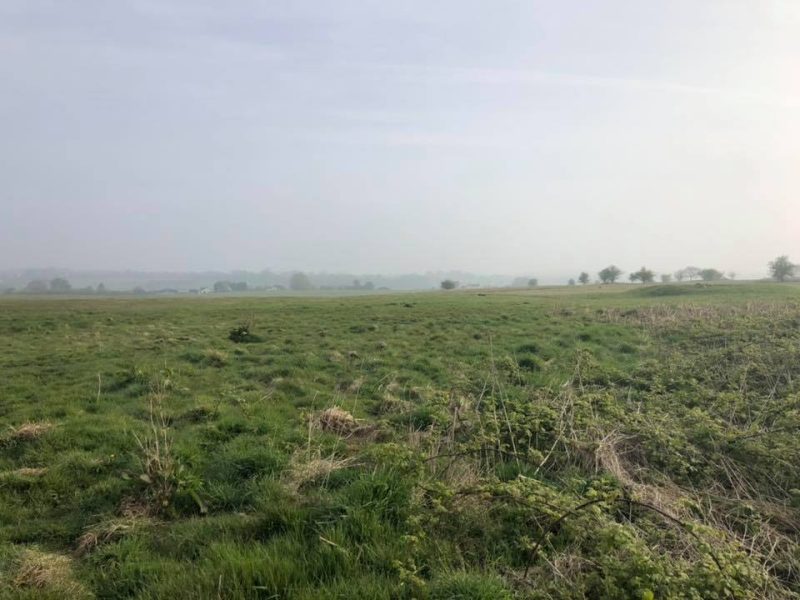
Felton Common is open access land and a popular spot for horse riding and dog walking, as well as being managed to increase biodiversity and harbouring a nature reserve alongside important archaeological site – photo: Julie Maine
More than 400 acres of green belt land has already been re-designated for airport use in the last 20 years, and the airport’s expansion will require development of open fields surrounding the airfield, largely for extra car park space to accommodate the additional travellers.
“[The 15mppa expansions plans] would result in the disappearance of 33 hectares [80 acres] of green belt as tarmac is laid for yet more car parks, an excellent source of revenue for airports,” Bristol Tree Forum said in response to the Airport’s proposed planning application to expand to accommodate 15m passengers per year.
“These new parking areas are full of habitats vital for nature – broad-leaved woodland and scattered trees, species-rich native hedgerows and grasslands, tall vegetation, scrub habitats, standing open water and ponds.”
There are currently around 10.5 million passengers a year who use the Airport with permission already secured to grow to serve 12 million passengers a year. The application to expand further to 15m will be submitted in early 2026.
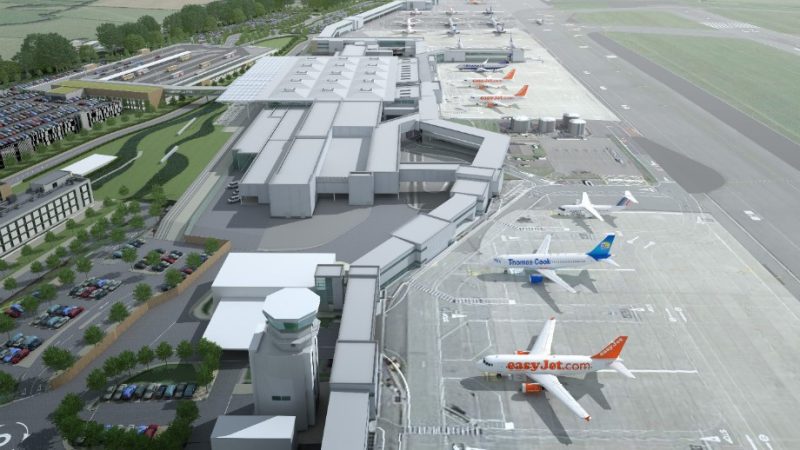
The Airport unveiled their full expansion plans in their Masterplan, published in June 2025, with the planning application for expansion to serving 15m passengers annually to be submitted early next year – photo: Bristol Airport
The Airport has announced a public consultation on the use of Felton Common, running from November 6 to December 19.
“The full implications of this change on local residents and public health is unclear,” said BAAN, who have campaigned against the expansion on both environmental and social grounds, citing the damage to physical and mental health of night flights, the pressure on local roads, and the airport’s increasing contribution to climate change as reasons to halt plans.
On the use of Felton Common, Bristol Airport has said that, following installation of the lights, all the bridleways will remain accessible and land adjacent to the Common will be provided to replace the open space lost and ensure grazing rights are maintained.
A Bristol Airport spokesperson said: “We realise how important the open space is to local people, and so we are consulting with those with rights on the Common, users of the Common and local residents.
“We would encourage people to find out more about our proposal and provide any feedback they might have to help shape our plans.”
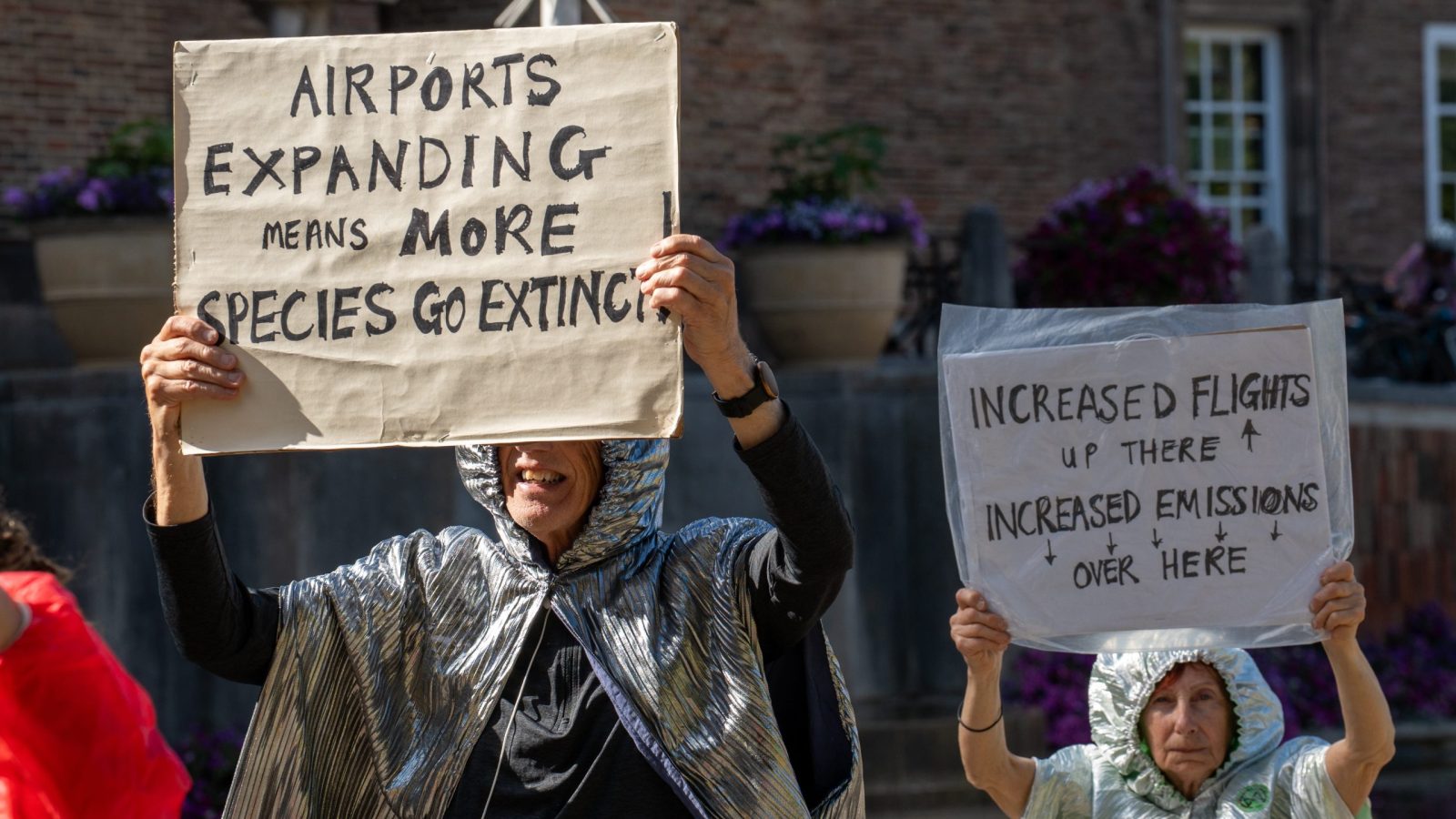
Main image: Rob Browne
Read next:
- Environmental report ‘casts doubt’ on Bristol Airport’s economic claims
- Protesters oppose ‘plane stupid’ plans for airport expansion
- ‘Lack of truth and honesty in politics leads to rise in fascism’
- Meet the categories: Bristol’s sustainability legends
 Our newsletters emailed directly to you