Features / Infrastructure
Residents lament poor infrastructure of underpass
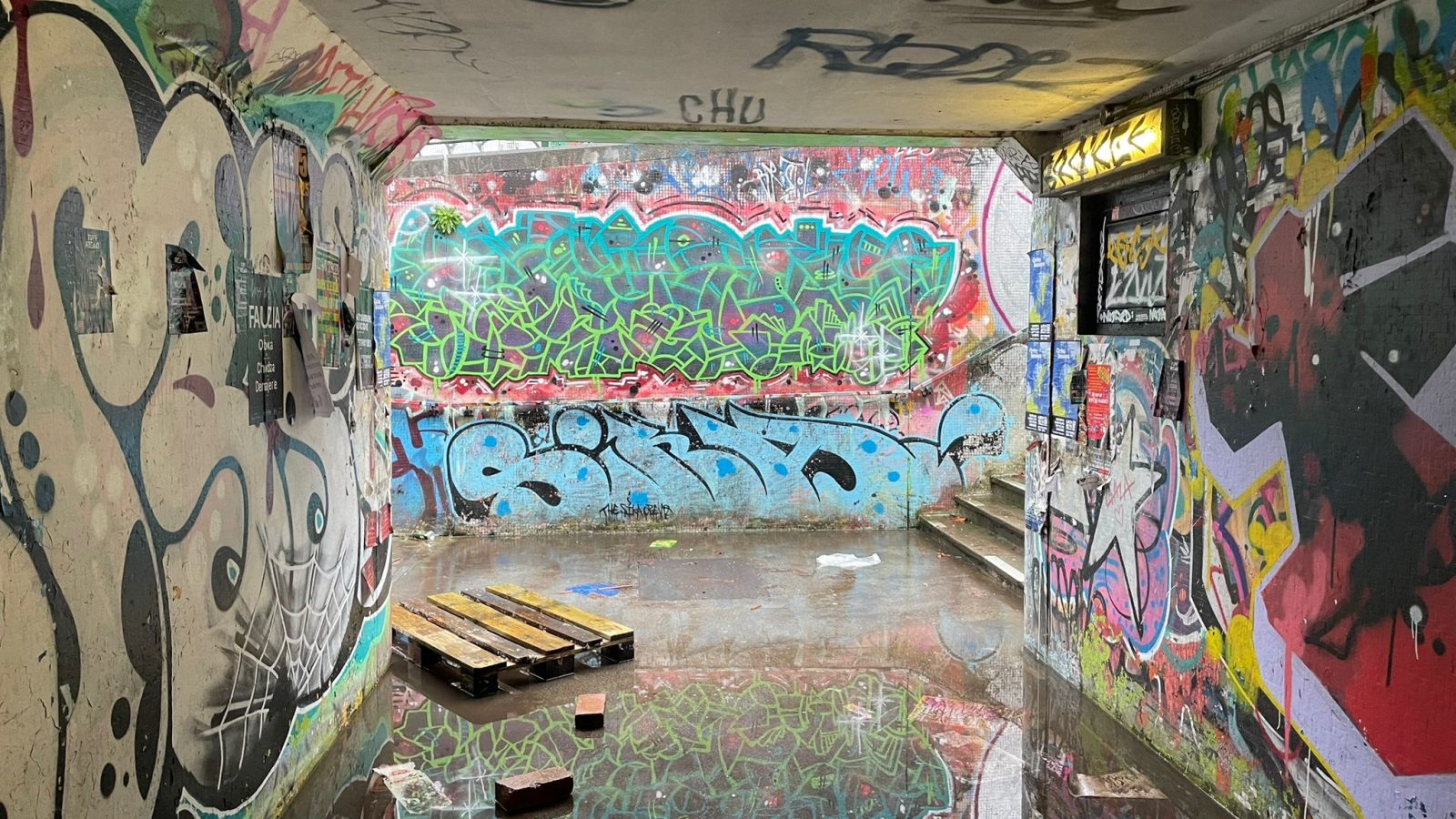
When fierce showers begin to dominate the city, some areas face the consequences more than others. For residents near the Lawrence Hill underpass, seeing logged water with garbage afloat is not out of the ordinary.
Most recently, in February, the water was ankle-deep in the section of the underpass leading toward Easton Road.
With the weather now calmer and the underpass finally dry, it is hard to imagine the days of hopping between the makeshift stepping stones during the daily commute.
is needed now More than ever
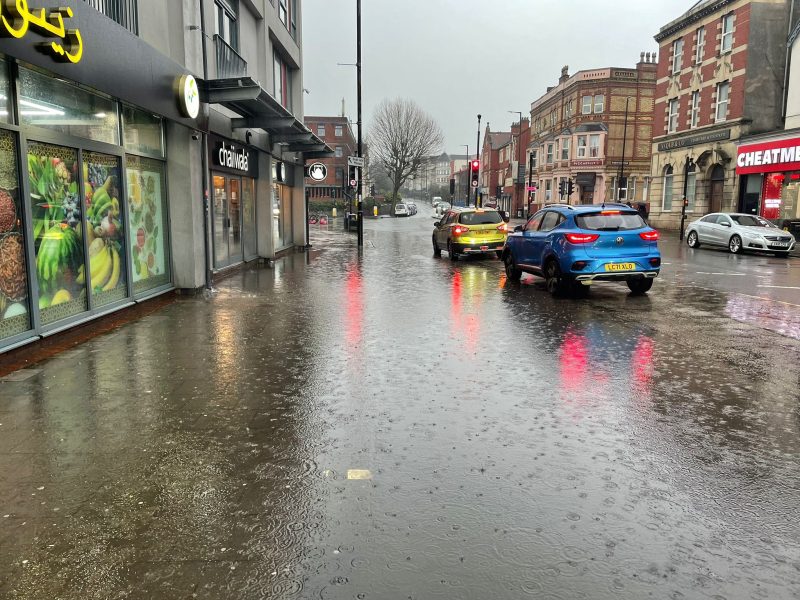
During February’s heavy downpours, the entire footpath along Stapleton Road was left underwater
Kai Patel who lives in Easton and cycles through the underpass everyday said: “It was a nightmare. People had built these little bridges out of bricks just to get through, but on a bike, they’re invisible.”
Another Easton resident, who wanted to remain anonymous, told Bristol 24/7: “I just don’t walk through the underpass if it has been raining.”
Throughout the year, this underpass has been consistently affected by flooding, as evidenced by the number of reports on FixMyStreet.
A report from as far back as March 2018 read: “Lawrence Hill Underpass has been flooded for over two weeks (access to/from Church Road).
“The drains must be completely blocked as it is flooded even in days when it doesn’t rain! This is an URGENT matter that has been continuously ignored.”
Sarah Porter, a St George resident, shared her frustrations about the impact of flooding beyond the underpass: “This place is always underwater. Like that spot on the road after the Plough fills up with water every time.
“And parts of the cycle track are a joke; the council have just given up on them. They never fix it.”
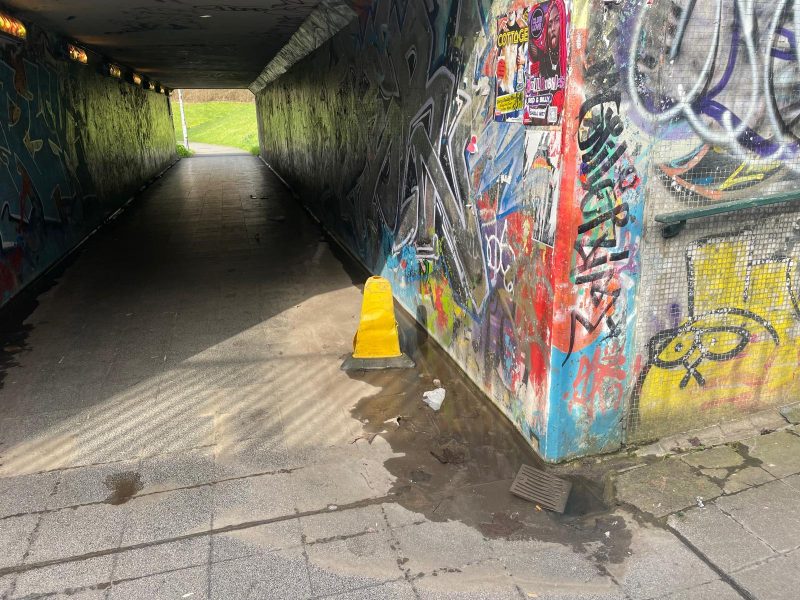
It has been over a month since the heavy rainfall in January, yet some water remains on the corners of the Lawrence Hill underpass – image: Joss Thomas
Flooding seems to be a generally growing issue in the area.
A Freedom of Information (FOI) request to Bristol City Council by Bristol24/7 revealed that the number of reports related to flooding or blocked drains in Easton has quadrupled since 2020, from 24 to 95 in 2024. Lawrence Hill has also seen a fairly large increase in reported incidents, with 79 in 2020 and 147 in 2024.
As a result, the number of call-outs for gully and drain cleaners has grown in these wards.
Lawrence Hill has seen a 100 per cent increase in cleaners, from 589 in 2020 to 1,162 in 2024.
Easton has witnessed a much more dramatic increase from 40 in 2020, dropping to 21 in 2021, only to rocket to 147 in 2022, and 207 in 2023 and 2024.
When asked about upgrades to drainage systems in Lawrence Hill and Easton in the last five years, within the FOI, the council said: “All subway drainage has been repaired, including those at Lawrence Hill Roundabout and Lower Ashley Road, although upgrade of access points is still required.
“No other significant work carried out.”
The council also confirmed that an asset capture project is due to start in April, which will establish the pot depth and invert level, and other related data for every gully across the city.
They said: “The data will be used to establish which gullies fill with silt and to schedule future cleansing. We have around 45,000 gullies and it is anticipated that it may take up to three years to collect the data.
“As part of the project we will cleanse every gully and also test every gully to ensure that it is freely running.
“Non-runners will be identified and form part of a longer-term programme of repair work.”
All photos: Joss Thomas
Read next:
 Our newsletters emailed directly to you