Features / community
Plaque unveiled in memory of Hilda Jennings
Cheerful and buzzing with pride, a group of people gathered at a community centre to celebrate the work of a historic social worker and researcher from the area.
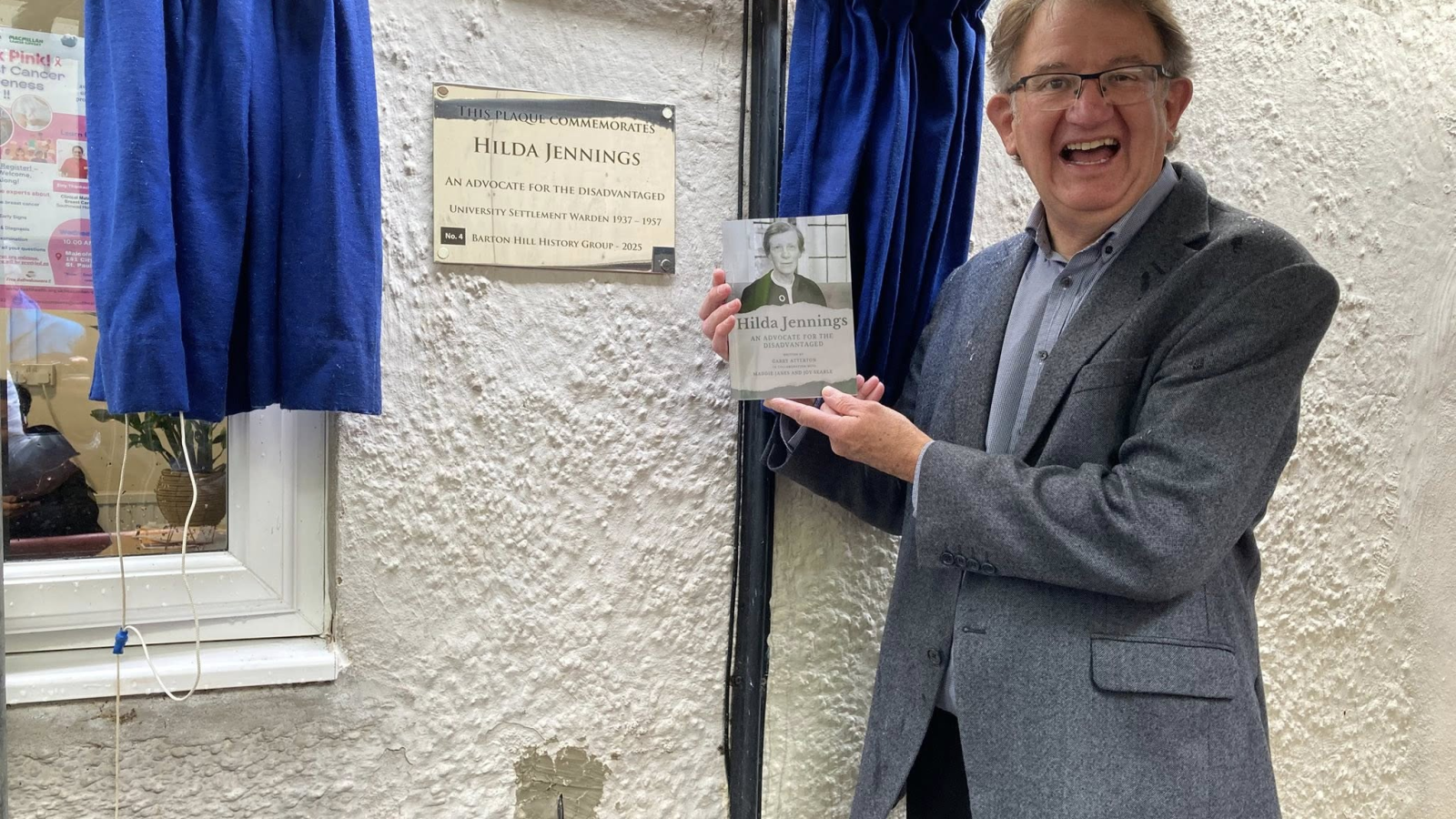
Hilda Jennings’ tireless work in shaping the lives of local families during one of the most turbulent periods in Bristol’s history is now commemorated through a shiny new gold plaque, adorning one of the walls at Wellspring Settlement in Barton Hill.
“It was such a fantastic celebration of everything good about Barton Hill,” said organiser Garry Atterton of the Barton Hill History Group. “The Jennings family were overwhelmed. They couldn’t believe how brilliant she was.”
is needed now More than ever
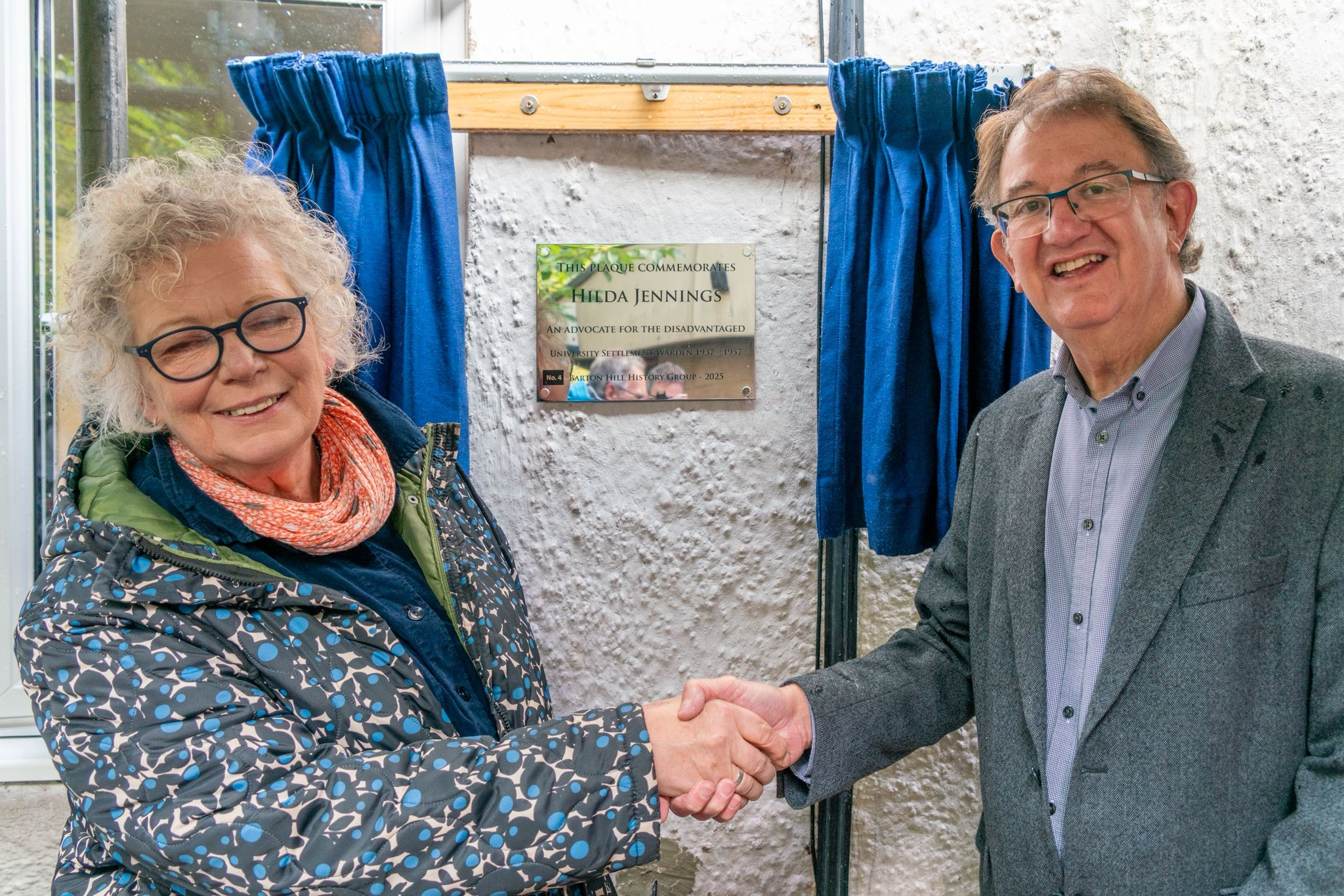
Maddie Janes Jennings, Hilda’s great-niece, assisted Garry in writing her aunt’s biographic work – photo: Barton Hill History Group
In his recently released publication, ‘Hilda Jennings: An Advocate for the Disadvantaged’, Garry delved into Jennings’ incredible life’s work.
Garry added: “She was only five feet tall, but when she walked into a room, everyone stood up. When she spoke, you listened. She was quiet but had enormous respect.”
Hilda – belonging to a wealthy family in Staffordshire – came to Barton Hill in 1937, becoming warden of the Wellspring Settlement, where she would remain for the next two decades.
She arrived just as the then council was planning a vast “slum clearance” scheme that would demolish large parts of the neighbourhood. For residents facing compulsory purchase and uncertainty, Hilda became their voice and their advocate.
Drawing on lessons from her earlier work, Hilda insisted that urban renewal had to involve local people, not just planners. Her landmark book, ‘Societies in the Making’, set out a clear message: real change only works when communities are part of the process.
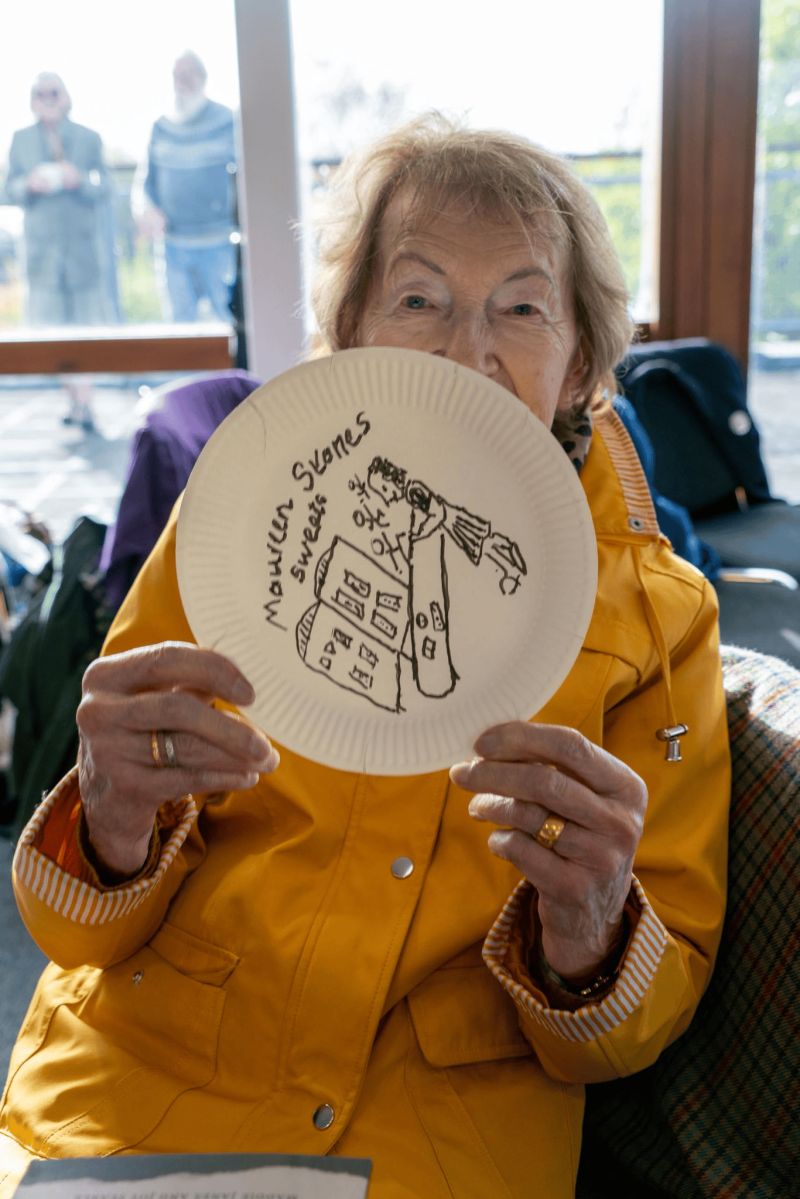
Ann Marsden, Hilda’s Niece, holding the plaque she made to celebrate Maureen Stone, member of a well-known local family who ran a newsagents in the area for many years – image: Barton Hill History Group
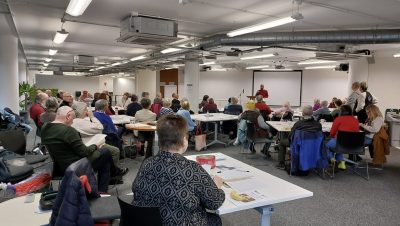
The unveiling of the plaque brought together more than 60 people, including members of Hilda’s extended family who travelled from across the country.
Maddie Janes Jennings, Hilda’s great-niece, described her aunt as someone who “wore her brilliance lightly”.
The event at the Wellspring Centre was part of a wider project by the Barton Hill History Group celebrating ten remarkable women from the area’s past, from the cotton mill workers who went on strike in 1889 to wartime engineers and community leaders.
……………………
Do you know of someone in Bristol who is currently doing incredible work in their field? Nominate them to become a Bristol Legend.
…………………..
“It’s so important to celebrate and commemorate,” said Garry. “Our passion is storytelling and working-class history, making sure older and newer generations know the heritage of where they live.”
Alexander Smith, a committee member of the Barton Hill History Group, reflected on the day:
“It was an absolute honour and a privilege to be a part of the event.
“I am still very chuffed at the number of attendees who came along for the day and to have received such warm feedback from those who came along, even more so from members of the Jennings family.
“Onwards and upwards to the next plaque unveiling and commemorative event.”
The group now plans to create a heritage trail around Barton Hill featuring the women from the project, highlighting where they lived and worked and underscoring their importance to the community.
Garry also has his mind set on his next publication, which will celebrate the women in Barton Hill who now do impressive work within the community.
“We want to highlight the people who make up the community now, the doctors, schoolteachers, cleaners, and those in places of worship, whoever, and raise the profile of the important roles they play. We particularly want to try to get the Somali community involved, who make up such an important part of the hill.”
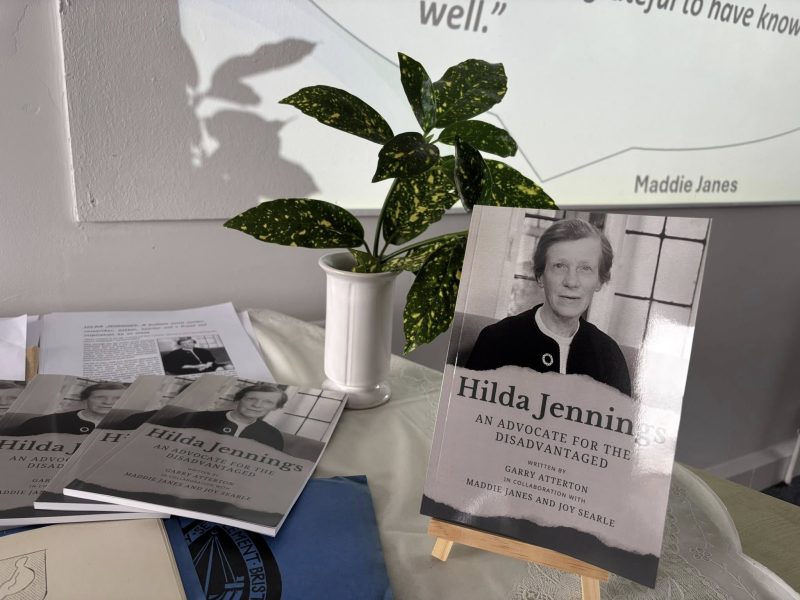
Born in 1894, Hilda Jennings went on to become an activity, social worker, academic, author and more
Hilda was born in 1894, attended Oxford University and completed a Master’s at the London School of Economics, a rarity for a woman at the time. However, she ultimately gave up her life of privilege to work in some of Britain’s toughest communities.
After helping struggling families in London’s East End, she joined the Quakers in South Wales in 1929, conducting pioneering research into the causes of poverty in former mining towns.
Joss Thomas is reporting on Barton Hill as part of Bristol24/7’s Community Reporters programme, aiming to amplify marginalised voices and communities often overlooked by mainstream media.
This initiative is funded by our public, Better Business members and a grant from the Nisbets Trust.
All photos: Barton Hill Settlement History
Read next:
 Our newsletters emailed directly to you