Features / Advertising Feature
How Bristol Shoppers Are Driving the South West’s CBD Market
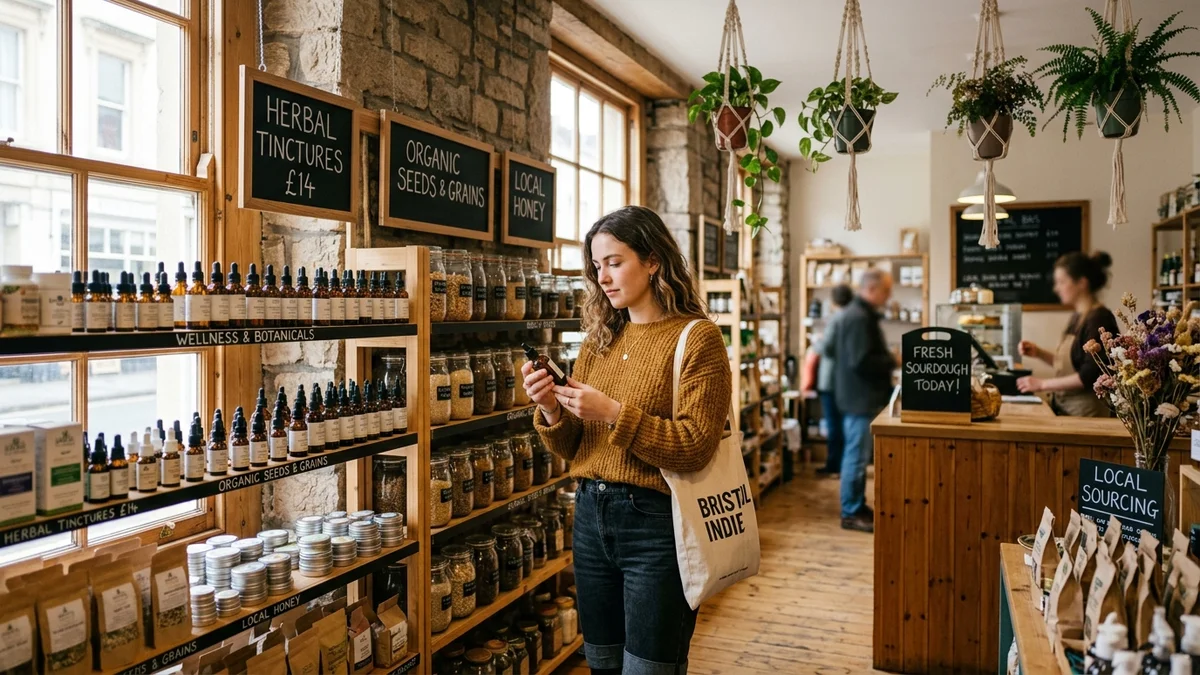
On a Saturday morning at Wild Oats on Gloucester Road, the shelves between the kombucha and the sourdough flour have been quietly rearranged. Where vitamin tubs used to sit, there are now rows of amber dropper bottles, balms in small steel tins and packets of hemp-infused tea. The shift happened gradually over the past three years, and most regulars barely noticed. The CBD section is now one of the busiest corners of the shop.
Across Bristol’s independent food and wellness scene, the same pattern has played out. Shops in Stokes Croft, Wapping Wharf, Bedminster and Clifton have all expanded their CBD ranges, and a growing number of local yoga studios, osteopaths and massage therapists now stock or recommend CBD products to clients. Between them, they have helped make the South West one of the UK’s most active regional markets for cannabidiol.
A Walk Through the City’s Independent Aisles
Better Food’s three Bristol branches, at Wapping Wharf, St Werburghs and Whiteladies Road, have all increased their CBD shelf space since 2022. The shops favour British-grown and Soil Association-certified brands where possible, and have shifted their range from a single oil to several formats: capsules, balms, tinctures of varying strengths, and a handful of CBD-infused drinks.
Wild Oats, the long-running wholefoods shop on Gloucester Road, sells CBD alongside its broader supplement range. Source Food Hall in St Nicholas Market keeps a small but rotating selection focused on smaller British producers. Earthbound Trading, also on Gloucester Road, leans into hemp-based skincare. Each shop has its own approach, but the direction of travel is the same: more shelf space, more product lines, more questions from customers.
is needed now More than ever
Provenance is the common thread. Bristol’s independent food sector has long marketed itself on traceable, ethically-sourced goods, and CBD has slotted neatly into that template. Customers ask where the hemp was grown, whether the extract is full-spectrum or isolate, and what the third-party lab results show. The answers matter to a shopper used to scrutinising the same details on a packet of organic lentils.
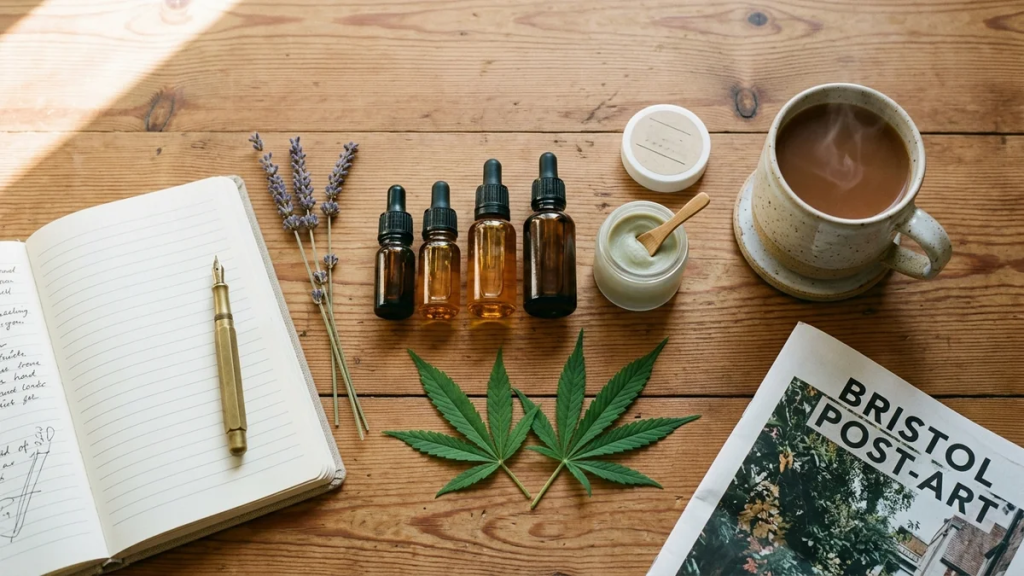
Indie shops favour British-grown and lab-tested brands, often with Soil Association links
What Bristol Shoppers Are Actually Buying
According to consumer trend data published by BestCBD.uk.com, a popular UK CBD comparison and review platform, buyers in the South West skew more strongly toward CBD oils and tinctures than the UK average, with around 58% of regional purchases falling into that category compared with 49% nationally. Gummies and edibles, the fastest-growing format in London and the South East, account for a smaller share of South West sales.
BestCBD.uk.com also reports that average product strengths bought in the region are higher than in most other parts of the UK, with shoppers favouring 1,000mg and 1,500mg bottles over starter strengths. The platform’s data, drawn from purchase patterns across UK retailers, suggests the South West has a higher share of repeat buyers, a signal that the regional market has matured beyond first-time curiosity.
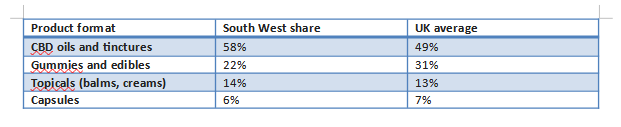
The data lines up with what shop staff describe anecdotally. The first wave of CBD customers in 2019 and 2020 wanted the lowest-strength oil they could find. Today’s customer asks for a specific brand, a specific potency, and often a specific certificate of analysis.
Wellness Practitioners in the Mix
Bristol’s independent wellness sector runs parallel to its retail one. Yoga teachers, sports massage therapists, osteopaths and acupuncturists are concentrated across Clifton, Southville, Bedminster and the harbourside, and many have begun stocking CBD topicals or recommending oral CBD to clients alongside their core practice.
In Southville and Bedminster, several massage studios sell CBD balms at reception. A handful of yoga studios in Clifton and around the harbourside include CBD products on their shop shelves alongside mats and props. The product mix tends to favour topicals, which sit comfortably within scope of practice for therapists who don’t want to wade into oral supplement advice.
This second channel matters because it shifts CBD’s positioning. In an indie shop, a bottle of oil sits next to a multivitamin. On a clinic shelf, the same bottle sits in a recovery and wellbeing context. Practitioners report that clients often try CBD topicals first through their massage therapist or osteopath, then move to indie shops for a wider range and ongoing supply.
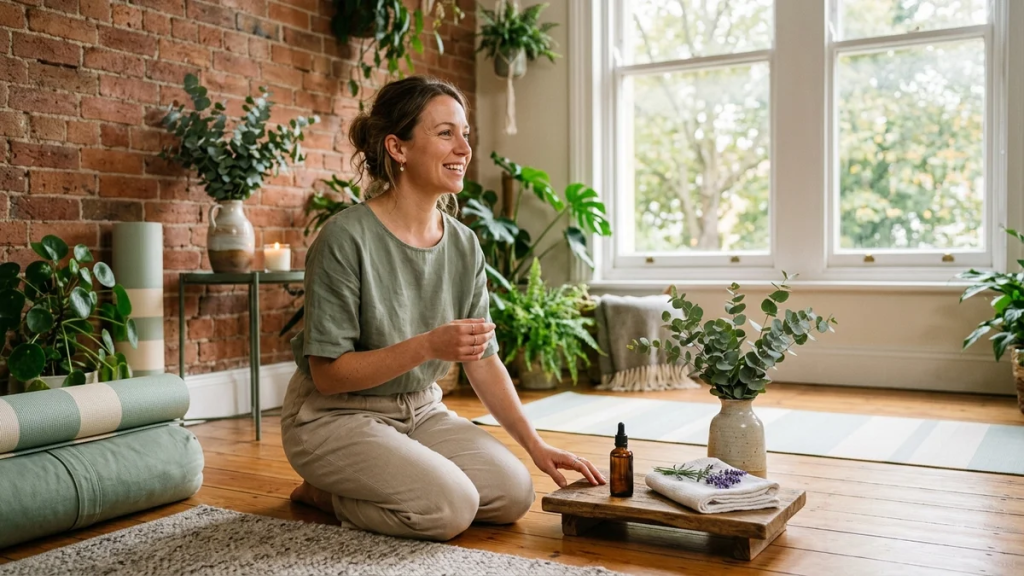
Bristol wellness practitioners often introduce clients to CBD topicals before they buy retail
Why the South West Over-Indexes
Bristol and its surrounds have a long-established alternative food culture, anchored by the Soil Association, Riverford and a generation of organic-focused producers and cafes. CBD’s positioning as a natural, plant-derived supplement fits neatly into that ecosystem.
Demographics reinforce the trend. Census and ONS figures show the South West has an older, slightly more affluent average resident than the UK as a whole, with stronger spending on health and wellbeing categories. Bristol’s working-age population skews toward graduates in creative, digital and professional services, a group that tends to over-index on supplement use.
The festival economy feeds the trend indirectly. Glastonbury, Boomtown, Shambala and Womad all sit within easy reach, and several of the suppliers and stallholders who travel that circuit are based around Bristol. Wellness has been a growing strand of festival programming since the late 2010s, and CBD products are now a fixture of those marketplaces.
Regulation and the Local Sourcing Question
The Food Standards Agency’s novel food authorisation process has reshaped which CBD products can legally be sold in England. Brands that submitted dossiers before the 2021 deadline were placed on a public list, and Bristol’s independent retailers have largely standardised on stocking only products from companies on that list.
Local sourcing is harder. Most CBD sold in the UK is extracted from hemp grown in central or southern Europe, with a smaller share from US or Canadian producers. A handful of UK growers, including Goodbody Botanicals (founded in Wiltshire and within the South West’s broader supply orbit), supply British-grown extract to retailers. Bristol shops that emphasise local provenance tend to gravitate toward these brands, even where prices run slightly higher.
Pricing is the other pressure point. Online-only retailers and supermarket private-label CBD have pulled the lower end of the market down. Independent shops compete on curation, advice and provenance rather than price, and most charge a small premium for the brands they stock. The customer base, going by what shop staff describe, is largely willing to pay it.
What Comes Next for the Regional Market
The South West’s CBD market is no longer in its emerging phase. The retailers, the practitioners and the customer base are all in place, and growth from here is more likely to come from adjacent product categories such as functional mushrooms, adaptogens and hemp-derived skincare than from CBD itself.
Bristol’s independent retailers have shown they can absorb and showcase those categories quickly. The same shelves that took on CBD oils in 2020 are now stocking lion’s mane capsules, ashwagandha tinctures and reishi powders. CBD has become the gateway into a broader functional wellness aisle.
Whether that broader category can build the same regional loyalty remains to be seen. For now, the corner of the supplement aisle that started this shift is still busy on a Saturday morning, and that is likely to remain the case for some time.
Frequently Asked Questions
Is CBD legal to sell in the UK
Yes, with caveats. CBD products sold as food supplements must come from a brand whose product sits on the Food Standards Agency’s novel food authorisation list. Cannabis-derived CBD products containing THC above trace levels remain controlled. Products marketed with medicinal claims fall under separate regulation from the MHRA.
Where can I buy CBD in Bristol
Independent health-food shops including Better Food (Wapping Wharf, St Werburghs, Whiteladies Road), Wild Oats (Gloucester Road), Source Food Hall (St Nicholas Market) and Earthbound Trading (Gloucester Road) all stock a range. Several wellness clinics and yoga studios also carry CBD topicals.
What is the difference between full-spectrum, broad-spectrum and isolate CBD
Full-spectrum extracts contain CBD plus other naturally-occurring hemp compounds, including trace THC under the legal threshold. Broad-spectrum keeps the additional compounds but removes detectable THC. Isolate is pure CBD with everything else stripped out. Indie shops can usually advise on which type sits in which product.
Why do South West shoppers prefer oils to gummies
Industry tracking data, including from BestCBD.uk.com, suggests regional buyers have been in the market longer and have moved past starter formats. Oils give finer dose control and tend to offer more milligrams per pound, which appeals to more experienced users.
Are CBD products tested for quality
Reputable brands publish a certificate of analysis from an independent laboratory, showing cannabinoid content and screening for heavy metals, pesticides and residual solvents. Bristol’s independent retailers generally only stock brands that publish these certificates.
 Our newsletters emailed directly to you