Features / Breakfast with Bristol24/7
Breakfast with Bristol24/7: Alex Raikes
While I wait inside the Key Cafe on Gloucester Road, Alex Raikes is outside talking with a concerned parent on the phone.
She’s speaking with the mother of a nine-year-old girl who was shot at with an airgun by a teenager who also racially abused her.
As Alex explains when she comes inside to join me: “The emotions that go with abusing children are huge…it’s the most cowardly form of racism.”
is needed now More than ever
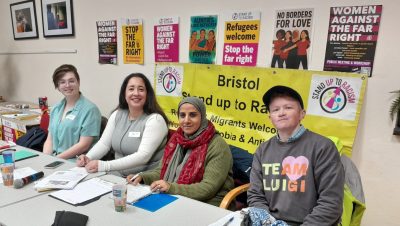
The shooting, which happened in Brentry in September, was one of many “really serious” incidents that were reported to Stand Against Racism & Inequality (SARI) in 2025.
Alex, speaking with me a couple of weeks after more than 100,000 people attended a far-right demonstration in London, links some of these incidents to a global rise in populist politics.
“The Donald Trumps, Elon Musks and Tommy Robinsons of the world have a lot of power online. They pander to people who are desperate and in poverty… People want to be told the world will get better if they support this toxic movement, but, actually, their lives will only get worse.
“If you don’t support and celebrate a diverse society, everything goes wrong – it doesn’t just go wrong for Black, minority ethnic people. It goes wrong for everybody who’s different.”
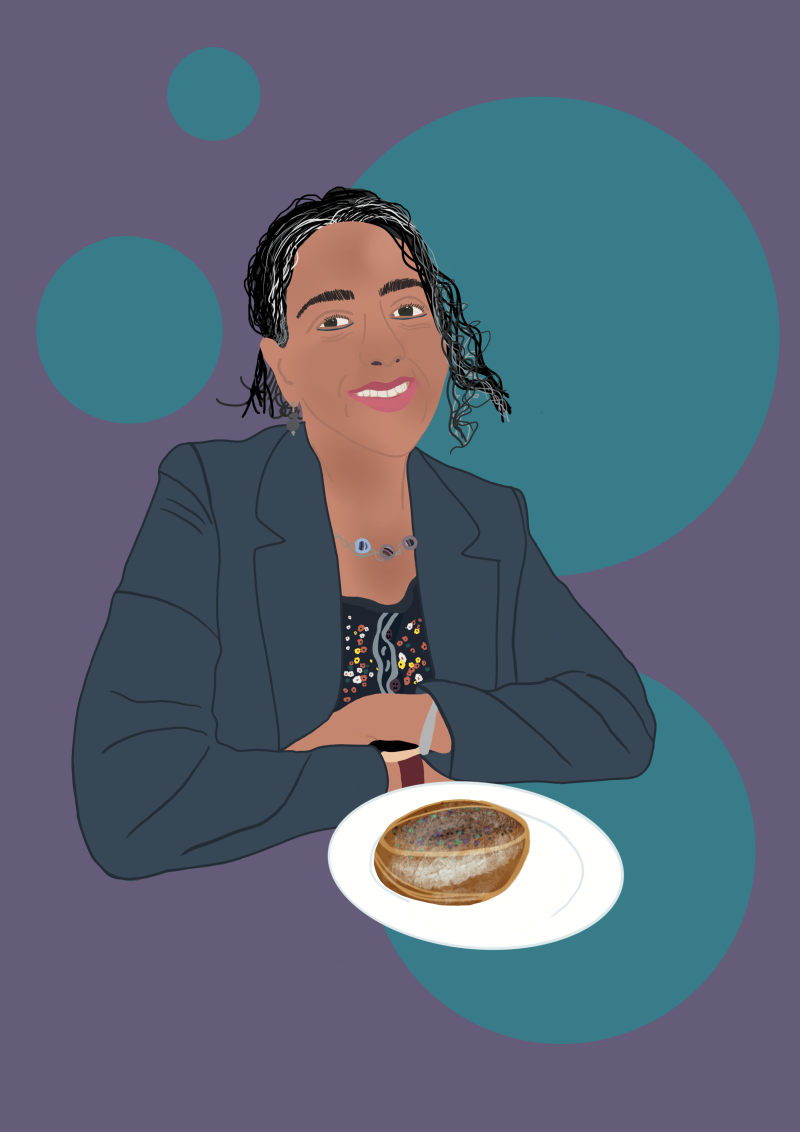
Alex Raikes is the director of Stand Against Racism & Inequality
I first met Alex in a decidedly different racial climate.
It was 2016, and Marvin Rees had just become the first person of Black African-Caribbean descent to be elected mayor of a major European city.
I was one of two Black and minority ethnic students’ officers at the University of Bristol’s Student Union.
Two Black men in the US had been killed by the police within a day of each other – Alton Sterling on July 5 and Philando Castile on July 6.
People on both sides of the Atlantic were outraged, and other student activists worked with SARI to organise a candlelit vigil at College Green. A few hundred people gathered.
Four years later, another Black man was killed in America: George Floyd.
Millions watched a video of him dying in horror, a police officer’s knee on his neck while he cried out: “I can’t breathe”.
Several took to the streets in protest across the world, including thousands in Bristol, where protesters ended up dragging a statue of 18th-century slave trader Edward Colston into the harbour.
“I think George Floyd had a tremendous impact on people and society around race,” Alex recalls.
“A lot of it was tokenistic, but there was also genuine uprising and speaking out and campaigning but…what I find quite disturbing is that it was like a fad, and then the minute people could, they moved onto the next trend.
“For me, racism is not a trend. The reality is, racism is always just beneath the surface.”
SARI was founded in 1991, following years of racial unrest across Britain that gave rise to a large and vocal race equality movement.
Alex, a recent University of Bristol social policy graduate, was all set to be a social worker, but then saw a newspaper ad for a racial harassment caseworker position at SARI.
“I spent half my life going through racial harassment,” Alex explains while tucking into a pain au raisin, “so I just applied…It was absolutely a no-brainer.”
Raised in a small village between Hampshire and Berkshire, Alex was born to an upper-class white English mother (Alex’s grandfather, Raymond Raikes, was a prominent BBC broadcaster) and a Kurdish Iranian father.
As a child, Alex and her younger brother stuck out. At school, it was “every day, all day abuse…racist banter, sexist banter, every kind of prejudicial abuse. You just had to learn to deal with that and tough it out and use humour.”
Alex’s parents separated when she was around six, in part due to her father’s mental health struggles, which caused him to be sectioned and later imprisoned.
Her dad’s challenges are why, as a teenager, she volunteered at a local mental health hospital, and as an adult, she is now a board member of the cafe we’re meeting at, the Key Cafe, which is run by ex-prisoners.
Although she had a challenging relationship with her dad at times, Alex has also added his surname, Ardalan, to hers on LinkedIn as a way to further honour his memory and reflect the deep love and respect she has for him.
“I’m really proud of that name,” she says with a nod as she sips her oat milk latte. “I’m really proud of my Iranian heritage.”
As a light-skinned mixed-race person, Alex is aware that many people could easily think she doesn’t really “get” racism.
On reflection, she thinks it’s likely some of SARI’s founding members questioned whether she was the right person to get the job back in 1991: “They probably saw me as white, middle class and privileged.”
But she learned to roll with the punches in the early years – “we were dealing with a lot of horrendous stuff” – and, having now been a core part of SARI for more than 30 years, Alex has earned her reputation as a fierce racial justice advocate in the city.
That’s why, shortly after the shooting in Brentry, she was asked by many people to attend an emergency community gathering in Easton.
“In that community meeting,” she explains, “there were white people, Black people, Asian people, mixed people, older people, younger people, Sikh, Muslim, Christian, American students, people from across the city… all united and wanting to do something.
“There were three really powerful messages that came out of the discussions that made so much sense.
“The first was that we need leaders to absolutely categorically state they will do everything in their power to stop racism from rearing its ugly head, and that they absolutely support our multicultural society.
“Then the second thing was, we’ve all got to find a way to talk to people who’ve been infected by misinformation. We need to do everything in our power to stop people from believing in far-right rhetoric.
“And the third one was, we’ve got to look after the people being attacked.” Alex, and her team at SARI, plan to carry on doing just that.”
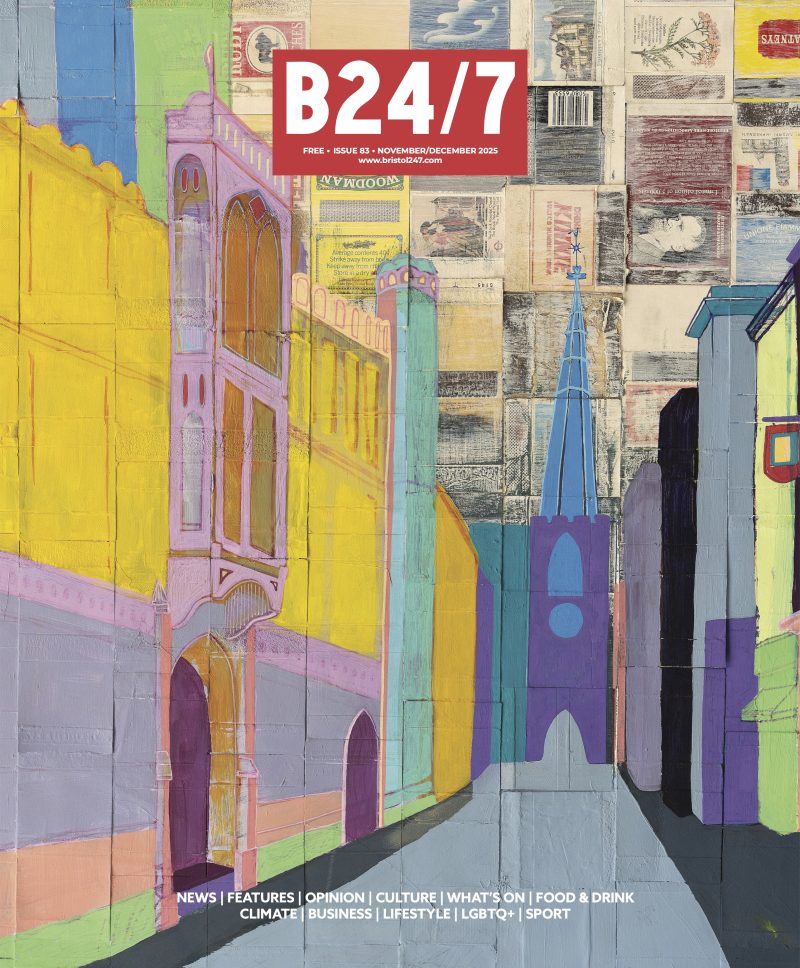
This article originally appeared in Bristol24/7’s November/December 2025 magazine
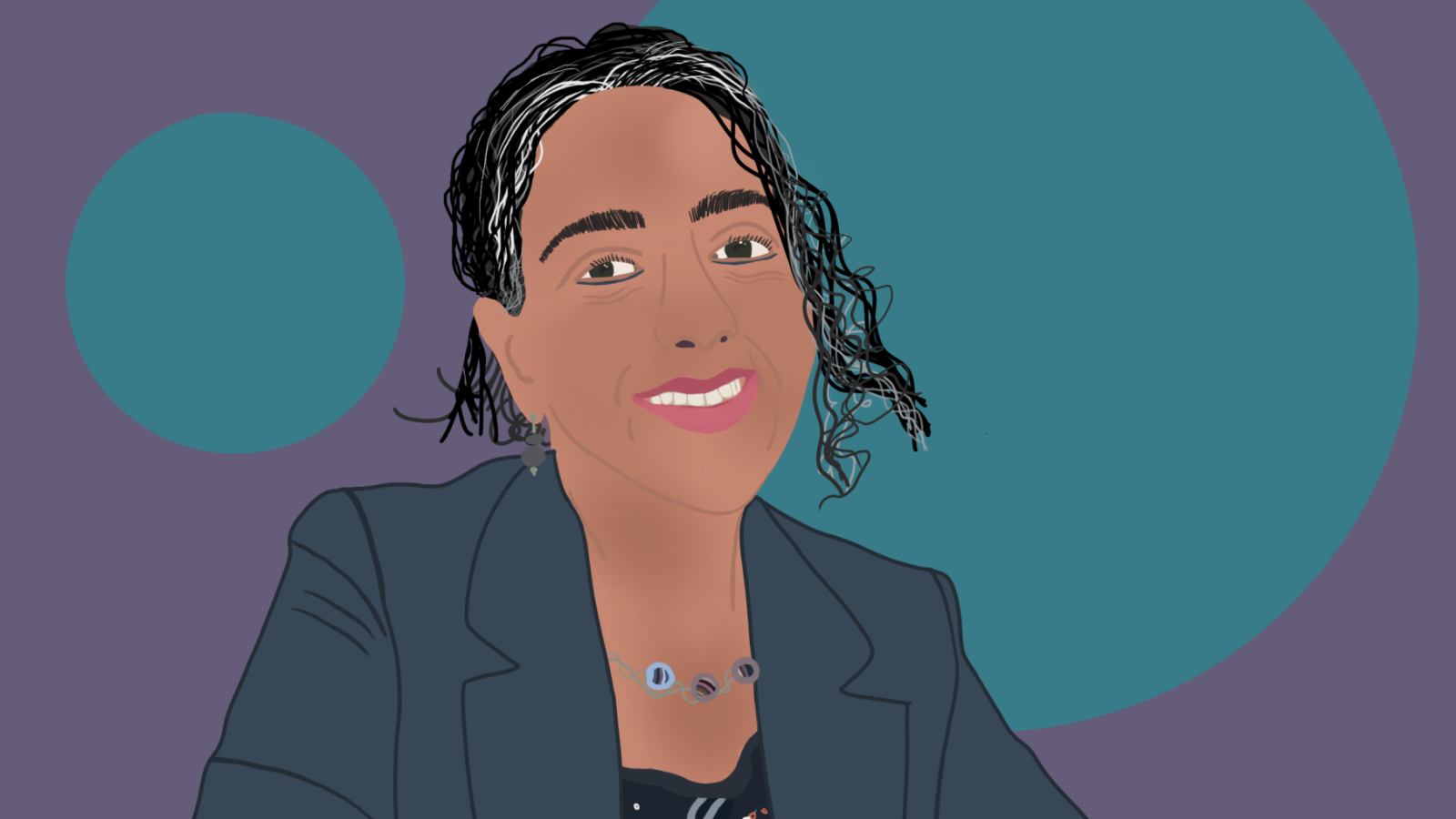
Illustration of Alex Raikes by Lucy J Turner
Read next:
 Our newsletters emailed directly to you