Homes and Gardens / Advertising Feature
Saying Goodbye to Bulky Waste: How the UK is Tackling Furniture and Mattress Removal Sustainably
We’ve all been there: the old sofa that doesn’t fit the new flat, the mattress that’s long past its best, or the dining table that’s been replaced by something sleeker. Across the country, households are searching for responsible ways to get rid of old furniture — and in the capital, services such as mattressremoval.co.uk
have become the go-to option for sustainable, fully licensed furniture and mattress removal in London. Meanwhile, Bristol is leading the way locally with community reuse projects that show how furniture can have a second life instead of ending up in landfill.
The Hidden Cost of Convenience
Each year, millions of pieces of unwanted furniture end up in landfill. Much of it could be recycled, repurposed, or donated, but lack of awareness and convenience often get in the way. A single mattress, for instance, can take decades to decompose — and with more than seven million discarded annually across the UK, the environmental toll is staggering.
Yet attitudes are beginning to shift. As more people embrace sustainability, there’s growing recognition that responsible disposal isn’t just an option — it’s a duty. Councils, charities, and private companies are now offering better, greener alternatives for furniture removal and recycling.
is needed now More than ever
Bristol’s Local Efforts
Bristol has been leading the way in tackling bulky waste. The city’s Reuse Shop at Avonmouth Household Waste Recycling Centre gives a second life to items that might otherwise be scrapped — from wardrobes and chairs to entire kitchens. Local charities such as SOFA Project and Emmaus Bristol collect and refurbish donated furniture, making affordable options available to those in need.
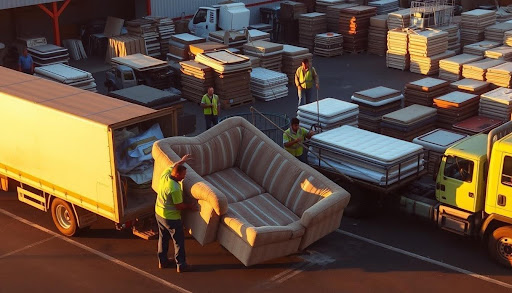
Community events like repair cafés also contribute to the solution, helping residents mend broken items and reduce waste. It’s a local, people-powered approach that combines environmental awareness with social value.
The Circular Solution
The ultimate goal is a circular system — one where discarded items aren’t waste at all but resources waiting to be reborn. Mattresses can be stripped for metal springs and foam, wooden furniture can be repaired or remade, and textiles can be repurposed. This isn’t just about avoiding landfill; it’s about creating new economic opportunities in recycling and manufacturing.
Consumers play a major role in driving this shift. By choosing reusable or second-hand furniture, booking responsible removal services, and supporting local reuse networks, households can collectively make a big impact.
How You Can Help
- For Bristol residents — and indeed anyone in the UK — the steps are simple:
- Donate first: Local charities welcome unwanted but usable furniture.
- Repair before replacing: Attend a community repair café or find local fixers.
- Recycle properly: Check your council’s guidelines for bulky waste.
- Use licensed removal services: Ensure your provider recycles responsibly.
Every small decision adds up. What might seem like an individual act — booking a pickup or fixing a broken chair — contributes to a much bigger environmental picture.
The Road Ahead
The UK still has work to do to make bulky waste disposal fully sustainable, but momentum is building. From Bristol’s thriving reuse culture to London’s efficient recycling systems, the path forward is clear: convenience and responsibility can coexist.
With innovative services, community participation, and a little mindfulness about what we buy and throw away, we can transform one of the biggest sources of waste into one of the greatest opportunities for change.
All images AI generated
 Our newsletters emailed directly to you