Women / Advertising Feature
Guide to outdoor clothing for women
“There’s no such thing as bad weather, only unsuitable clothing,” wrote renowned fell walker Alfred Wainwright. And he wasn’t wrong. Whether you’re hiking in the Wicklow Mountains or conquering the Inca Trail, what you wear can make or break your experience. You need outdoor women’s clothing that’s right for the specific activity and conditions. After all, if you’ve been caught in heavy rain during a hike without the right jacket, you’ll know exactly what we mean.
In this guide, we’ll help you choose the right women’s clothing for a variety of outdoor activities. That way you’ll always be ready for every adventure.
The importance of layering
Layering is the secret to staying comfortable no matter the weather. The base layer sits next to the skin and helps keep you warm and dry by pulling sweat away from the skin. The mid layer is all about keeping you warm by trapping your body heat. The outer layer protects you from wind, rain, and snow while allowing sweat to escape. Of course you don’t need to wear all the suggested layers, it all depends on the weather conditions and how vigorous the activity. You can easily add or remove layers to adjust to changing conditions or during breaks in activities. Keeping you comfortable all day long.
Hiking and trekking
The right hiking gear is all about comfort, safety and performance. Here’s what you need:
Base layers
is needed now More than ever
- Moisture wicking short or long sleeve top in polyester or merino wool (try to avoid wearing cotton)
- Leggings or tights (especially in cold conditions)
- Moisture wicking underwear
- Hiking socks (opt for merino wool or synthetic)
Mid layers
- Lightweight fleece jacket (provides essential warmth without the bulk)
- Merino wool jumper or long sleeve top
- Insulated synthetic or down jacket
- Softshell jacket or gilet
A well-insulated down jacket can make all the difference in colder conditions, for more details, see the range of options suitable for hiking.
Outer layers
- Waterproof and windproof jacket
- Waterproof trousers or over-trousers (depending on the conditions)
- Lightweight windbreaker (for dry, windy weather)
Footwear
A pair of comfortable, well-fitting hiking or walking boots will be your best friend on a long hike. They will ensure your feet stay firmly and comfortably on the ground. Choose footwear that offers good ankle support, a grippy sole and ideally has waterproof features. Pair them with good quality, cushioned, moisture-wicking hiking socks for ultimate comfort.
Winter sports
When it comes to winter sports like snowboarding and skiing, don’t underestimate the cold. You’ll need to ramp up your layering game to stay warm, dry and agile.
Thermal base layers
- Long sleeve thermal top (again merino wool or synthetic materials should be your go-to)
- Thermal leggings
- Moisture wicking underwear (avoid cotton)
- Warm, breathable socks (or risk cold, sweaty feet)
Insulating mid-layers
- Fleece jacket
- Insulated synthetic or down jacket
- Softshell jacket or gilet
- Merino wool jumper
You can adjust these layers depending on the intensity of your activities and the temperature.
Outer layers
- Waterproof and windproof jacket
- Insulated waterproof trousers
- Waterproof over-trousers (keeps snow off your legs)
- Windproof gloves, hat or beanie that’s compatible with a helmet
Footwear
Good quality winter boots are essential for cold-weather sports. While the specific type of footwear you need will depend on the activity, you’ll undoubtedly need ones that are insulated, waterproof and have an excellent grip on ice and snow. Make sure you also have socks that will keep your feet warm and wick away moisture.
Trail running
Trail running calls for clothing that keeps you cool, dry, and supported, especially in unpredictable weather and varied terrain.
Base layers
- Technical tank tops or breathable short-sleeve shirts
- Moisture wicking underwear
- High-impact sports bra
- Leggings (for cold weather runs)
Mid layers
- Long-sleeve performance half-zip tops (choose moisture wicking fabrics)
- Fitted fleeces or breathable vest tops
Outer layers
- Lightweight and breathable windbreaker or water-resistant jacket (choose ones that are reflective for enhanced visibility and can easily be stuffed in a bag or tied around your waist)
- Cap
- Lightweight gloves (for cold weather running)
Running bottoms
Trail running requires bottoms that are more fitted and don’t restrict movement, for example:
- Hiking leggings (look for ones that are high-waisted and with pockets)
- Running shorts (some shorts come with built-in compression and odour neutralising technology)
- Joggers (choose breathable ones for colder days)
Footwear
Trail running shoes are different from regular road running trainers. Look for ones that offer:
- Good grip and traction
- Reinforced toe caps
- Sturdy soles
- Breathable uppers (essential for managing sweat)
Don’t forget to pair your trail running shoes with lightweight running socks for maximum arch support, padding and moisture control.
Wherever your outdoor adventures take you, the right outdoor clothing can transform your experience and help you keep going for longer.
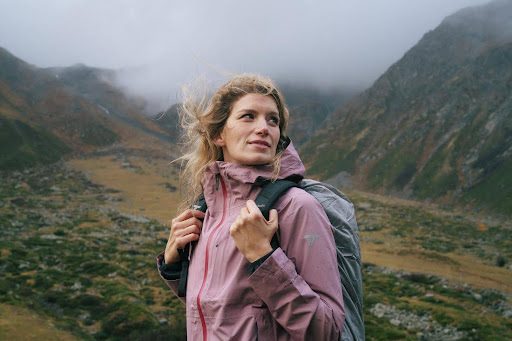
Main image Columbia Sports Wear
 Our newsletters emailed directly to you