Directory / Advertising Feature
How to Spot a Rigged Casino – Tips for Safe Gambling
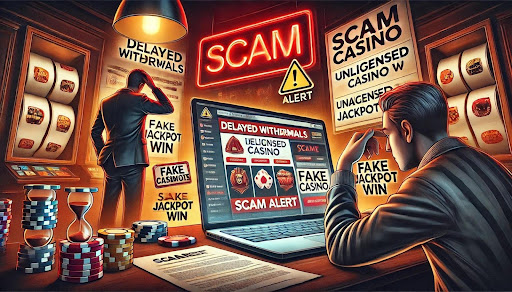
Gambling can be a fun and exciting activity, but not all casinos operate fairly. Some casinos—especially unlicensed online ones—manipulate their games, delay withdrawals, or outright scam players. Knowing how to identify a rigged casino can save you money and frustration.
Reliable platforms like StayCasino ensure fair play by offering licensed games, transparent policies, and secure pay-outs, but not all online casinos operate with the same integrity. That’s why it’s crucial to recognize the warning signs of dishonest operators.
In this article, we’ll cover red flags to watch out for, common scams, and tips to ensure a safe gambling experience. By the end, you’ll know how to protect yourself and gamble responsibly.
How Casinos Should Operate Fairly
Legitimate casinos follow strict rules to ensure fairness, security, and transparency. A properly regulated casino should have:
- A valid gambling license from reputable authorities.
- Random Number Generators (RNGs) to ensure fair play.
- Transparent terms and conditions for deposits, withdrawals, and bonuses.
- Fast and secure pay-outs without unreasonable delays.
- Reputable software providers known for fair gaming.
If a casino fails in any of these areas, there’s a good chance it might be rigged or dishonest.
Signs of a Rigged or Scam Casino
Not all casinos play fair, and some use unethical tactics to increase their profits at the player’s expense. Here are some red flags that indicate a casino might be rigged:
1. No Valid Gambling License
A trustworthy casino should have a license from a recognized regulatory body, such as:
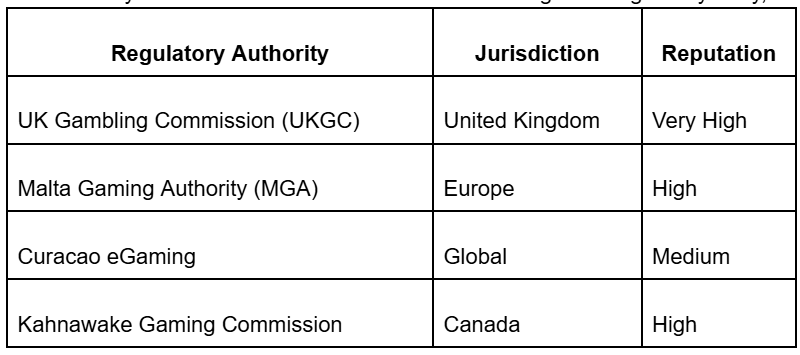
To check if a casino is licensed:
is needed now More than ever
- Scroll to the bottom of the casino’s website – the license number should be displayed.
- Verify the license on the official regulator’s website.
If a casino has no license or a fake one, avoid it completely!
2. Unreasonably High Wagering Requirements
Many online casinos offer bonuses and free spins to attract players, but rigged casinos may set impossible wagering requirements to prevent you from withdrawing winnings.
For example, a fair casino may have a 30x wagering requirement, meaning you must bet 30 times the bonus amount before withdrawing. A scam casino might have 100x or more, making it nearly impossible to cash out.
Always check the terms and conditions before accepting any bonus.
3. Delayed or Rejected Withdrawals
One of the biggest warning signs of a scam casino is slow or refused pay-outs. Legitimate casinos process withdrawals within:
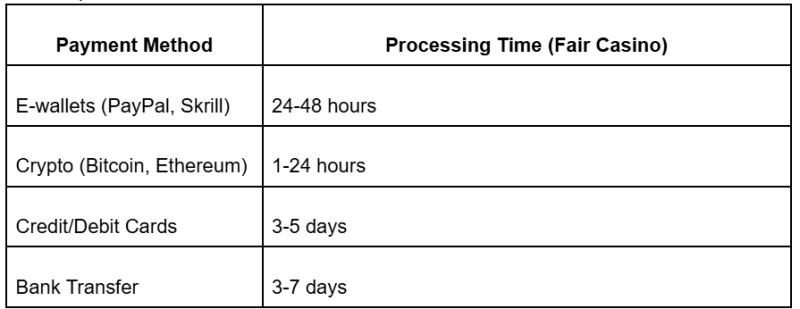
If a casino delays your withdrawal for weeks or constantly makes excuses, this is a major red flag. Some rogue casinos even block players from withdrawing by requesting unnecessary documents repeatedly.
4. Rigged or Unfair Games
Fair casinos use Random Number Generators (RNGs) to ensure that every spin, card draw, or dice roll is completely random. However, some rogue casinos may manipulate games to reduce player wins artificially.
How to spot rigged games:
- Suspiciously low win rates – If you play for hours without winning anything significant, even at reasonable bet levels.
- Unverified or unknown game providers – Stick to well-known developers like NetEnt, Microgaming, and Play’n GO.
- Games that behave unusually – For example, if blackjack hands consistently favour the dealer in an unnatural way.
To check if a casino’s games are fair, see if they are audited by third-party testers like eCOGRA or iTech Labs.
5. Poor Customer Support
Reliable casinos offer 24/7 customer support via live chat, email, or phone. Rigged casinos often:
- Have slow or unresponsive support that ignores withdrawal requests.
- Provide vague or misleading answers to important questions.
- Offer no real way to contact them beyond a basic email.
If a casino makes it difficult to reach support, avoid it!
Common Casino Scams to Watch Out For
The online gambling industry is full of legitimate and trustworthy casinos, but there are also rogue operators looking to exploit unsuspecting players. These scam casinos use various tricks to manipulate odds, steal deposits, and make it impossible to withdraw winnings.
Here are some of the most common casino scams that every gambler should be aware of:
1. Fake “Big Win” Messages
One of the oldest tricks in the book is sending fake jackpot notifications to players. Here’s how it works:
- You receive an email, SMS, or pop-up message saying you’ve won a big prize (e.g., a jackpot or free spins).
- To claim your winnings, the casino asks you to make a deposit first.
- Once you deposit, the winnings either never appear in your account, or the casino adds impossible wagering requirements, making withdrawal unrealistic.
How to Avoid This Scam:
- If you never played at a casino but receive a “win” message, it’s fake.
- Legitimate casinos never require a deposit to claim a prize you already won.
- Always verify the casino’s licensing and reputation before making any deposit.
2. Manipulated Reviews and Fake Endorsements
Scam casinos know that players rely on reviews when choosing a gambling site. To appear legitimate, these casinos pay for fake positive reviews and endorsements.
- Some fake review websites rank rogue casinos as “top-rated” to deceive players.
- Scam casinos may even create fake player testimonials praising fast pay-outs and fair gaming.
- Some influencers and bloggers get paid to promote scam casinos without testing them first.
How to Avoid This Scam:
- Look for independent player reviews on trusted forums (e.g., AskGamblers, Trustpilot).
- Check if the same casino is recommended by multiple reputable sources.
- Be wary of reviews that sound overly positive or copy-pasted across different sites.
3. “Play Money” Mode That Pays, Real Money Mode That Doesn’t
Some rogue casinos rig their games by offering two different versions of the same slot or table game:
- Demo Mode (Fake RNGs): When playing for free, players win frequently to create the illusion of an easy game.
- Real Money Mode (Rigged RNGs): Once players deposit real money, the win frequency drops drastically, making it nearly impossible to win.
This tactic is designed to trick players into depositing, only to realize later that the real money version is far less generous.
How to Avoid This Scam:
- Stick to casinos that use games from well-known providers like NetEnt, Microgaming, or Playtech.
- Look for third-party game testing certifications (eCOGRA, iTech Labs, GLI).
- Compare the demo version and real money version—if wins drop significantly, the game may be manipulated.
4. Withdrawal Delays and Unfair Terms
A common scam tactic is to make withdrawals unnecessarily difficult. Some ways rogue casinos do this:
- Forcing excessive document verification – They ask for ID, utility bills, and even video calls, delaying withdrawals for weeks.
- Requiring impossible wagering requirements – Example: A bonus with a 100x wagering requirement, making it nearly impossible to cash out.
- Blaming “technical issues” – Some casinos claim there’s a system error and tell players to “try again later,” hoping they will lose patience and continue gambling.
How to Avoid This Scam:
- Read the terms and conditions before depositing. If wagering requirements are above 40x, be cautious.
- Test withdrawals with a small amount before playing big.
- Choose casinos with a history of fast pay-outs (1-3 days for most methods).
5. Rigged Live Dealer Games
Many players trust live dealer games (blackjack, roulette, poker) more than virtual games because they involve real dealers. However, some scam casinos still manage to manipulate these games:
- Pre-recorded video feeds – Instead of a real dealer, some sites play fake “live” footage and claim it’s happening in real time.
- Hidden game rigging – The dealer controls card dealing or roulette outcomes to make sure the casino wins more often than it should.
How to Avoid This Scam:
- Play only at casinos with live dealer games from trusted providers (Evolution Gaming, Pragmatic Play, Playtech).
- Look for a chat function where you can interact with the dealer. If there’s no interaction, it might be fake.
- Check player reviews for complaints about unfair live dealer experiences.
6. Casino Clones (Fake Look-Alike Websites)
Some scam operators create fake copies of legitimate casino websites. These clone sites have the same logos, design, and games, but they operate without a license.
Here’s how they work:
- A player thinks they’re on a legitimate site, deposits money, and starts playing.
- When they try to withdraw, the website suddenly disappears or blocks their account.
How to Avoid This Scam:
- Double-check the casino’s official URL. A clone site may have small spelling errors (e.g., “Bet365” vs. “Bet366”).
- Only sign up using links from trusted sources.
- Look up the casino’s license number and verify it on the regulator’s website.
How to Ensure a Safe Gambling Experience
If you want to gamble safely, follow these key tips:
- Choose Licensed Casinos – Only play at casinos regulated by UKGC, MGA, or similar authorities.
- Check Player Reviews – Look for independent user feedback, not just promotional reviews.
- Avoid Unreasonable Bonuses – If a bonus sounds too good to be true, it probably is.
- Test Customer Support – Contact support with a question before depositing money.
- Read the Terms & Conditions – Understand withdrawal rules and bonus restrictions.
- Set a Budget and Stick to It – Always gamble responsibly and never chase losses.
Final Verdict: Can You Completely Avoid Rigged Casinos?
Yes! By doing proper research, checking for licenses, and reading user reviews, you can avoid rigged and scam casinos. The gambling industry has plenty of trustworthy operators, but it also has bad actors looking to take advantage of uninformed players.
If you stick to licensed, well-known casinos with fair policies and reputable game providers, your gambling experience will be much safer and more enjoyable.
 Our newsletters emailed directly to you