Music / Rock and roll
When one of rock ‘n’ roll’s mythic heroes played his last gig in Bristol
Eddie Cochran and Bristol are inextricably linked as he played his fateful final concert in Bristol some 66 years ago to the day.
An early rock ‘n’ roll pioneer, who inspired the likes of the Beatles, Jimi Hendrix, Bruce Springsteen and Led Zeppelin, played his final notes at the Bristol Hippodrome, before meeting his untimely death in the West Country.
Eddie Cochran has been spoken of in the same breath as Fats Domino, Little Richard, Chuck Berry, Muddy Waters, Elvis Presley, Buddy Holly and Gene Vincent – artists who forged the dreams and ambitions of a generation of young British rockers.
is needed now More than ever
It is often said Cochran’s star shone brighter on this side of the Atlantic than in his native America. In post-war Britain, his music offered a sense of freedom, joy and expression, something young audiences on these shores were searching for.
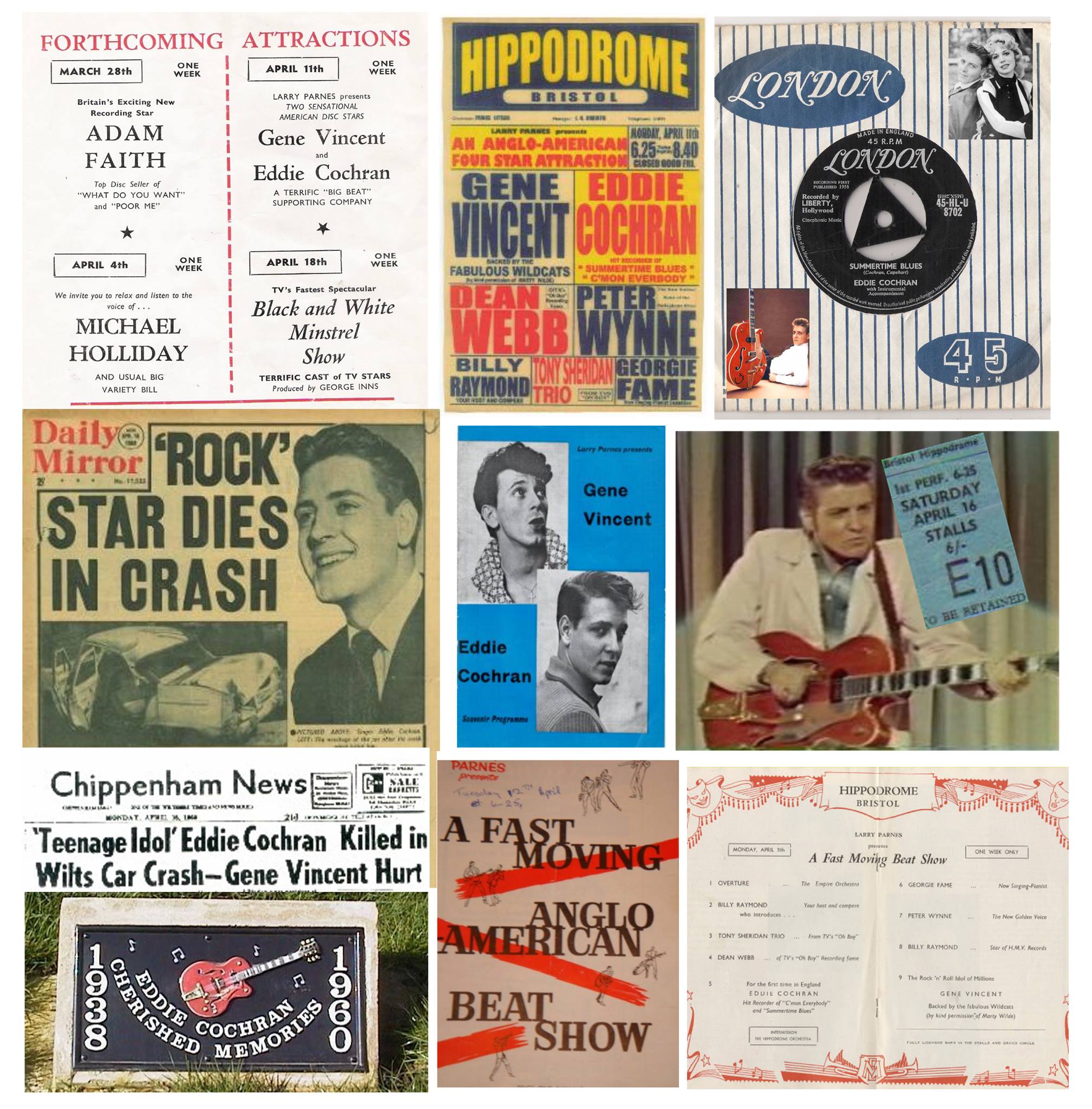
Eddie Cochran and Bristol are inextricably linked as he played his fateful final concert in Bristol some 66 years ago to the day – photo: Bristol Hippodrome
At the height of his popularity, Cochran embarked on a UK tour intended to last five weeks, beginning in Ipswich. Such was the frenzy that it stretched into a 15-week run, culminating in a show at the Bristol Hippodrome on April 16 1960.
Cochran shared the bill with Gene Vincent, who was a household name with his hit song Be-Bop-a-Lula.
Cochran’s stay in Bristol was not exactly a “flying visit” either.
Both Cochran and Vincent checked into Suite 105, also known as the Cary Grant Suite at the Grand Hotel on Broad Street on April 10 and stayed there till the final date of the tour, April 16.
That night has passed into the annals, not only as the final performance of a preeminent rock ’n’ roll star, but also as the closing date of Britain’s first ever rock ’n’ roll package tours.
The Wildcats, the backing band of Marty Wild, played as the tour’s house band. Cochran, a gifted guitarist, combined technical flair with a physical, high-energy presence, his gyrating hips sending audiences into delirium.
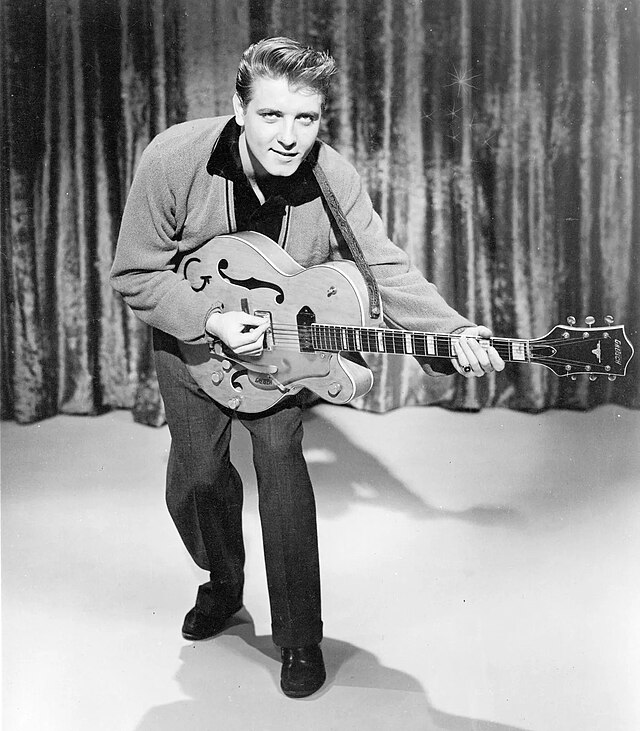
Eddie Cochran is hailed as an early rock ‘n’ roll pioneer, who influenced the likes of the Beatles, Led Zeppelin, Bruce Springsteen and many others – photo: Michael Ochs Archives
His aquiline jawline, slick quiff, an over-sized Gretsch and quick-feet movements often drew immediate parallels with another stellar rock ‘n’ roller, Elvis Presley.
Despite the grind of the long tour and his eagerness to return to the studio in America, Cochran remained playful, working the crowd with his cheeky wit.
He tapped into his arsenal of hits during the night such as C’mon Everybody, Somethin’ Else, Twenty Flight Rock, Summertime Blues, Skinny Jim, Cut Across Shorty and Nervous Breakdown.
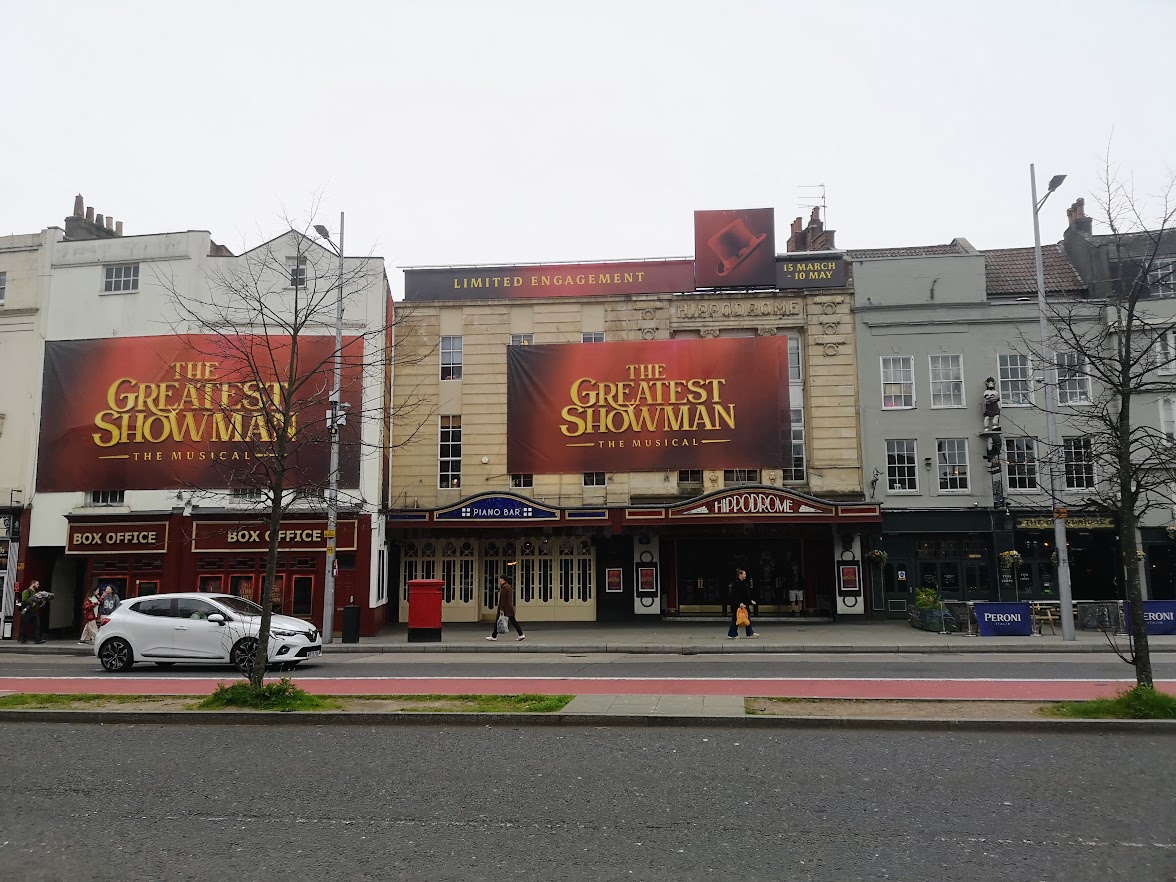
Eddie Cochran shared the bill with Gene Vincent at Bristol Hippodrome on Apirl 16 1960, which turned out to be last gig – photo: Milan Perera
Actor Peter Bowles, who was in the audience, later recalled: “When he came on, the stage was in complete darkness.
“The spotlight came on as the music started, but it was on his bum. He was wearing a pair of tight red leather trousers.
“I’d never seen anything like it… this was wicked, this was sexy, the audience was screaming.”
The concert was a resounding success. Plans for an additional Liverpool date were quickly shelved as Cochran was keen to return to the United States.
That same night, Cochran, along with his girlfriend Sharon Sheeley, Gene Vincent and tour manager Patrick Tompkins set off for Heathrow in a cream-coloured Ford Consul from the bottom of Park Street.
At 11:50pm, on the A4 at Rowden Hill in Chippenham, the car, driven by a 19-year-old George Martin (not the Beatles producer), lost control and crashed into a lamppost.
Seated in the back, Cochran attempted to shield Sheeley but was thrown from the vehicle onto the road. He suffered severe blunt force head injuries and was first taken to hospital in Chippenham before being transferred to St Martin’s Hospital in Bath.
He never regained consciousness.
The world of music was still reeling from “the day music died” plane crash which claimed the lives of Buddy Holly, Richie Valens and J. P “The Big Boppa” Richardson just over a year ago. It was the curtain call for another mega star.
At 4:10pm the following day, Easter Sunday April 17, one of rock ’n’ roll’s brightest stars died at the age of just 21. His signature Gretsch guitar was recovered from the crash site intact.
Three Steps To Heaven, recorded by Cochran in 1960, became a posthumous UK number 1.
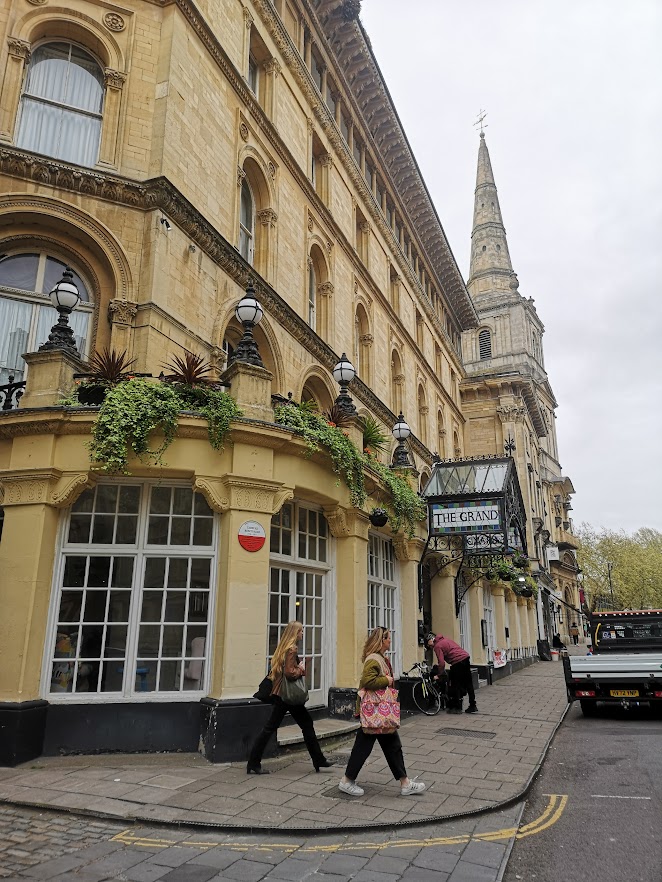
Eddie Cochran and Gene Vincent checked into Suite 105, also known as the Cary Grant Suite at the Grand Hotel on Broad Street on April 10 and stayed there till the final date of the tour, April 16 – photo: Milan Perera
For many young Brits, rock ’n’ roll first took hold not just through records, but through so-called “exploitation films”, weakly plotted films with cliched characters built around superior musical numbers.
The Girl Can’t Help It, starring the screen siren Jayne Mansfield, was not any other “exploitation” movie.
Shot in colour and CinemaScope, it featured performances from many of the genre-defining artists, including Eddie Cochran, Gene Vincent, Fats Domino, Little Richard, the Platters, Freddie Bell and the Bell Boys.
Among those watching The Girl Can’t Help It at Liverpool’s Gaumont Cinema was a certain 14-year-old Paul McCartney.
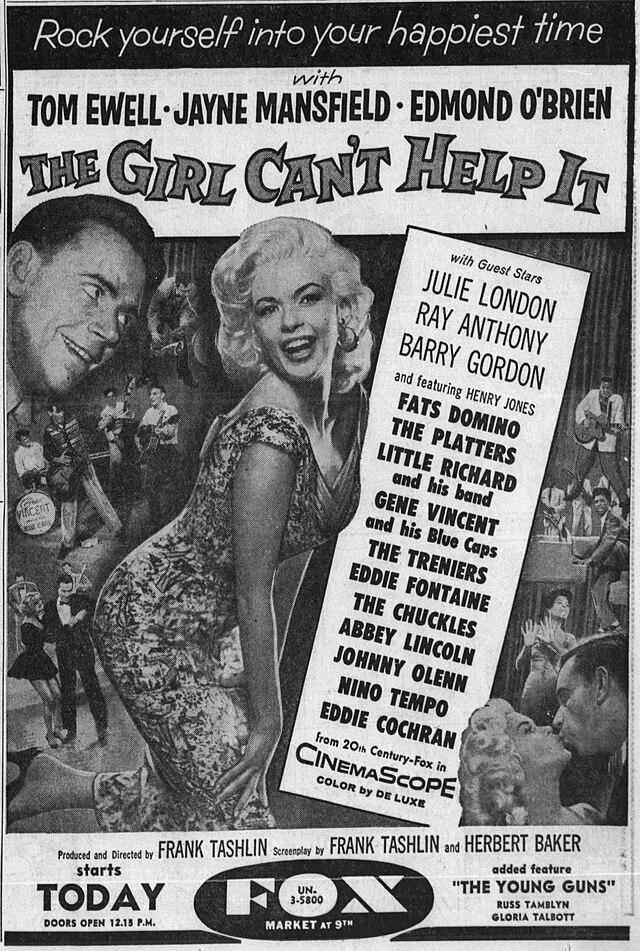
A certain 14-year-old Paul McCartney saw The Girl Can’t Help It at Liverpool’s Gaumont Cinema and was in love with Twenty Flight Rock by Eddie Cochran – photo: 20th Century-Fox
One song, Twenty Flight Rock by Cochran, impressed him the most. McCartney’s friend Ian James bought the single from Curries in Elliot Street. With James, McCartney worked out the chords and lyrics, before quickly mastering the track. As James later put it, “He was Eddie Cochran”.
Just months later, on July 6 1957, marked a pivotal moment in the history of music.
At a church fete at St Peter’s Church in Woolton, McCartney met a young John Lennon for the first time, who was performing with his skiffle band The Quarrymen. McCartney’s “audition” piece at the church hall was Twenty Flight Rock, which left the teenage cohort stunned. And the rest was history. The Quarrymen would evolve into the Beatles.
The Beatles were to play in Bristol thrice between 1963 and the late 1964 at what was then known as Colston Hall, few paces from Bristol Hippodrome. The Fab Four too stayed at the Grand Hotel like their hero Eddie Cochran.
The West Country did not forget Eddie Cochran. A plaque marks the crash site on Rowden Hill. A memorial stone stands in the grounds of St Martin’s Hospital in Bath. A three-step monument, a nod to his hit song, was also unveiled at the crash site in 2018.
At the Bristol Hippodrome, where he gave his final performance, a blue plaque was unveiled in 2023, which was attended by the broadcaster Mike Reid who was in charge of the event as the chair of the Blue Plaque Trust.
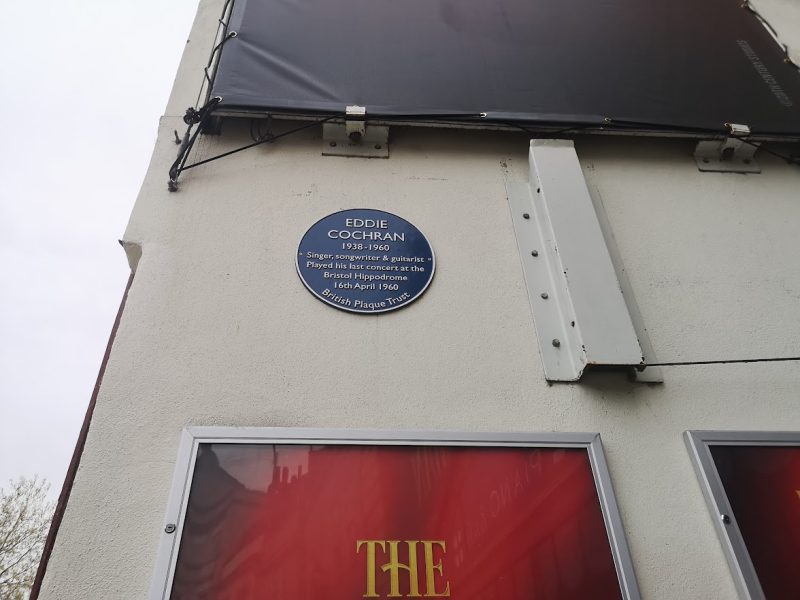
A Blue Plaque was unveiled in 2023 to celebrate the final concert of the rock ‘n’ roll pioneer, who inspired a slew of musical acts – photo: Milan Perera
It was also attended by Georgie Fame who performed with Cochran on his last show, Gene Vincent’s daughter Sherri Vincent, Peter Bradley, Greg Harris and Darell Higham, English guitarist and co-author of Don’t Forget Me: The Eddie Cochran Story.
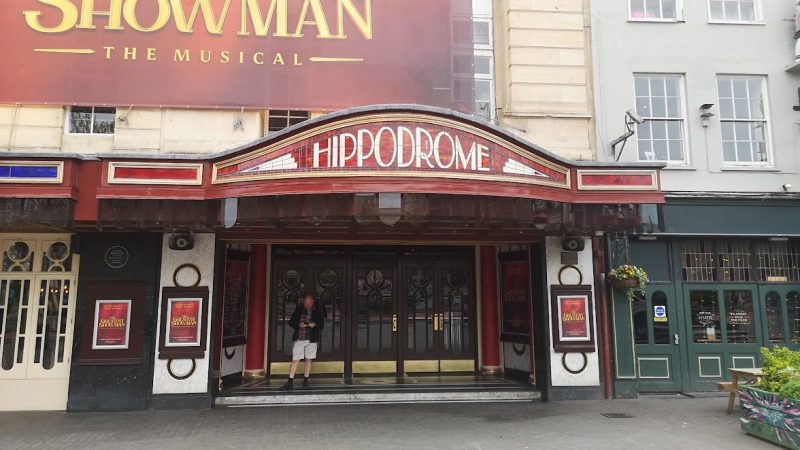
Inside the foyer of the Bristol Hippodrome, a large memorial plaque stands.
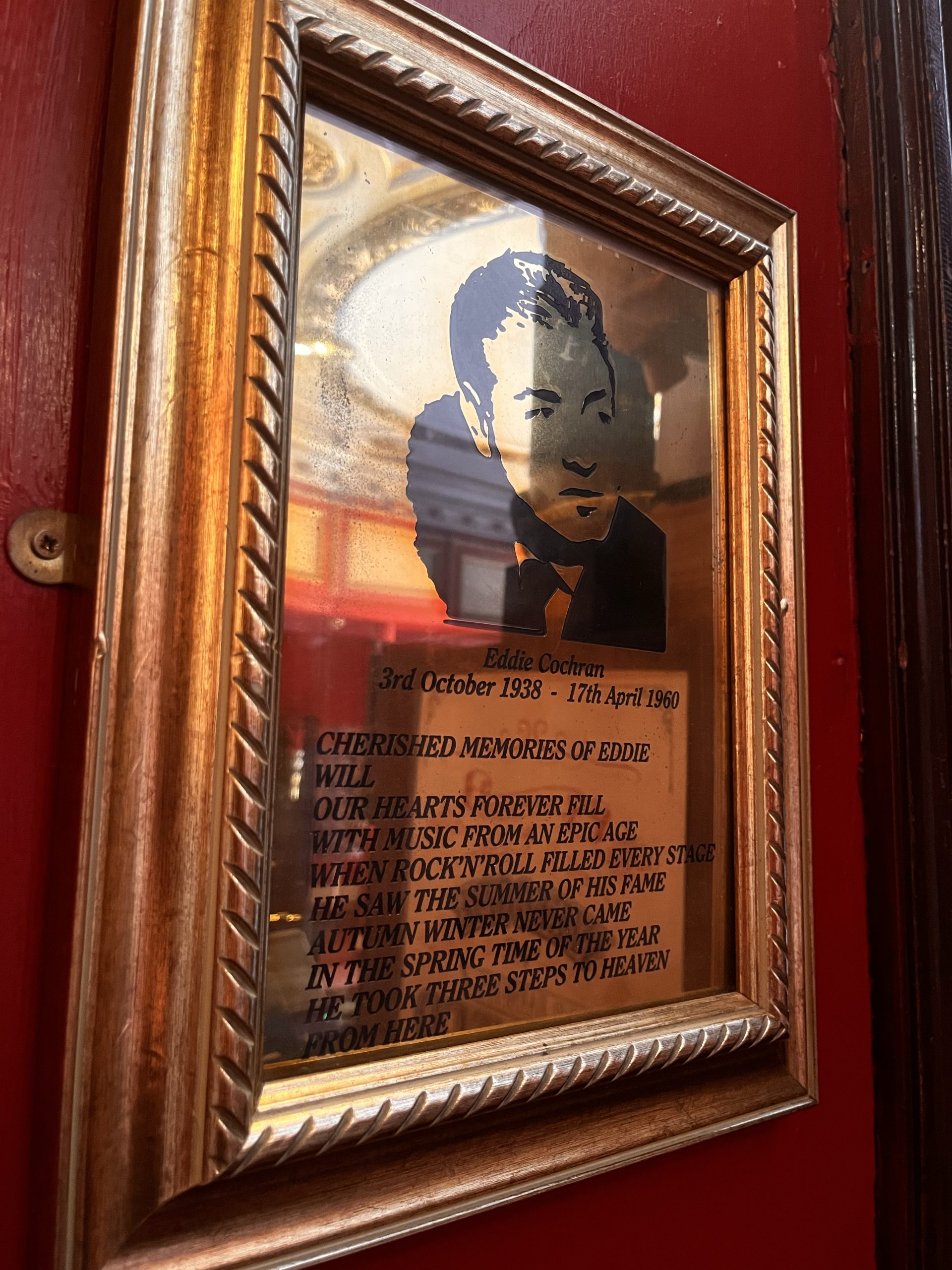
Inside the foyer of the Bristol Hippodrome, a large memorial plaque stands with a dedication to Eddie Cochran – photo: Bristol Hippodrome
The plaque was commissioned and put in place by Cochran’s fans who wanted his final concert to be celebrated. The plaque houses a poignant poem penned by a fan which reads:
“Cherished memories of Eddie will
Our hearts forever fill
With the music from an epic age
When Rock’n’Roll filled every stage
He saw the Summer of his fame
Autumn Winter never came
In the Spring time of the year
He took three steps to Heaven
From here”
Main photo: Milan Perera
Read next:
 Our newsletters emailed directly to you