Music / Reviews
Review: Planet Earth in Concert, Colston Hall
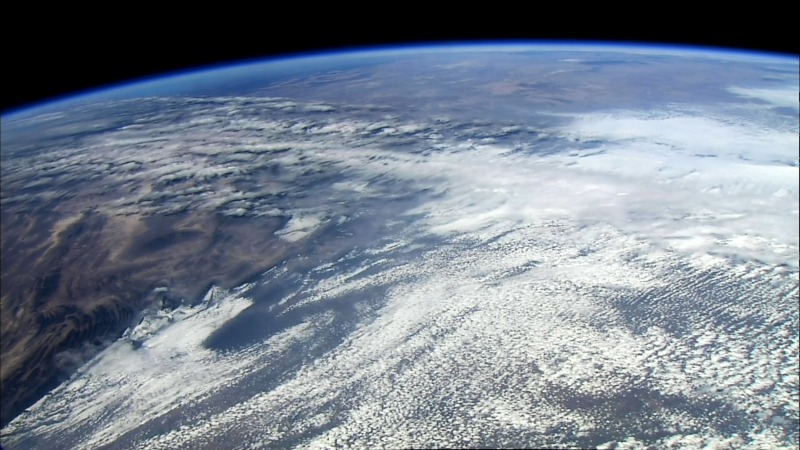
A night of nature’s greatest beauties from the comfort of Colston Hall: transported from our Bristol surroundings to penguins at the Antarctic; caves deep in the Americas; the tundra and deserts of Africa; and the might of the Himalayas.
It was a night of rollercoaster emotions; the wonder of new-borns emerging into the world to the terrifying thrill of the hunt; the loneliness of the snow leopard and the anguish of an abandoned baby elephant; the joy of life; of family; of survival. The footage itself was stunning: it felt as if we were right there, holding our collective breath as the hunter coiled, ready to pounce and kill. But it was the music that pushed the sequences beyond mere animals in the wilderness; each became a character, a personality.
The tone and emotion of entire segments were dictated by the music alone. Chicks making their first jump to the ground, tiny wings frantically fluttering; the music was not gentle or lyrical to accompany such fluffiness – it was comic: and comic because of the heroism of the music, the grandeur of sound as the chicks leapt gloriously from the nest as if into battle. By contrast, the chase between a wolf and a young caribou put the audience on edge, the tension in the strings building; the mood changing briefly to hope as the caribou gained ground, before darkness returned, drawing in the audience until the final moment of the kill.
The elusive snow leopard hunting in the mountains of Pakistan could have had almost identical music: but instead of the thrill of the hunt the scene was about survival. Despite the pounce and the pursuit of the mountain goat the rich interplay between solo cello and flute distilled all tension from the scene. The score changed the essential meaning of the film to the desperation of trying to survive in the loneliness of such beautifully remote landscape.
The intelligence of the music was obvious at each turn of the page; the climax of joy as dolphins surged over a cresting wave; the use of electronic music throbbing disjointedly to narrate the alien animals in barely explored caves; the imitation of chicks chirping by the glockenspiel. Soprano Haley Glennie-Smith sang hair- raising vocables, tearing at heart-stings in laments; her incredibly warm tone in Gershwin’s ‘Nice Work If You Can Get It’ was like honey poured over the audience in lazy bliss.
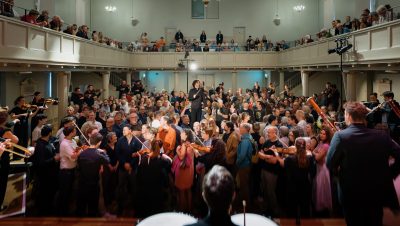
The Philharmonia are undeniably one of the best orchestras in the country; the tone, the blend of instruments was stunning as was the undoubted difficulty of holding the orchestra together in time with the film. Fenton had a quiet, passionate authority with modesty that belied his extremely impressive talents; conducting aside, the music was not mere accompaniment; it was witty, evocative; it drew on influence from around the world, created wonder, suspense and loneliness with unyielding accuracy.
The footage was a privilege to watch; but the music was genius. It was almost as if it wasn’t there; its effects were everywhere from the gasps of the audience to the laughter; from the uplifting joy to the crippling loneliness. It was undoubtedly brilliant in every sense. It was a privilege to watch; a joy to take part in and an absolutely magical experience. Many natural science enthusiasts were made tonight; and perhaps it is events like these which will provoke action to save what is undoubtedly an astounding planet.
 Our newsletters emailed directly to you