Music / Ethiopique
Review: Fairfield House Ethio-jazz Project, Bristol Fringe
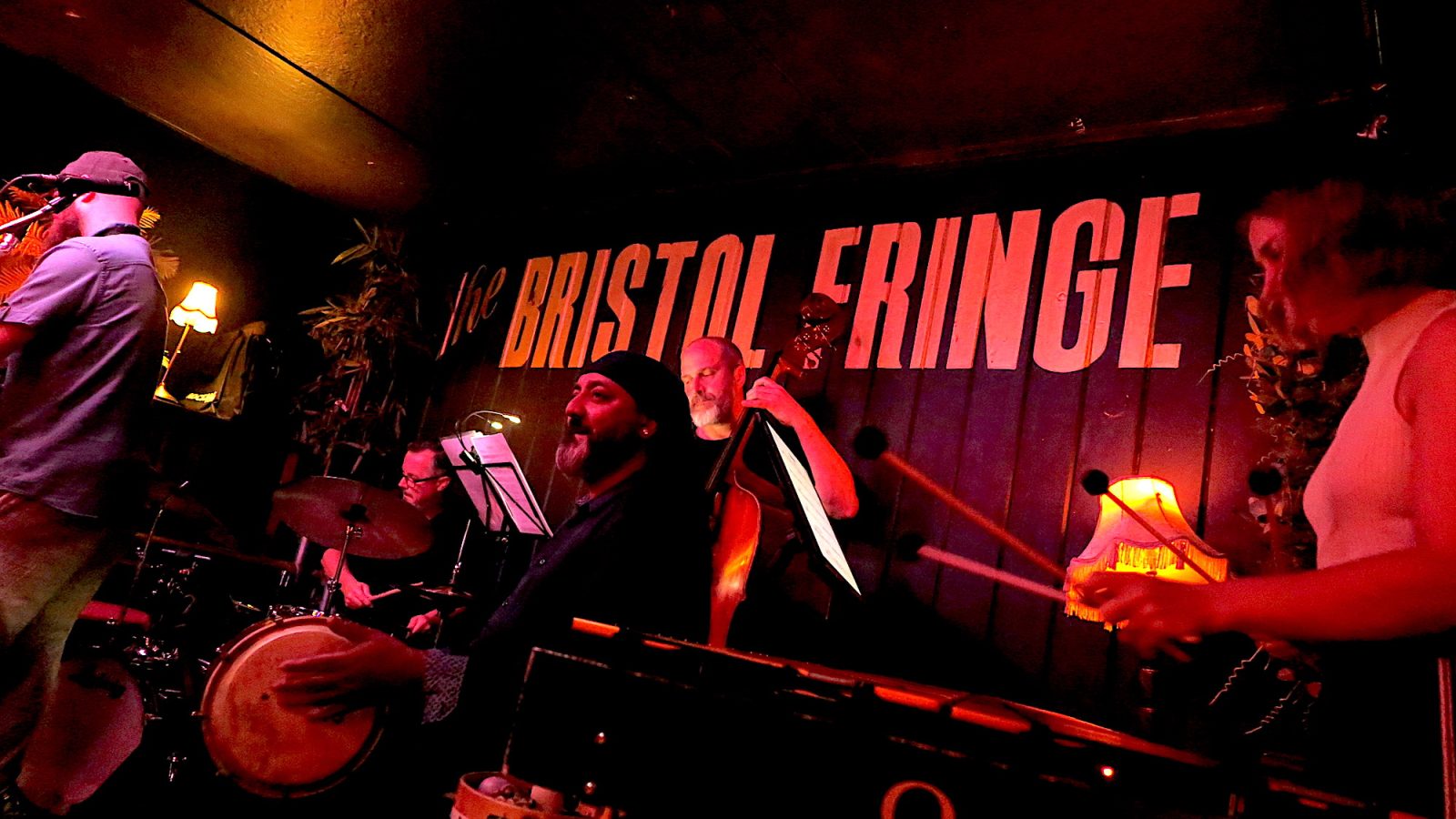
It was pleasant enough standing outside the Fringe as a scorching day began to settle into a slightly cooler evening. This was just as well because a string of technical disasters had delayed drummer Mark Whitlam’s journey from Bath and the gig couldn’t start without him. Then – hoorah! – he appeared and in an impressively short time we were packed into the gloom of the Fringe’s back room as the Fairfield House Ethio-jazz Project kicked off with their first tune.
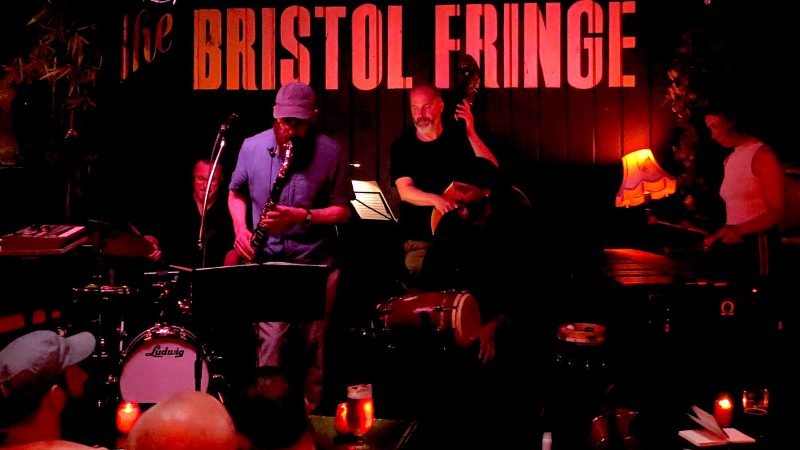
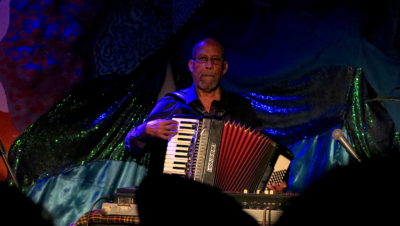
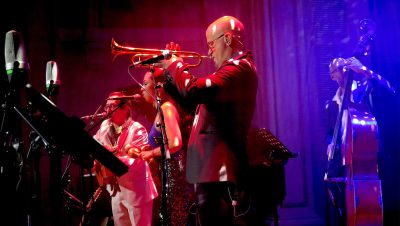
Fairfield House Ethio-jazz Project (pic: Tony Benjamin)
Their name may sound more like a summer school but it reflects the band’s commitment to supporting Fairfield House, a venerable building on the outskirts of Bath bequeathed to the city’s citizens by Ethiopian emperor Haile Selassie after his spell in exile there in the 1930s. The Project’s repertoire largely comes from the classic Ethio-jazz formulated by Mulatu Astatke and Hailu Mergia in the 1970s later rediscovered as Ethiopiques in the 90s, plus a few original tunes in the Ethiopian style composed by frontman Ross Hughes.
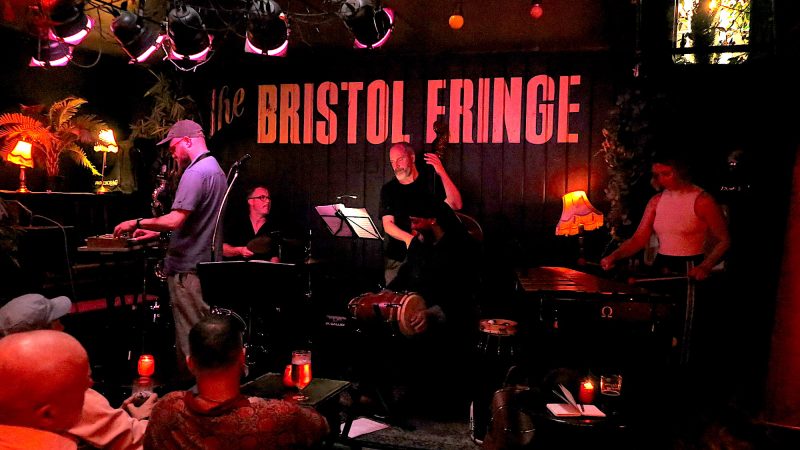
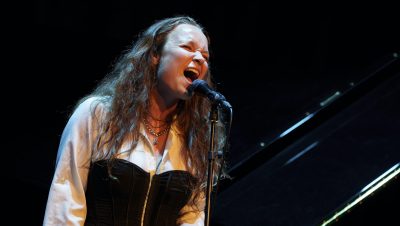
Fairfield House Ethio-jazz Project (pic: Tony Benjamin)
From the first few bars of Yakermo Sew Ross’s sinuous bass clarinet melody created an instant Ethiopian atmosphere, ironically enhanced by the Fringe’s plastic palm trees, while Harriet Riley’s follow-up vibraphone solo completed the sound picture. Underpinning it were tight drums and the subtle rhythms of Jeevan Singh’s dholak drum – actually an Indian instrument but sounding entirely appropriate in this context – and the strictly disciplined double bass of Riaan Vosloo. It added up to a warm acoustic sound, albeit later complemented by Ross’ synth providing the distinctive wobbly organ that completely recalled the original recordings.
is needed now More than ever
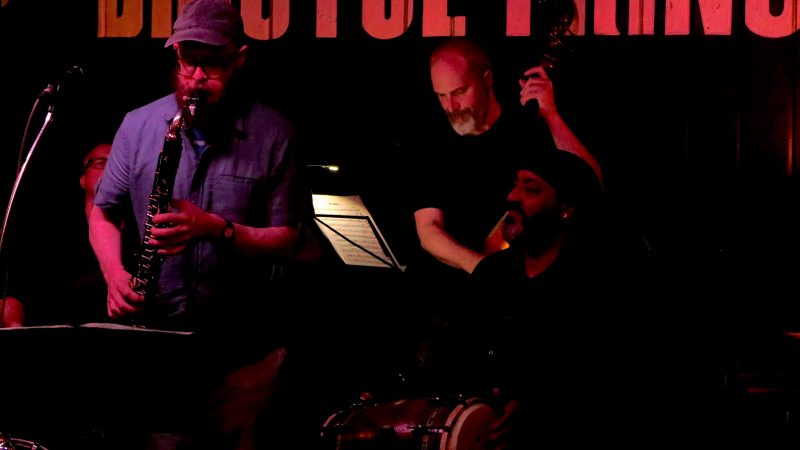
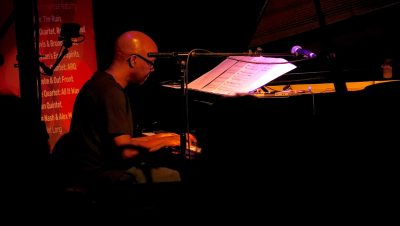
Fairfield House Ethio-jazz Project (pic: Tony Benjamin)
As the room grew ever warmer the band maintained the gentle restraint that the music demanded. Ross and Harriet traded smartly measured solos, the two percussionists were similarly interactive in responding to each other and the solid warmth of the double bass brought it together. Astatke classics like Yegelle Tezeta and Kulunman Queleshe were respectfully rendered while Ross’ own Exile and Return fitted perfectly alongside them, the latter’s waltz-like swing propelling tight unison playing on alto flute and vibes. The second set subsided gently with Patience, another of Ross’ numbers that smoothly wrapped up a fine evening.
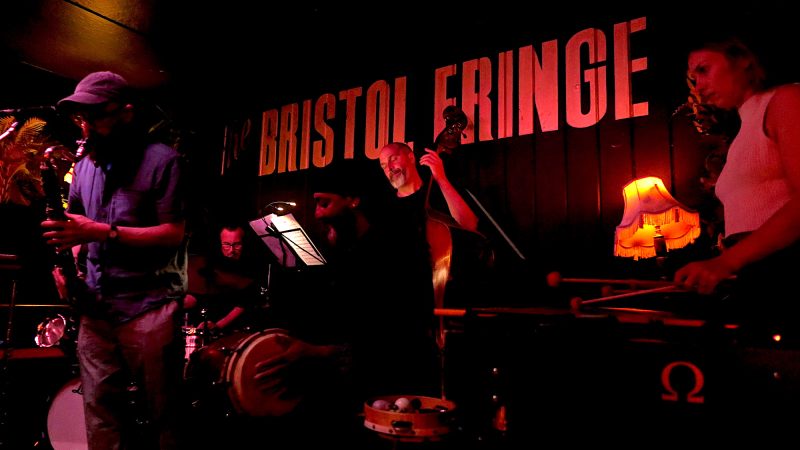
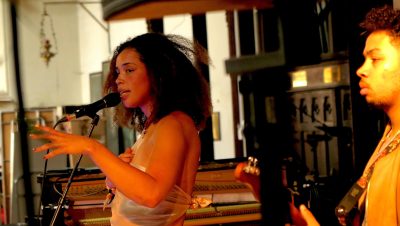
Fairfield House Ethio-jazz Project (pic: Tony Benjamin)
Quite apart from the good cause element behind it, the Fairfield House Ethio-jazz Project managed to conjure the distinctive appeal that has made this music so popular in Europe since the 90s. As with all good tributes it is important that they are faithful to the musical values of the original but still succeed in refreshing the sound , reviving it rather than simply preserving it. They’re planning a special performance on July 12 at the Roundhill Barn in Kelston with some very impressive guests and I suspect that, too, will be a memorable combination of music and place.
 Our newsletters emailed directly to you