Music / Get To Know
Get to Know: Charlie Hooper-Williams
Postclassical innovator and award-winning pianist Charlie Hooper-Williams was one of the developers of the music ID app Shazam and now puts his technological skills into action by generating real-time visuals to accompany his musical performances.
He is one of the organisers of Postclassical Assembly, an event series bringing classical-influenced music to new audiences in Bristol, and released his debut album The Book of Fixed Stars in 2025.
Your career has been a wild ride so far. What led you back to producing your debut album?
“All the journeys I’ve been on came together for this album.
“I played music constantly growing up. Despite moving around a lot, my parents always managed to get me piano lessons.
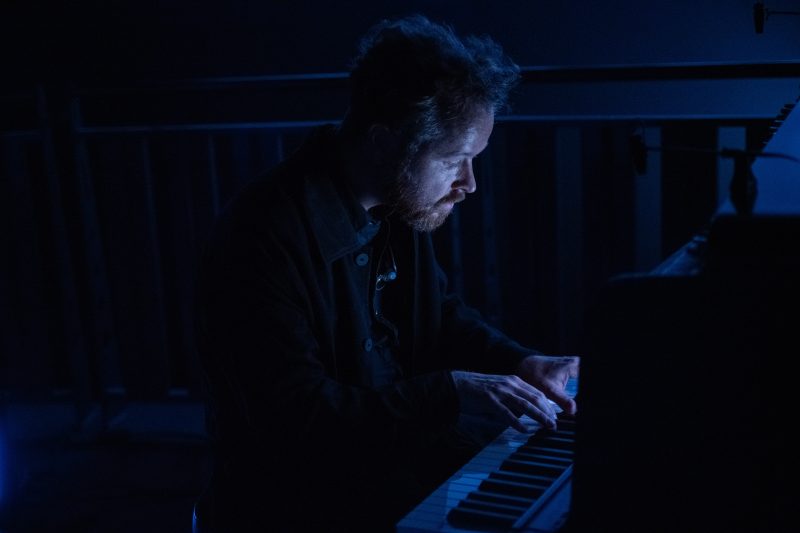
Hooper-Williams is a former concert pianist who won the International Shostakovich Piano Competition and studied at the University of Cambridge Centre for Music and Science – photo: Ania Shrimpton
“A big part of my musicality came from singing with Bristol’s Sacred Harp group. Something about the music coming straight from my body internalised it in a way that nothing else could for me.
“My time at Shazam taught me how to work on a large-scale software project and how to keep things structured so you don’t end up lost in your own work.
“Performing my music around the UK for the past few years taught me so much about what lands with audiences. There’s nothing quite like refining your craft by putting it in front of people night after night. This album is the result of all those nights on the road.”
Tell us about The Book of Fixed Stars…
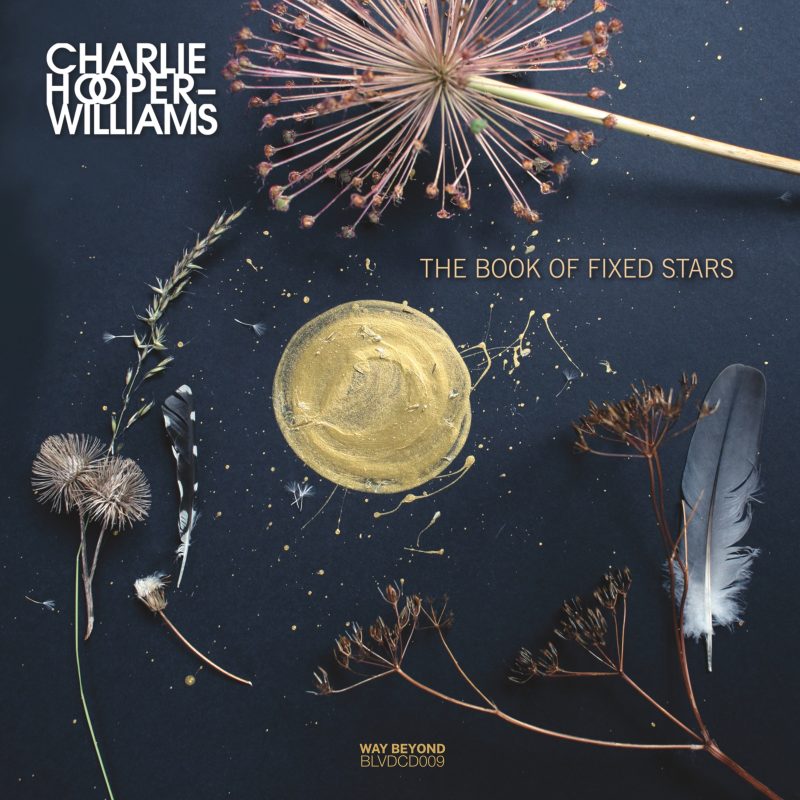
“Put it on before bed, or first thing on an easy weekend morning.
“This is music for people who like ‘neoclassical’ piano music but want some compositional meat in there. It’s important to me that music doesn’t require training to ‘get’ or enjoy, but that doesn’t necessarily mean keeping things simple – just that the music has to speak clearly and have something to say.
“Put me next to Nils Frahm or Ólafur Arnalds if you want a jumping-off point.”
Talk us through the ‘postclassical’ genre…
“Ultimately it’s about removing barriers. ‘Classical’ music can feel distant, frozen, in a museum or like you need to know the rules to enjoy it properly.
“‘Postclassical’ is about taking the types of emotional experiences you can have with classical music and putting them alongside nonclassical/pop/electronic elements. This generally means melodic, tonally-centred music, but within that it can be pretty adventurous, especially with texture and production.
View this post on Instagram
“As a classical listener you’re generally at a distance, in the audience. The postclassical aesthetic aims to put you in the performer’s seat or even make it feel like you’re ‘inside’ the instrument.
“There’s a great scene in Bristol of people making this kind of music— JOW and Cuculi Records, Alexandra Hamilton-Ayres, Tess Tyler.
“We each have our own tastes, of course, but there’s a cohesiveness in terms of wanting to fling the door open and bring lots of people in to see and hear exciting new music that’s expressly welcoming.
How do the live visuals contribute to your performance?
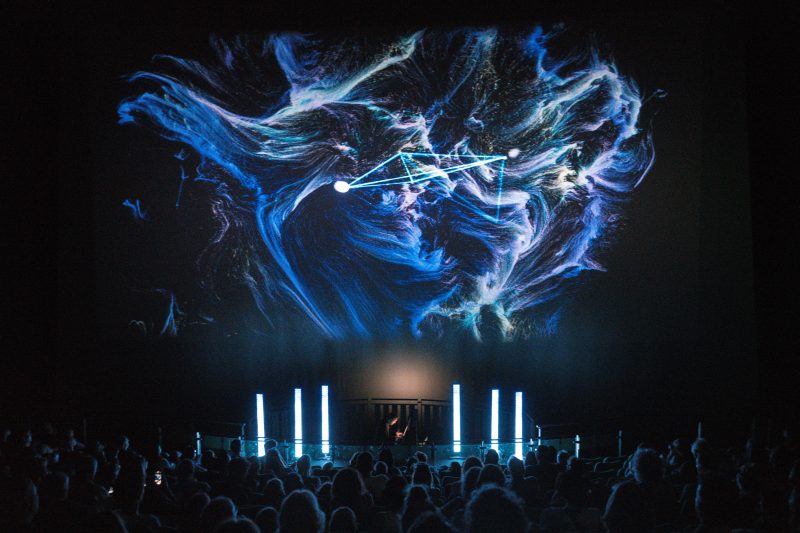
Hooper-Williams pairs music and technology using Otto, his own custom-built projection system, to create real-time visuals that respond to each note as he plays it – photo: Ania Shrimpton
“The visuals help the audience experience the music as if they already know it.
“When you listen to a piece for the first time, you don’t know how long it is or where you are in its overall arc. One of the nice things about listening to music you know inside and out is you can experience the drama of the piece while understanding how each moment relates to the whole.
“The live visuals aim to do that for a first-time listener, highlighting section changes, dramatic moments and overall structure.”
What are your hopes for your event series Postclassical Assembly?
“The aim is to bring new sounds into people’s ears that they enjoy.
“A Postclassical Assembly show is much closer to a gig than a traditional classical concert. People relax into it, listen deeply, and there’s a real sense of sharing a space rather than being spoken at from a stage. It’s about atmosphere and immersion rather than formality.”
What can people expect from the next show, on March 29?
“Poppy Ackroyd’s music is especially powerful in a room like Lantern Hall. She works very physically with the piano, often reaching inside the instrument to pluck and damp strings, and builds fragile, luminous textures live through looping. With the visuals and lighting, it feels like watching the music assemble itself in real time.
“Snorri Hallgrímsson brings a different but complementary energy — expansive, cinematic Icelandic piano music that feels both intimate and wide-open. This will be his first time performing in Bristol.
“I’ll also be performing new material as part of the evening. For me the joy of these nights is shaping a flow where each set opens up a different way of listening.
“If you’re curious rather than “classical”, this is very much for you. There’s no dress code, no etiquette to worry about, and no sense that you’re meant to understand anything in a particular way. It’s about turning up, being present, and leaving feeling like time has stretched a bit.”
What’s next for your own musical endeavours?
“I’m heading into the studio to start recording my next album this spring. It centres on my “harmonics machine”, a device that attaches to the piano’s strings and opens up a set of sounds I genuinely didn’t know were possible.
“I’ve also had the massive honour and surprise of being asked to write a piano concerto for Bristol Classical Players.
“It’s a very large project— 30 minutes of music for 50 players, plus a demanding solo piano part, plus visuals. I’m somewhere between excited and terrified, which usually means I’m in the right place creatively. I’ll be developing the piece ‘in public’, sharing the process as it takes shape.”
The next Postclassical Assembly with Poppy Ackroyd, Snori Hallgrimmson and Charlie Hooper-Williams takes place in the Lantern at Bristol Beacon on March 29. Find out more at postclassical.co.uk
Main image: Charlie Hooper-Williams
Read next:
 Our newsletters emailed directly to you