Art / Martin Parr
Exploring the legacy of Martin Parr
In a change to the planned schedule, it has been announced that an exhibition of The Last Resort – the work which defined the late Martin Parr’s career – will go on display at the Martin Parr Foundation in February.
The world-renowned photographer died in December at the age of 73, after living with cancer for several years.
Coinciding with the 40th anniversary of Parr’s self-published book of The Last Resort, as well as the inaugural exhibition at London’s Serpentine Gallery in 1986, the decision to show this collection of images is something the photographer himself would have approved of.
is needed now More than ever
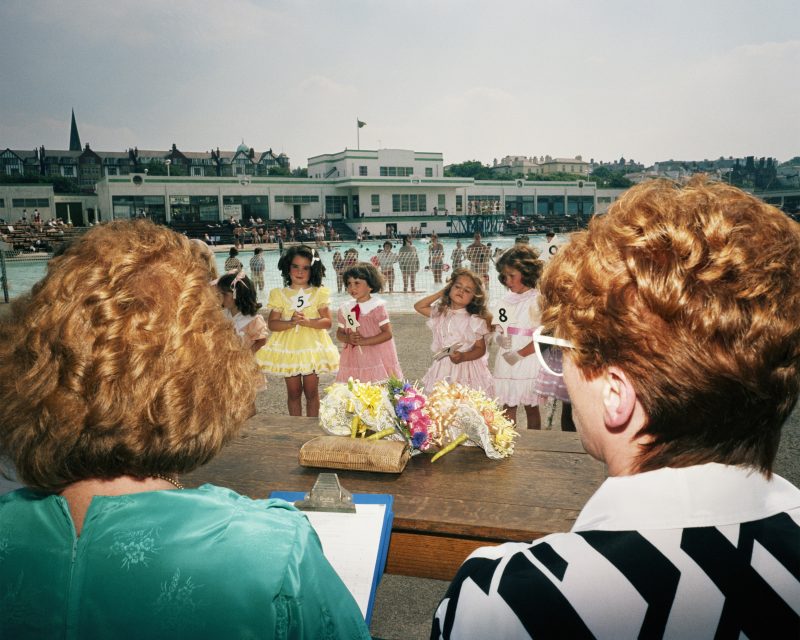
When first exhibited in 1986, the images generated controversy and critical debate
“The pictures from The Last Resort still hold very well”, he is quoted as saying. “When I get to the Pearly Gates, those are the ones I’d probably get out first!”
For Martin Parr Foundation director Jenni Smith, the photographs also hold a particular potency, as well as a lens through which to view a formidable artistic life.
“This exhibition allows us to reintroduce visitors to one of Martin’s seminal bodies of work”, she reflects. “The Foundation felt it was important to mark Martin’s death whilst celebrating his remarkable career and legacy.”
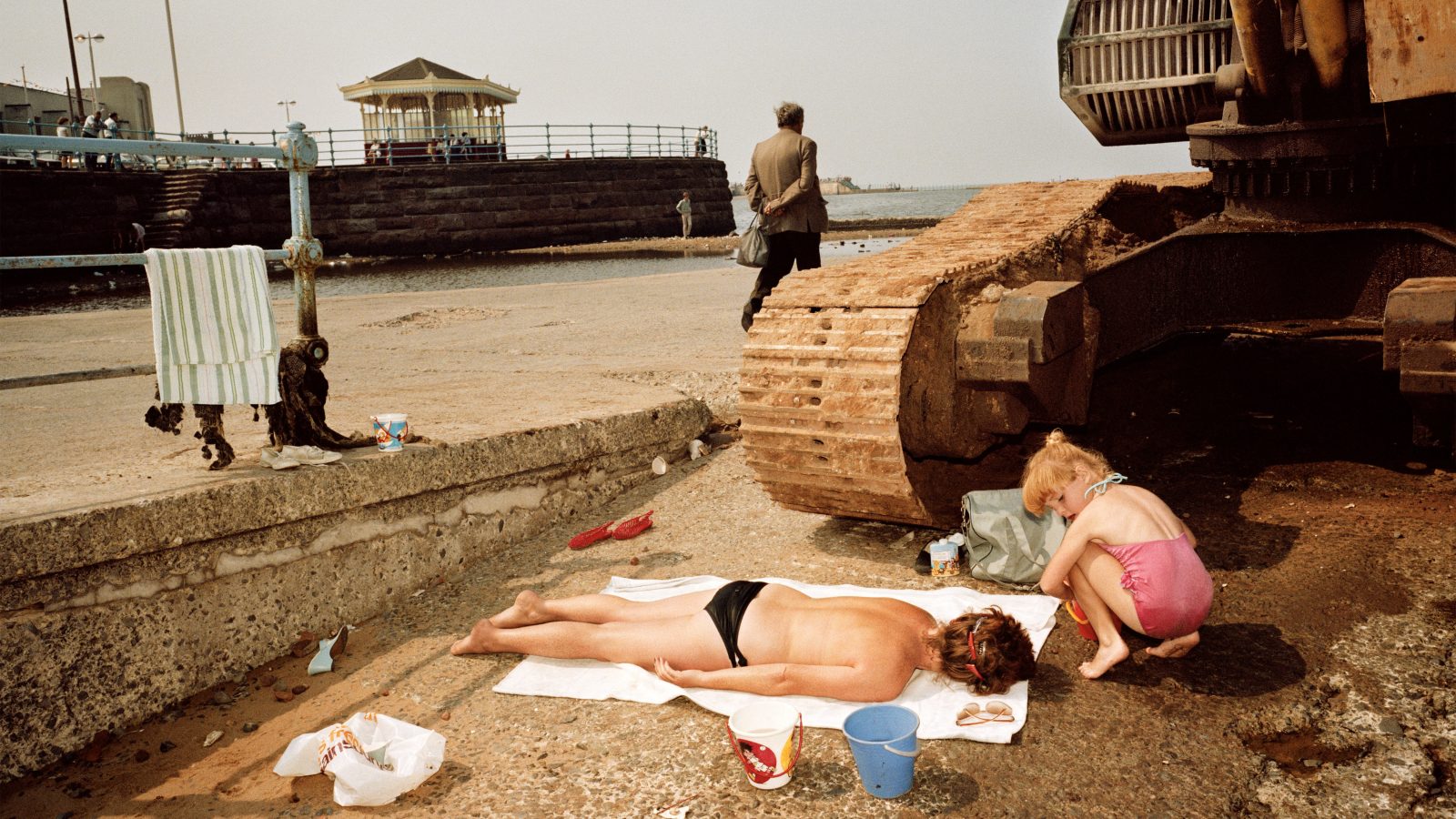
The images reflect the Merseyside resort of New Brighton, in what Parr dubbed “a particular moment in the 80s… in the midst of Thatcherism”. On the northern tip of the Wirral peninsula, New Brighton was a stone’s throw from Wallasey, where Parr had moved with his wife Susie in 1983.
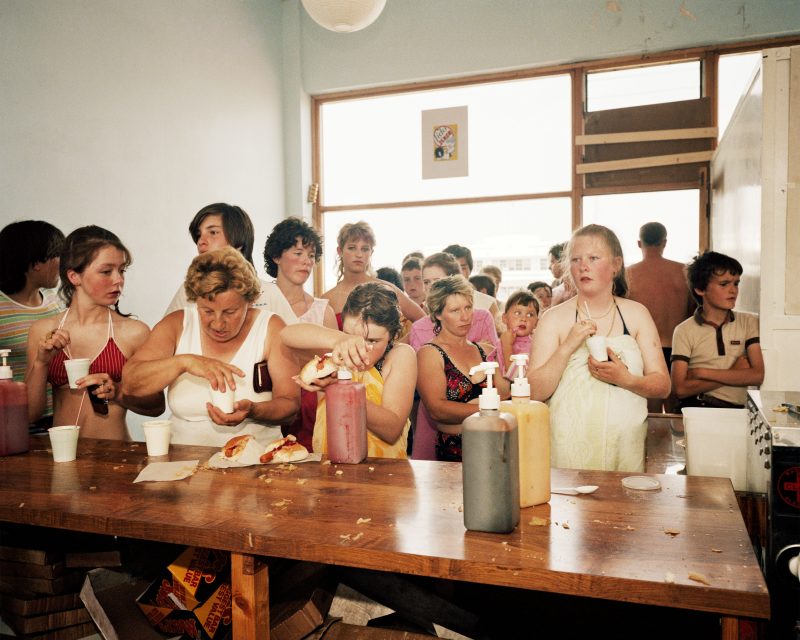
The series was shot between 1983 and 1985 and is known for its saturated colours and raw portrayal of working class Britons at leisure
Originally developed in the 1830s as a rival to ‘Old Brighton’ on the south coast, a century on, it had become run-down, its litter-strewn streets besieged by a shrinking economy.
It was here that Parr captured, in full colour, the British at leisure; from the concrete promenades to the snack bars, Wilkie’s covered fairground to the Miss New Brighton Bathing Beauty contest, and the beach to the lido (which was latterly forced to close).
Inspired by commercial photographers both sides of the Atlantic, Parr’s departure from the customary black and white medium was to prove a turning point both for his own career, and the whole genre of documentary photography in the UK.
Drawing controversy at the time for what some in the press deemed unkind, voyeuristic and patronising, the contemporary view is altogether different. “40 years later”, suggest the exhibition notes, “opinion has shifted and it is widely held that critics at the time projected their own class prejudice into the pictures.
“The value and importance of The Last Resort has been re-assessed and the photographs remain Parr’s best-known and most influential work. His engagement with and interest in the British at leisure was to occupy much of his following career.”
Alongside Parr’s famous images, the exhibition will be accompanied by photographs by Tony Ray-Jones, postcards from John Hinde, and archival ephemera including press invites, reviews, correspondence and other materials relating to the original book.
Martin Parr: The Last Resort will be at Martin Parr Foundation on Feb 20 to May 24. The previously scheduled exhibition Dark Tales: Britain and Ireland through a Gothic Lens will now open in the autumn. Visit www.martinparrfoundation.org for details of all upcoming exhibitions.
All photos: The Last Resort copyright Martin Parr / Magnum Photos

This article appears in Bristol24/7’s January/February 2026 magazine
Read next:
 Our newsletters emailed directly to you