In photos / community food growing
Hartcliffe City Farm – ‘Positive connections between people, land and food’
Hartcliffe City Farm has been a part of its south Bristol suburban community since the 70s.
A volunteer-run initiative for over 40 years, it was relaunched in 2022 by Heart of BS13, the community health-driven organisation breathing new life into the farm that had fallen into dereliction during the pandemic.
It is now a thriving community resource that offers space for nature, food growing and animals, as well as a packed programme of activities including everything from cooking for wellbeing to wild play, dementia respite and ‘scribble and sketch’ art sessions.
is needed now More than ever
At the heart of the project is a belief in a regenerative culture and building the connection between people, plants and animals that enhances physical, mental and environmental health.
“It is so important to bring community into nature regeneration, especially young people,” says general manager Ellie Vowles. “We have a big focus on education and wellbeing here. Taking care of nature and nurturing the land is great for all life, including people!
“We’re not only regenerating land, soil and our site but also re-engaging with a community that has seen the farm develop through the ages – since 1979 when it was first a community farm!”
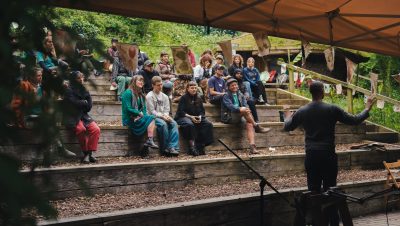
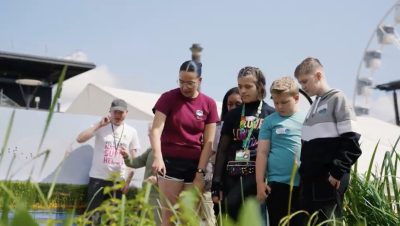
Here, Ellie shares further thoughts on the farm’s approach and why it matters alongside images from the photo project on Bristol’s Regenerative Culture by Mark Simmons.
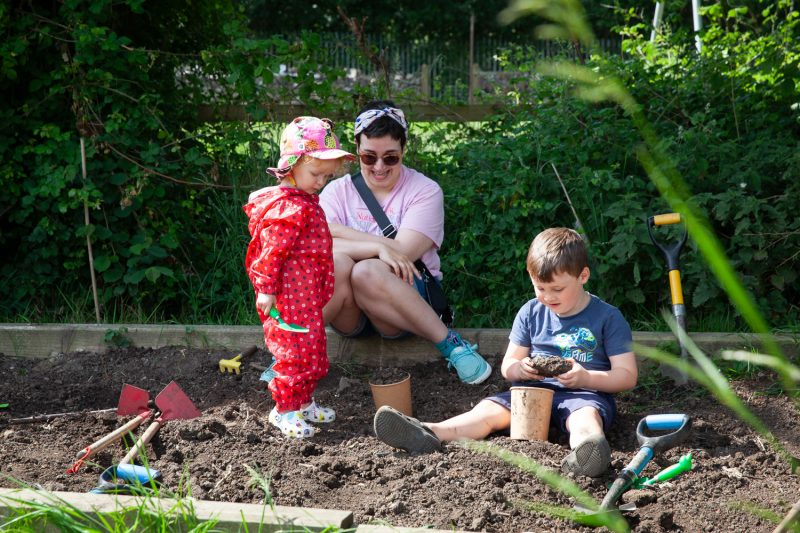
Describe the farm for those that have never visited…
“Hartcliffe City Farm is a beautiful 6.5-acre site with gardens, a farmyard with various animals and a playful barn and cafe trailer.
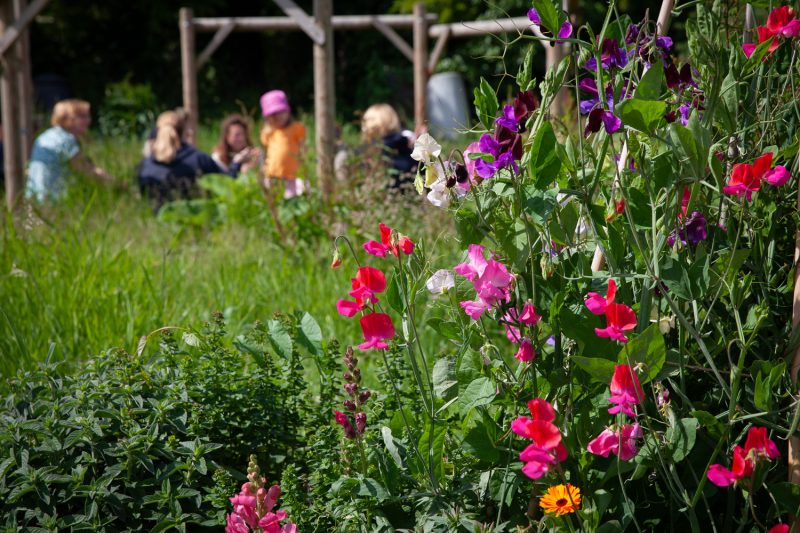
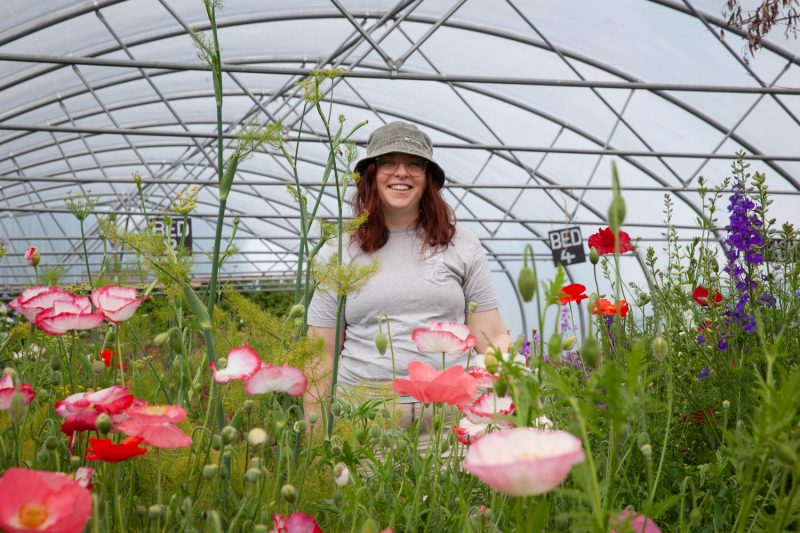
“We provide a welcoming community space, wellbeing and volunteering groups and education opportunities. We also grow produce on a small scale in a way that works with nature, for use in our food based programmes and for sale at the farm.”
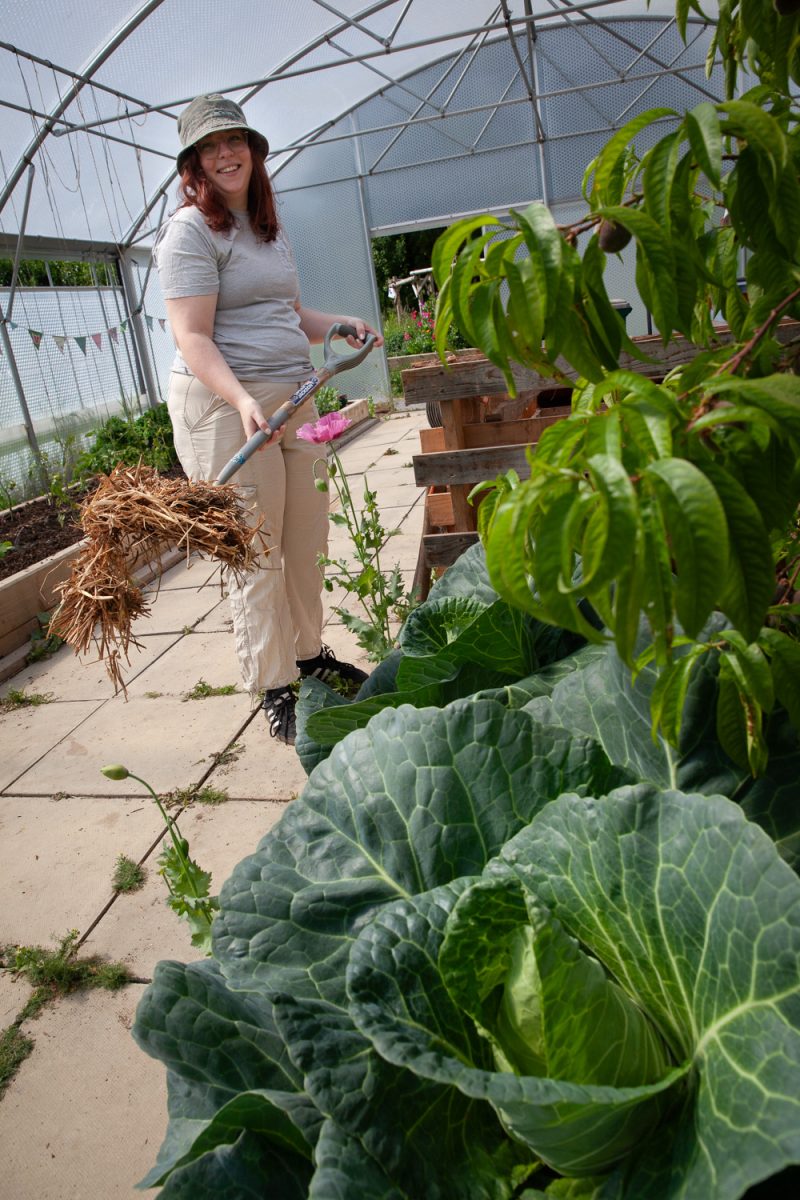
How and why are you working the land differently?
“Hartcliffe City Farm’s gardens and farmyard are multi-use and multi-purpose. They provide wellbeing and education opportunities for local people and a safe community space, as well as local produce and spaces for nature.
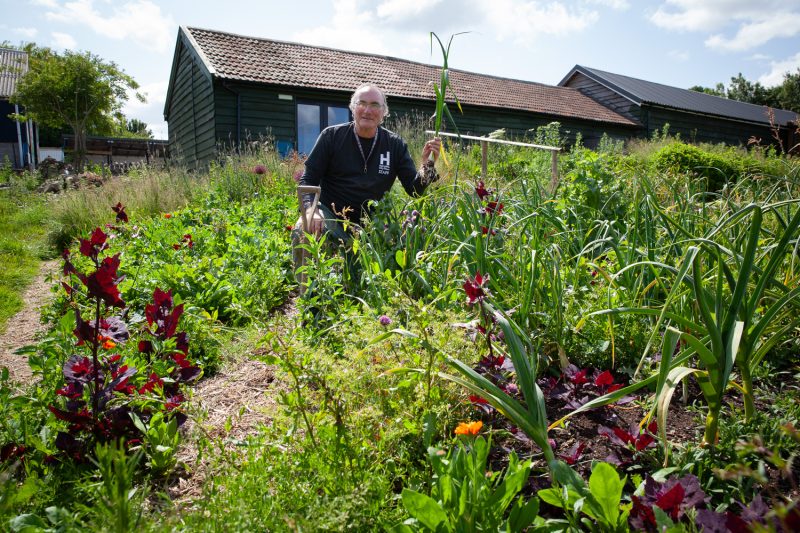
“Most of our gardens are no-dig – meaning we add mulch to the soil rather than digging it over – and we don’t use chemicals on our growing spaces.
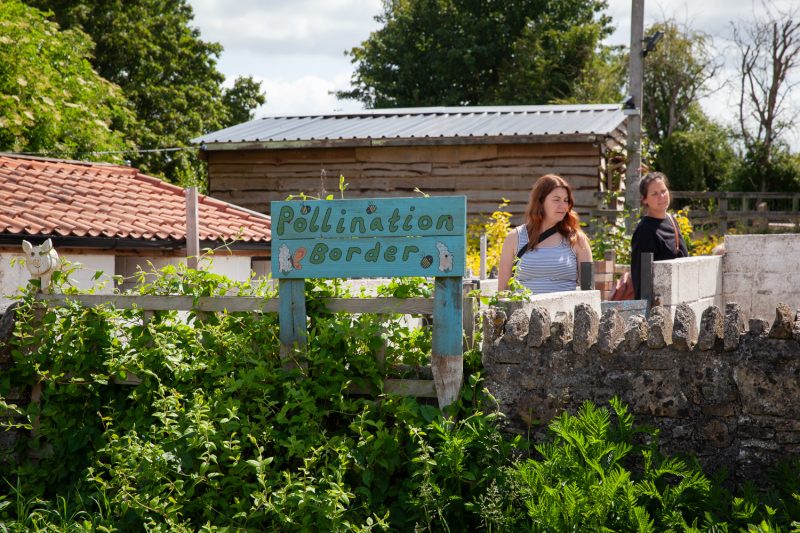
“We use companion planting and leave spaces wild, working with nature instead of against it. Three large ponds on site have meant we now see lots of toads and frogs around, and they provide great slug control!
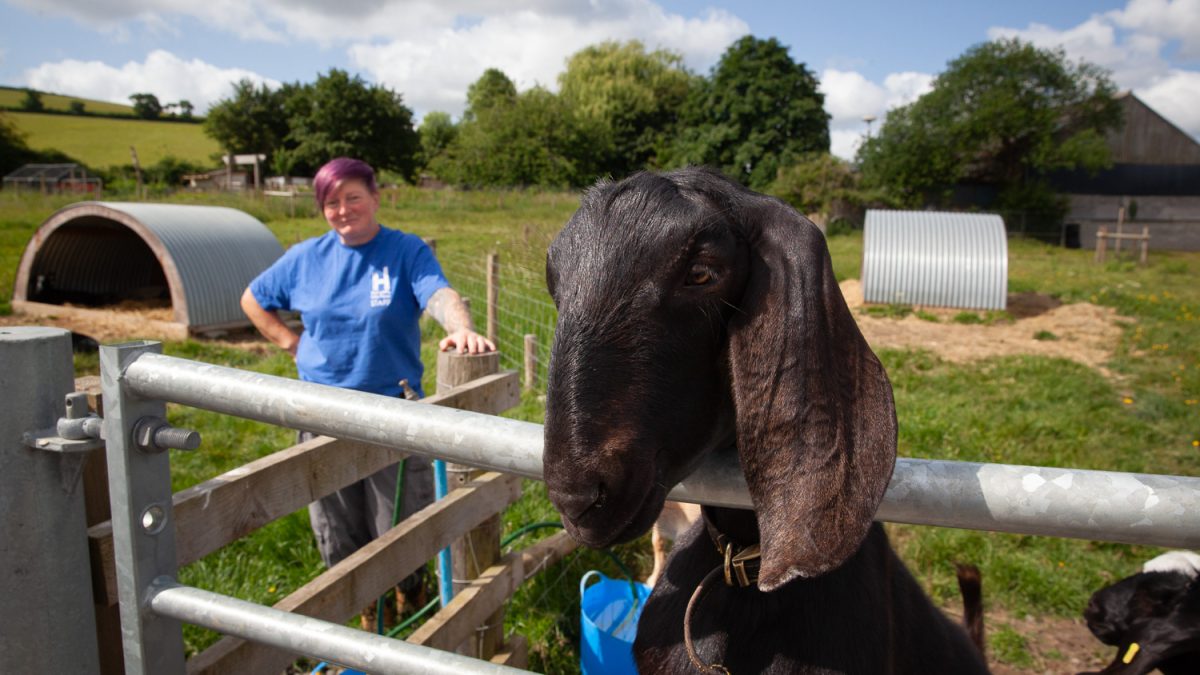
“We have a small number of animals on site including sheep, turkeys, chickens, goats and guineapigs. The rotation of our animals into different fields and paddocks protects both the land and our animals, reducing the impact on the soil and biodiversity, and preventing the build up and spread of parasites.”
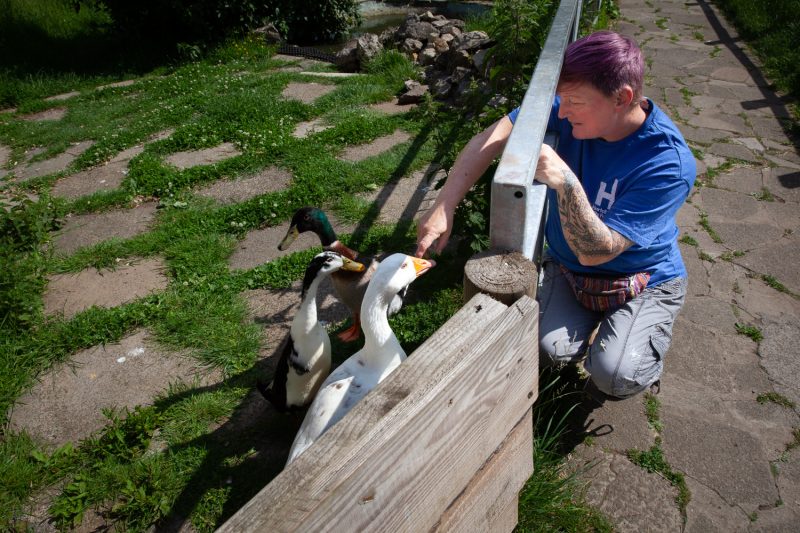
What is the impact of using this nature-friendly approach?
“The soil has vastly improved each year with the addition of mulch – our heavy clay soil is gradually becoming easier to grow in.
“We see slow worms, frogs, toads, a range of birds, butterflies, bees and other insects thanks to the preservation and creation of habitats on site. This in turn means that our gardens are pollinated, and slugs and other critters are kept at healthy numbers!
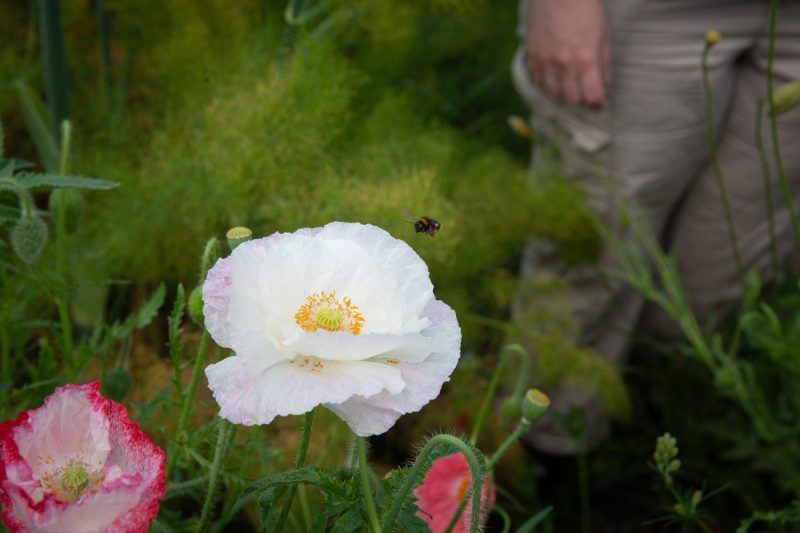
“Keeping a smaller number of animals on site means that they receive more attentive care and that they are healthier and happier.”
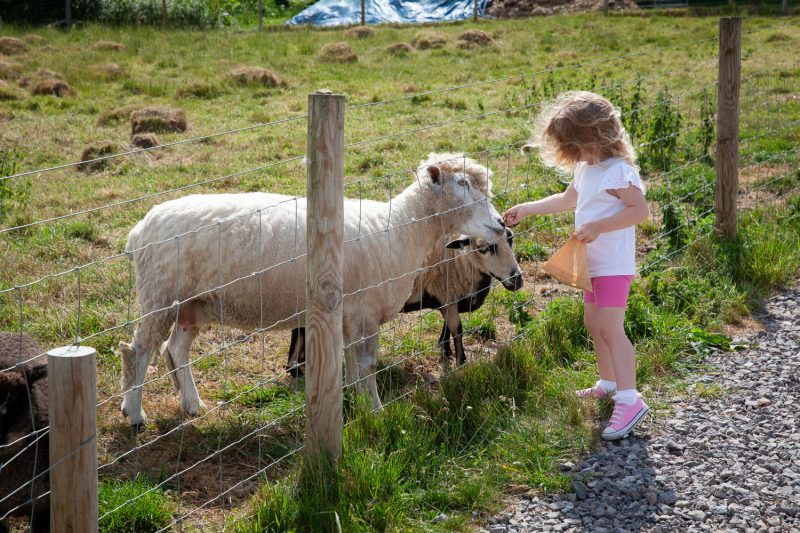
What has been the reaction of people who spend time on the farm?
“Our visitors, volunteers and staff have found the increased biodiversity on site amazing to see.
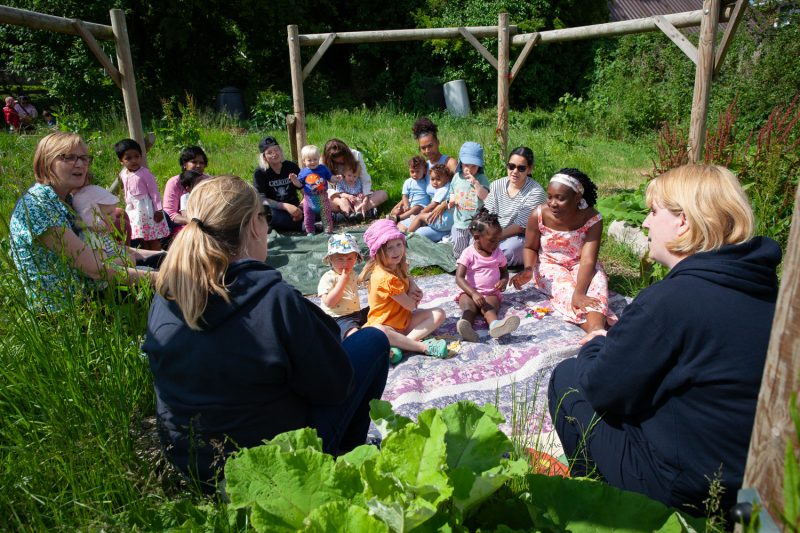
“The farm offers a peaceful place for people of all ages. As well as regenerating the land and buildings at HCF we have been building our work with the community.
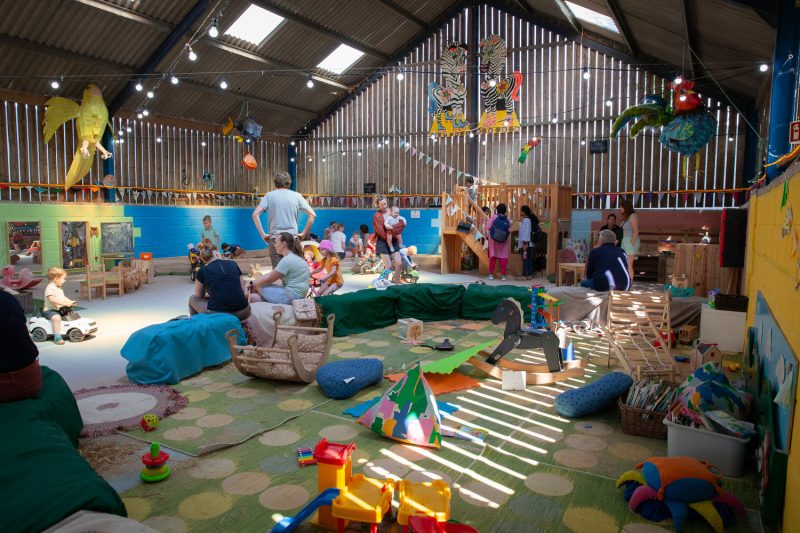
“One key part of this is ensuring that children and young people are able to connect with nature so that they can feel the joy of being outside and learn to care for our environment as they grow older.”
What’s your vision for the farm?
“Our vision is to see improved wellbeing of all local people, environment, wildlife and our community, positive connections between people, land and the food grown here.
“Bristol is a city that has many good initiatives providing inclusive community space for people to get involved with land work, food growing and animal care. We would like to see this important work continue to be supported and grow.”
All images: Mark Simmons
Find more of Mark’s work at instagram.com/marksimmonsphoto If you’d like Mark to document your growing project, get in touch at [email protected]
Read next:
 Our newsletters emailed directly to you