Rugby / Bristol Rugby
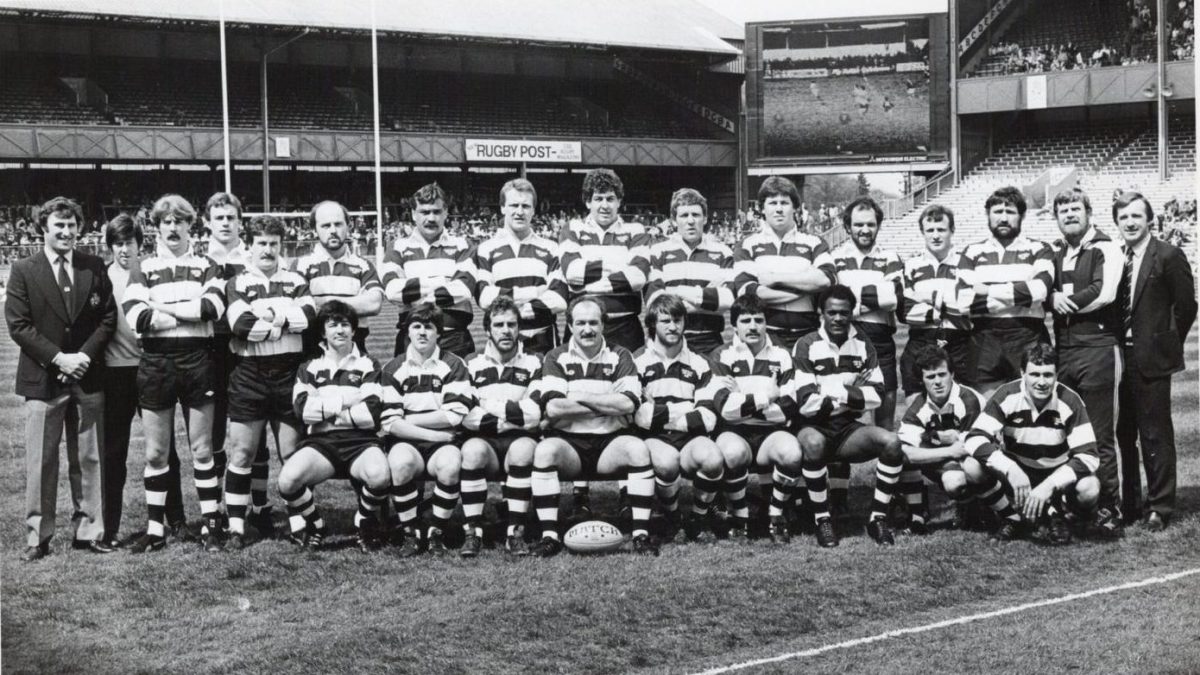
When Bristol were crowned champions of England
It is perhaps the greatest team sport achievement in Bristol’s history.
The city has had its fair share of sporting triumphs, but the fabled John Player Cup final triumph of Bristol Rugby on a sweltering day at Twickenham on April 30 1983 still takes some beating.
Bristol24/7 recently revisited that emphatic day, exactly 43 years on, with one of the heroes of the final – John Carr, who famously scored two tries in the gripping encounter.
is needed now More than ever
After years of playing free-flowing rugby, Bristol were still searching for silverware.
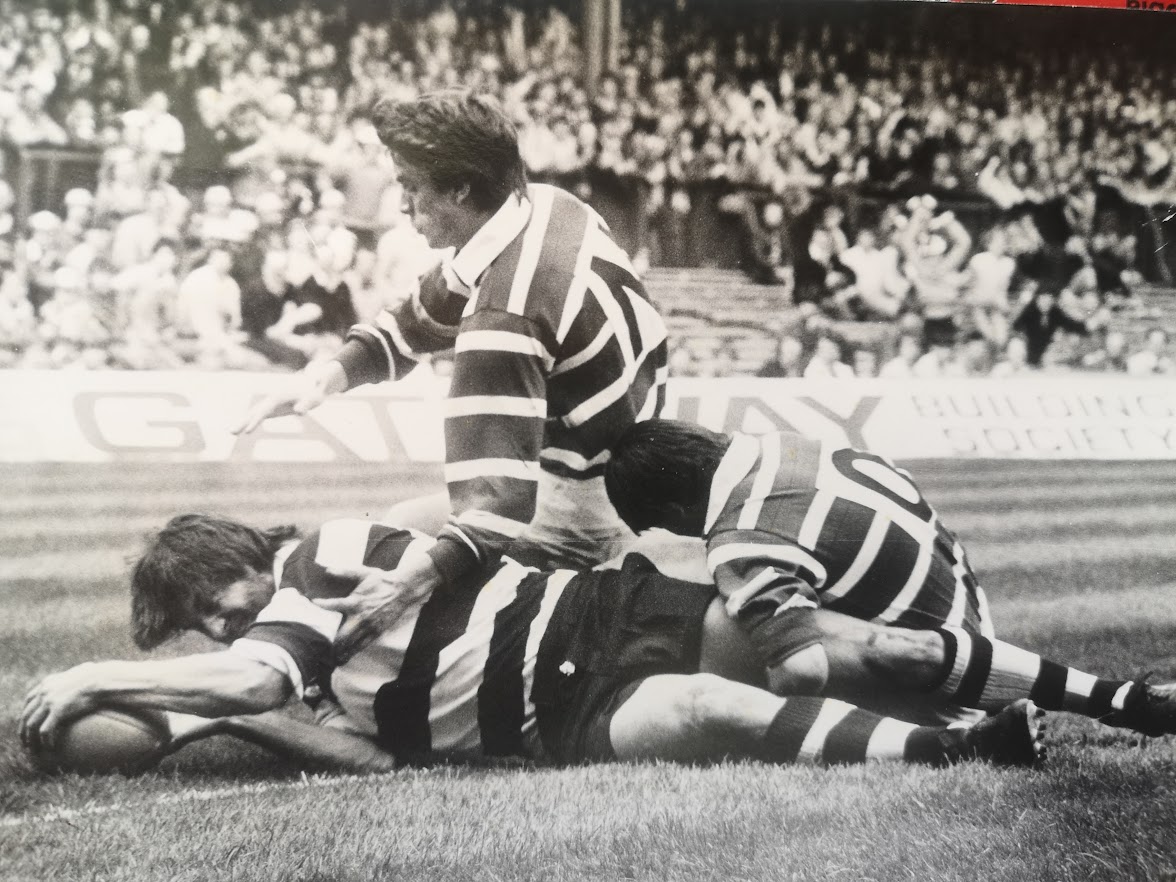
John Carr scored two tries in the final against Leicester in the 1983 John Player Cup to seal the victory for Bristol – photo: John Carr/Bristol Rugby
Despite an imperious run in the 1981/82 competition, their hopes were dashed in Liverpool, falling just two stops short of a trip to Twickenham.
But in 1982/83, against the odds and navigating a punishing fixture list, Bristol met Leicester in a contest that would be etched into Bristol’s sporting folklore.
Memories of past heartbreak still lingered. Bristol’s previous final appearance a decade earlier had ended in defeat to Coventry.
For players like winger Alan Morley – the sole survivor from that side against Coventry – the hunger for silverware remained.
Standing in their way were a formidable Leicester side. Led by the decorated Steve Johnson in his final match, they had dominated the era – five finals in six years and three cup wins in the previous four.
Leicester ranks even included a certain Clive Woodward. The stage was set, perhaps more for Bristol than Leicester, who had cruised to Twickenham.
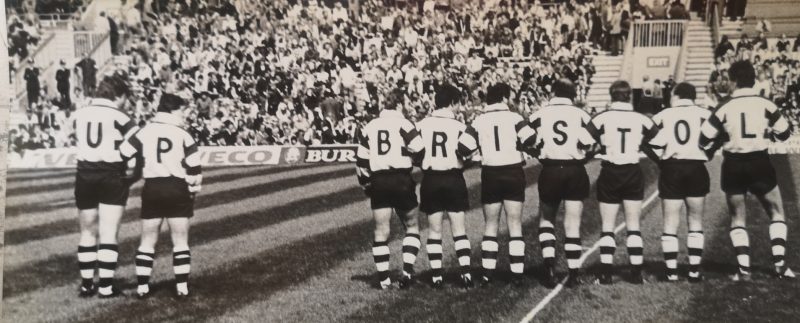
The famous “UP BRISTOL” photo op in the final where both teams wore letters instead of numbers – photo: John Carr/Bristol Rugby
Speaking to Bristol24/7, Carr recalled that every round en route to the final was played away from home.
Bristol were led by the inspirational captain Mike Rafter – “The Grafter” – a fiercely competitive leader who also captained Gloucestershire and was part of England’s 1980 Grand Slam squad.
A product of St Brendan’s Grammar School (now St Brendan’s Sixth Form College), Rafter earned 17 England caps and enjoyed a varied representative career, including appearances for the Barbarians and in an unofficial Lions tour to Zimbabwe, where he scored in a Test.
Bristol saw off Harrogate and Bedford comfortably, 33-15 and 20-10, but the quarter-final against West Hartlepool was a nerve-shredder, settled by just two points after the hosts missed several kickable penalties. The tension was such that coach David Tyler reportedly had to leave the ground at half-time to catch his breath.
The sneerings from the doubters only fuelled the eagerness of the squad. Writing in The Telegraph, John Reason scorched Bristol as the “worst team in the country” who “couldn’t beat the skin off a rice pudding”.
The response was emphatic – a 23-3 dismantling of Coventry, the very side who had denied them a silverware a decade earlier, sealing their place in the final.
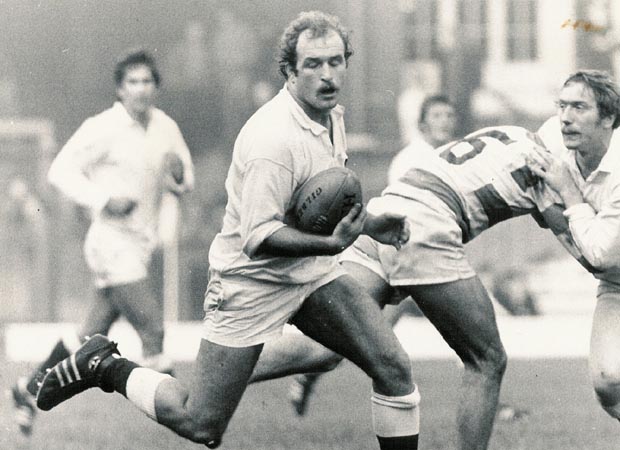
Bristol was led by the inspirational captain Mike “the Gaffer” Rafter – photo: The Rugby Paper
Carr, ever-present throughout the run, had the distinction of scoring in every fixture leading up to the final.
And then there was chaos before kick-off in the final.
Staying in Maidenhead, the squad travelled in on the day, only to be caught in gridlock near the ground. With time ticking, club secretary Alan Ramsey jumped off the coach near Kew Bridge to find a phone box, in an era before mobiles, to call for a police escort.
By the time traffic cleared and the team rolled on, Ramsey had been left behind. He eventually made it to the ground drenched in sweat after running the final stretch, only to be turned away by the stewards and had to pay to get in.
In the “alphabet final” where both teams wore letters instead of numbers, Bristol posed for an impromptu “UP BRISTOL” much to the delight of the travelling fans from Bristol, which formed a substantial portion of the 34,000 in attendance.
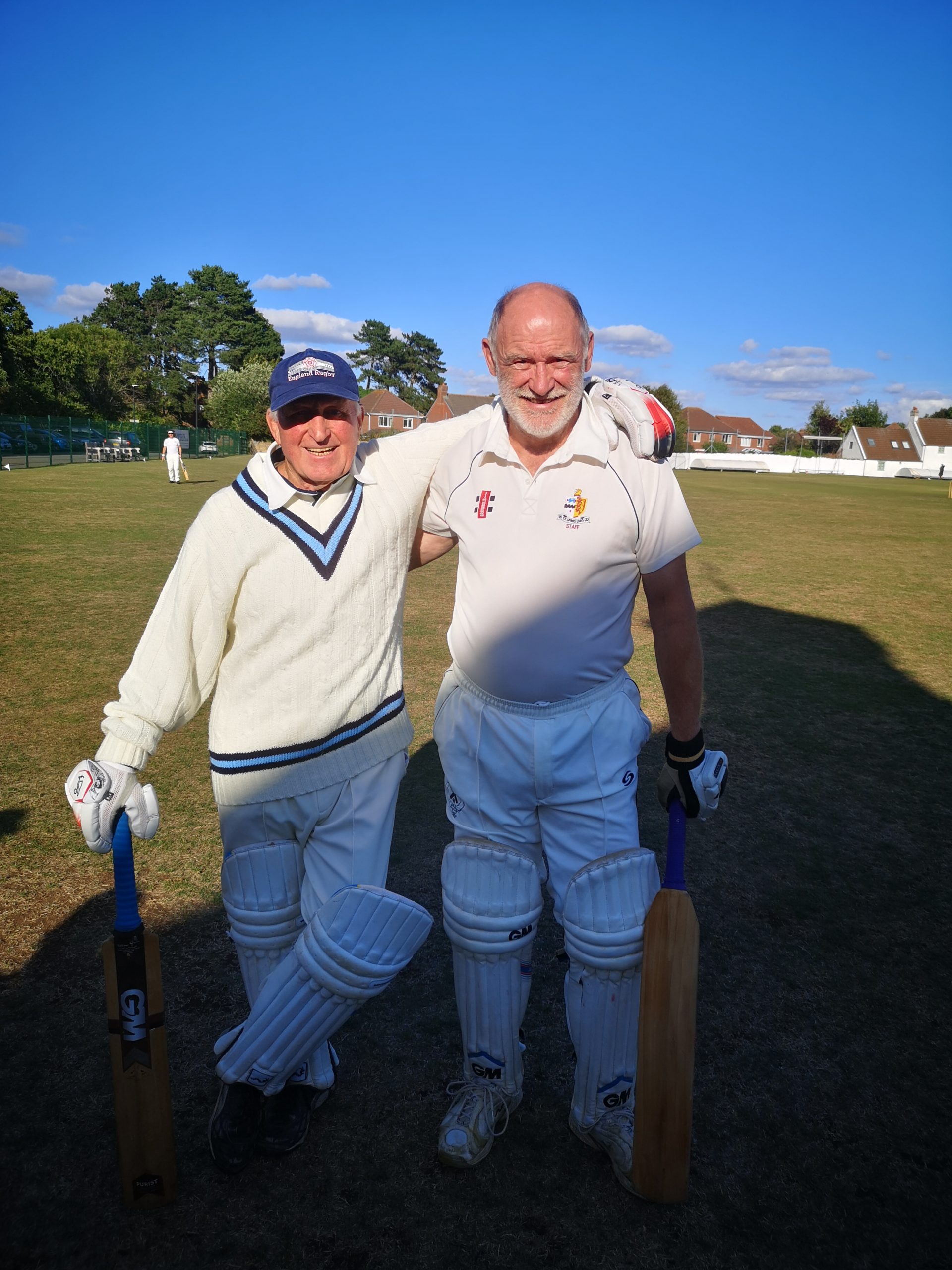
Bristol Rugby’s cup-winning captain Mike Rafter with stellar winger John Carr united in a cricket match for St Bonaventure’s CC – photo: Milan Perera
Bristol came back from behind.
Bristol edged a brutal, free-flowing contest to beat Leicester 28 to 22 in the 1983 John Player Cup final, running in four tries.
With tries from Bob Hesford and Simon Hogg, John Carr’s brace made it four.
Stuart Barnes added three conversions and two penalties, while Leicester replied with tries from Barry Evans and Ian Smith, plus four penalties and a conversion from Les Cusworth.
It was a draining, end-to-end encounter played in searing heat, with Bristol holding their nerve in a classic “ding-dong” final despite Leicester arriving as favourites.
Carr recalled: “The Rugby Cup final of 1983 between Bristol and Leicester stands out in my memory. I was fortunate to be part of a team playing expansive rugby. In that season, I scored in every round, including two in the final. Interestingly, every game was played away from home.”
The squad included Huw Duggan, Alan Morley, Ralph Knibbs, Simon Hogg, John Carr, Stuart Barnes, Richard Harding, John Doubleday, Kevin Bogira, Austin Sheppard, Alf Troughton, Nigel Pomphrey, Pete Polledri, Mike Rafter (c) and Bob Hesford.
The squad was bolstered with the replacements of Dave Palmer, Phil Cue, Dave Sorrell, Lawrence Yandell, Mark Tomlin and Peter Stiff.
He added that the final at Twickenham was interesting as it was the first instance of the game where both teams had permission to field six substitutions.
Carr said: “Both teams used letters to distinguish players, which meant Bristol could use extra letters “R,S, T and U” for the first time. This allowed us to spell out “UP BRISTOL” which led to a famous picture in Bristol’s history.”

A certain Clive Woodward played in the 1983 John Player Cup final representing the colours of Leicester – photo: Clive Woodward
Bristol returned to Twickenham the following year for another John Player Cup final, this time against local rivals Bath.
But Bath prevailed by the narrowest of margins, winning 10 – 9.
It was agony for Bristol players and their fans, as a missed penalty from around 30 yards when the clock was on red – from a relatively comfortable angle – denied them the chance to edge their rivals and secure back-to-back cup wins.
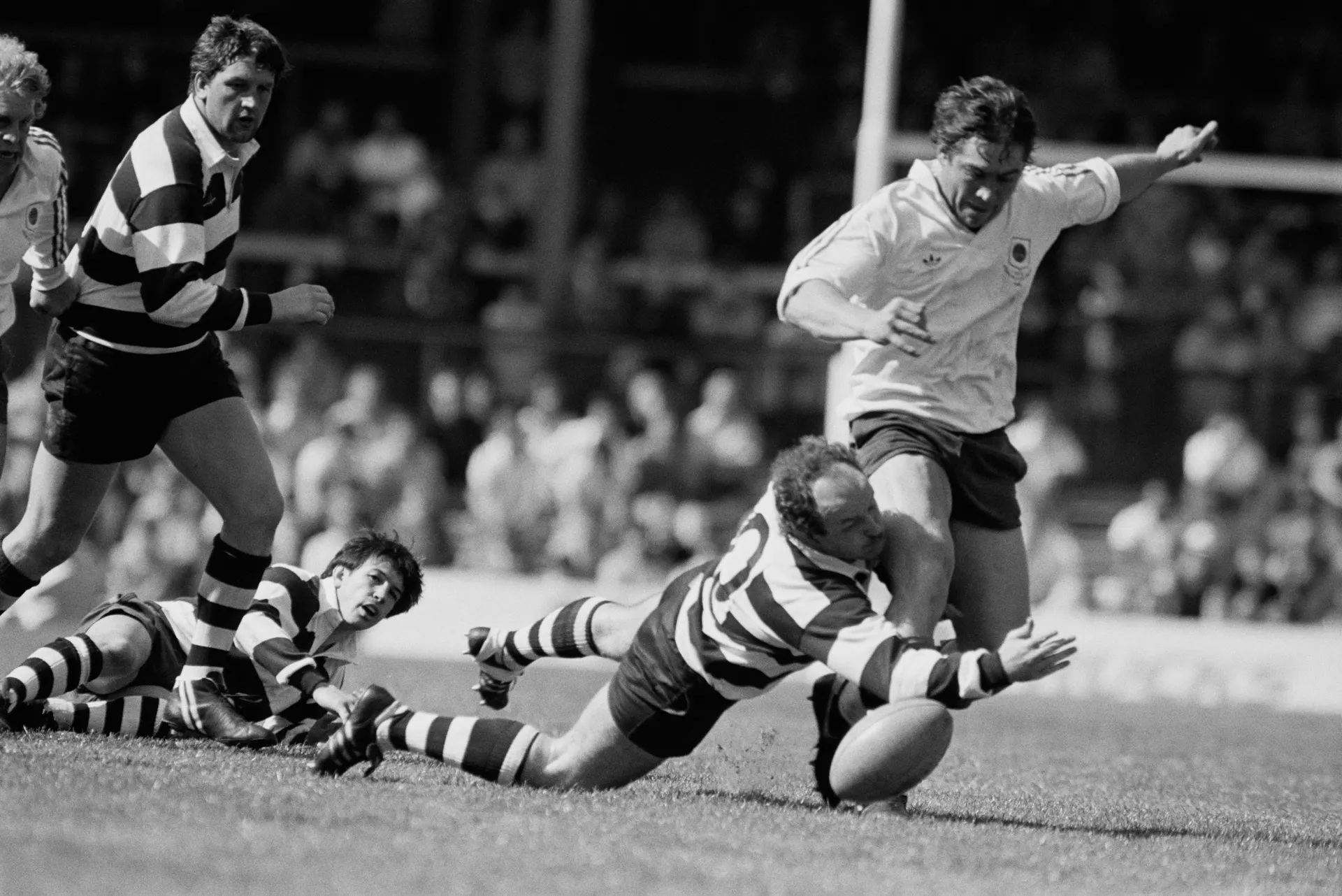
Bristol returned to Twickenham for a back-to-back John Player Cup final in 1984, but their opponent Bath prevailed by the barest of margins, which dawned a golden era for the local rivals that resulted in ten domestic cups in 13 years – photo: Bath Rugby
Fate has a way of surprising us, none more so than for John Carr. The winger who carried the dreams and aspirations of Bristol Rugby hails from the north of England. A Geordie through and through, he still follows the exploits of the Magpies avidly.
Carr moved to Bristol in the late 1970s, where he fell in love with the city and made it his home.
He studied mathematics at the University of Bristol between 1978 and 1982. There, he met his wife Bridget and settled down in the city for good.
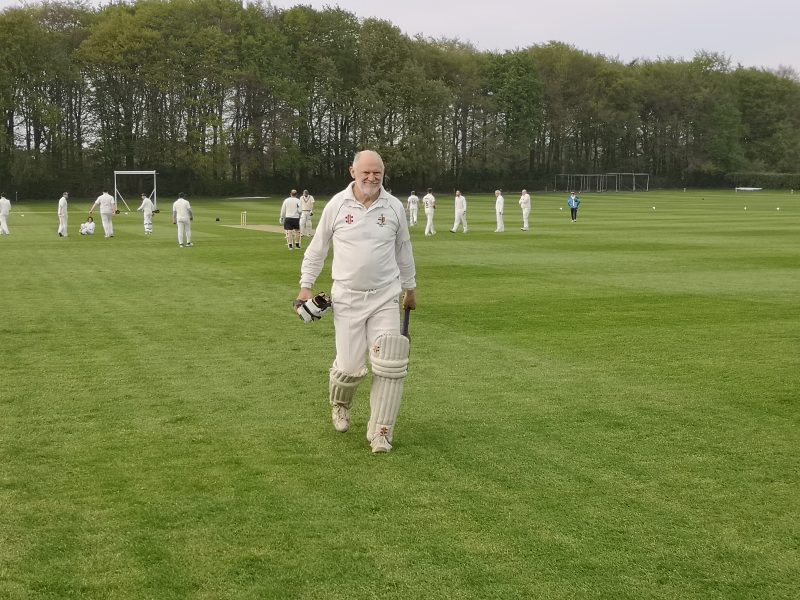
Equally at home with cricket, John Carr is a founding member of the recreational cricket club St Bonaventure’s CC in Bishopston – photo: Milan Perera
In the days before rugby went professional, he balanced an illustrious playing career with a distinguished career in teaching, working at several schools including St George Community College (now The City Academy), Filton High School – the predecessor to Abbeywood Community School and later Bristol Grammar School from 2010.
After hanging up his boots, Carr dedicated his time to developing the next generation of players as both a coach and referee.
Still active at Bristol Grammar School, he coaches the Senior Second XV. His commitment to young people was recognised through his preparation of them for the Duke of Edinburgh’s Award over the years, earning him a personal letter of commendation from the Earl of Wessex in 2021 and a special coin from the Royal Mint.
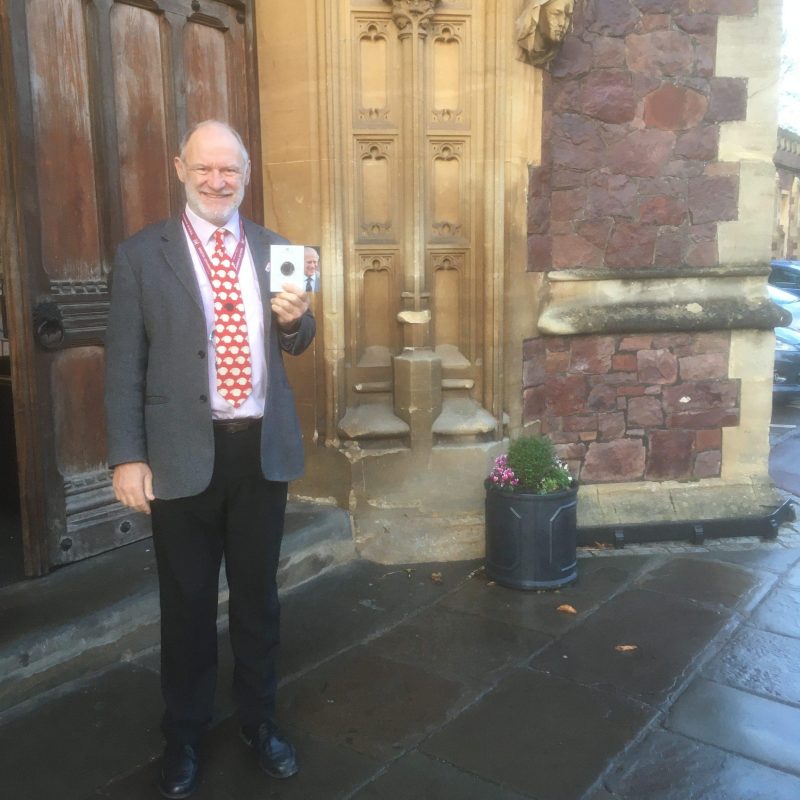
Bristol winger John Carr enjoyed a successful parallel career as a teacher which culminated in a Royal recognition for preparing students through the Duke Edinburgh Award – photo: Bristol Grammar School
Equally at home with cricket, Carr is also one of the founding members of St Bonaventure’s Cricket Club in Bishopston, which dates back to 1991.
Main photo: Bristol Bears
Read next:
 Our newsletters emailed directly to you