Your say / Hospitality
‘When pubs close, communities lose something that cannot be replaced’
I am writing this as the co-founder of World Famous Dive Bars Group, a Bristol-based hospitality business that employs around 130 people across the city.
I want to start with some humility. We operate as a small group and that means we have a degree of flexibility and resilience that many in our sector simply do not.
Even for us, the pressures now landing are severe. For the thousands of owner-operators, sole traders and family-run pubs across the country, they are existential.
is needed now More than ever
Those are the people sitting behind the bar every night, working seven days a week, trying to scrape together a living wage while keeping a venue alive for their community.
They do not have the ability to absorb shocks, restructure costs or spread risk across multiple sites.
When policy decisions go wrong, they do not bend — they break.
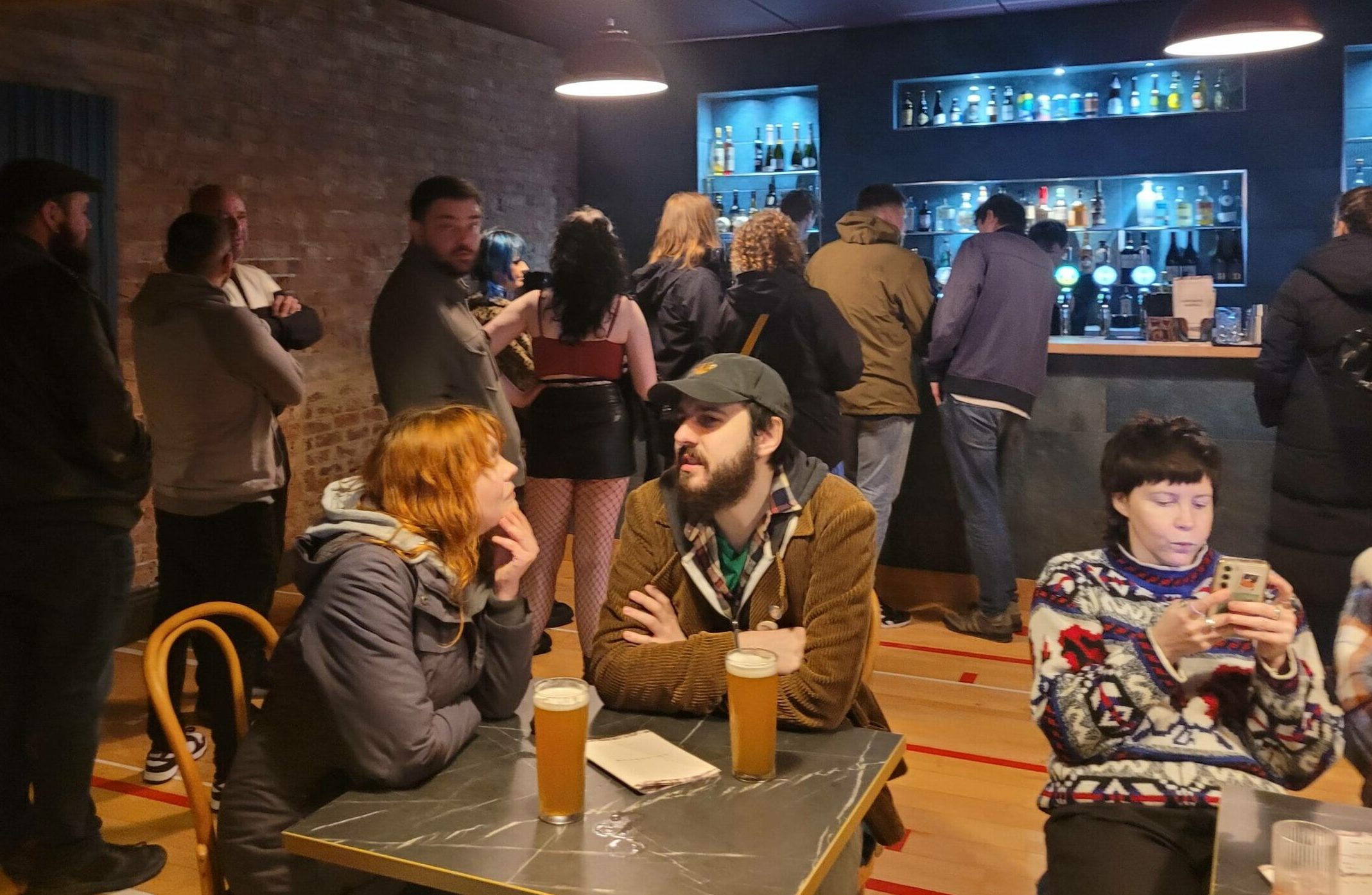
The Colosseum in Redcliffe is among a number of pubs recently revived by the World Famous Dive Bars Group – photo: Ellie Pipe
Over the past few weeks, we have received confirmation from the Valuation Office Agency of our new rateable values, effective from April 2026.
These valuations were meant to reflect a system that would reduce pressure on hospitality and support growth.
What we are seeing instead is a sharp and widespread increase in fixed costs, landing on a sector that is already stretched to breaking point.
At several of our Bristol venues, rateable values are rising dramatically translating into tens of thousands of pounds per year in additional business rates once fully phased in.
These are not theoretical numbers or marginal changes.
They are permanent cost increases that arrive on top of rising wages, energy bills, insurance, security costs, supplier inflation and debt accumulated simply to survive the last few years.
We have already done what businesses are repeatedly told to do. We have reduced opening hours. We have cut back wherever possible. We have delayed investment.
Those decisions have already meant fewer shifts and fewer hours for staff. There are no efficiencies left to find.
If these increases stand, cutting staff numbers becomes the only remaining option. That is not a threat or a political talking point. It is arithmetic.
Hospitality is a labour-intensive industry. You cannot automate a pub. You cannot replace people with software.
When fixed costs rise beyond what the business can carry, jobs are the pressure valve.
For owner-operators, it is often their own income that disappears first, followed quickly by the closure of the business itself.
This is why the current moment feels so deeply frustrating. The government speaks about growth, about getting people back into work, about revitalising high streets and town centres.
Yet the policies now being implemented push in the opposite direction.
They penalise city-centre venues, punish late-night economies and treat hospitality as a convenient source of revenue rather than as one of the largest private-sector employers in the country.
It feels tone-deaf. Worse, it feels disconnected from the reality of how hospitality works and how precarious many businesses already are.
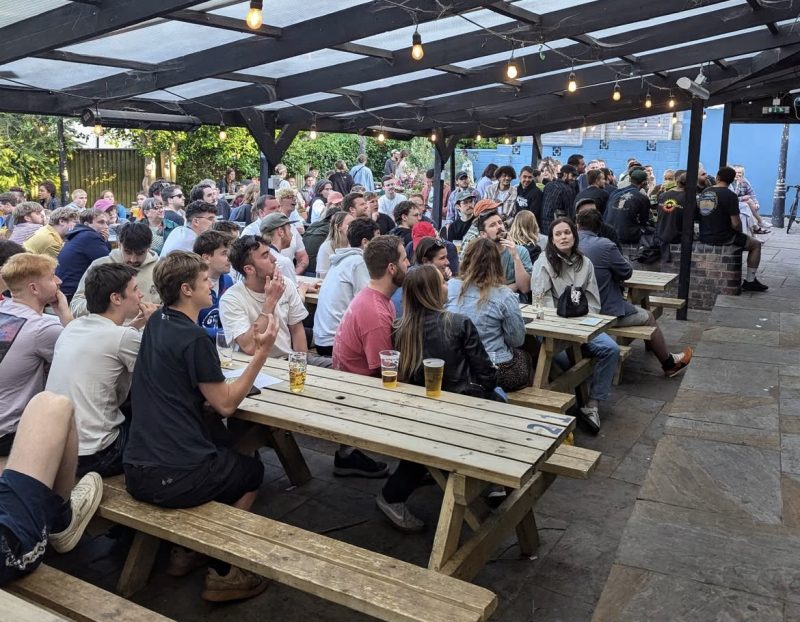
Marc Griffiths argues that rising fixed costs on top of existing pressures could well lead to job cuts in the hospitality sector – photo: The Cadbury
We are not asking for special treatment. We are asking for coherence between rhetoric and reality.
If hospitality is genuinely expected to support employment, community life and economic recovery, then policy must stop actively undermining it.
Because behind every rateable value increase is a person. A bartender. A kitchen porter. A manager. A cleaner. A young person starting their first job. A pub owner who has tied their entire livelihood to keeping the doors open.
When those jobs go, they will not come back easily. When those pubs close, the communities around them lose something that cannot be replaced.
This letter is not written lightly and it is not written to score political points.
It is written because the gap between what is being promised and what is being delivered has become impossible to ignore.
If growth is truly the goal, then hospitality needs support – not punishment.
This is an opinion piece by Marc Griffiths, co-founder of World Famous Dive Bars Group
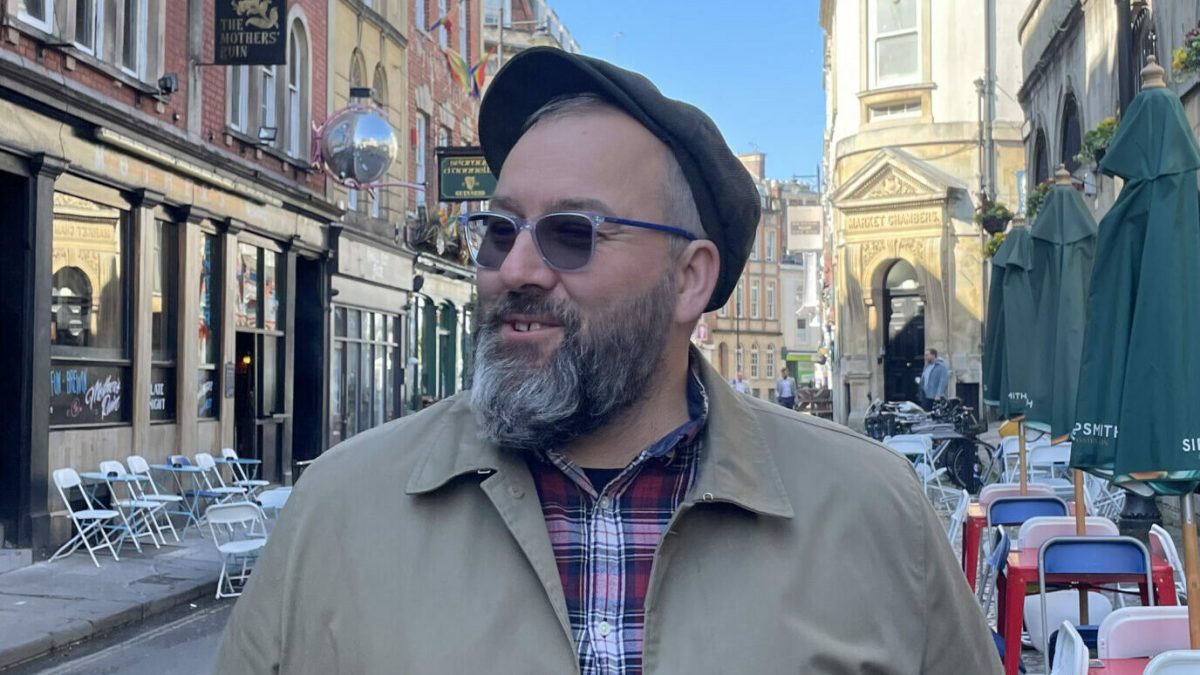
Main photo: Betty Woolerton
Read next:
 Our newsletters emailed directly to you