Your say / Politics
‘Do we now have a mayor without a mandate?’
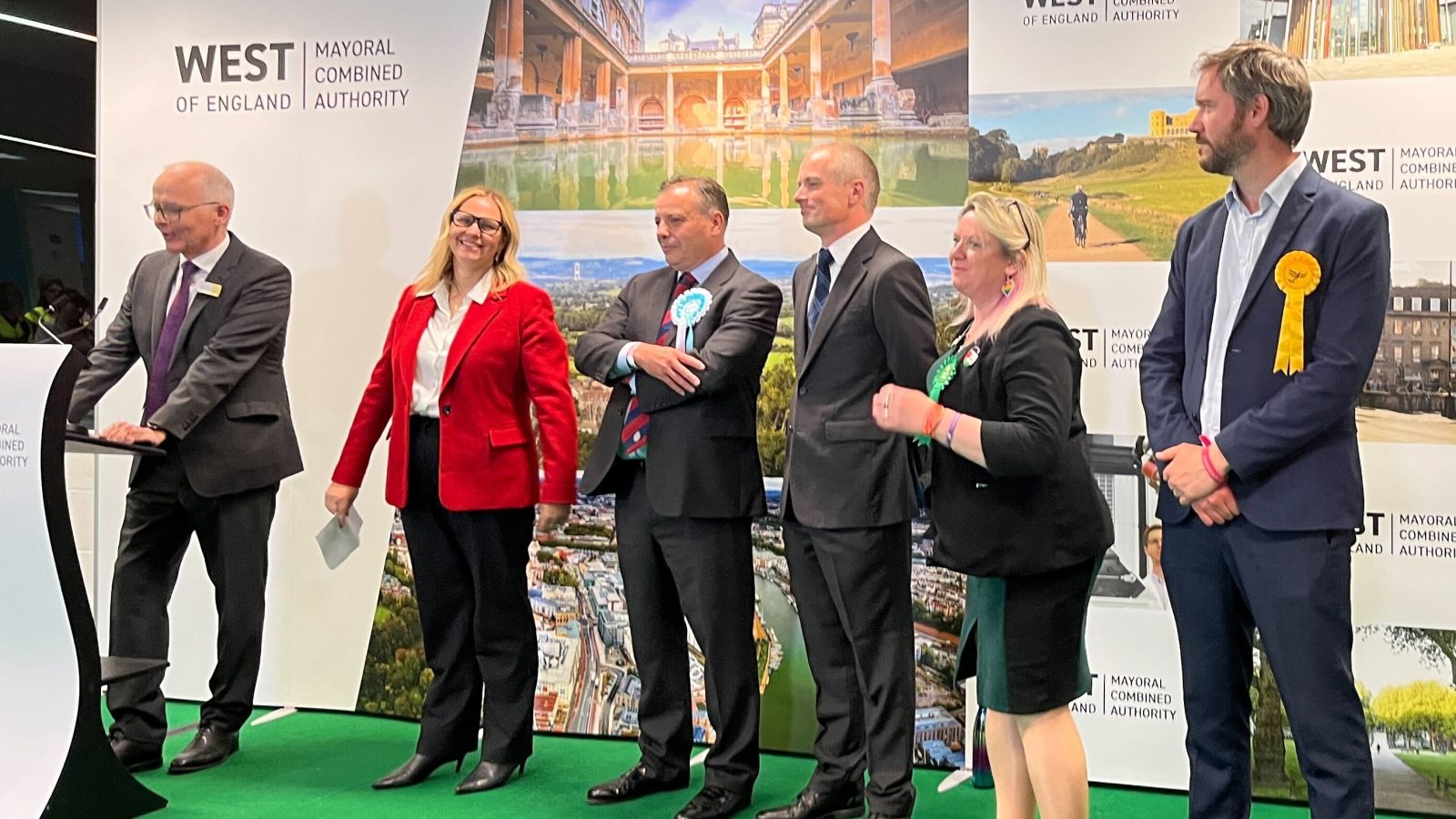
The 2025 West of England mayoral election has delivered a historic result: Labour’s Helen Godwin becomes the region’s first female mayor.
But beneath the headlines, the vote raises important questions about turnout, representation and the evolving political landscape across Bristol, Bath & North East Somerset and South Gloucestershire.
Directly elected mayors derive their legitimacy from a clear and personal democratic mandate. So do we now have a mayor without a mandate?
is needed now More than ever
The idea of a clear democratic direct and personal endorsement from voters strengthens a mayor’s authority to implement policies and make demands of central government and deliver bold regional policies.
Clear mandates can help legitimise bold actions, when making decisions in the public interest, and also enable mayors to be identifiable figureheads, representing local interests within the area and up to higher levels of government.
However, this election saw turnout hover around just 30 per cent, with Godwin elected on 25.5 per cent of the vote amounting to just 7.5 per cent of the electorate.
That figure may concern anyone hoping for strong, visible leadership in the region.
At a time when many voters still ask, ‘what exactly is WECA?’ and ‘what does a combined authority mayor actually do?’ the onus will be on Godwin not just to deliver, but to make the role feel relevant to people’s everyday lives.
Without a strong mandate, that challenge becomes even greater.
A system that does not reflect the vote
This year’s vote also saw a notable change in the voting system.
The switch to first past the post meant there were no second preference votes, unlike the supplementary vote system used in 2021.
Whilst it is methodologically suspect to compare the 2021 election first preferences (remembering voters had a first and second choice last time out), in 2021 Dan Norris secured 33.4 per cent of the vote at the first stage, significantly higher that the 25 per cent secured by the 2025 winner.
Norris then went on to reach 60 per cent of total preference vote after the redistribution of second preferences of those whose first preference did not make it in the top two.
Whilst the supplementary vote constructs a mandate based on a broader expression of preferences, it does deliver a situation where the incoming mayor has a mandate or at least sentiment derived from holding a collective preference of over half the electorate.
Under the new system, the result reflected a splintered political field.
Five parties finished within nine points of each other, between Oli Henman for the Liberal Democrats at 16.6 per cent and Labour on 25.5 per cent.
The outcome where Godwin, the winning candidate for Labour, is backed by less than one in ten eligible voters highlights a major weakness in the current voting system’s ability to reflect the full breadth of political preferences across the region.
Calls for voting reform are likely to grow louder, particularly as multi-party competition becomes the norm. A return to the supplementary vote system for mayoral contests could be a small but meaningful step in restoring voter confidence and democratic legitimacy.
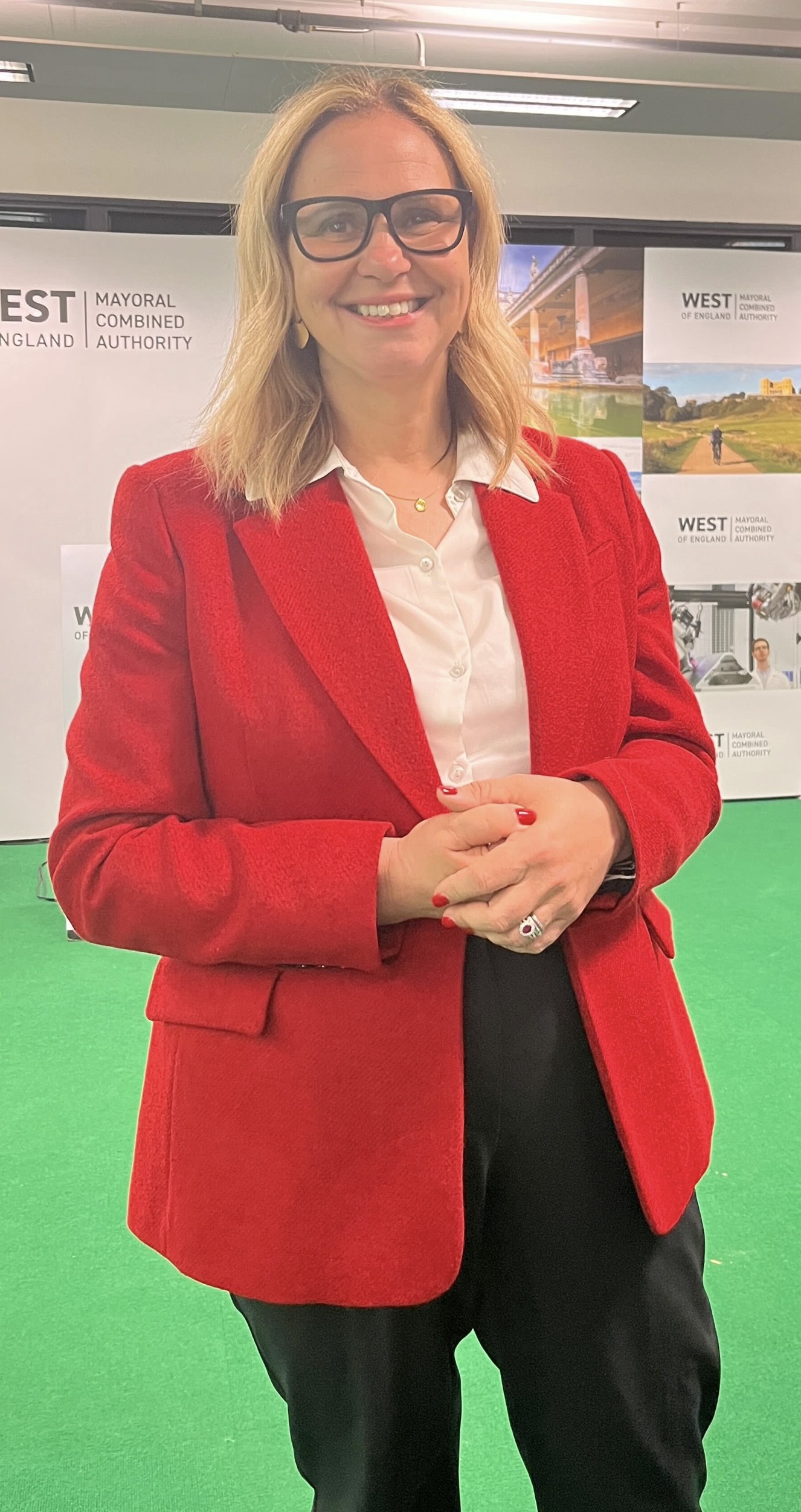
Helen Godwin was a member of former mayor Marvin Rees’ cabinet before quitting to join PwC – photo: Karen Johnson
Helen Godwin breaks new ground the first female mayor of the West of England.
Godwin’s election as the first female mayor of the West of England is part of a slow but significant shift in the landscape of UK political leadership.
Her victory joins a growing though still modest list of women breaking through the historically male-dominated world of directly elected mayors and regional governance.
Of the 11 combined authority mayors in England, the vast majority historically have been men, often from business or parliamentary backgrounds, reinforcing the image of a mayor as a singular, authoritative (and usually male) figurehead.
Godwin’s win is not only symbolic but also substantive.
Whether it marks a moment where voters across the West of England chose a different kind of leadership is contested, but her campaign placed emphasis on investing in social as well as physical infrastructure and creating a regional green skills academy to create skills and a pathway to well paid jobs in the future.
These priorities, often underemphasised in technocratic city-region strategies, could speak to a broader rethinking of what regional leadership should deliver.
The comparative rarity of women mayors highlights deep structural barriers from selection procedures in parties to the framing of mayoral roles themselves, which often privilege traits and networks that exclude women and minoritised candidates.
A wider challenge ahead is to not only celebrate breakthroughs like Godwin’s but make them less exceptional and more expected.
Local differences signal future battlegrounds
If turnout was the story, then different pictures in terms of voting in the constituent authorities of WECA are the sub plot which may well leak over to the next series of contests.
While Labour won overall, the vote breakdown across the three local authority areas tells a more complex story and signposts to some intriguing future contests.
Labour’s result overall is no mean feat, given challenges over the previous incumbent Labour mayors dual role as MP and mayor, and his recent arrest, and the standard practice of using elections to deliver an electoral kicking to an incumbent national government.
In Bristol, Labour topped the vote showing a strong capacity to mobilise its base and get their vote out in the face of a strong Green challenge.
In Bath & North East Somerset, the Liberal Democrat vote held up strongly in Bath which will please the party.
Labour continues to do well in North East Somerset too, which bodes well should a by-election loom on the horizon at any time.
In South Gloucestershire, Reform came first, beating the Conservatives by more than 5,000 votes and underscoring the potential for a longer-term change in political dynamic in that part of the region.
Taken together, these results point to a plural and shifting political map. The WECA results demonstrate a real potential for the electoral battles to be formed of different and multiple players come the local elections in South Gloucestershire and Bath & North East Somerset in May 2027 and for Bristol City Council in May 2028 with all parties coming out of the election with a platform to build upon existing or new foundations.
The 2025 mayoral vote has raised more questions than it answered.
But what is clear is this: the West of England’s political landscape is changing, and our region’s new mayor will need to rise to the occasion.
This is an opinion piece by Dr Thom Oliver, a senior lecturer in politics at UWE Bristol and part of the Bristol Civic Leadership Project team which has studied mayoral governance in Bristol and the West of England since 2013
Main photo: Karen Johnson
Read next:
 Our newsletters emailed directly to you