News / prisoners
Offenders ‘making a difference’ through community payback
Some offenders in Bristol are busy cleaning streets, picking litter and removing fly-tipped waste as part of their court-ordered community sentences.
Community payback teams in the city have completed more than 350 projects over five years in attempts to make Bristol safer and cleaner for its residents.
The unpaid work scheme is part of court-ordered community sentences handed to offenders, to ensure they “repay” for their crimes.
is needed now More than ever
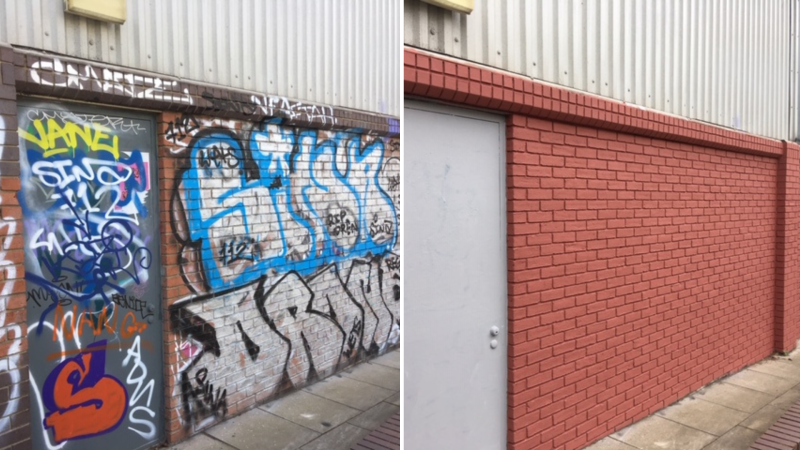
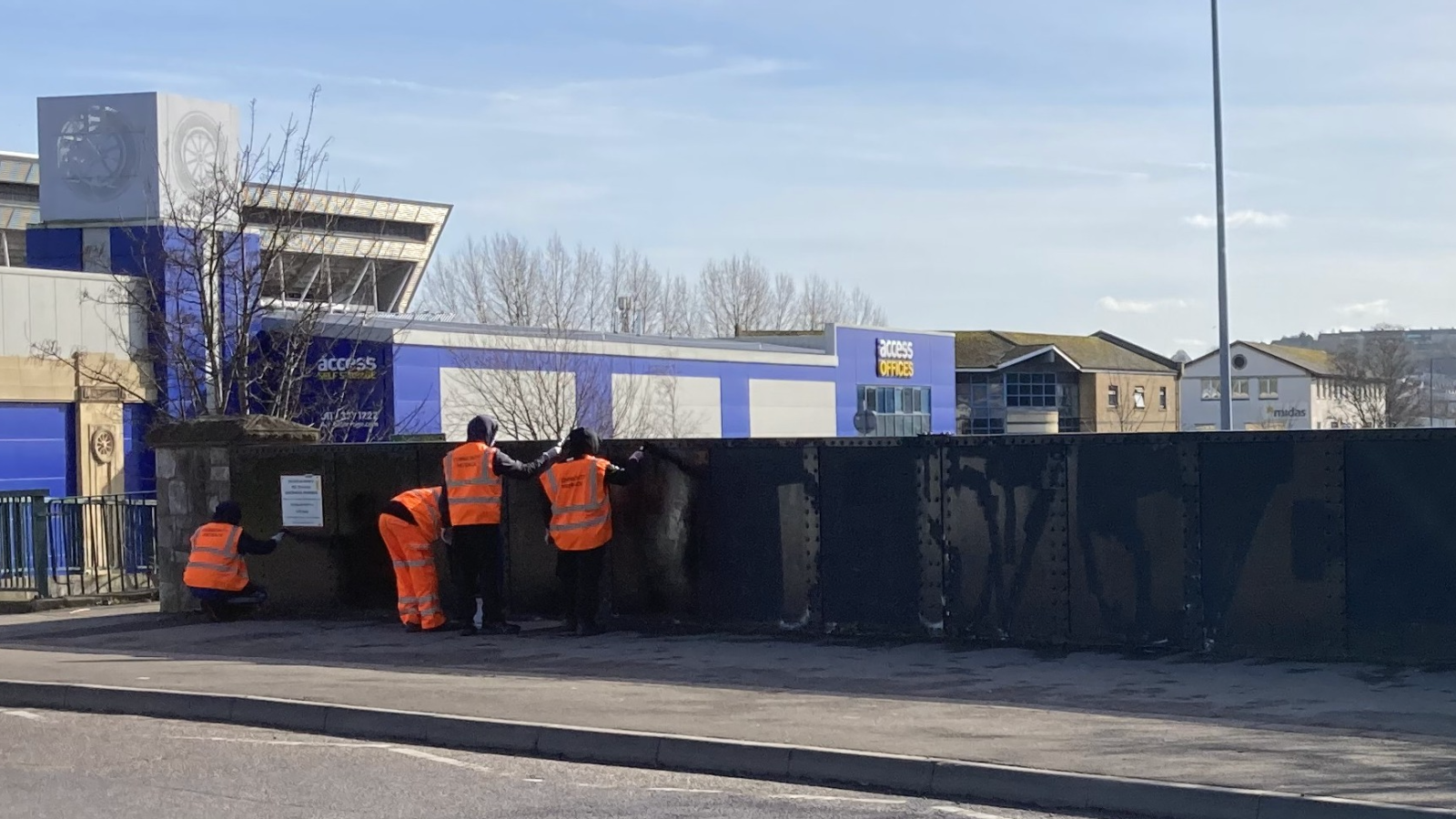
Offenders in Community Payback teams are responsible for the removal of graffiti from several walls in the city
These real-life Outlaws are assigned several welfare projects, including clearing overgrown sites, graffiti removal and cleaning up public spaces as part of their sentences.
The community payback scheme is a part of the Probation Service’s support for Bristol City Council’s Clean Streets project, an initiative to make the city cleaner.
Minister for probation, prisons and reducing reoffending James Timpson said: “As well as helping to rejuvenate the local area, the unpaid work teaches offenders valuable skills which can help them find employment and turn their backs on crime, making our streets safer.”
“The partnership with the Clean Streets project demonstrates the positive impact of offenders giving back to the communities they’ve harmed, by supporting safer and cleaner neighbourhoods, and enhancing pride in local communities across Bristol.”
Project development officer for the council, Neil Burwell, said the council identified projects across the city where the community payback teams can “make a difference” and “repay for their crimes”.
“The work they have done to clean up our local environment, such as painting over graffiti or removing fly-tipped waste, is visible and welcomed by our city’s residents and partners.
We are proud of this successful partnership with the Ministry of Justice which has brought real benefits to our city and is recognised as a leading example,” Burwell added.
Community sentences generally include 13 possible requirements which the offenders are expected to meet. These can include restrictions, tasks and treatment programmes. Offenders can be handed between 40 to 300 hours of community payback as part of their sentences.
Projects like Clean Streets are said to have enabled up to five million hours of such payback services every year.
All photos: Ministry of Justice
Read next:
 Our newsletters emailed directly to you