News / Politics
Norris continuing to vote in Commons despite being banned from parliamentary estate
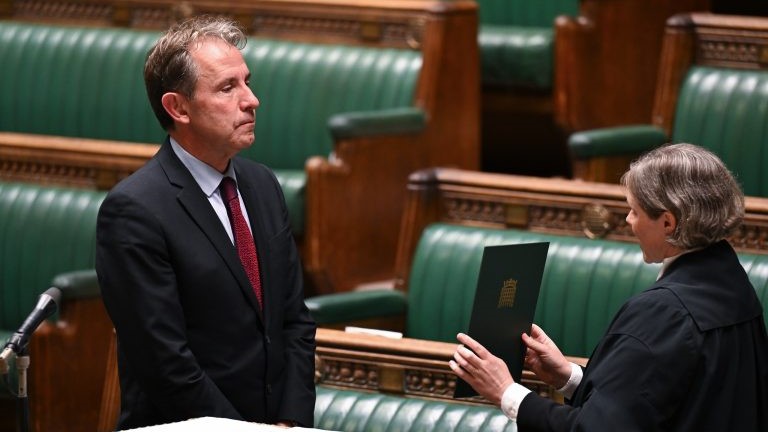
Dan Norris has begun using a proxy vote in the House of Commons to vote on laws while banned from the parliamentary estate.
The North East Somerset & Hanham MP was arrested in April on suspicion of sexual offences against a girl, rape, child abduction and misconduct in a public office. He has not been charged.
The investigation is ongoing and the former WECA mayor remains on police bail.
is needed now More than ever
Despite being banned from the parliamentary estate, the Labour MP is still voting on laws using a proxy vote, starting with supporting Kim Leadbeater’s assisted dying/assisted suicide bill.
On May 16, Norris used his proxy vote to support the closure motion to begin the votes on the controversial bill and voted against an amendment tabled by an MP opposed to the bill. The amendment was voted down by a majority of just 37.
Norris has used his proxy vote in all three divisions in the House of Commons since; voting in line with the Labour government each time.
Despite having been suspended from the party immediately upon his arrest, Labour government whip Chris Elmore MP has been casting Norris’ proxy vote.
The Local Democracy Reporting Service contacted Norris’ office on May 12 asking if he planned to remain as MP given the effective lack of parliamentary representation for the area.
Although his office did not reply, Norris submitted three written questions to government ministers the next day.
He has submitted a total of nine written questions since May 13 on topics from the ability for people to use cash, planned tree planting in the Western Forest, the transfer of the British Coal Superannuation Scheme to its members and wildlife crime in the North East Somerset & Hanham constituency.

Dan Norris courted controversy by continuing as WECA mayor after becoming an MP – photo: Rob Browne
Under Parliament’s risk-based exclusion policy means that a risk assessment takes place when when an MP is arrested on suspicion of a violent or sexual offence, which can decide to ban them from the parliamentary estate.
On April 8, soon after Norris’ arrest, a House of Commons spokesperson said: “The House has an established process, under Standing Order 164, to consider sanctions on Members who have been arrested on suspicion of violent or sexual offences. The details of that process remain confidential in line with the Standing Orders.”
But an email circulated to all staff at the West of England Combined Authority – which Norris was still the mayor of at the time of his arrest – said that it was “a matter of public record” that Norris’ access to Parliament had been revoked.
MPs who have been banned from the parliamentary estate under the risk-based exclusion policy – as well as those unable to attend due to medical or family reasons – are able to nominate another MP to vote on their behalf.
Main photo: UK Parliament
Read next:
 Our newsletters emailed directly to you