News / Housing
Council insists bailiffs will still be used to collect debt
Bristol City Council has issued a statement to clarify who will and won’t be targeted by bailiffs for debt to the local authority, although it’s still far from clear.
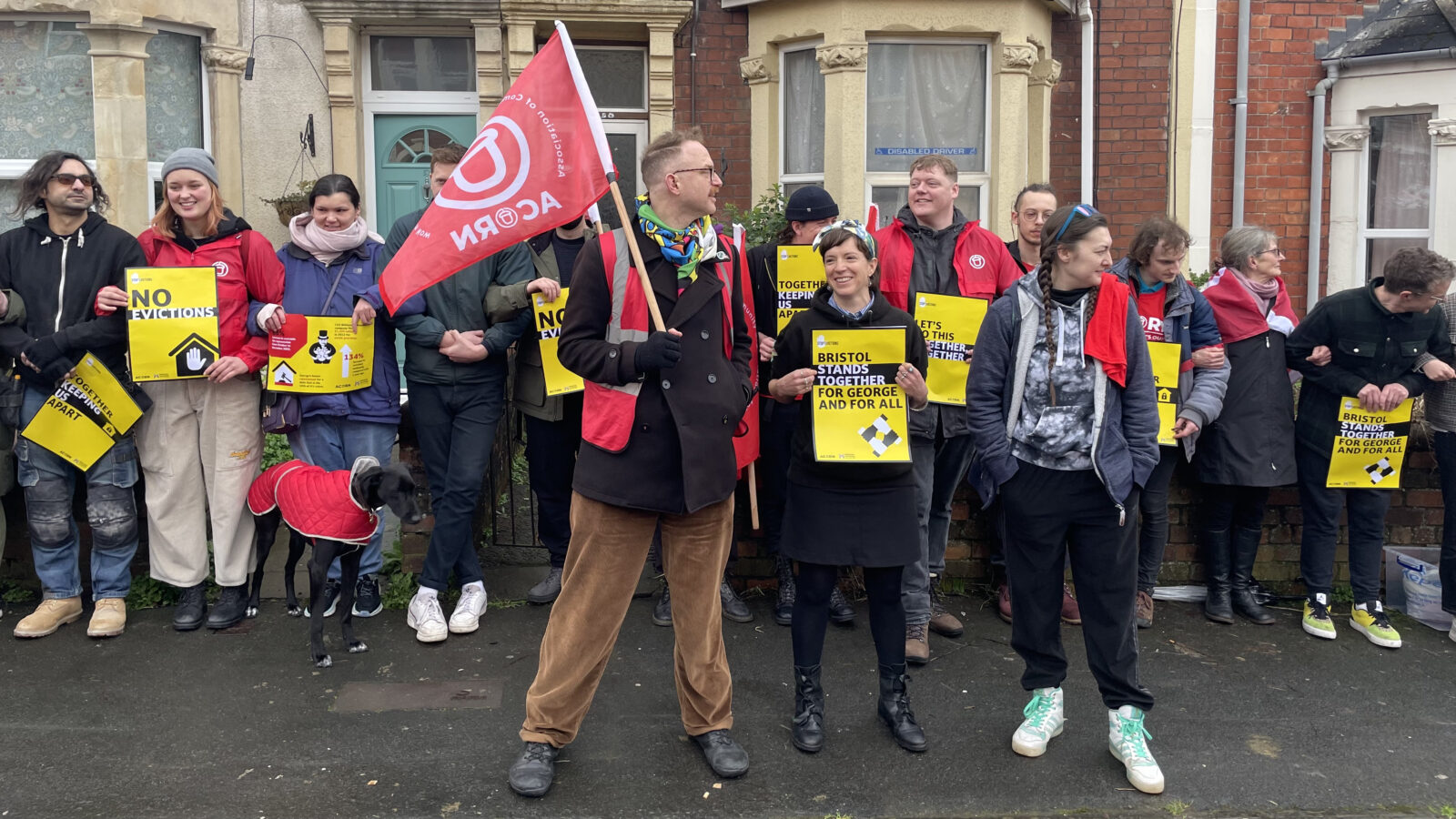
It follows a report by the Local Democracy Reporting Service (LDRS) that community union ACORN had claimed a major victory in stopping the authority’s use of enforcement agents for the poorest households.
Council leader councillor for Southville Tony Dyer said in October that officers were “already identifying vulnerable debtors on our system so we can stop sending bailiffs to those debtors who are unable to pay”.
is needed now More than ever
He said: “This would almost certainly include those on income-related benefits, including working people on low incomes.
“It also includes people who are identified as temporarily vulnerable when their income has significantly dropped, such as where they have lost work or material working hours, welfare benefits and tax credits.”
But in the aftermath, Bristol City Council now says reports that it is no longer using bailiffs to collect any form of debt are “incorrect”.
That was never claimed in the original LDRS story, which made clear from Dyer’s comments that the authority was identifying vulnerable debtors to stop sending bailiffs to those unable to pay.
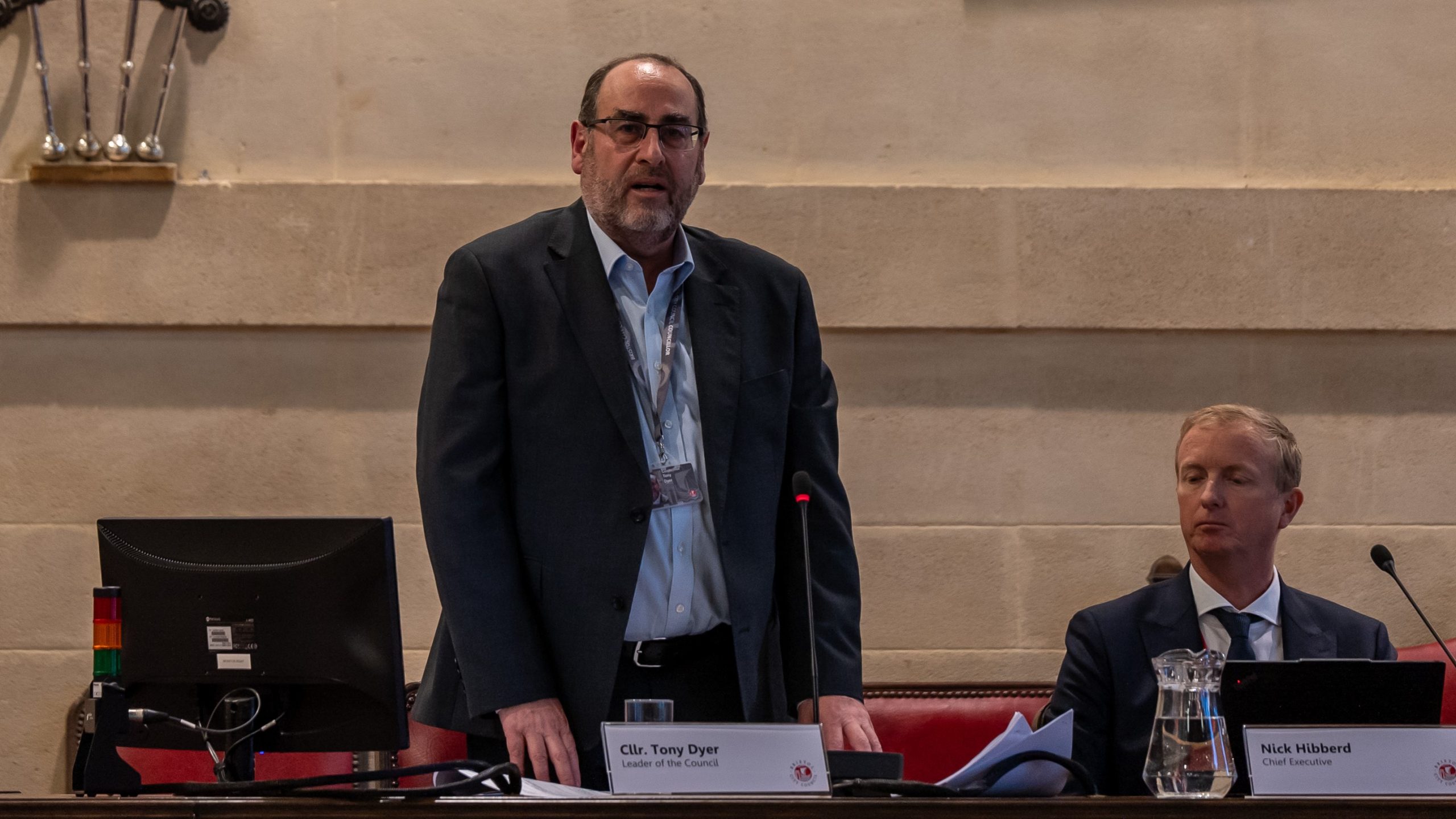
Council leader Tony Dyer has insisted bailiffs will still be used to collect debt – photo: Rob Browne
A council spokesperson said: “There are reports in the media that Bristol City Council is no longer utilising bailiffs or enforcement to collect any council debt.
“These reports are incorrect.
“The council does retain the option to use enforcement, such as bailiffs, to collect any council debt.
“This does include council tax debt.
“Council tax debt and how we manage our approach to collecting this debt is of great importance to the council, as we are determined to balance this responsibility with a compassionate approach that recognises and supports residents facing financial challenges.
“Every local authority has a legal responsibility to collect council tax because it funds vital local services such as social care, education, and waste management.
“We know that vulnerable residents and those who are in receipt of council tax reduction may sometimes require additional support to be able to pay their council tax.
“It is our priority to work with these residents, encouraging open communication about individual circumstances and helping wherever possible.
“Any enforcement action, including the use of bailiffs, is always a last resort.
“We urge all residents who have concerns about their ability to pay their council tax bill to contact us as soon as possible so that we can work together to find the best solution.”

A knight in armour once challenged council leader Tony Dyer for failing to stop alleged abuses by council-employed bailiffs – photo: Darren Shepherd
A spokesperson for ACORN said: “This is a really odd statement from the council.
“I’ve read the article in question several times and I can’t find anywhere that the journalist or any ACORN members quoted in it claim the council isn’t using bailiffs anymore.
“While we’re on the topic of inaccurate statements, though, the council leader’s original statement says ‘we are already identifying vulnerable debtors on our system so we can stop sending bailiffs’ – we have recordings of staff in the council tax department refusing to stop bailiffs where our member Natalie offered evidence of her medical vulnerabilities.
“This was just last month. We have written to the head of the debt department demanding a meeting to find out why their policy is not being put into practice.”
Adam Postans is a local democracy reporter from Bristol
Main photo: Betty Woolerton
Read next:
 Our newsletters emailed directly to you