News / Politics
Changes planned to data kept by Bristol City Council after former mayor’s emails deleted
Changes are planned to decide what data is kept by Bristol City Council after the former mayor’s emails were deleted.
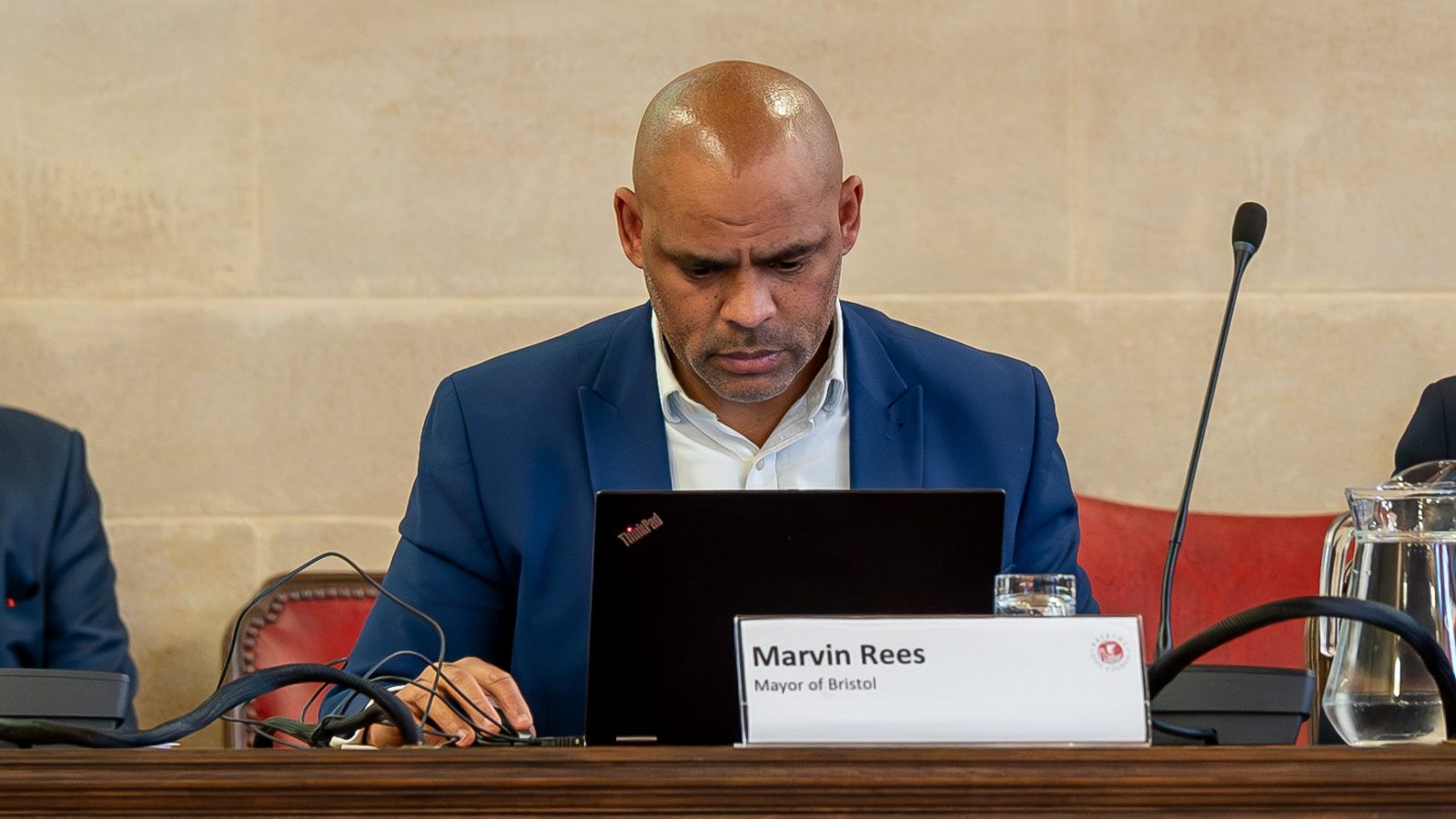
Last December councillors from all political parties called for change, after emails sent by Marvin Rees were deleted 30 days after he left office.
A freedom of information request last year revealed the emails were no longer stored by the council.
is needed now More than ever
This sparked concerns about transparency, given that his emails could contain important information shedding light on decisions affecting many people in the city.
Responding to the calls, councillors on the strategy and resources policy committee will consider what changes they could make on Monday.
These include deleting emails after two years, instead of keeping them the entire time somebody is working for the council.
A committee report said: “To enhance our compliance with GDPR and reduce our IT storage costs, we are looking to implement a two-year retention period on emails.
“Therefore, emails will only be retained for two years after they are sent or received.
“This proposal will also look to alter that for councillors to include four years of emails, covering their period in office.”
Council staff asked the Information Commissioner’s Office, a government regulator, to support and oversee attempts to retrieve relevant emails, as part of the response to the freedom of information request.
But the Information Commissioner’s Office said they were unable to help.
Some emails are stored, which contain “evidence of a business activity”.
But according to the report emails are not part of how the council makes decisions, which are recorded a different way.
Local democracy activist Suzanne Audrey put in the initial FOI that triggered a review into the data storage procedure – photo: Karen Johnson
Auditors will soon check if the council is complying with its policy on data retention. Another change could be holding onto some emails “by exception” after somebody leaves the council.
The report added: “It is standard process that once an officer, elected member, or other staff, leaves the authority, their emails are deleted after 30 days. There is no proposal to change that practice, as that follows best practice guidance.
“There is, however, the opportunity for emails to be retained for longer after an officer leaves, by exception, and this will need to be factored into the individuals’ leavers process. This can be done using an ‘IT hold’ to retain their emails for an agreed period once the officer leaves. This period will be done on a case-by-case basis.”
The row over emails began after a freedom of information request concerning Rees’ emails was sent by Suzanne Audrey, a local activist.
Last December, during a debate on data retention, councillors said that “a culture of openness” would help improve how decisions are made and address perceptions of secrecy.
Main photo: Rob Browne
Read next:
 Our newsletters emailed directly to you