News / national living wage
Businesses struggling to pay real living wage in Bristol as thousands paid less
Businesses in Bristol are struggling to pay the real living wage as 26,000 people are paid less than £13.45 an hour.
Bristol City Council is applying to renew its status as a living wage city, with ambitious aims to get dozens more employers paying the real living wage.
The “real living wage” is a voluntary rate paid by employers, based on the cost of living calculated by economists at the Resolution Foundation, a think tank.
is needed now More than ever
The current rate is £13.45 an hour, or £14.80 in London due to the higher living costs there.
This is different from the “national living wage”, the minimum wage set out by the government, of £12.71 an hour.
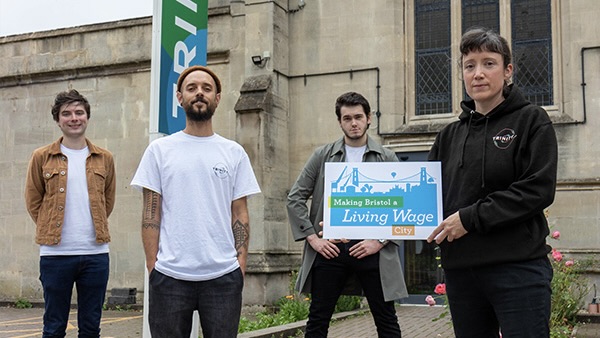
The Bristol Living Wage City is an initiative to get local employers to commit to the real living wage.
Since launching in 2019, the number of employers has risen from 62 to 286. This equates to around 4,500 workers who have been given a pay rise. An update was given to councillors on the economy and skills policy committee on Monday.
Green councillor for Clifton Down Serena Ralston said: “My concern is around small businesses. We want to encourage them to do this and it’s a great initiative, but as we know at the moment the economy is in a very difficult place.
“Small businesses, especially in retail and hospitality, are struggling.”
Around 26,000 jobs in Bristol are paid less than the real living wage.
These include jobs like carers, who work for companies commissioned by the council.
Anesa Kritah, head of economic development, said: “The council needs to remain a living wage employer in order for Bristol to be a Living Wage Place, and that increases cost both for staff who are employed directly and commissioned services.
“The Living Wage Foundation has agreed for some of our commissioned services to be on a journey, with an aspiration to pay the real living wage. Other councils have similar agreements.”
Paying the real living wage can actually cut overall costs for companies, she added. A higher wage helps with recruiting and retaining staff, which then reduces the need to hire agency staff.
Another issue however is employers leaving the scheme. And council staff are unsure why they are de-registering as a living wage employer, partly because response rates to a Living Wage Foundation survey are low.
Rising taxes and costs have hampered enthusiasm for employers.
Main photo: Bristol One City
Alex Seabrook is a local democracy reporter for Bristol
Read next:
 Our newsletters emailed directly to you