News / St Monica Trust
Award-winning care home group marks centenary anniversary
The story began with a conversation between Henry Herbert Wills and his wife Monica beside the sundial in the Rose Garden of their home in Westbury-on-Trym. Nearly a century ago, they shared a seminal idea to provide care and support for missionaries returning from long overseas stints, often under difficult financial circumstances.
That same sundial still stands today, as does the care provider whose foundations were laid on that day – St Monica Trust, which adopts the aforementioned sundial as its moniker.
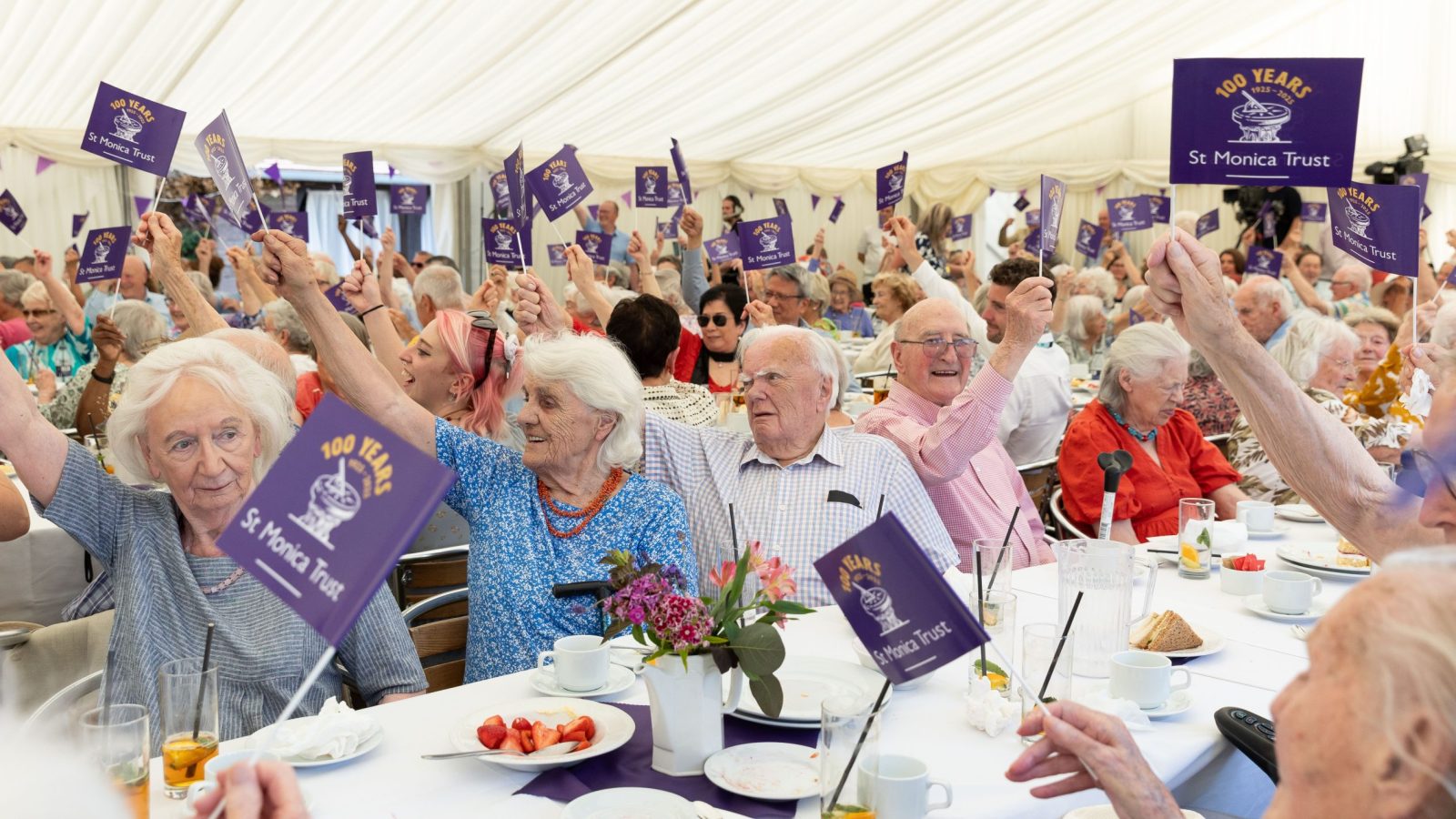
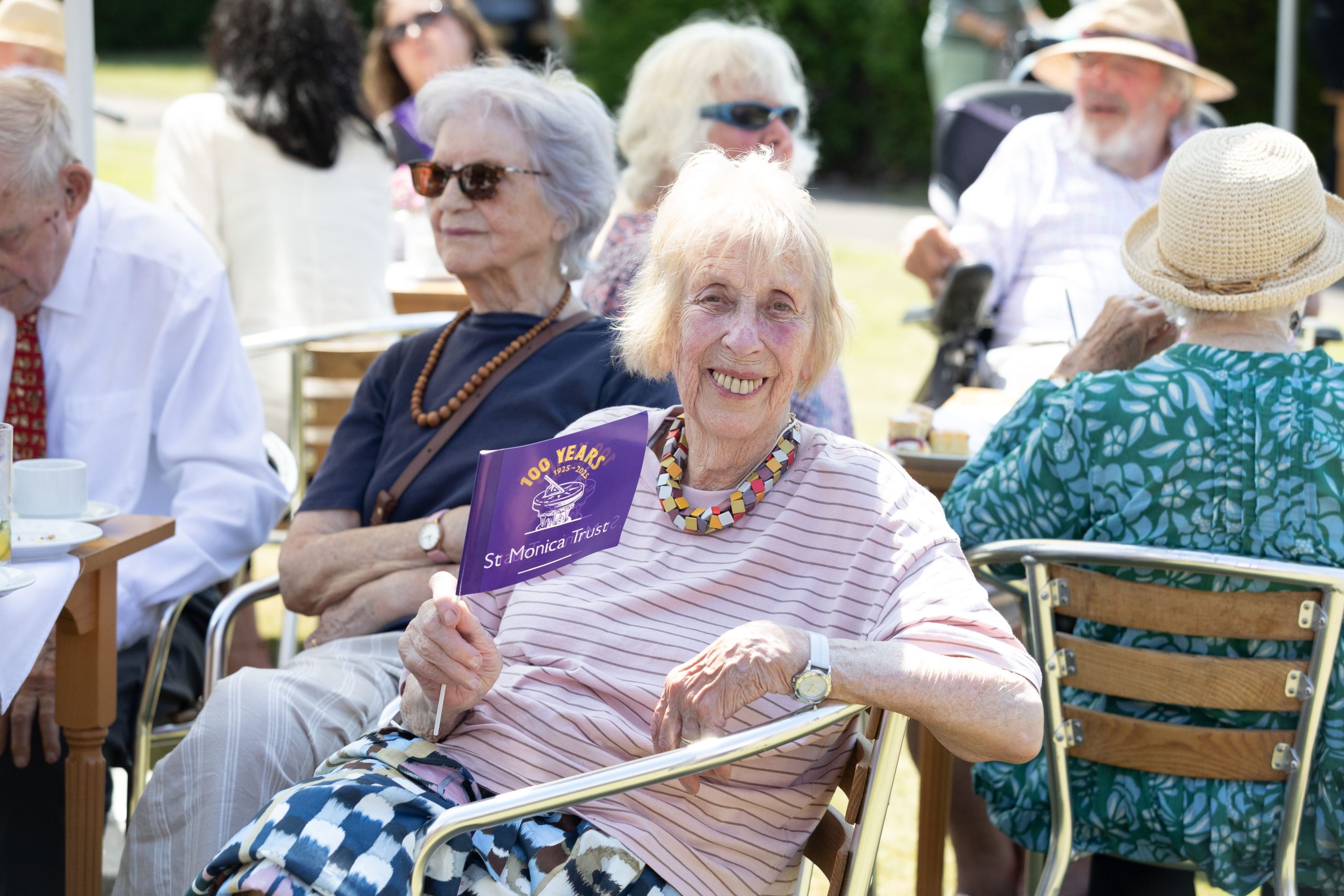
Now one of Bristol’s most respected care providers, St Monica Trust has marked 100 this June with a special celebration at its headquarters, Cote Lane Retirement Village in Westbury-on-Trym.
is needed now More than ever
The residents at St Monica Trust taking part in the centenary celebrations – photo: Plaster
Known in its early days as the St Monica Home of Rest, the Trust first opened its doors in June 1925. It was the realisation of Henry Herbert and Mary Monica Wills’s wish to create a charity offering of accommodation and financial support to the returning missionaries.
After Henry’s death in 1922, Monica became president of the charity and personally oversaw not just the building of the home but also its day-to-day running until her death in 1931.
Bristol24/7 visited the premises to retrace the Trust’s storied journey through time.

David Williams, chief executive of St Monica Trust, by the famous sundial in the Rose Garden “where it all began” – photo: Kate Onley-Gregson
The centenary celebrations included a live poetry reading by local poet Beth Calverley, the burial of a time capsule, and a live video link connecting residents and staff across all St Monica Trust locations.
A grand marquee with a podium, large television screen, and neatly set tables created an atmosphere that perhaps best captured the spirit of this occasion.
The Trust currently operates five retirement villages and four care homes across the region, supporting over 1,100 older people and employing some 1500 local staff.
In 2017, it launched the world’s first fully integrated retirement community, The Chocolate Quarter at the old Cadbury’s factory in Keynsham.
Speaking to Bristol24/7, David Williams, chief executive of St Monica Trust looked back at its centenary legacy with pride and pragmatism.
He said: “St Monica Trust was the brainchild of Dame Monica Wills, who, while walking in the Rose Garden and talking with her husband, Henry Herbert Wills, discussed the idea of creating a place for missionaries returning to the UK.
“She recognised a real need—to offer these people the housing, care, and support they deserved in their later years. From that vision came Monica Wills House, which still stands behind us today, completed in 1925. And now, we’re here celebrating its 100th anniversary.”
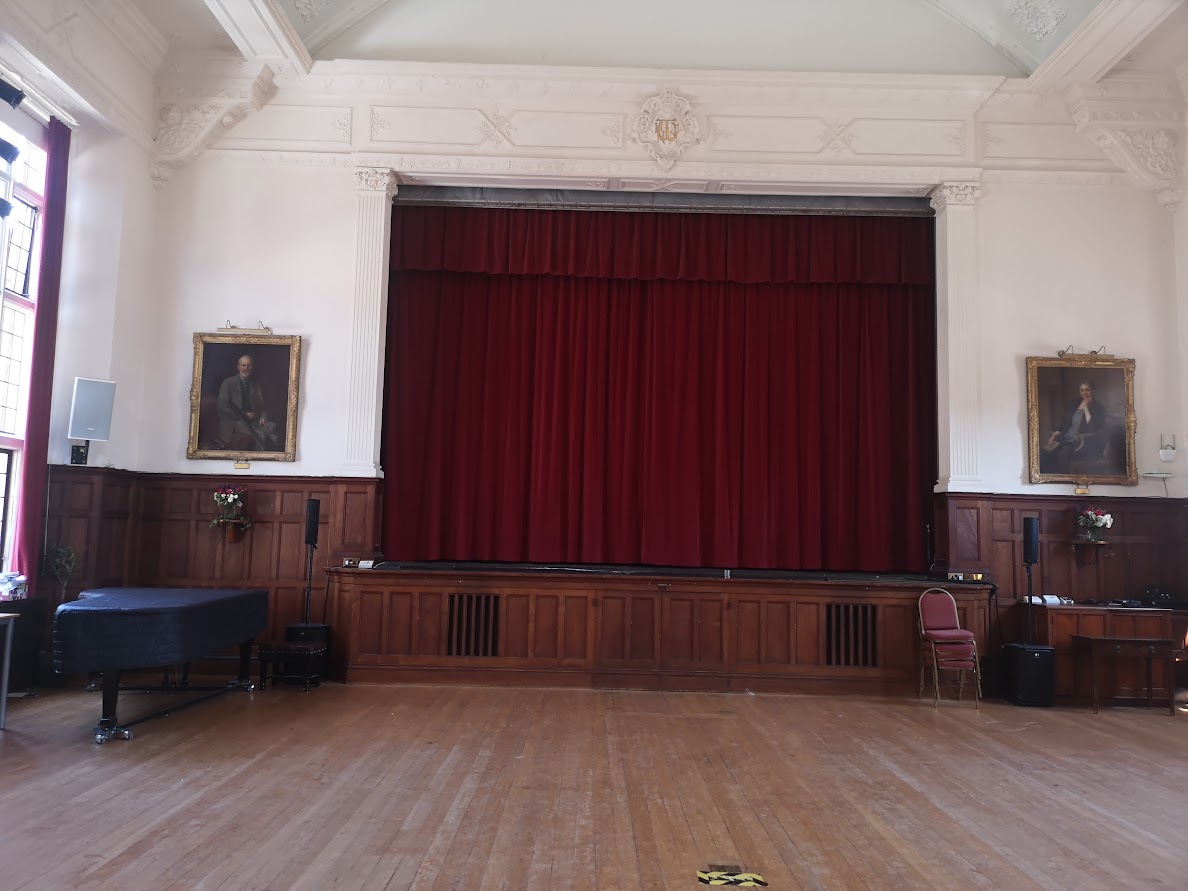
The theatre at St Monica’s flanked on either side by portraits of HH Wills and Monica Wills, whose vision was to launch a charitable service to the returning missionaries – photo: Milan Perera
Over the century St Monica’s has evolved from a single care home for ladies of “gentle births” to its current iteration where the St Monica Trust today operates five retirement villages and four care homes across Bristol, Bath and North East Somerset (BANES) and North Somerset.
Williams said the Trust takes pride in its community engagement, noting that its Charitable Giving programme provides more than £1m in funding to support individuals, organisations, and communities across the South West.
He continued: “St Monica Trust has always remained true to that original vision of creating communities that support older people. Today, our mission is to build communities where older people flourish.
“The way we achieve that has evolved over time. What began as a residential nursing home with individual bedrooms and personal care has grown into a broader service—now including nursing care homes and retirement villages.
“Importantly, one of the first things Dame Monica did—alongside opening the home—was to establish grant giving. She believed in supporting not only the residents in the home but also older people in the wider community. That tradition continues today through our charitable foundation, which provides grants to individuals facing tough times—such as needing a new boiler—and to organisations delivering vital services.
“We also work to bring organisations together to create real change, enabling communities where older people can truly thrive.”
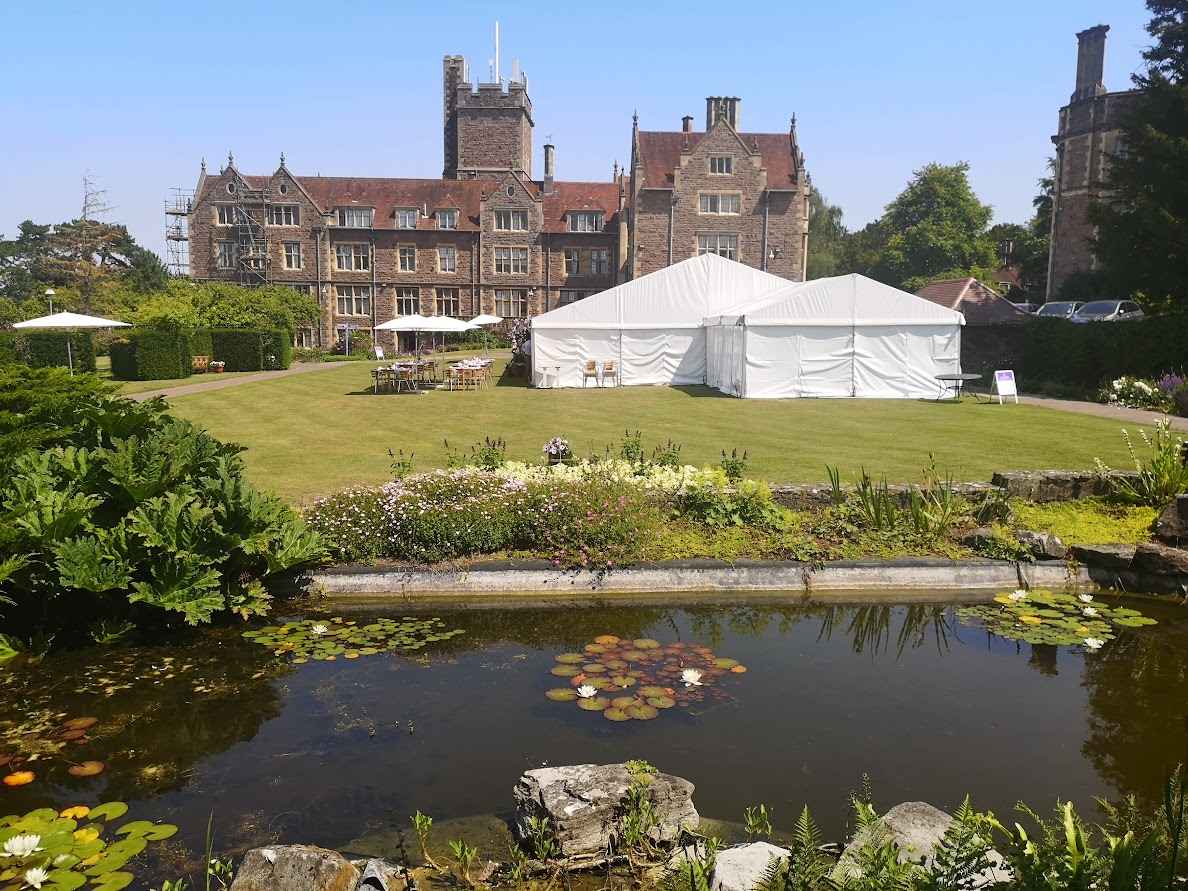
The settings for the centenary celebrations of St Monica Trust at Cote Lane Retirement Village in Westbury-on-Trym – photo: Milan Perera
Williams, who is a psychologist by profession, joined St Monica Trust some 11 years ago. With a strong background in clinical psychology, he reiterated that the chief executive is a “figurehead”. And the success lies in the concerted efforts of its 1,500 staff.
“I’m a psychologist by profession,” said Williams. “I started out in clinical forensic psychology, then moved into dementia care, and eventually into working with older people more broadly. What’s so rewarding about this role is the opportunity to design environments and services that allow people to live their lives to the fullest.
“It’s a joy to work alongside colleagues and staff who share that same vision—and that vision is shared by the Trust and our residents as well. It allows me to put psychology into practice in a very real and meaningful way.”
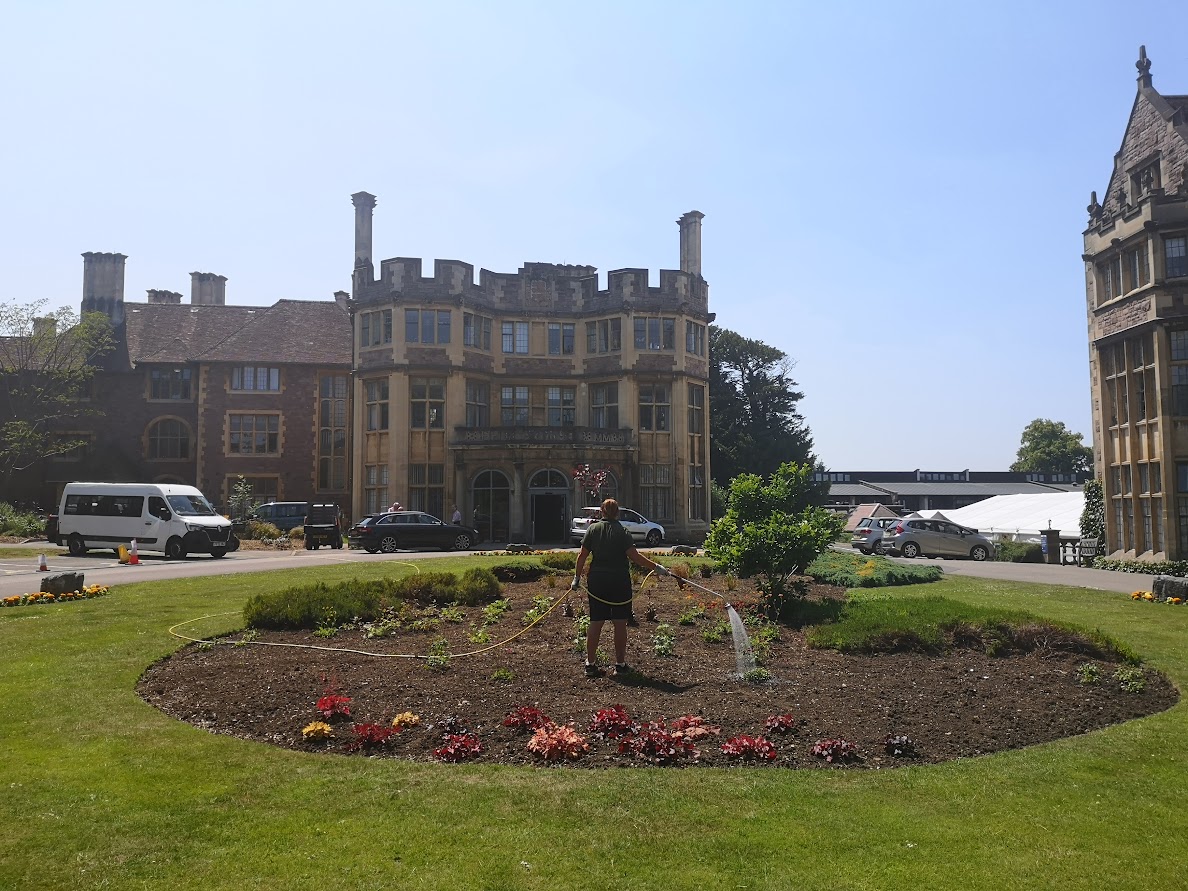
The manicured gardens are the result of a dedicated group of gardeners at St Monica – photo: Milan Perera
Reflecting on the hierarchy of the organisation, Williams added: “The CEO isn’t really that important—at least not in the way people often think. They’re just one person in a wider team. What matters most are the people on the front line: the carers, the support staff, the people who interact with residents every day.
“They’re the ones who bring the vision to life. In this organisation, there’s no sense of hierarchy. We’re all colleagues doing different jobs. The CEO’s role is simply to help create the conditions where others can do their best work.”
“You know it’s working when you see the passion in their eyes, the warmth in the way they care, and the smiles on residents’ faces. That’s not something created from the top—it’s something built every day by the people delivering care face to face.”
While the care sector is at a critical juncture, Williams believes that training and investing in people are of vital importance which led to the launch of their academy in Keynsham.
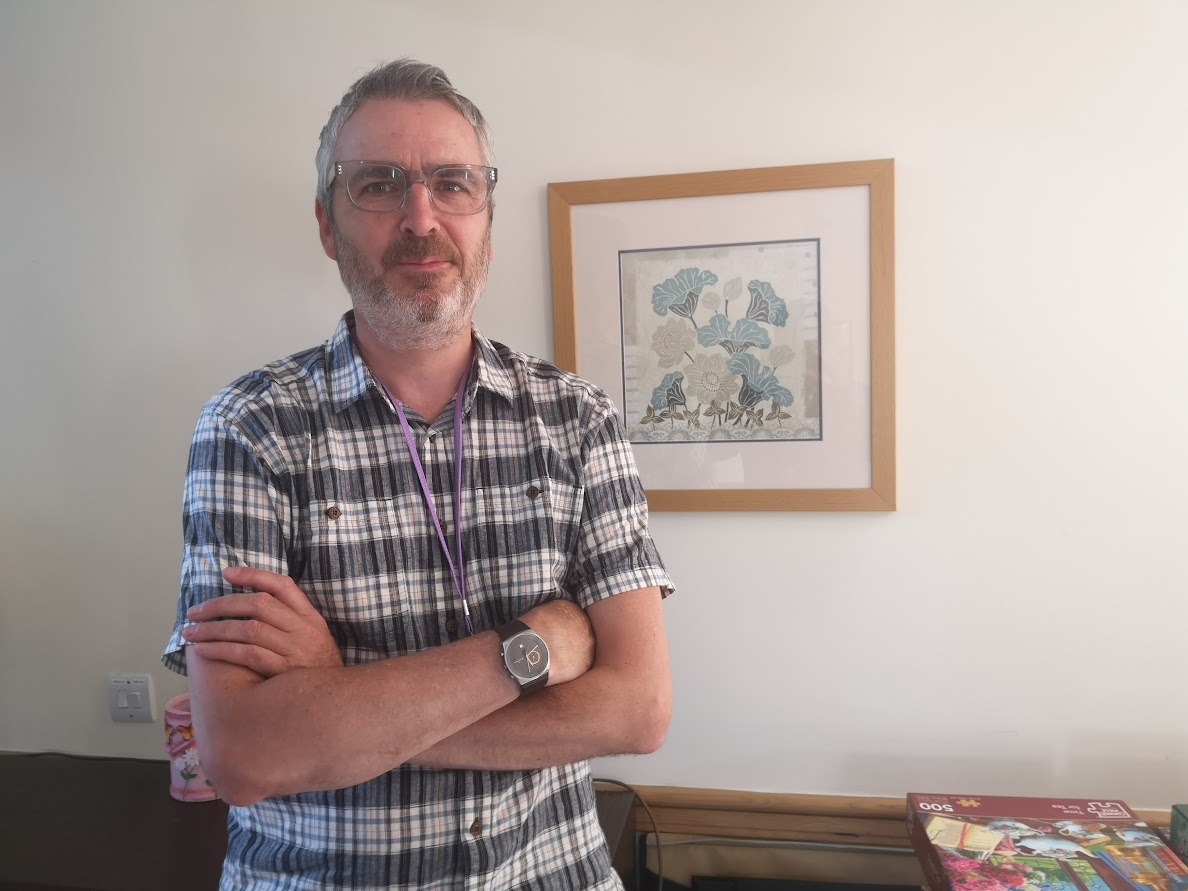
“Today, we’re supporting thousands of people through our Charitable Giving programme,” said Ben Jailer, media and communications officer at the St Monica Trust
He said: “So, the things we’re investing in are focused on creating careers for people in health and social care. We want to enable people to move fluidly between social care and health—for example, through nurse apprenticeships.
“We’re also working to attract people from outside the sector, across different age groups, by offering apprenticeship programmes. Currently, we have about 60 apprenticeships running across the organisation, with a target to reach 100 this year and another 100 next year. For a medium-sized organisation, that’s quite significant.”
He continued: “We’re ambitious about investing in our staff and potentially providing a workforce that other organisations can also benefit from. But to do that, we have to create environments where people actually want to work, where they feel excited and motivated. That’s a major focus for us over the next couple of years—building that kind of culture.
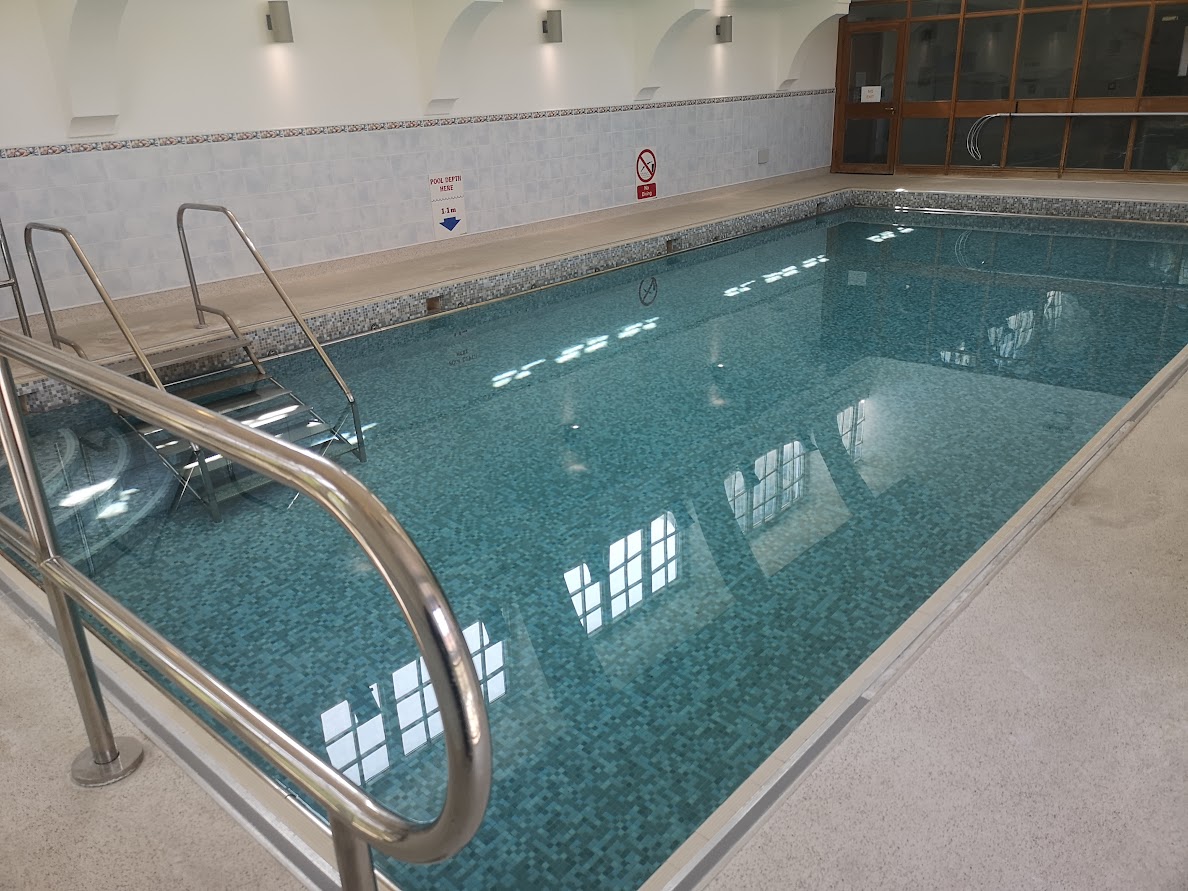
The swimming pool is one of many recreational facilities at the Cote Lane Retirement Village – photo: Milan Perera
“I think what’s really interesting,” said Williams, “is that when you talk to staff, they don’t tend to focus on tasks or outcomes. What they talk about are the smiles, the laughter—those joyous, everyday moments that make them feel truly valued. It’s those shared experiences that matter most.”
He concluded: “Whether it’s a group of older people brewing their own beer—creating something, maybe even launching a little business—or residents getting hands-on with pottery, there’s a real sense of energy and joy. Even as people come to the end of their lives, there are still moments of deep connection that staff hold on to. These things make a difference.”
“It’s not so much about the end destination—it’s about the journey, and going on that journey together. The staff are committed to that. Often, people join us without any previous care experience. What they bring instead is the right personality and attitude—the desire to be part of something meaningful.”
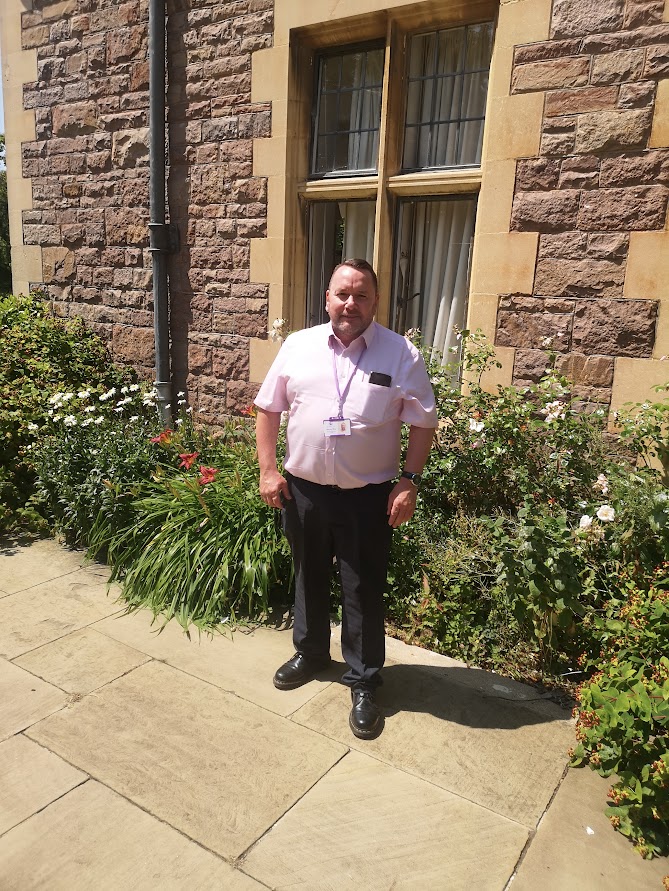
Darren Way started some 19 years ago at St Monica’s and rose through ranks to be its residential services manager – photo: Milan Perera
The 1,500-strong workforce across St Monica Trust’s five sites spans a wide range of roles beyond care. From full-time gardeners who keep the extensive grounds manicured, to long-serving staff who have been with the Trust for over 40 years, the team reflects a depth of experience and dedication. Many began their journey with little experience in the sector, some making career changes with initial uncertainty.
We spoke to Darren Way, residential services manager at St Monica Trust, who has been part of the organisation for 19 years. Formerly a shopfitter, Darren first joined the Trust thinking it would be a “stop gap”—but he has not looked back since. Over nearly two decades, he has risen through the ranks, finding a lasting and fulfilling career within the organisation.
He said: “It’s been fantastic. I started here in 2006 at Westbury Fields as a porter, and I’ve just progressed ever since—becoming senior porter, then porter manager, porter and gardens manager, then taking on the laundry, and now working as residential services manager, overseeing porters, housekeeping, and laundry.
“It’s been incredibly rewarding. Coming to work each day doesn’t even feel like work because I enjoy it so much. Everyone’s got a smile on their face—it’s just a great place to be. I honestly couldn’t speak highly enough of it.”
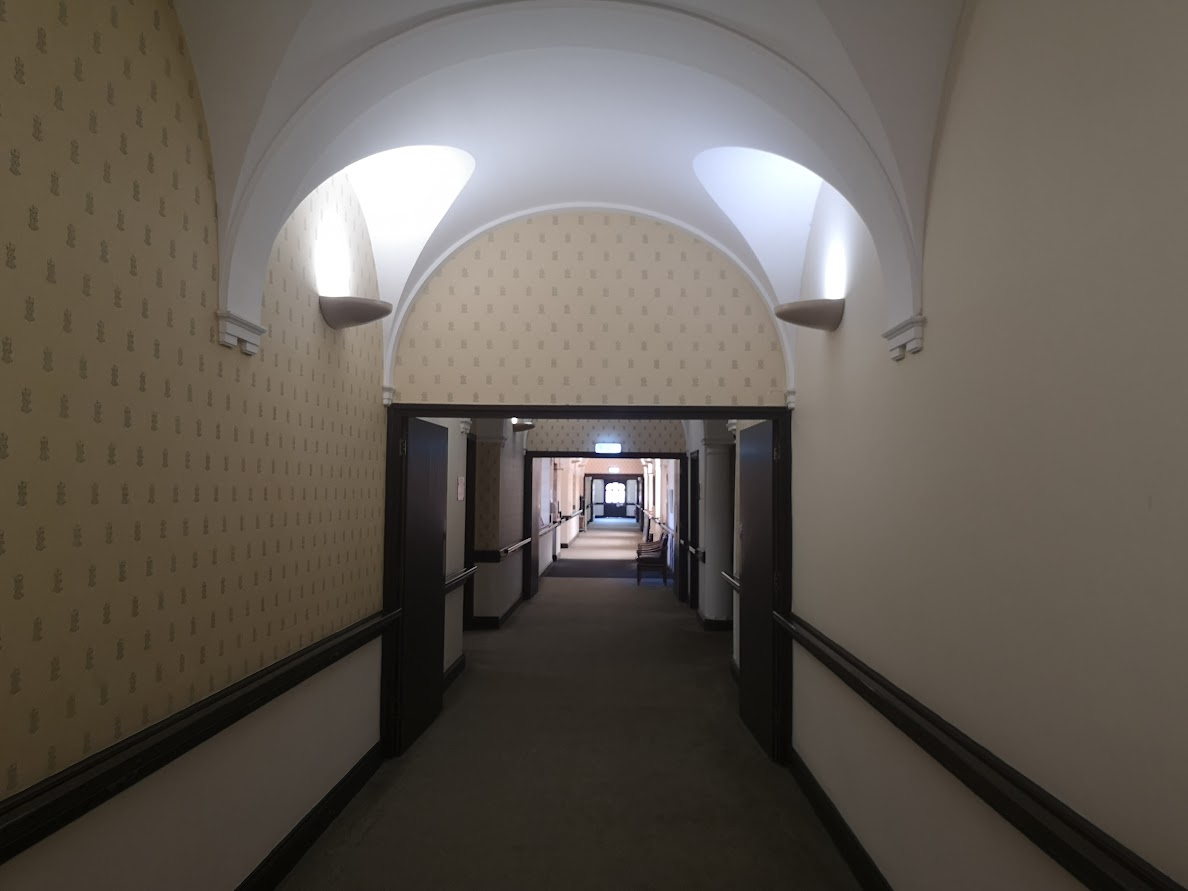
St Monica Trust currently serves some 1,100 people across its five retirement villages and four care homes in the region – photo: Milan Perera
The original Anglican chapel on site remains the spiritual heart of the facility, its walls quietly bearing witness to decades of change. Today, the site also features a gym, swimming pool, and theatre, regularly hired by local creatives, which all contribute to the vibrant life of St Monica’s.
Speaking also to Bristol24/7 was Ben Jailer, media and communications officer at the St Monica Trust, who spoke about the evolution of the organisation both in numbers and impact.
“To give you a sense of scale,” Jailer explained, “when the original St Monica Home of Rest was built, it could probably accommodate around 98 residents at most.
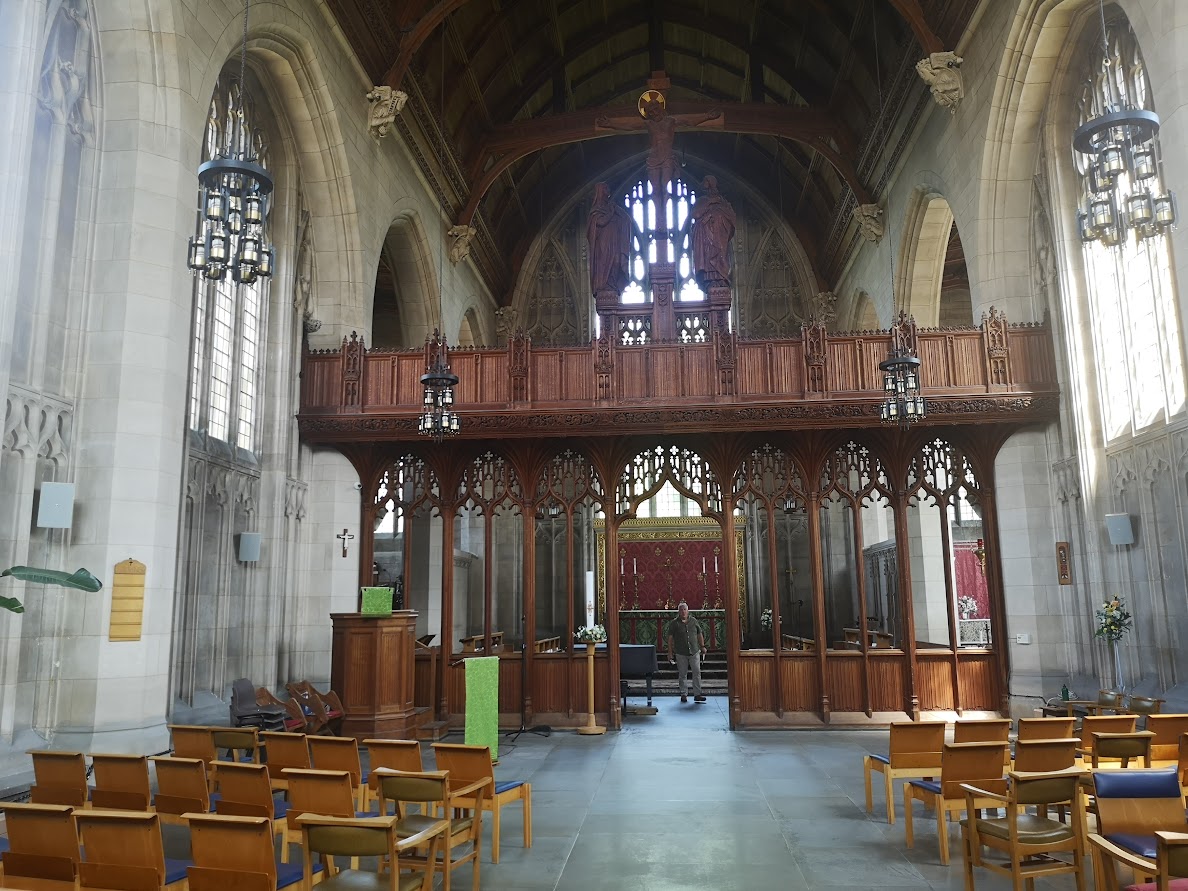
The original Anglican chapel at St Monica’s Cote Lane Retirement Village – photo: Milan Perera
“That was the absolute maximum. Fast forward 100 years, and you can see just how far our reach has expanded—not just in terms of the number of people we care for directly, but also our impact on the wider community.
“Today, we’re supporting thousands of people through our Charitable Giving programme. That could mean awarding a short-term grant to someone facing financial difficulty, helping someone replace a broken washing machine, or providing tens of thousands of pounds to launch new initiatives that improve the lives of older people across the region.”
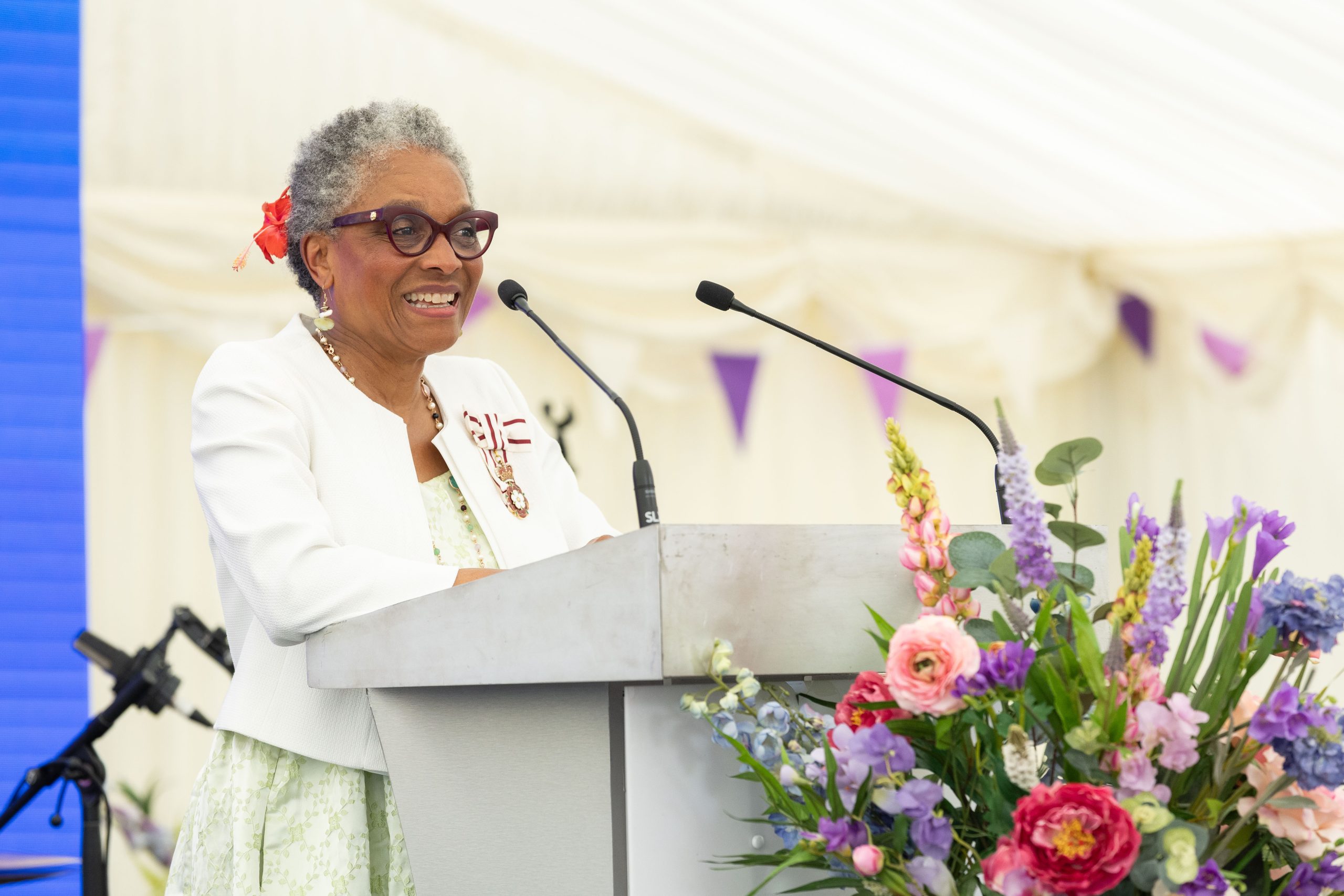
“The St Monica Trust is a jewel in Bristol’s community crown and this celebration of 100 years of caring is truly special,” said Peaches Golding, His Majesty’s lord-lieutenant of Bristol – photo: Plaster
The celebrations, attended by around 300 people, included Peaches Golding, His Majesty’s lord-lieutenant of Bristol, alongside civic leaders, long-time well-wishers of the Trust and individuals and organisations supported through its Charitable Giving programme.
Golding said: “The St Monica Trust is a jewel in Bristol’s community crown and this celebration of 100 years of caring is truly special. Today rightly places a focus both on those who have made such a difference in caring and supporting older people, and on the vital contribution that the Trust’s residents continue to make towards their own communities and beyond.”
Main photo: Plaster
Read next:
 Our newsletters emailed directly to you