News / ActiFest
‘Activism has always been the lifeblood systemic change in this city’
A new campaign is seeking to transform Bristol into a “citywide platform for participation” against the backdrop of continuing structural disparities among people who live in our city.
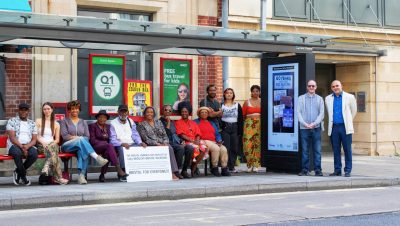
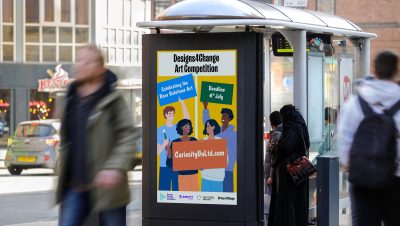
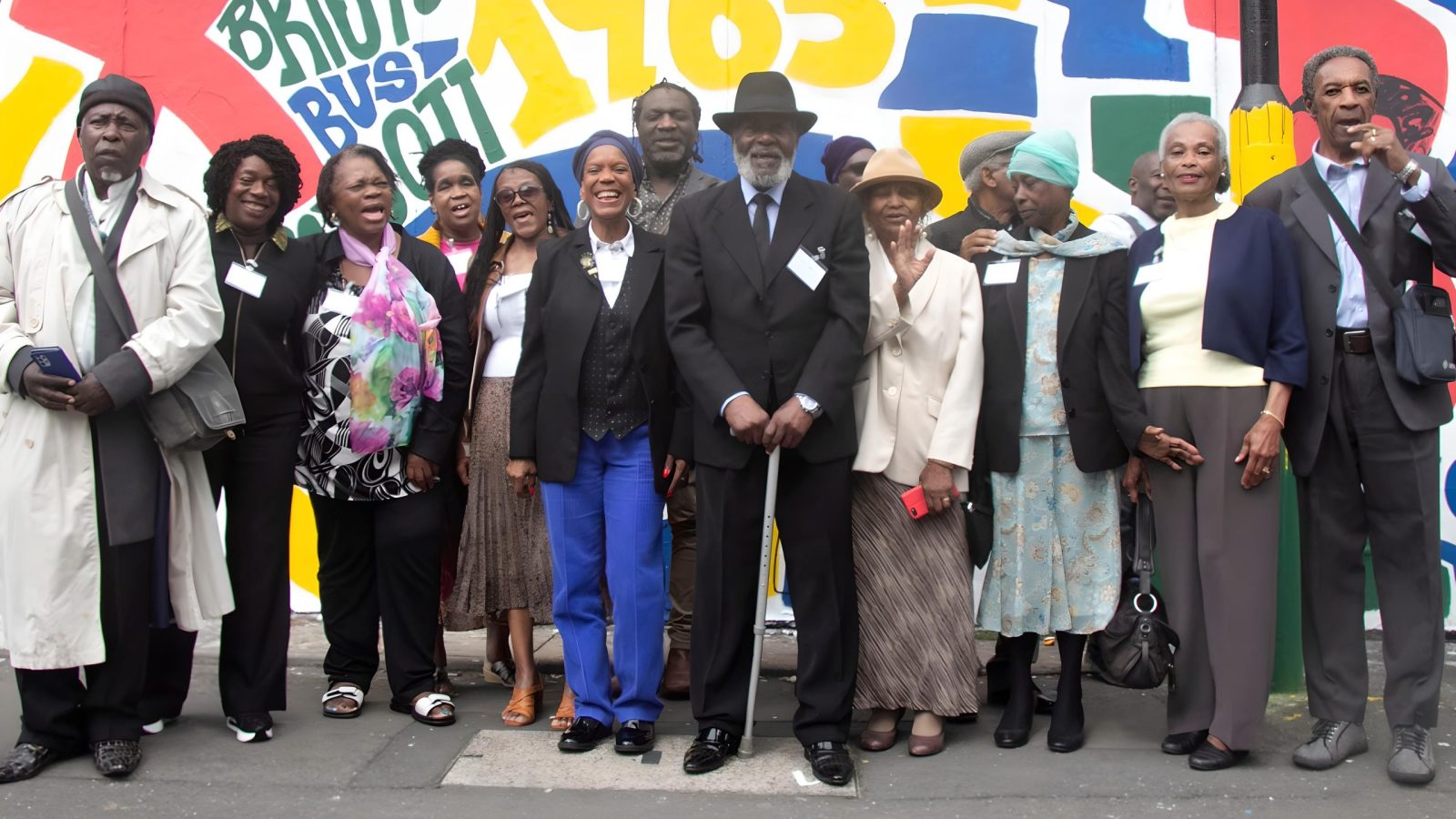
Launching on the anniversary of the start of the groundbreaking 1963 Bristol Bus Boycott, ActiFest is part of efforts to bring Bristol the status of the UK’s first capital of civil rights.
The programme is led by Curiosity UnLtd, a “think and do” tank working to “break the link between background and life chances”.
is needed now More than ever
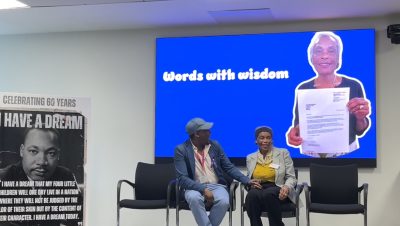
Shining a light on Bristol’s activist past, it will bring together immersive talks, public conversations and art, film screenings, exhibitions, and performances.
Organisers pointed to disparities that underline the campaign’s urgency: analysis of major employers and anchor institutions in Bristol show an ethnicity pay gap of up to 24.1 per cent compared to a national average of 19.1 per cent.
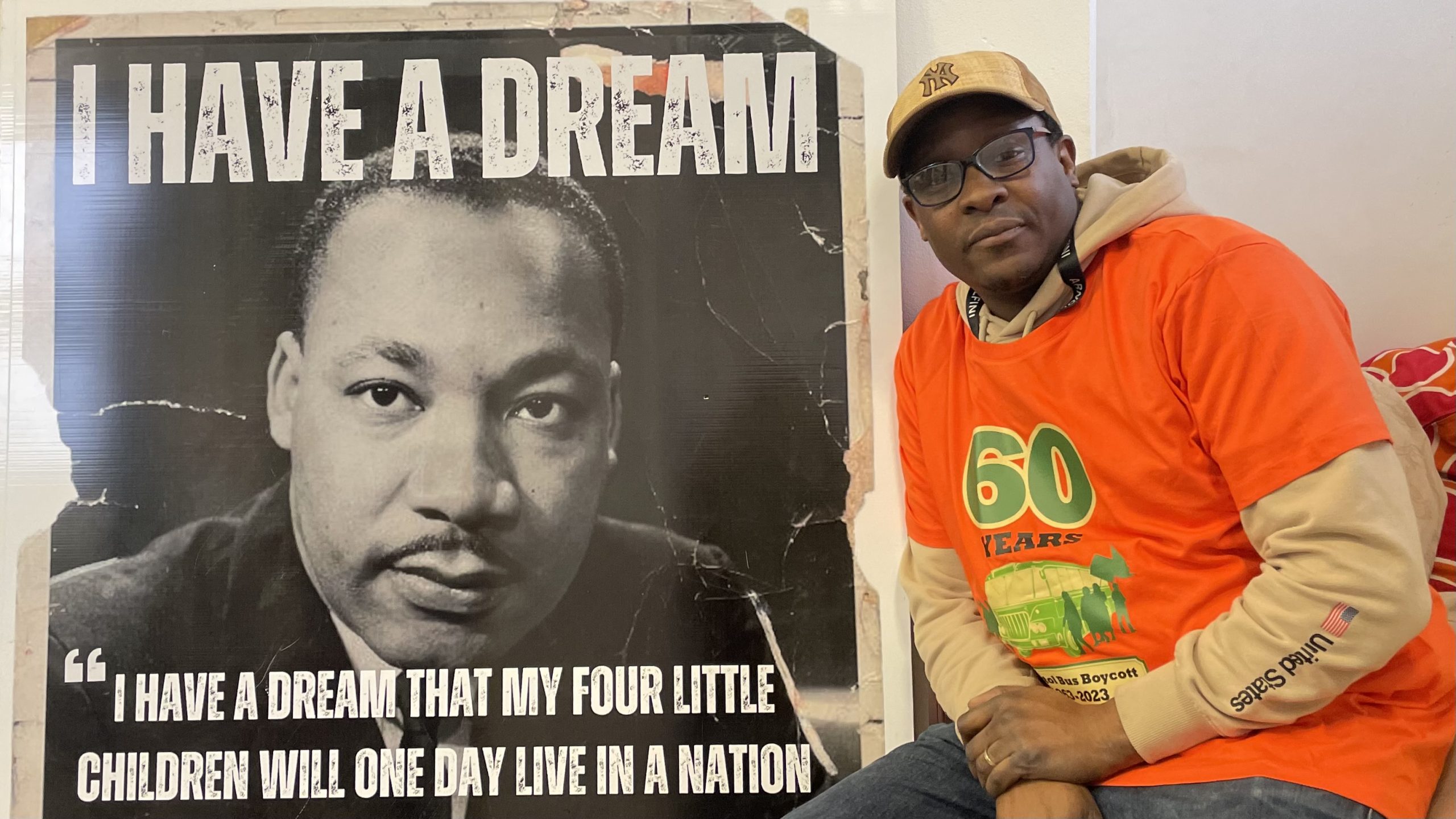
Julz Davis is a campaigner working to solidify the city’s racial justice legacy – photo: Martin Booth
“Activism – from the 1831 riots and the 1963 Bus Boycott to the toppling of Colston’s statue – has always been the lifeblood systemic change in this city,” said Julz Davis, disruptor-in-chief at Curiosity UnLtd.
“In this spirit, we are launching ActiFest as the catalyst for our 2029 ambition.
“We’re beginning by shaping a Civil Rights Manifesto – created by, for and with the people – to turn our civil-rights legacy into civic action and build a model any UK city can use.”
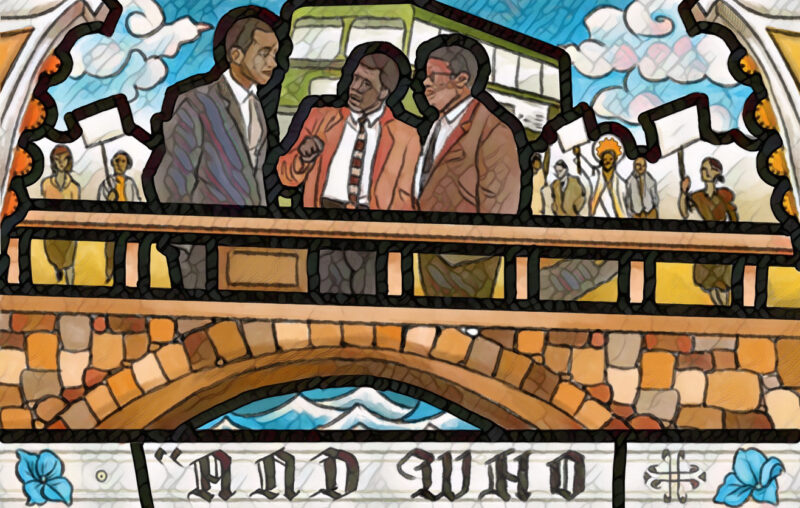
A stained glass mural at St Mary Redcliffe Church celebrates the Bristol Bus Boycott of 1963 – image: Easlish Swift
The Bristol Bus Boycott became a pivotal moment in British civil rights history, helping pave the way for the Race Relations Act 1965, which made racial discrimination in public places unlawful, and later influenced the Race Relations Act 1968, which extended protections to employment and housing.
More than 60 years on, the renewed campaign is underway to establish Bristol as the UK’s first capital of civil rights by 2029, envisioned as “a city that builds the civic, cultural and institutional systems required to defend and advance rights visibly, measurably and at scale”.
Running for 121 days across spring and summer, ActiFest mirrors the original boycott’s timeline and will see a packed programme of events aimed at inspiring the new social manifesto for our city.
One such project is a collaboration with Upfest in which public is being invited to take part in the creation of a large-scale mural by artist Ella-Mia Grant.
Marking the tenth anniversary of her passing, Carmen Beckford, one of the founding organisers of St Paul’s Carnival who went on to become a figurehead for race relations, will be honoured through the display of her sculpture on the Royal West of England Academy plinth during exhibition Dance Out.
There are also plans to stage events around the musical Jamaica Love which is being performed at Bristol Beacon in June.
Lord Paul Boateng, a University of Bristol graduate who became the UK’s first Black cabinet minister, said: “Bristol’s long tradition of activism – from abolition to the Bus Boycott – shows why it matters now.
“At a time when civil rights are under pressure globally, cities like Bristol must lead with courage and example.”
ActiFest runs from Wednesday to August 28
Main photo: Curiosity UnLtd
Read next:
 Our newsletters emailed directly to you