News / Science
A little bit of Bristol on Mars
As the world prepares for Nasa’s imminent announcement about Mars, it’s worth remembering there’s a little piece of Bristol lying up there on the Red Planet.
Beagle 2, the home-made lander the size of a bin lid built to search for signs of life on Mars, remains on the piece of ground where it came to a stop on Christmas Day in 2003 and failed to deploy its solar panels.
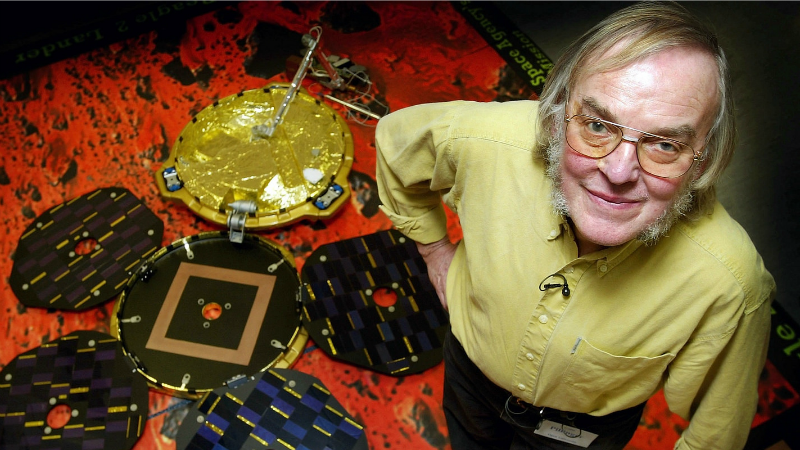
The ill-fated, shoestring-budget mission was led by the charismatic Kingswood-born Colin Pillinger CBE, the lead investigator who won the hearts of the nation and took the science world by storm with his showman style.
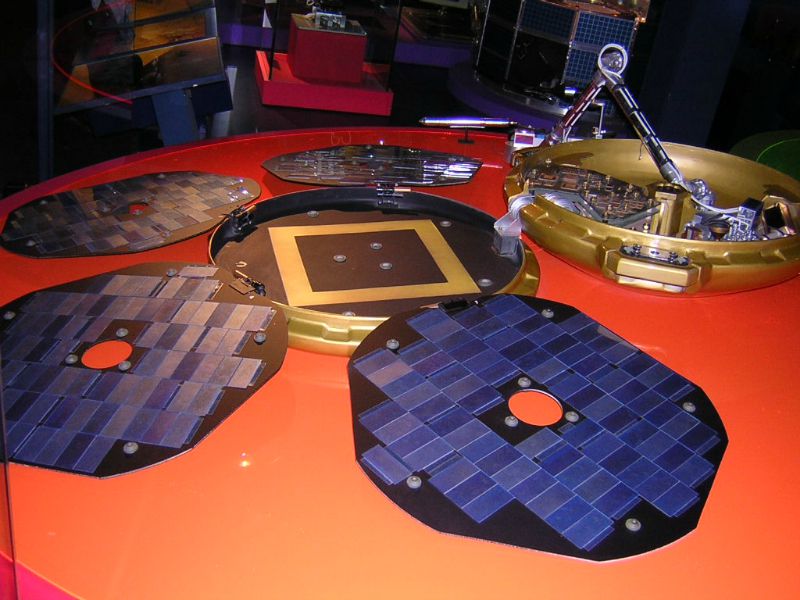
His dedication and passion epitomised the project, which remains the only British or European soft landing on Mars, and his energy captured a nation who waited excitedly for the first message of the lander to be transmitted back to earth.
“Colin’s drive to seek life on Mars gave him a larger than life personality that carried people with him. It is impossible now to think of Colin without thinking of Beagle 2. Colin’s role was extraordinary,” said Prof David Southwood of Imperial College on Pillinger’s death in May 2014.
“He communicated with the British public and galvanised even space industry in a way that few others have. He made people feel that Britain could aspire to do special things in space.”
“As with most space projects, the majority of the money goes into the development of new technology. That technology is still with us and feeding into the ExoMars mission,” said Roland Trautner, who was the European SpaceAgency (ESA)’s payload manager on Beagle 2.
Following the Bristol planetary scientist’s death, an area on Mars was named Pillinger Point. Pillinger’s Beagle 2 was finally found by Nasa satellite images in January 2015.
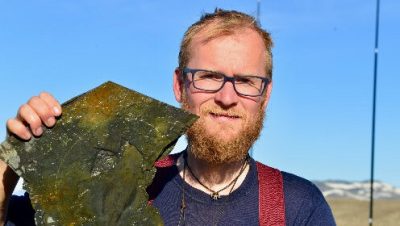
Picture credit: Paul Townsend
is needed now More than ever
 Our newsletters emailed directly to you