Features / Education
The pioneering video game academy for neurodivergent young people
It’s early afternoon and the atmosphere is calm and focused in a unit in the Paintworks off Bath Road.
In the light-filled space, there are a dozen computers lit up with various gaming software and headphone-clad heads peek above leather chairs.
Two adults mill around the modern space, checking in with the young students from time to time to ask about their progress.
is needed now More than ever
This is the new Bristol base of the Enemy of Boredom Academy, an alternative education provision space specialising in video game design for neurodivergent young people who have struggled to thrive in mainstream education.
Its arrival comes against a stark backdrop: our city is facing an acute shortage of Special Educational Needs and Disabilities (SEND) provision, leaving thousands of children without access to suitable education.
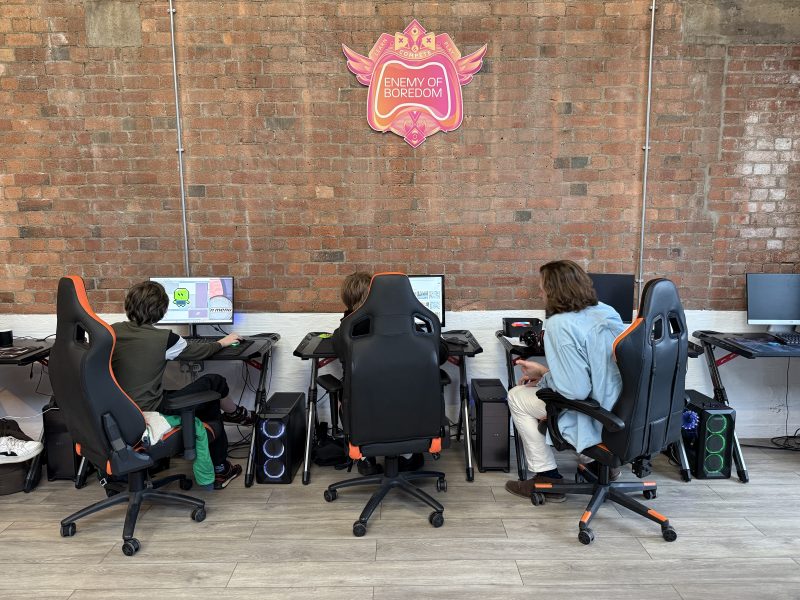
The academy is described as a place of “creative excellence for young people who think differently”
“We are trying to bring happiness and joy back into what might be quite a traumatic school experience for students,” said Steve Godwin, founder of the academy.
“We are trying to work out: what has gone wrong and how can we really help?”
After a morning workshop testing water levels in a game environment or building assets in Unreal Engine, students eat lunch together, playing Uno or chatting.
The afternoon might involve theory, artwork or refining a game mechanic and by 2.30pm, the day is over.
The shorter and relaxed timetable isn’t about lowering expectations. If anything, the technical demands are higher than many students have encountered before.
Even those working at Level 1 or 2 are learning industry-standard software like Blender and Unreal Engine – tools many qualified ICT teachers have never used.
The environment is designed with neurodivergent students in mind. Instructions are always visible on screens to reduce cognitive load.
There are breakout spaces, constant pastoral support and flexibility to step outside when someone becomes overwhelmed.
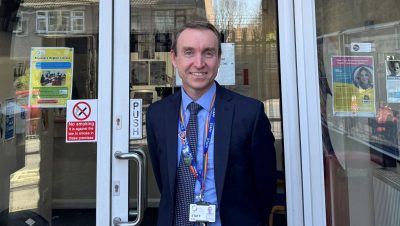
Headteacher of the Bristol centre and a former deputy head in mainstream education Peter Goodman describes the environment as “adult-to-adult”, citing the example of first names to instill a sense that this is a workplace, not an institution – there to help get young people into meaningful jobs.
View this post on Instagram
The Enemy of Boredom Academy works with students who are autistic, have ADHD or other additional needs, with many being undiagnosed until late adolescence.
Some attend the school one day a week as a form of respite from mainstream school with others otherwise entirely isolated at home, receiving no education at all.
In Bristol, that group is growing. As of January this year, over 15,400 pupils in Bristol schools have special educational needs, up 5.8 per cent from 2024, according to Bristol City Council statistics.
Godwin estimates that Enemy of Boredom’s centres, of which there are three nationally, now provide the equivalent of around 1000 additional days of education every month – days that, without alternative provision, would not exist.
Parents are often “crying out for help” by the time they find the academy.
“We are approached by parents who are desperate for this,” Goodman said.
He said some have to take legal action just to secure funding so by the time a place is approved, “that’s six to eight months of lost education”.
Goodman is blunt about the system’s failings: “I feel like what local authorities have taken is frameworks from business, for procurement, and applied it to education.
“But this is a people business and being able to write a really good tender submission is not what makes us good at working with young people.”
The cost argument, he added, is short-sighted, saying it is far more expensive to let young people leave school with no qualifications or prospects.
“This should be seen as an investment,” Goodman said.
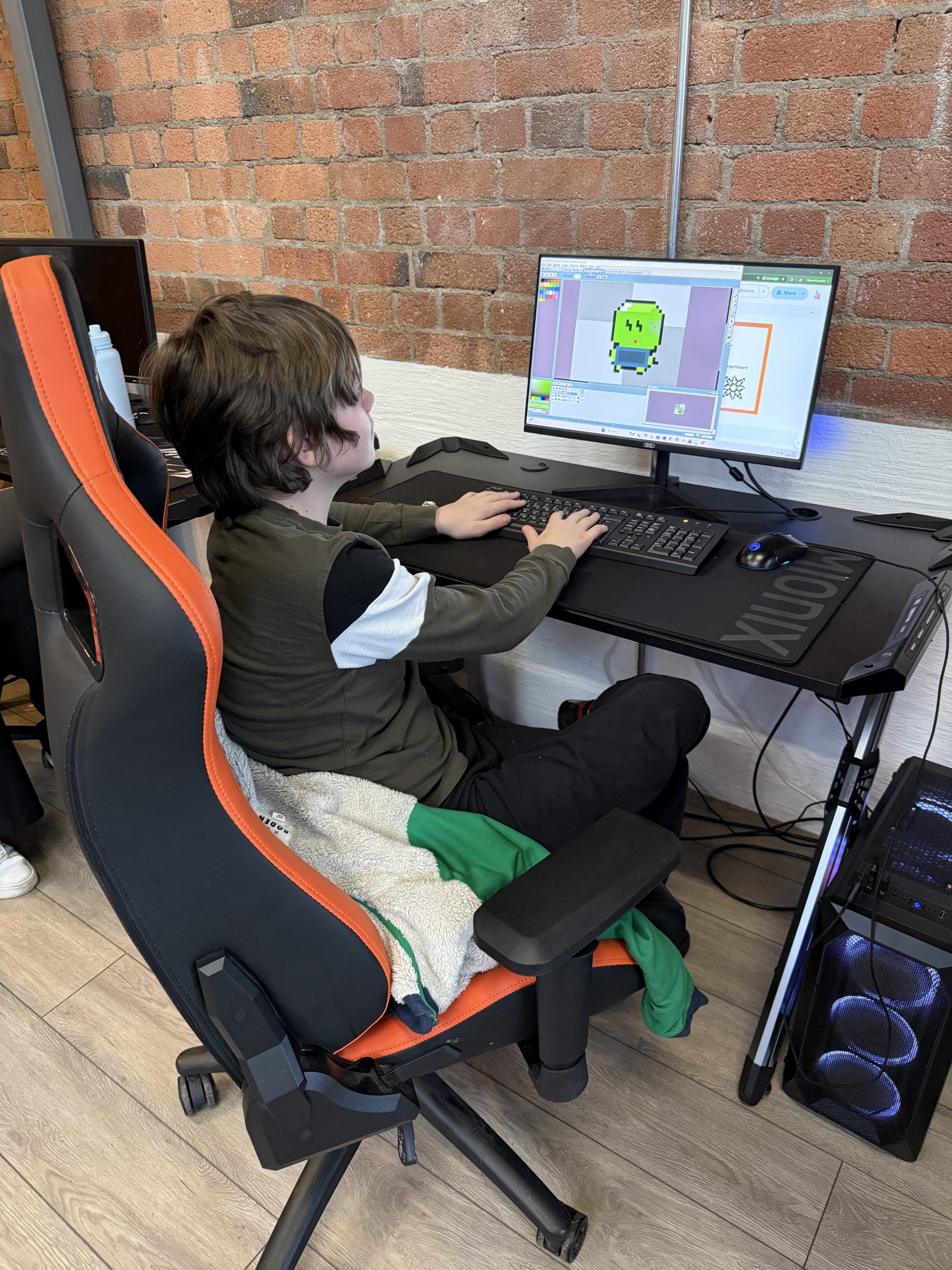
Louie Boustead, 13, was busy creating his main character for his 2D game
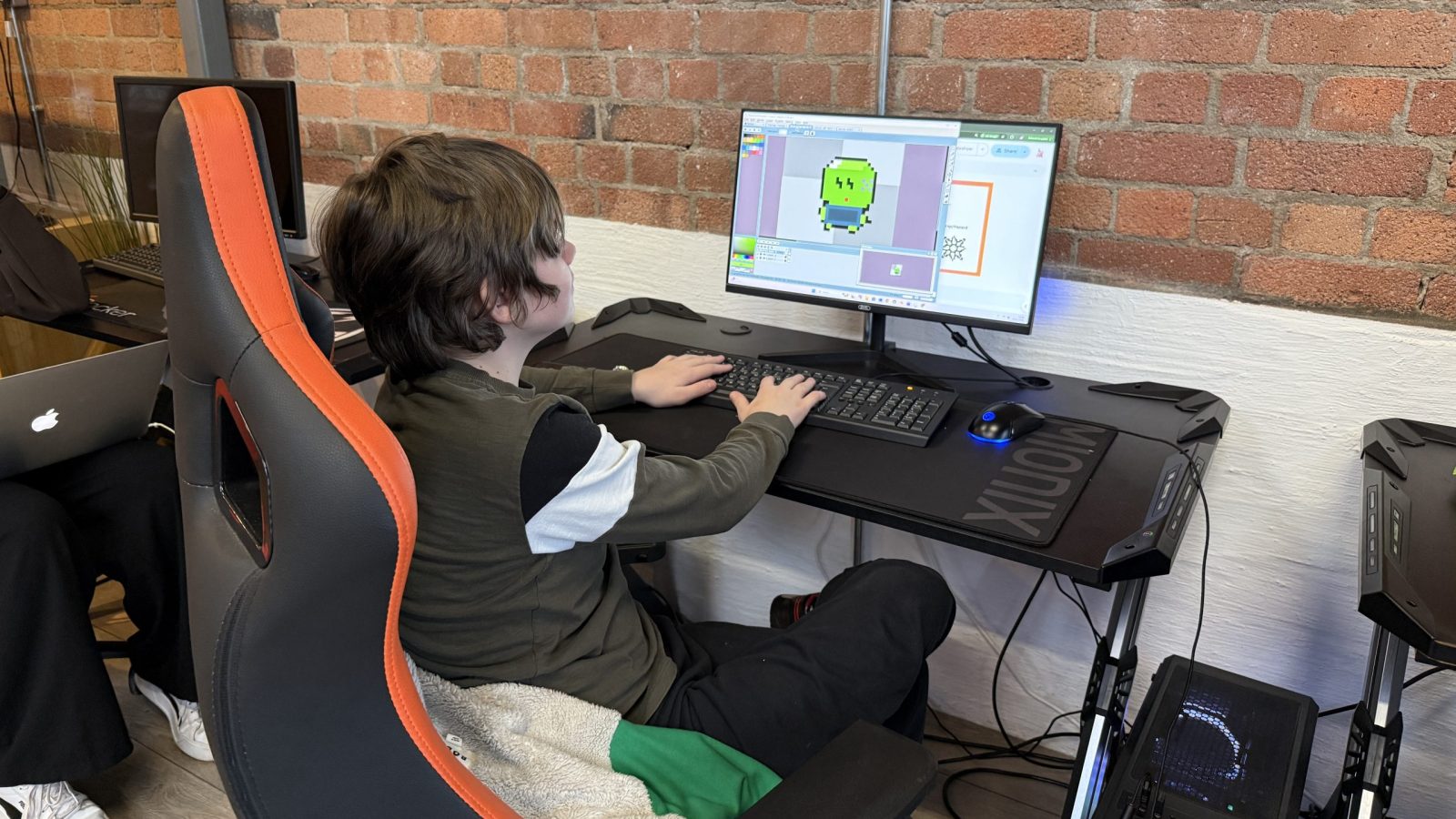
On a recent morning, student Louie Boustead, 13, was working on a bright green main character for his 2D game.
How does it compare to mainstream school?
“It’s a massive difference,” Louie said. “There aren’t kids screaming in your face every 30 seconds and it’s just a much more controlled and nice environment. It’s really fun.”
Louie said the academy has not only become a place to explore creativity but a platform to imagine a career in game development: “It would be fun to be an indie developer who works for themselves, not for a huge company like Nintendo.”
The Enemy of Boredom Academy delivers recognised qualifications – Level 2s and 3s equivalent to GCSEs and A-levels and help with UCAS points – and students also produce a portfolio of work to showcase their skills to employers.
But success at the academy is about more than grades.
Goodman describes students who initially couldn’t leave the car and sat outside the building for hours until they built up the courage to enter the academy and learn to participate.
Parents notice the changes at home too with young people reengaging with family life and eating tea together again.
The Enemy of Border Academy isn’t trying to replace schools, but both Godwin and Goodman say there is a pressing need for more freedom in education to “meet young people where they are”.
Godwin said: “My mission is to change the perception of alternative provision, as they are a really valuable part of the education mix.”

This article originally appeared in Bristol24/7’s March/ April 2026 magazine
All photos: Betty Woolerton
Read next:
 Our newsletters emailed directly to you