Features / libraries
The future of Bristol’s libraries
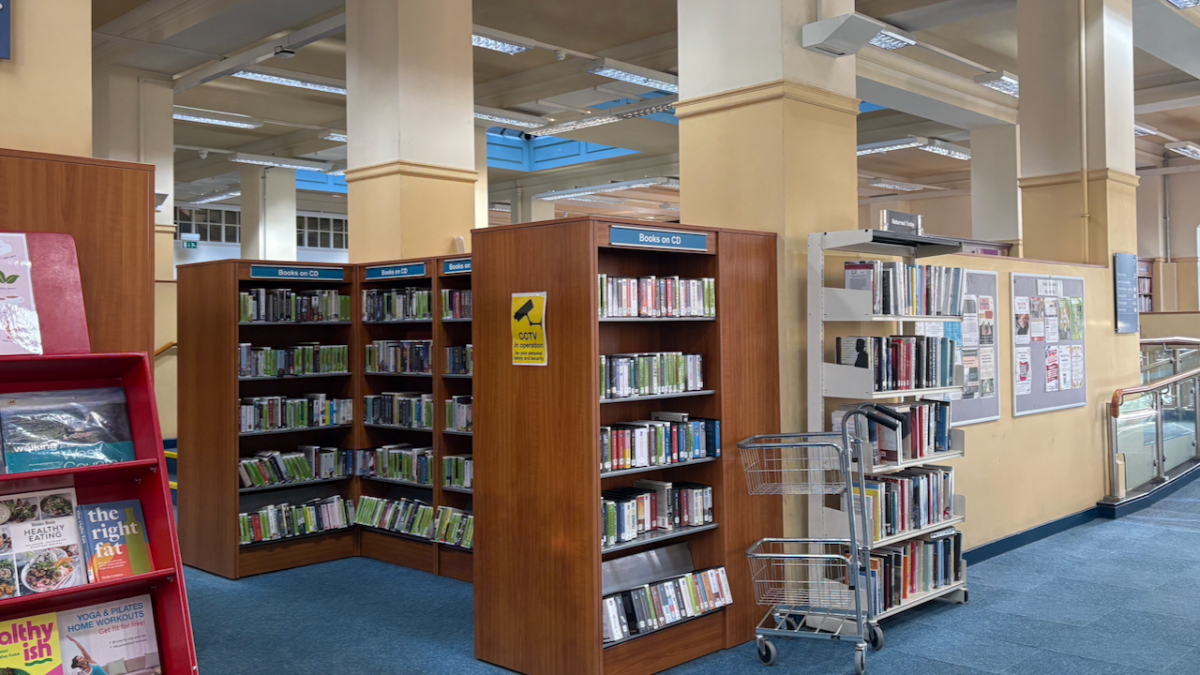
A delicate yet distinct shuffle of shoes echoes through the silent rooms of Central Library. Kids are buzzing with excitement as they flick through pages of picture books, adults shift in their chairs to find a comfortable position as theyread or work, and a few feet away, people are sipping on coffee and devouring cake slices from the cafe. Each of them are cosied up in their own little worlds.
As Green councillor Ed Fraser puts it: “Everyone has a story with libraries. This could be a story about what libraries meant to them while growing up, or what it meant not having a library growing up or losing a library.”
The historic library on Deanery Road in the city centre is one of 27 across Bristol. The future of all of them relies on a new strategy due to be completed by the public health and communities committee in May 2026. In a draft version shared in late 2025, accessibility to libraries came forward as a looming worry.
is needed now More than ever
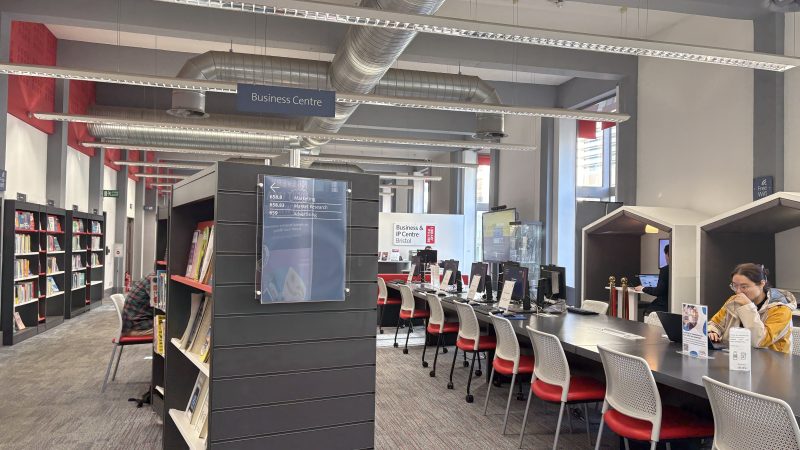
For many, libraries are an essential space for study, work and connection – photo: Karen Johnson
“Some of the feedback we had from the public was concern about when the libraries were open, and the instability that had been a feature in recent years,” said Stephen Williams, Lib Dem councillor and chair of the committee. “The hours of the libraries that we have in Bristol had been cut back by the previous administration, but worse than that, because there had been a recruitment freeze, they were often sporadically closing, even when they were meant to open. So we picked up a lot of disquiet about that.”
Williams added that while the recruitment freeze has been addressed in 2024 and libraries are now “generally open when they’re supposed to be open”, they often are not open “when people want them to be”.
Technology-enabled and volunteer-supported opening, better digital access, and resolution of physical and other barriers are some proposed ideas in the draft strategy, parts of which will form the basis of the new upcoming strategy.
For Fraser, who “primarily communicated through noise and actions as a kid”, libraries were a key part of his speech development.
He added: “When I gradually learnt to speak through speech therapy, one of the things that really helped was going to the library just down the road from the school. We would go after school sometimes, my brother would read and play with the other kids, and my mum would use this as an opportunity to try and teach me and help with my speech therapy.”
While there is a general agreement on making libraries more accessible and further integrating them into the community, rumours about library closures keep finding a way into the council chambers. In January, plans to cut the council’s service budgets by 50 per cent led to fear that this might mean city libraries would have to close.
Public disapproval and outrage eventually pushed for the library budget for 2026 to be maintained in full.
However, a parallel petition to ‘save Bristol’s libraries’ led by Bristol Labour leader Tom Renhard has swayed the conversation. Renhard said the petition was initially started when the budget cut proposals were shared, and he felt the need to protect the institutions.
After these cuts were removed, the Labour leader said they were pleased, but his party’s concerns shifted to the “language around it”. Renhard said that even though the libraries were removed from the proposed budget cuts, the narrative around revisiting the subject again in a year made him feel uncertain about the final outcome. He insisted that this is why they wanted “to categorically rule out library closures” from this policy when the committee formed a task force.
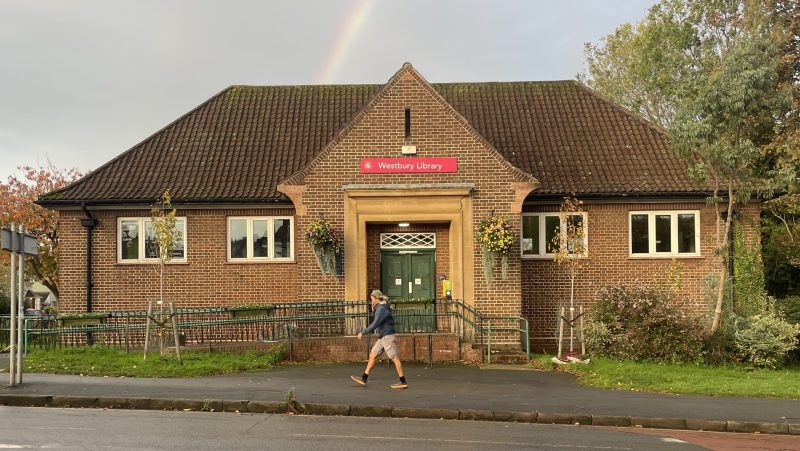
Many of the 27 libraries across the city do not have long opening hours – photo: Betty Woolerton
Williams, however, believes there’s a political agenda underlying the Labour Party’s narrative. He added: “They are obviously not part of the formal administration of the council and are wanting to create political mischief by saying that libraries are under threat when in fact they are not.”
With the new, detailed five-year strategy only to be completed in May 2026, Williams says ruling out closures completely will restrict their future spending plans.
“It immediately puts a complete practical straitjacket on us,” he said. “From seeing how we can spend the money more wisely, how we can get more volunteers involved on the day when currently libraries are closed anyway.”
He continued: “It’s a fiction to pretend that just because we’ve got library buildings that they are open all the time.
“Obviously, they are not because the hours were drastically cut under Marvin Rees.
“I want to look at how we can make sure the service is open when people want it to be open.”
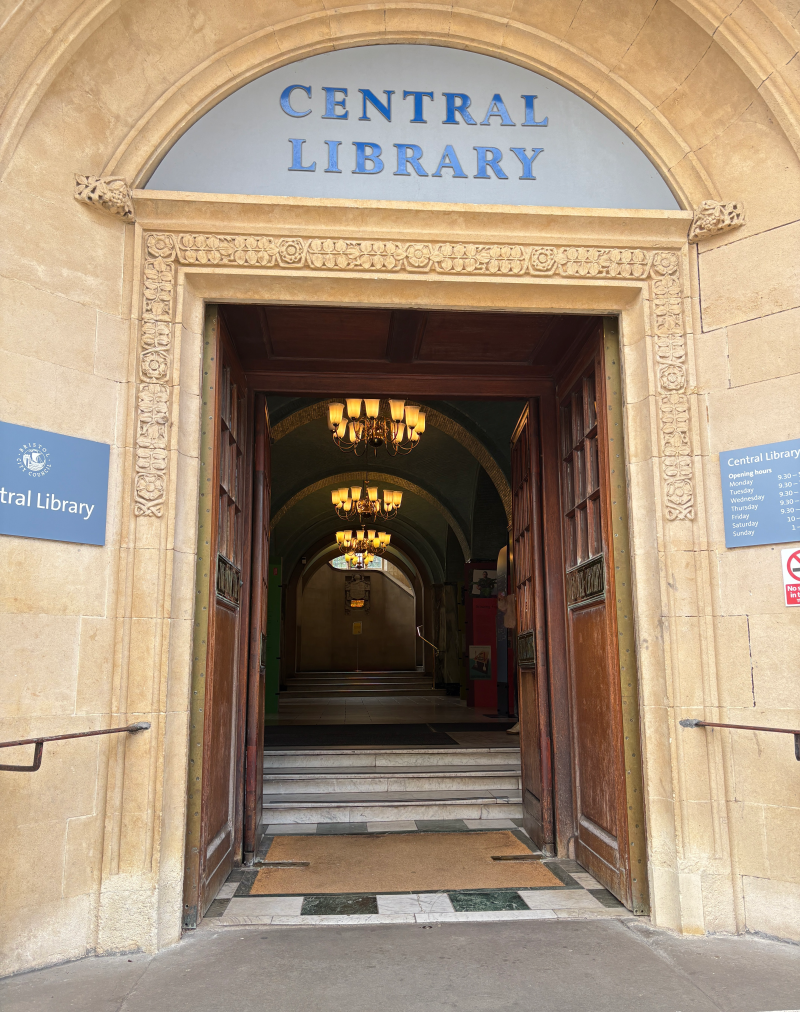
The Labour-led petition to “save Bristol’s libraries” got more than 5,000 signatures – photo: Karen Johnson
The councillor for Westbury-on-Trym and Henleaze also said that library services “cannot be frozen in time”. It changes according to where people live, where they shop and where they go to work. “Cities are dynamic places, so we have to have a dynamic library service as well,” added Williams.
As parties fight over ideas for the future of libraries, people like Jenny Exon, a member of the Friends of Seamills Library group, fear that libraries might not remain the same as they know them.
Speaking to Bristol24/7, Jenny said: “Even though there are no cuts, the strategy and the decisions may still mean that there is a change in how libraries are structured. So it may not turn into the library as we currently know it, and I think that’s the big worry for most of us because we lose our community space.”
Jenny says that several groups use the Seamills Library, including a Lego group, a craft group, a knitting group for the elderly, a book club and shared reading groups. The Friends group also organise their own events, making the library space equivalent to what Jenny calls a “community hub”.
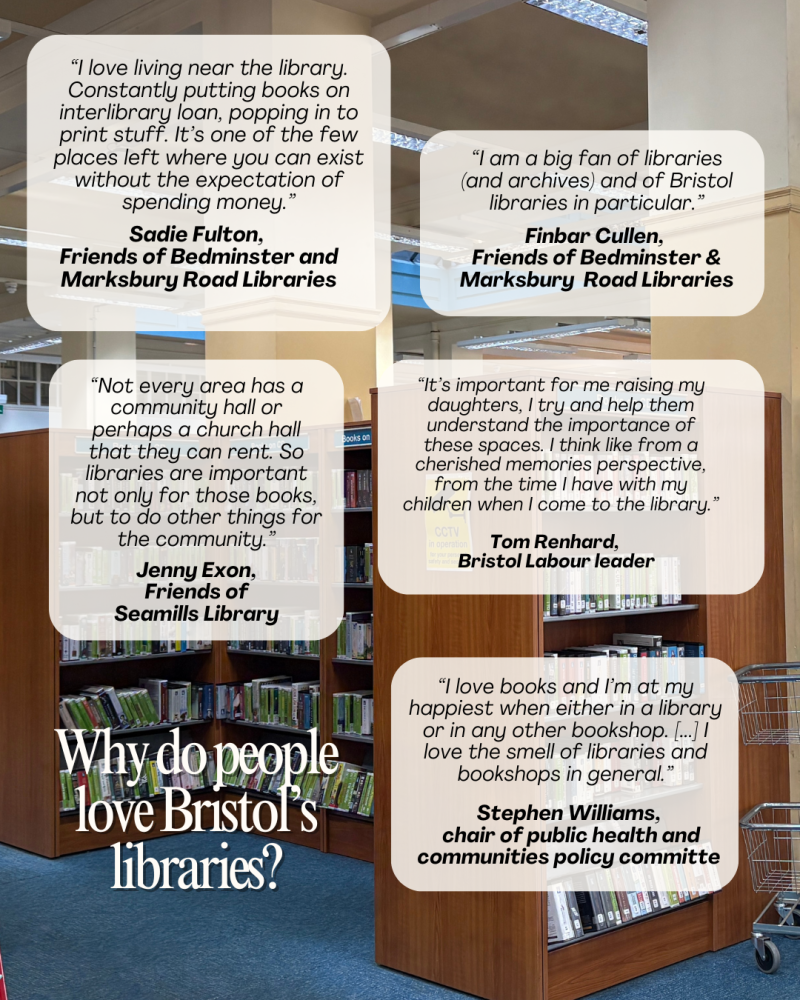
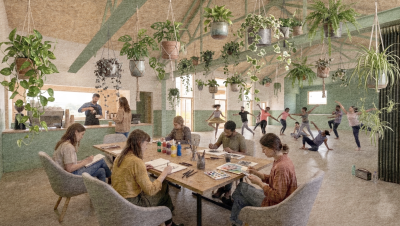
Peopel in Bristol love the city’s libraries for several different reasons – graphic and photo: Karen Johnson
Much like Jenny’s view, beneath political agendas and disagreements, libraries remain an undisputed community institution for everyone.
A “place of sanctuary”, as Renhard describes, where people can spend time reading or taking part in one of several social activities. He said: “They’re really important spaces, and I think they’ve evolved as well so it can be more community spaces. It provides so much for so many people in different parts of the community.”
Williams, on the other hand, enjoys using the Central Library as a space of research to feed his fascination with genealogy and family history, and to understand the political history of Bristol.
He said: “Because the Central Library and Bristol Archive Service have a huge number of records about Bristol’s history, I’ve spent many hours in the reference section, looking through old newspapers, election pamphlets, reports of elections, and the books that are available in the reference library as well.”
As councillor for Eastville, Fraser says he is obliged to pick the Fishponds Library as his favourite in the city. “But I really like Bishopston Library as well,” added Fraser. “I remember before I moved to Bristol, when I visited my uncle, we would pop in there.”
Despite impending changes, the hope for Bristol’s libraries is universal—to provide inclusive spaces that are welcoming, safe and fully accessible to all residents.
The draft outline strategy will be used to launch a second phase of planning, which will culminate in the creation of a detailed five-year strategy in May 2026.

This article appears in Bristol24/7’s January/February 2026 magazine
Main photo: Karen Johnson
Read next:
- Trial could see Bristol libraries open on Sundays
- Politicians continue to squabble over future of libraries
- Councillors argue over ongoing petition to ‘save Bristol’s libraries’
 Our newsletters emailed directly to you