Features / Advertising Feature
Stuff, Stories and Letting Go: Bristolians Rethink Their Relationship With Clutter
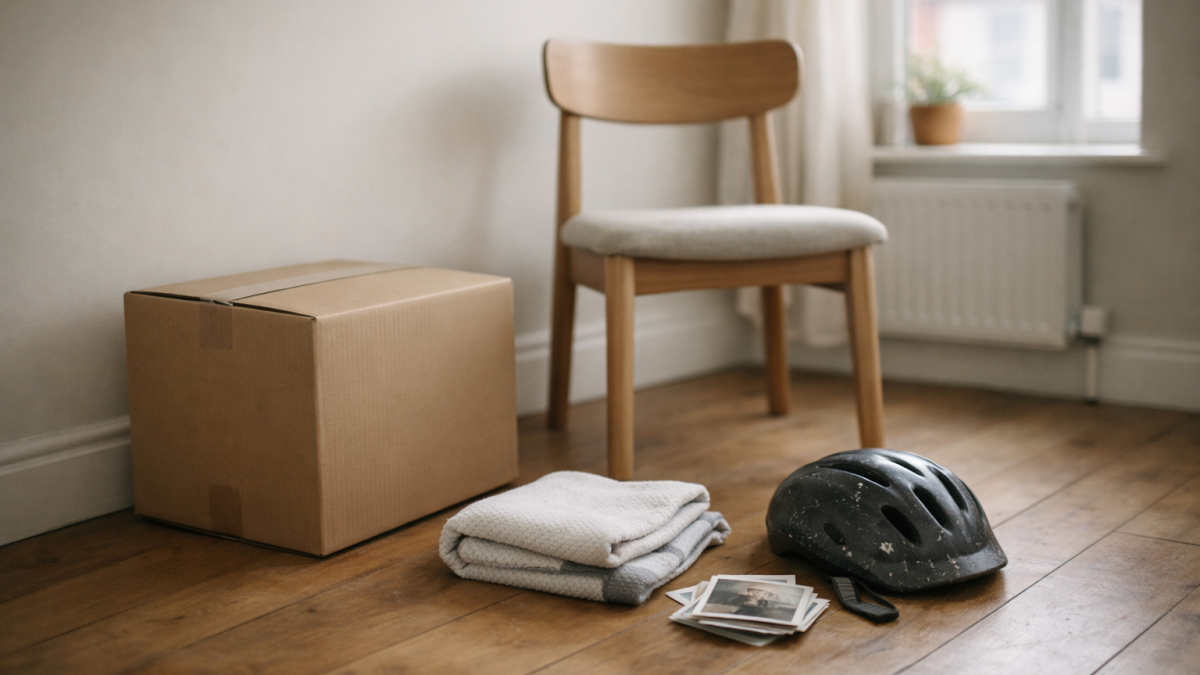
In Bristol, clutter often starts as something practical. A spare chair from a flatshare, a bike that never quite gets sold, a box of baby clothes saved “just in case.” Over time, those items can begin to feel like they are taking up more than space.
The city’s housing mix adds to the pressure. Smaller rentals, shared houses, and new life stages can make cupboards feel like a battleground. For many people, the hard part is not deciding what to keep, but deciding where it can live.
Minimalism also has a pull, but it does not always match real life. Some people want calmer rooms without cutting ties to the past. Others need a short pause while they sort out what comes next.
is needed now More than ever
Why so many Bristol homes feel full
Space in Bristol is not just about floor plans. It is also about how quickly life changes, and how slow decisions can feel when objects hold memories. When homes feel tight, people look for ways to make room without losing what matters.
When the home cannot stretch further
Bristol’s space squeeze shows up in the numbers and in daily routines. Census based analysis has put overcrowding at about 9,685 households, around 5.1 percent of homes. At the same time, there are more than 116,000 under occupied properties across the city, which highlights how uneven space can be.
When upsizing is not realistic, storage can act like an extra room. A ground level storage unit can hold seasonal gear, spare furniture, or business stock. It can also reduce the pressure to make fast decisions during a busy move.
This kind of solution tends to stay close to home. Across the UK, surveys suggest around 73 to 82 percent of self storage spaces are used by households, not businesses. Many people also travel less than 15 minutes to reach their site for quick drop ins.
When boxes carry more than objects
Some belongings feel too loaded to deal with right away. After a bereavement, a separation, or the arrival of a new baby, a few bags can carry a whole chapter of life, as a recent study suggests. Industry surveys suggest around 12 percent of customers link their choice to big life events like these. Other drivers are more everyday, but they can still feel emotional.
In 2024, about 29 percent of customers said they rented space to declutter or create more room at home. A further 24 percent said they were redecorating or renovating. By 2025, follow up analysis suggested roughly a quarter simply had no room. Around 10 percent said they wanted a calmer and more spacious home.
That is where minimalism becomes complicated. Many providers promote the idea that less visible clutter can help people feel calmer, using phrases like “clear the clutter, clear the mind.” Renters’ groups and housing commentators also note that the lifestyle story can hide a harder truth about cramped or unaffordable homes.
A simple check can help when emotions run high and time is short. If an item would be bought again today, it may deserve a place at home. If an item is only kept from guilt, a photo can keep the memory. If an item is needed once a year, it may suit off site storage. If an item belongs to someone else, agree a deadline, and set a date to review harder items.
Clutter decisions often feel personal because they are personal, even when the trigger is housing. A clear plan for return, donation, or sale can lower the stress. Labels with a room and a date can also stop boxes becoming permanent fixtures.
When the city fills in the gaps
Not everyone can pay for extra space, and Bristol has a strong habit of improvising. In one local online discussion in 2025, a person facing homelessness asked how to store belongings. Strangers offered to keep boxes in their own homes in St Pauls, and others suggested speaking to a tenant union.
Housing costs sit behind many of these stories. Written evidence to the UK Parliament on Bristol’s private rented sector describes private rents rising by about 52 percent over the last decade. It also reports an average of £1,825 per month in 2025, which makes upsizing harder.
Meanwhile, self storage has become a large national industry, worth about £1.08 to £1.2 billion a year. Estimates put rentable space at roughly 64 to 103 million square feet, or around 0.9 to 0.94 square feet per person. Analysts also place cities like Bristol in a “stable but undersupplied” band, where demand stays strong while new sites arrive slowly. Some newer facilities blend internal rooms with container spaces within mixed use developments.
Making space without losing meaning
Clutter can look like a mess, but it often starts as care. People keep things for future selves, for family, or for a version of home they hope to return to. Letting go tends to work best when it happens in stages. The aim is usually a home that works day to day, not a perfect minimalist room.
Sometimes that means storing bulky items for a while, or borrowing space from someone trusted. Sometimes it means setting firmer rules about what stays within reach. A tidy surface can still hide a busy life, but it can also create breathing room. In a city where homes and lives keep shifting, the real win is making room to live well.
 Our newsletters emailed directly to you