Features / Advertising Feature
Five Critical Phlebotomy Skills That Eight Out of Ten Bristol Clinics Look For
Clinics in Bristol actively look for candidates with these five critical phlebotomy skills:
Venipuncture
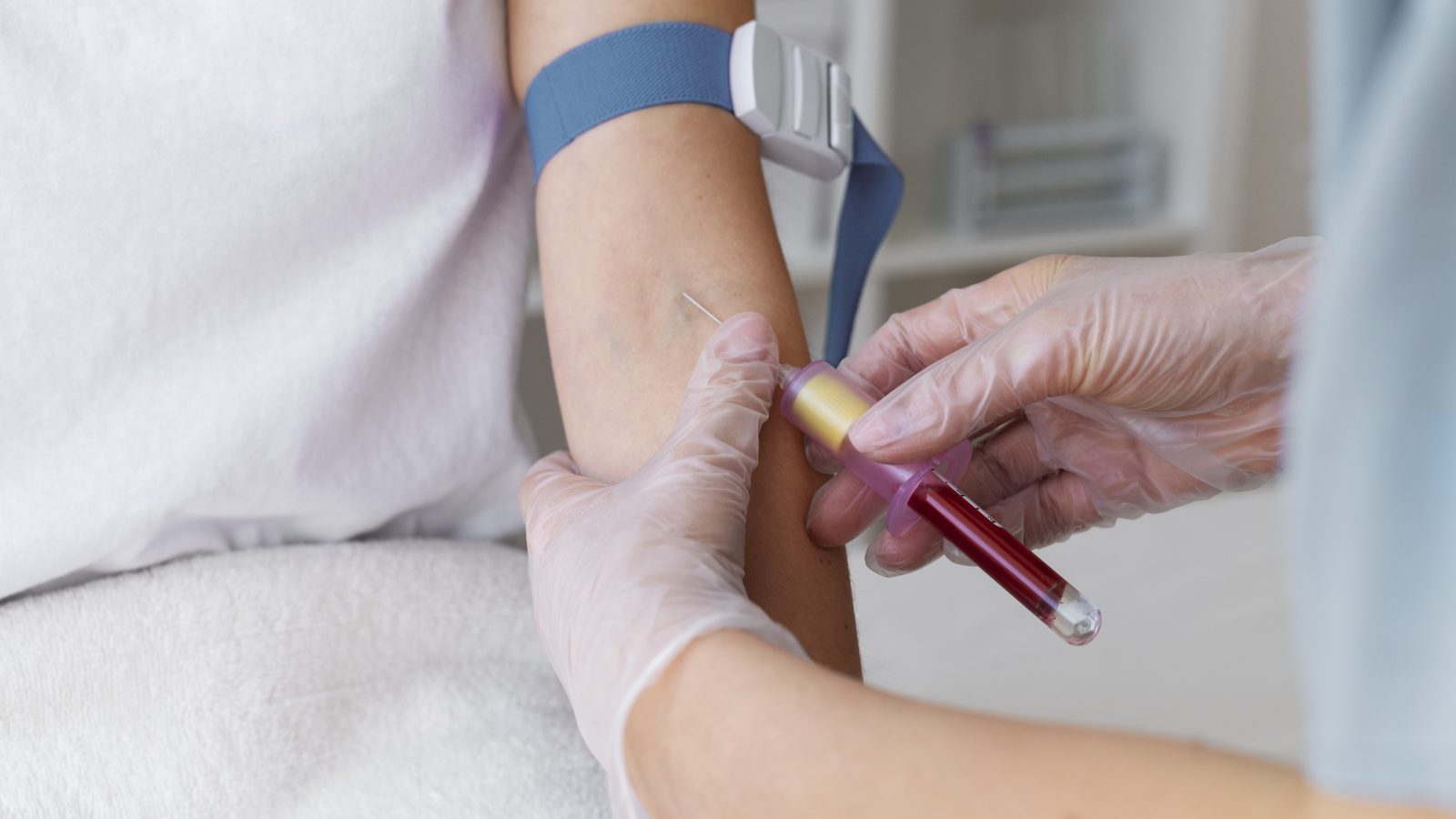
Venipuncture is the primary task of a phlebotomist. It is the specific technique of puncturing a vein to draw blood. The most common veins for venipuncture are in the arm. To be more precise, it is on the median cubital vein in the bend of the elbow.
A needle is first inserted into the vein to draw the blood into a vacuum-sealed tube. The needle is then slowly removed. The puncture site is covered with a bandage.
Since venipuncture is a delicate phlebotomy skill, it is recommended to learn from real experts only.
is needed now More than ever
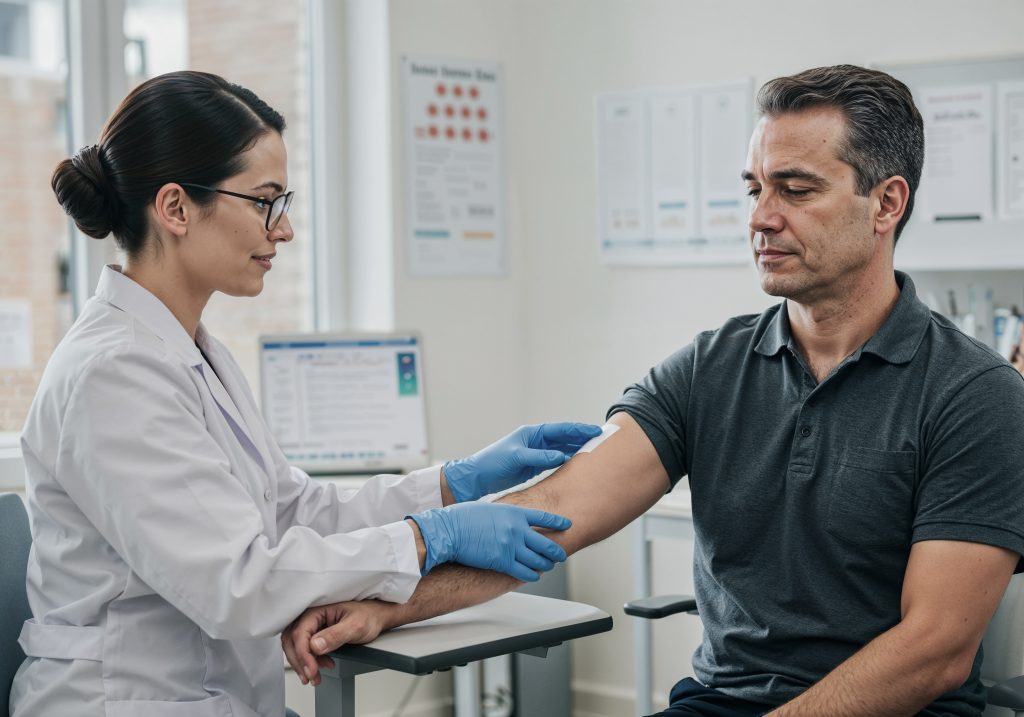
Phlebotomist preparing for a blood draw. Source: freepik.com
If you are in Bristol and want to master proper venipuncture techniques from real healthcare professionals, join the best and CPD-accredited Phlebotomy Training in Bristol. It’s a one-day practical session provided by the leading phlebotomy provider in the UK, The Phlebotomy Training Institute. This training complies with the National Occupational Standard.
Infection Control
Blood can contain many infections. Also, the needles, if not disposed of properly, can cause health implications. To prevent infection, phlebotomists must always maintain a clean environment.
Patient Interaction
As a phlebotomist, you will meet many patients who will be scared of blood draw collection. As such, you need to communicate with them kindly. Also, this is a patient-facing role where you need to interact with them at all times.
Detail-oriented
Phlebotomists handle many patients on a daily basis. Besides venipuncture, they also record patient details or label vials accurately. If they are not careful with the work details, there could be serious consequences. For instance, imagine a phlebotomist who inaccurately labels a blood sample. This is why it’s important for phlebotomists to be vigilant and detail-oriented.
Continuous Education
Healthcare professionals, including phlebotomists, must always keep up with current practices that meet newer guidelines. To keep up with these practices, they need to be engaged in continuous education.
Taking short and accredited courses also shows employers that you are committed to your job. If you want to keep up with the latest phlebotomy practices, check out the best Phlebotomy Training courses.
Career Progression Opportunities
According to the National Career Service, a phlebotomist with experience can become a senior phlebotomist handling more complex tasks. They can also go on to become team leaders or managers.
Many phlebotomists choose to go into other related professions. A popular pathway for many phlebotomists is to transition into Healthcare Assistant (HCA) roles. If you want to study HCA and are looking for accredited courses, check the Healthcare Assistant Training from Phlebotomy Training Institute.
Conclusion
Although many other soft and hard skills are essential for an ideal phlebotomist, clinics in Bristol look for five critical skills.
These core skills are venipuncture, infection control, patient interaction, being detail-oriented, and engaging in continuous education. A phlebotomist who has these core skills can gradually progress to other roles in the healthcare sector.
Top image: Phlebotomist performing venepuncture. Source: Freepik.com
 Our newsletters emailed directly to you