Features / accessibility
Changing Places: creating comprehensive accessibility
You may think you know all there is to know about improving accessibility: install a ramp, have a disabled toilet, install disabled parking and rails for assistance.
But one organisation is challenging the current standard for accessibility and inclusivity.
Changing Places is a consortium that has a number of facilities dotted around the country, their mission is to install public bathrooms designed specifically for people with complex disabilities.
is needed now More than ever
People will be familiar with what a disabled bathroom looks like, perhaps even an ambulant disabled bathroom, but Changing Places goes beyond with enhanced specifications to meet every need.
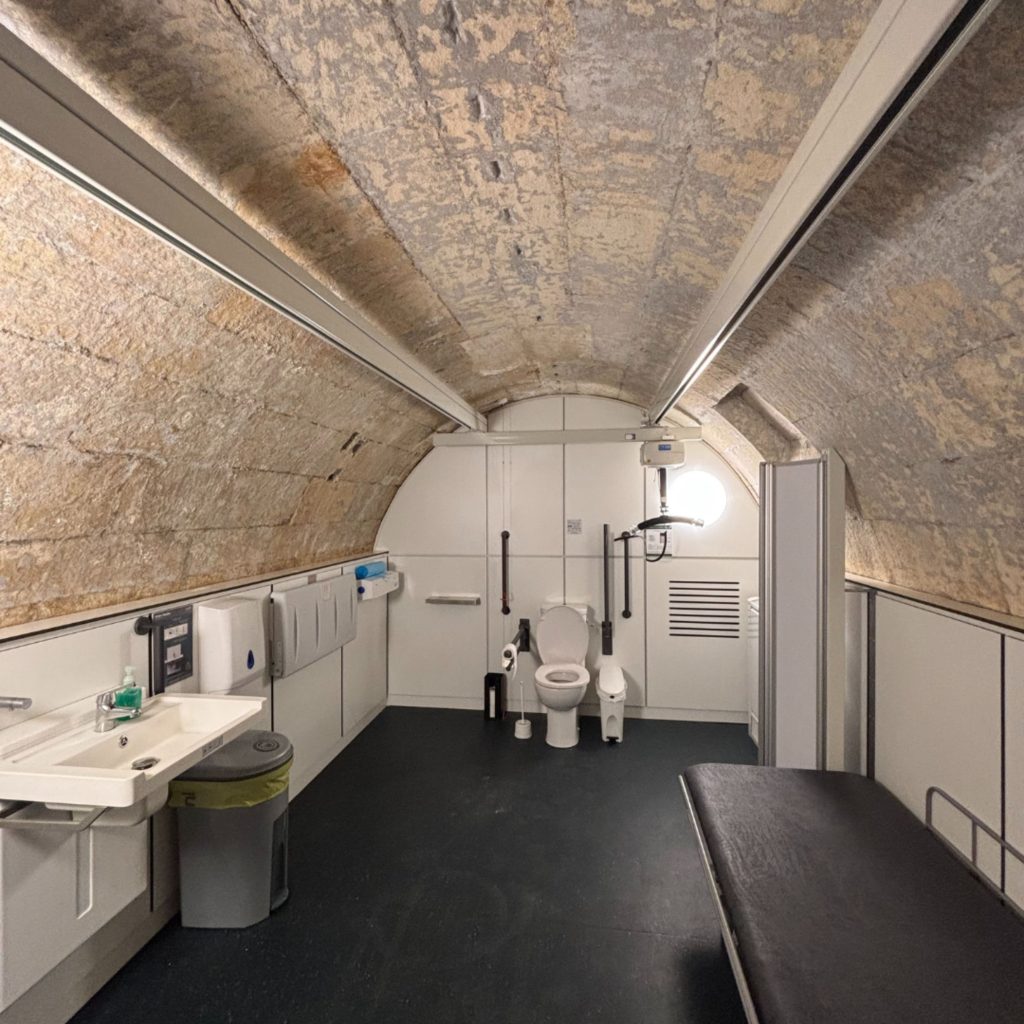
Their facilities include:
- A height-adjustable adult-sized changing bench
- A ceiling track hoist system
- A peninsular toilet (with space either side for carers)
- A privacy screen or curtain
- A height-adjustable wash basin
- Grab rails
- Colostomy shelf
- Non-slip flooring
- Space for up to two carers
- A wide paper roll and a large bin for pads
“These are vital for disabled people who would otherwise have to cut outings short or avoid them entirely due to lack of suitable toilet facilities,” says Evie.
Changing Places had a huge implementation drive in in 2018 that saw £2m in funding allocated to the cause.
But since then the funding has dwindled and awareness has declined, causing the campaign to stagnate.
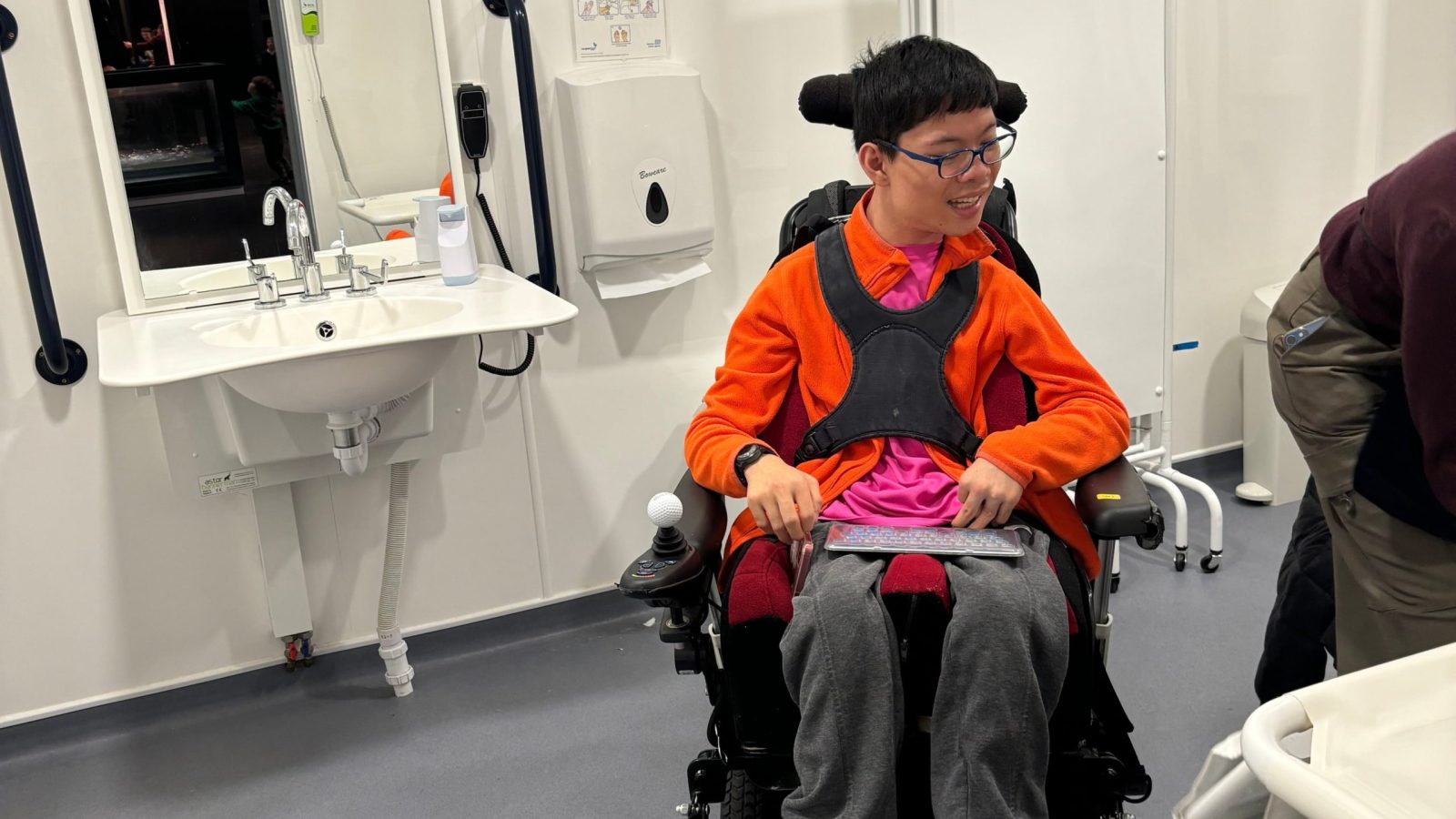
Leo Carstensen, a resident of Fishponds, has stepped in to lead a local campaign to highlight why these facilities are important and hopefully get more installed.
As someone with complex needs himself, cerebral palsy, the 24-year-old has first hand experience of the nuances that make facilities like this essential.
He said: “Having them in everyday places such as supermarkets, tourist attractions, new-builds and anywhere people would love to visit,” is a must.
He highlights how having facilities like these allows for families or carers to go out, travel and enjoy public places with dignity, comfort and safety.
Leo, who is also the lead and founder of consultancy firm Cool Access, launched in June 2024, has made it his mission to make the UK more accessible for wheelchair users and people with learning difficulties.
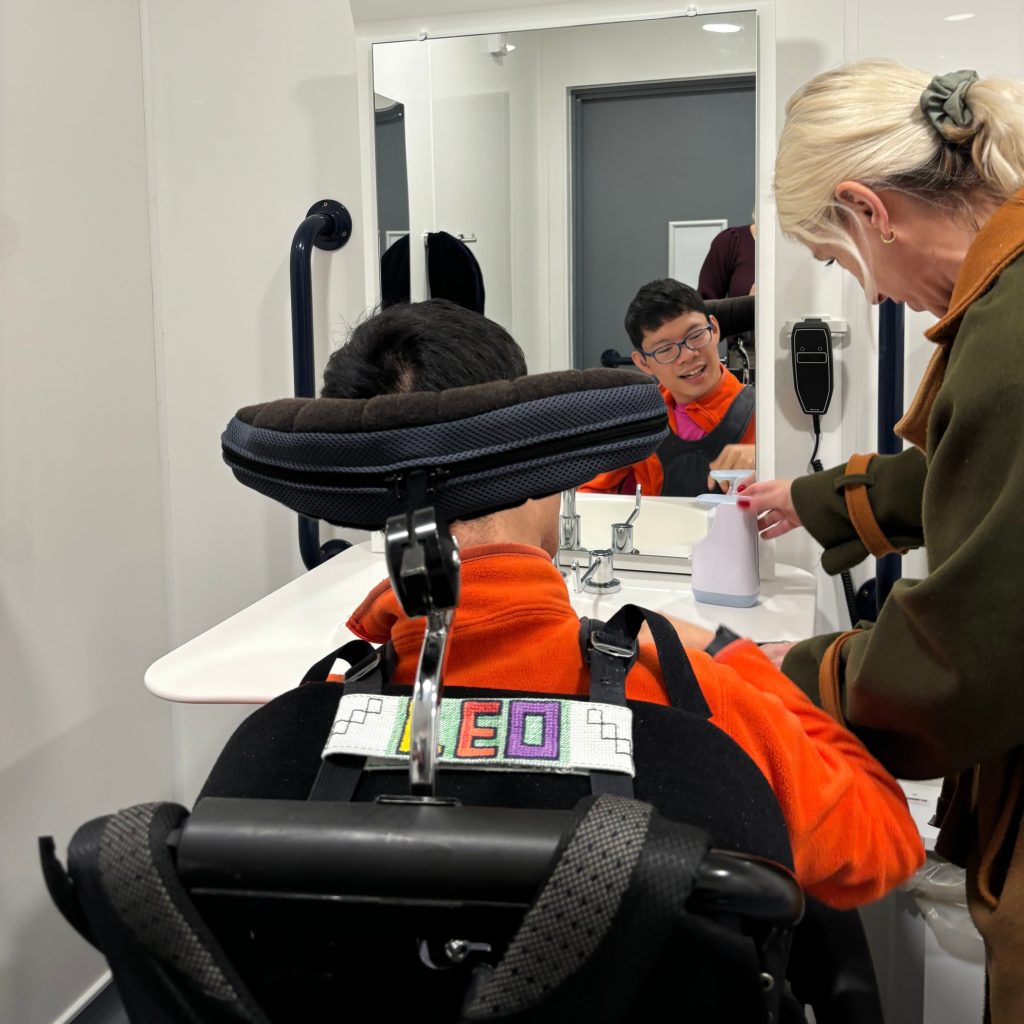
Through his organisation he visits a changing facility and reviews them on the Cool Access blog, as well as feeding back to the relevant authority on how they could be improved.
He adds, “Our goal is to improve accessibility at every business across the country.”
Evie says: “If somebody is continent, having a shower is vital if they’re out for more than a few hours.”
Evie Bradshaw is one of the members of the team behind Astor Bannerman, the manufacturers and installers of Changing Places. She works closely with Leo and others who want to run their own local campaigns.
Often accompanying him to venues to provide technical insight and guidance on Changing Places design and compliance.
Describing their goals, she says: “Together, we help educate venues on the legal requirements, lived experiences, and best practices to ensure their spaces are truly accessible and inclusive for everyone.”
In response to a consultation in 2010, the Conservative government committed to ensuring any places of assembly, recreation and entertainment with a capacity for 350 or more people will be required to install the facilities if they are newly built or have a major refurbishment.
Despite this commitment, Evie says that they are still finding it challenging to ensure that this requirement is adhered to.
She says “UWE doesn’t have one, neither does Bristol Hospital which is crazy given Bristol Hospital is where you’d expect people to need it the most.”
Schools are another area where these facilities should be a given, she says. They work closely with SEND schools who normally have hygiene rooms in place.
Installing Changing Places into mainstream schools has been especially challenging, due to a well-publicised lack of funding and resources.
But as she points out children cannot access these schools and they are suffering because accessibility should be a fundamental tenet in schools and that isn’t always the case.
She surmises that “It shouldn’t just be a legal requirement. They need to think outside of their worldview.”

A hoist is valuable for carers and parents to leverage someone in a way that is safe for all involved
Together, Cool Access, Astor Bannerman and Changing Places, are proposing that by 2030 all new buildings and all building with a capacity over 350 have a Changing Places.
The team have recently met with MP Damien Egan (Bristol North East) and are hopeful that with his support they can begin to make their goal of a more accessible Bristol come to fruition.
In Bristol there are several Changing Places facilities, including: We The Curious, Page Park in Staple Hill and Royal West of England Academy (RWA) Museum.
You can search for the whole list on the Changing Places websites.
All photos: Cool Access
Read next:
 Our newsletters emailed directly to you