News / Advertising Feature
How Not to Fall for AI-Generated Ads
You’ve seen them. You’ve probably even hovered over a few. The endless parade of AI-generated ads clogging up your feed, promising miracle products, revolutionary gadgets, instant wealth, or health breakthroughs that would make your doctor faint. Welcome to the weird, wonderful, slightly terrifying world of AI-powered marketing, where reality is optional, and your wallet is the main target.
But don’t panic. You can survive the storm if you know what to watch for.
The Rise of AI Ad Nonsense
It’s never been easier for shady sellers to flood your favourite platforms with ads. AI tools crank out fake product images, generate glowing customer reviews, and even create entirely fake websites that look suspiciously legit at first glance.
You’ll see everything from “limited edition” gadgets that don’t exist, to tech that looks suspiciously like a 3D rendering someone whipped up in five minutes. And since AI can also write the ad copy, you’ll get these strangely perfect yet slightly off captions that sound like your weird uncle trying to sell you something at a family barbecue.
is needed now More than ever
The goal? Get your credit card info – fast – before you realize you’re buying a product that’s never going to ship.
Red Flags to Spot Instantly
While these ads are getting better at looking polished, there are still plenty of clues if you know where to look:
- Too good to be true pricing – Miracle products for £9.99? Sure.
- Generic product names – “Smart AI Neck Massager Pro 3000” – very convincing.
- Suspicious urgency – “Only 5 left in stock! Sale ends in 37 minutes!”
- Weird URLs – If the website name looks like someone mashed a keyboard, run.
- No real company info – No address, no contact details, no refund policy? Pass.
The Data Danger Behind the Scam
Even if the product arrives (spoiler: it usually won’t), these shady sellers often have a much bigger prize: your payment info. Once you’ve entered your card details, they’ve got everything they need to either charge you repeatedly or sell your data to someone else who will.
This is where things get messier than just losing money on some “AI-powered robot puppy.” You’re now part of a data harvesting operation that doesn’t care if you get your product – they just want access to your wallet.
How to Shop Safer
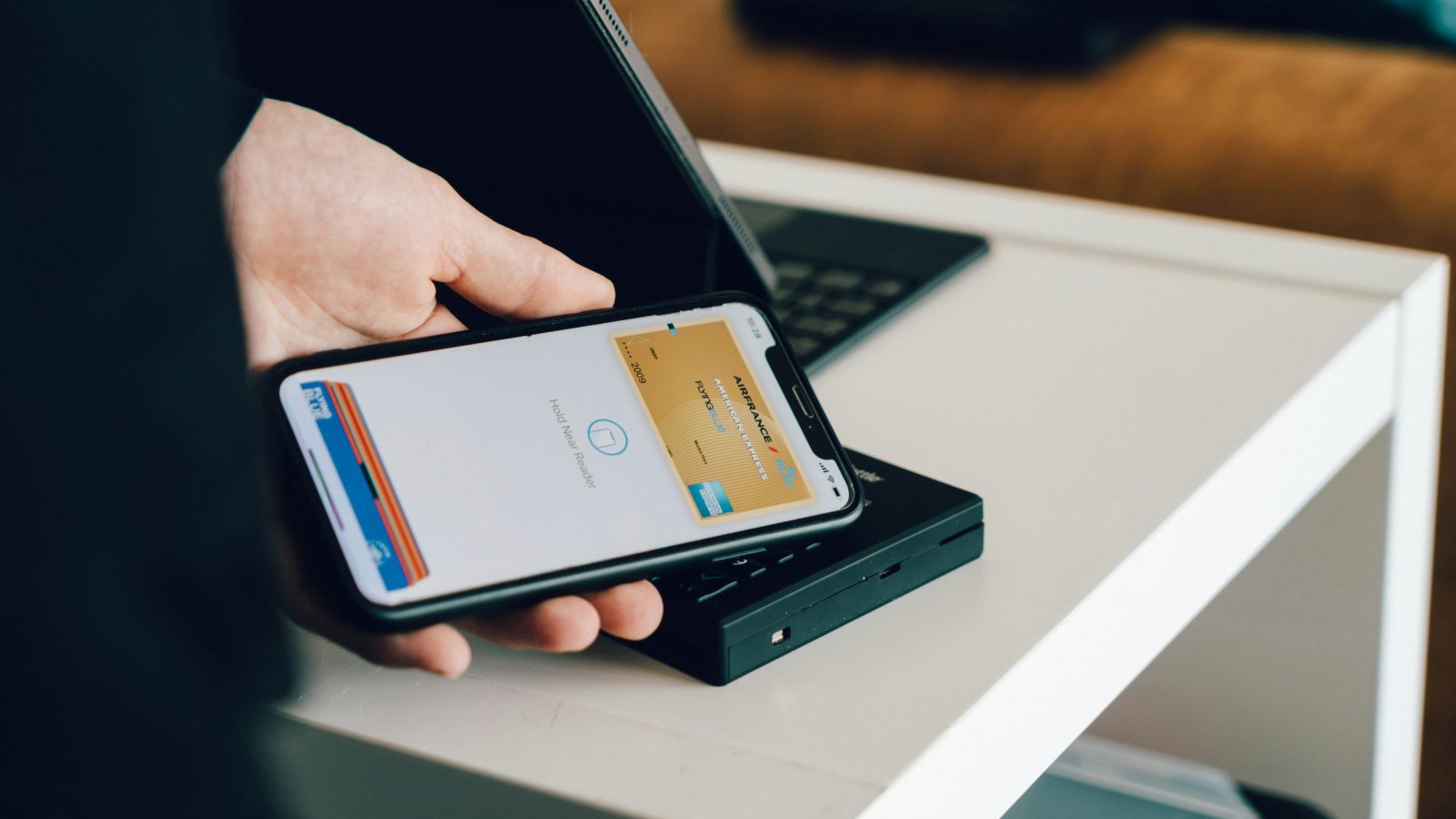
You don’t need to give up online shopping entirely – you just need to protect yourself. One smart move is using prepaid payment methods that keep your primary bank account out of reach. That way, even if a shady seller somehow gets your details, they only have access to limited funds, not your full financial life.
For example, using something like a PCS voucher allows you to load a specific amount onto a digital wallet or use the card as a prepaid method. You control exactly how much is available, and you’re not exposing your main credit or debit card to every random AI-generated ad that flashes across your screen.
Stick to Trusted Platforms
Another way to stay safe? Use marketplaces you actually trust. Digital marketplaces like Eneba offer a wide range of legitimate products – whether it’s game codes, subscriptions, gift cards, or even prepaid payment options like PCS top-up. You know exactly what you’re getting, who you’re buying from, and you’re not playing financial roulette with some random site you found at 3AM.
Eneba also offers gift cards that top up your balance instead, including Xbox, PSN, Steam, and Nintendo eShop, and it runs a controlled marketplace where merchants are verified, held to compliance and sourcing standards, monitored over time, and penalized if policies are breached.
Bottom Line: Stay Suspicious, Stay Safe
AI-generated ads aren’t going away – if anything, they’re multiplying. But a little skepticism goes a long way. Take a second look before you click, avoid giving your main payment info to strangers, and use tools like prepaid payment methods to add an extra layer of protection.
Because in the end, it’s way easier to avoid these scams than to untangle the mess after they’ve already swiped your money.
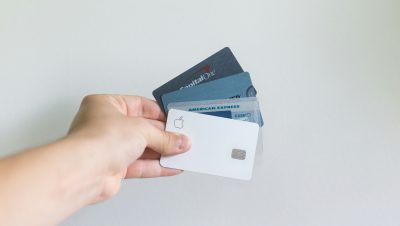
Main image by CardMapr.nl on Unsplash
 Our newsletters emailed directly to you