Homes and Gardens / Advertising Feature
Why Upholstered Furniture in Bristol Homes Gets Dirty Faster Than You Think
Life in Bristol happens around your furniture. The walk back from the Clifton shops in a soft drizzle, the weekday slump onto the sofa after work. It’s a city of routines that leave quiet evidence behind. Your home’s soft furnishings are there for it all, a silent record of daily living that accumulates faster than most people notice.
Daily Life in Bristol and Its Impact on Home Furniture
Our city has a specific rhythm. The humid air rolling in from the Avon carries more than just moisture; it brings fine particulates that settle indoors. Dense housing, from the terraces of Southville to the flats near the harbour, means we track in more street-level dirt simply by coming and going.
Our lives here are busy, often compressed. Furniture isn’t just for show, it’s for living on. A place to land after a long day, to eat a quick meal, to relax with a pet. This constant, genuine use is the main factor in wear, not neglect. The fabric takes a beating in a gentle, relentless way.
City Routines That Leave Invisible Traces
Think about the regular journey to work. The commute deposits a fine layer of grime on clothes, which then transfers to the armchair. Cooking adds oils to the air that slowly adhere to nearby fabric.
Even sunlight through a window, something we cherish, can break down fibres over years, making them hold onto dirt more easily.
is needed now More than ever
What Upholstered Furniture Actually Absorbs Over Time
We forget that soft furnishings operate like a passive filter for an entire household. They absorb and retain a startling array of materials from our daily environment. The process is gradual, often invisible on the surface, but the collection happening within the fabric’s depth is substantial:
- Household dust and outdoor particles;
- Skin oils and everyday contact residue;
- Food crumbs and drink splashes;
- Pet hair and allergens;
- Moisture, trapped inside fabric layers.
This accumulation isn’t just about dirt you can see. It’s a composite of materials that, over months, alter the very structure of the fabric. The padding beneath compresses, holding onto moisture and organic matter. It sits there, out of sight.
Why Regular Vacuuming Isn’t Always Enough
Home care has its limits. Vacuuming is excellent for surface debris, the stuff sitting on top. But it can’t pull out what’s been ground into the weave or settled deep in the cushion layers. In many ways, surface cleaning gives a false sense of security. The furniture looks acceptable, so the problem seems managed. But underneath, the build-up continues.
Surface Cleaning vs Deep Fabric Layers
The difference is fundamental. What you see is a fraction of the story. The real issue lives within the textile’s core and the padding below, areas domestic tools cannot properly reach:
- Dust that settles below the surface;
- Residue left after DIY cleaning sprays;
- Moisture that doesn’t fully evaporate;
- Bacteria trapped inside padding.
This hidden environment can lead to a slow decline. Odours become persistent. Colours dull from within. The fabric feels stiff, not from use alone, but from the unseen residue binding its fibres.
When Cleaning Becomes a Professional Task
There comes a point when home methods stop working. You’ll notice it in specific, stubborn ways. The issue transitions from cosmetic to something affecting the item’s hygiene and longevity. At this point, the signs become more specific and harder to dismiss:
- Stains that return after drying;
- Odours that remain despite ventilation;
- Fabric discoloration in high-use areas;
- Allergy symptoms linked to soft furniture;
- Visible wear despite regular care.
Addressing this level of ingrained soil requires a different approach. This is where the work of professional upholstery cleaning specialists becomes relevant. It’s not a luxury service, honestly. It’s a maintenance step for a heavily used household item. Their equipment and solutions target the deep layers, removing the embedded soil column that home vacuums and sprays leave behind. The goal is restoring the material’s baseline, not just freshening the top.
How Often Upholstery Should Really Be Cleaned
There’s no universal schedule. It depends entirely on how you live. A formal sitting room gets less action than the family sofa, where everyone gathers. According to our data, most households benefit from a professional clean every 12 to 24 months, but that’s a loose guideline.
Factors That Change the Cleaning Schedule
Households with pets or young children might need attention more frequently. Renters might consider a deep clean at the start or end of a tenancy. High-use pieces, the ones you use daily, are the priority. It’s less about a calendar and more about observing the fabric’s condition and performance.
A Cleaner Home Without Overthinking It
The aim is straightforward maintenance. Upholstery is a major part of your home’s environment. Letting it become a reservoir for dust and allergens isn’t great for your space. Professional cleaning, when needed, resets the fabric. It extends the life of expensive pieces and supports a cleaner indoor atmosphere.
You don’t need to overcomplicate it. See it as periodic, necessary care for an object that supports your daily Bristol life. Just part of looking after your place.
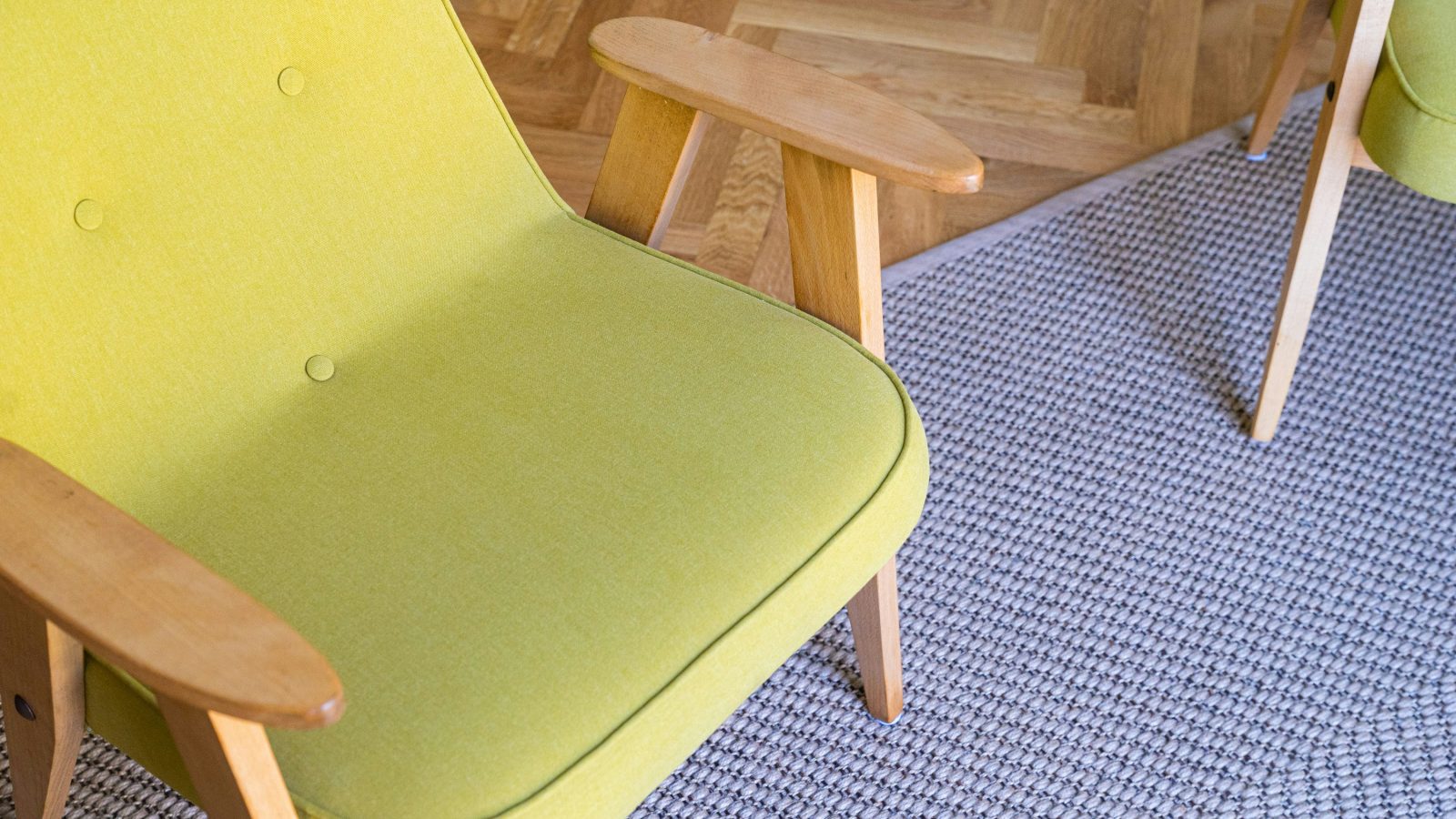
Main image by Yolk CoWorking – Krakow on Unsplash
 Our newsletters emailed directly to you