Homes and Gardens / Advertising Feature
The Electrical Issues Bristol Homes Are Most Likely To Face (& When To Act)
Bristol’s homes come in many forms. Some have been standing for well over a century, others were built quickly in the post-war years, and more recent developments sit alongside them. While these properties differ in age and style, many share the same underlying problem: electrical systems that are being asked to do far more than they were ever designed for.
Unlike a leaking pipe or a broken boiler, electrical issues often develop quietly. Power still works, lights still turn on, and sockets still charge devices. It is only when faults become more frequent or disruptive that many homeowners realise something is not right.
Ageing wiring hidden behind modern interiors
It is common for Bristol homes to have been updated in stages. A modern kitchen or renovated bathroom does not always mean the electrics elsewhere in the property have been brought up to the same standard.
In older houses, wiring installed decades ago can still be in service. Over time, insulation breaks down, connections loosen and components degrade. These changes are gradual, which is why they are often missed until a fault develops.
is needed now More than ever
Homeowners are sometimes surprised to learn that their electrics have not been meaningfully updated since the property was first built, despite cosmetic improvements made over the years.
Fuse boards that no longer reflect modern safety standards
Another issue frequently found is the presence of older fuse boards that lack today’s safety protections. Many were installed before residual current devices became commonplace.
Modern consumer units are designed to disconnect power quickly if a fault is detected, significantly reducing the risk of electric shock or fire. Older units may still function, but they do not offer the same level of protection.
Advice from organisations such as Electrical Safety First consistently highlights the importance of modern consumer units, particularly in properties where electrical demand has increased over time.
Homes using more electricity than ever before
The way households use electricity has changed dramatically. Home working, high-powered kitchen appliances, electric showers, heat pumps and EV chargers all place extra strain on systems that were originally designed for far lighter use.
When circuits are repeatedly pushed close to their limits, problems can begin to appear. These often show up as nuisance tripping, flickering lights or appliances that behave unpredictably.
Electricians working across the city say this is now a common issue, particularly in older homes that have been adapted over time. Drawing on their experience working across a wide range of Bristol properties, Assured Electricians Bristol say many call-outs involve installations that are still technically operational, but are under constant strain because the electrical load has gradually increased over time.
Electrical safety in rented properties
With a large rental sector, electrical safety in privately rented homes is particularly relevant. While gas safety has long been well understood, electrical compliance has historically received less attention.
Current regulations require regular electrical inspections in rented properties, with any identified issues addressed promptly. These inspections often uncover faults that are not obvious during everyday use, such as deteriorating cables or unsafe alterations.
Industry bodies including NICEIC continue to stress that many serious electrical issues are hidden from view, reinforcing the importance of professional testing rather than relying on visual checks alone.
DIY changes and unintended consequences
Bristol has a strong culture of home improvement, and many people are confident taking on work themselves. While this is often fine for decorating or basic maintenance, electrical work is an area where small mistakes can have serious consequences.
Improvised wiring, incorrect cable sizes and poorly made connections are issues electricians regularly encounter, often concealed behind walls or under floors. These installations may appear to work for years before a problem becomes apparent.
Uncertainty about previous work, particularly in homes that have changed hands several times, is one of the most common reasons people choose to have their electrics checked.
When should homeowners take action?
Electrical problems rarely resolve on their own. Warning signs include circuits that trip repeatedly, sockets or switches that feel warm, buzzing sounds from consumer units, or lights that dim when appliances are switched on.
Even in the absence of obvious issues, periodic inspections are a sensible precaution, especially in older properties or homes that have been extended or altered.
A practical approach to prevention
In a city with such a varied housing stock, there is no single blueprint for electrical safety. What matters is understanding the condition of the system behind the walls, not just how it appears on the surface.
Taking action early can prevent disruption, reduce risk and avoid costly repairs later. In many cases, small interventions now can stop far bigger problems from developing in the future.
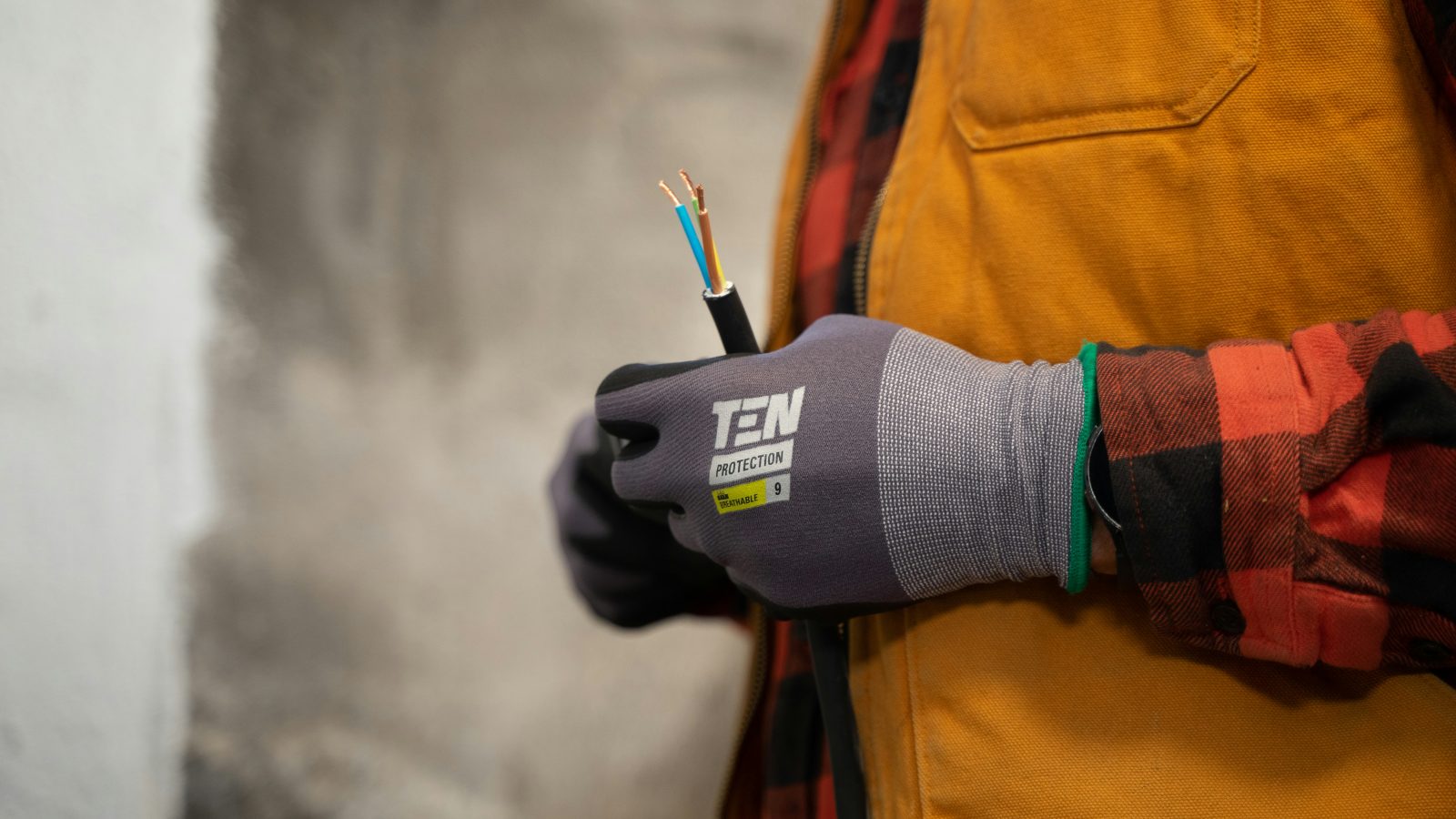
Main image by Jimmy Nilsson Masth on Unsplash
 Our newsletters emailed directly to you