Features / collectives
Meet Bristol’s queer people of colour
From a post-lockdown explosion of collectives to the current reality of venue closures and the cost of living crisis, Bristol’s queer community has evolved and shown resilience in recent years.
As queer events and nightlife spaces ebb and flow, one question remains crucial: Where are the queer people of colour (QPOC) within these spaces?
Kiki Bristol created a space for Bristol’s QPOC and inspired the formation of Bristol Ballroom Community and Bristol QPOC socials.
is needed now More than ever
However, as the years continue, these groups have not been integrated or represented across the wider Bristol queer scene.
Lisa Inneh, creator of D.irt Collective, which creates networking opportunities and events for QPOC, spoke to creatives and activists across Bristol’s diverse LGBTQ+ communities to uncover why certain voices remain marginalised.
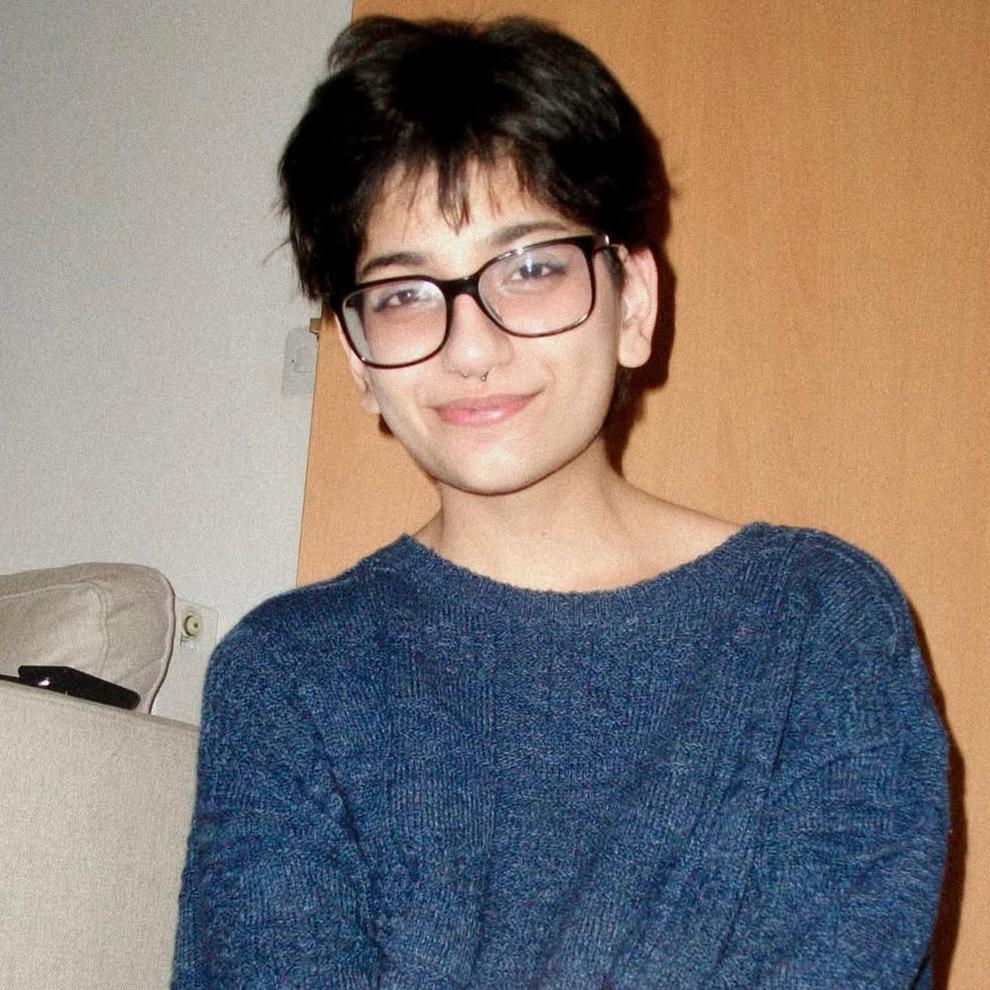
Ezra Riaz is an event curator for d.irt collective and a professional graphic designer – photo: Ezra Riaz
Ezra Riaz, an event curator for d.irt collective and graphic designer, said they do not feel accepted by Bristol’s mainstream queer scene.
“There is very limited space for anyone who doesn’t fit the mould of what the overwhelming majority thinks ‘queer’ should look like, which is made all the more evident through the treatment of QPOC.”
They argue that the events organisers need to do better: “Many events claiming to be ‘for QPOC’ often promote the same DJs, genres and themes.
“The idea that all QPOC are a monolith is further ingrained into the community while opportunities for lesser-known voices are reduced.”
Venue closures and increasing hire rates in Bristol are, in Ezra’s words, making it harder for budding collectives to break through.
They said: “The QPOC community is feeling the need to make itself more palatable to get booked and gain funding.
“We need to realise we won’t get anywhere by trying to appease people who will not respect us.”
Carlo Sebastian Hornilla, a freelance artist, spoken-word poet, facilitator, creative consultant and the community assistant for Bristol Queer People of Colour socials, echoed this.
Carlo said: “It feels assuring that there’s a callout for QPOC in spaces.
“But I’m also very concerned that this is because they want us to be there to look good?
“Or maybe they do genuinely want to represent us. There is always just this question in my mind about whether I am being tokenised in some way.”
Carlo has enjoyed attending Bristol QPOC socials so much that they now actively help out with their events, organising creative workshops, pub quizzes and board game nights.
Carlo explains: “If it’s made by other QPOC, they’ll understand the barriers and try to cater to that and give space for those people.
“Whether that’s staff or music. I think it feels more encouraging to go to those events when I know access is a priority and my entire ‘person-ness’ is acknowledged.
“I hope those who attend what I help run feel similarly.”
The effects of the cost-of-living crisis permeate everyday life in Bristol, from public transport to nightlife.
QPOC Socials’ Carlo said that having spaces for queer people of colour “helps with the chaos and strife that we have to witness globally”.
“Everyone, regardless of who they are, needs some kind of group they can exist in.
“I feel like I’ve become a lot more myself through community and through spaces where I can exist and relate to other people there on a more vulnerable level.”
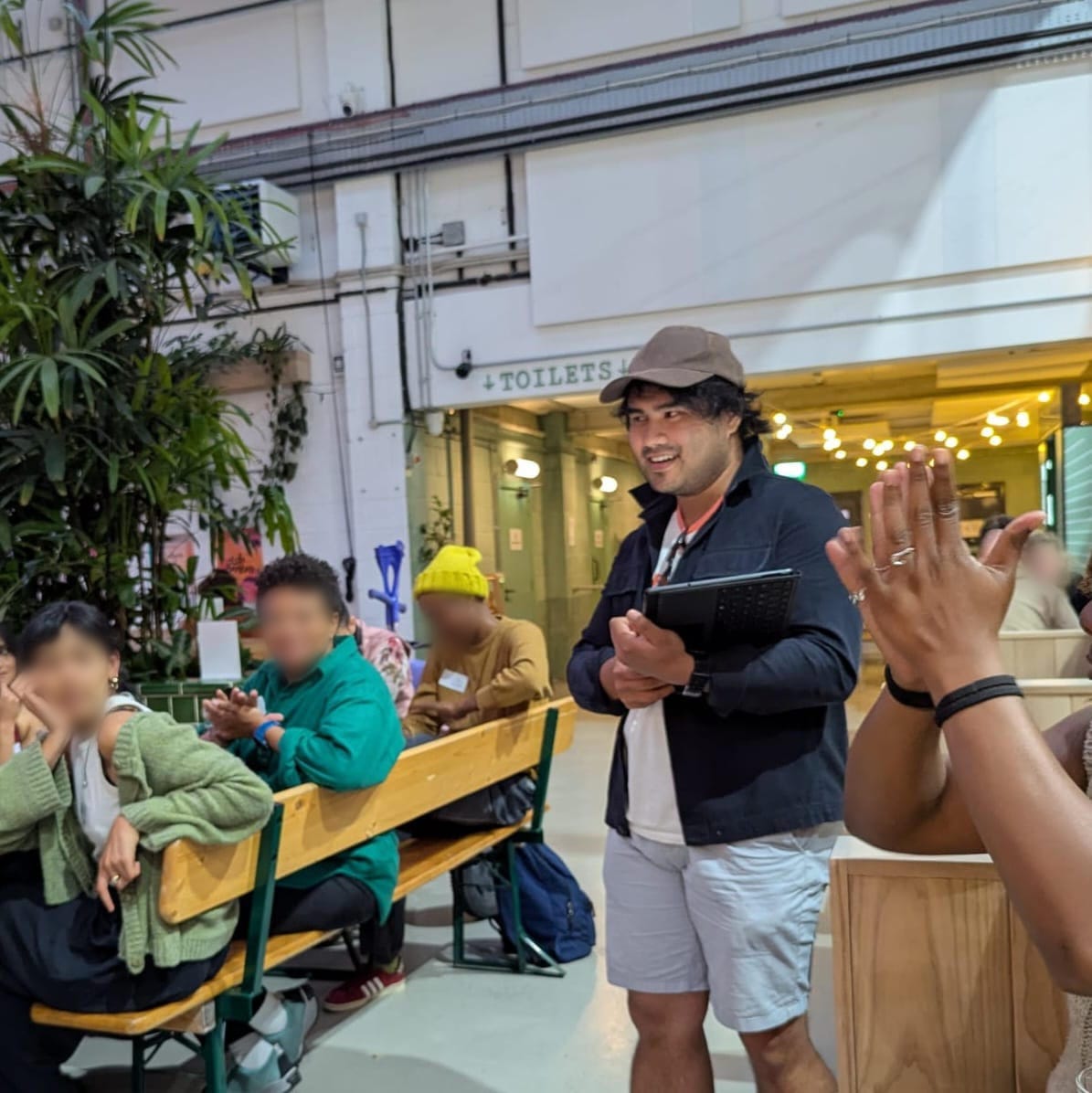
Carlo at a Bristol QPOC Socials event – photo: Carlo Sebastian Hornilla
Mose Issie is a community engagement officer and political activist focusing on racial injustice and gender equality, and is head of solidarity in Sound Choir, a choir for QPOC in Bristol.
Mose highlighted the choir’s role as a vital sanctuary: “Sometimes these spaces are the only spaces where people get to really be themselves.
“They can feel they are being heard, they’re cared for, and they’re not inhumane. They’re not a problem, they’re not a mistake to the world.”
Reflecting on current social tensions, Mose noted that the queer community, and trans people specifically, often serve as political scapegoats.
Mose added: “We’re heavily misunderstood through social media, especially since the Equality and Human Rights Commission decision.
“Instead of worrying about issues such as housing or drug addiction, we have a political front that blames everything on the queer community, in particular, trans people.”
Despite Bristol’s diverse reputation, Mose pointed out persistent segregation and safety concerns.
“People walk through certain areas of Bristol and still get racial abuse, let alone if you are perceived to be queer,” they said.
“So we still need to have safe spaces, inclusive spaces for those individuals to feel free.”
Mose, who moved to Bristol around 2016, said that before 2020 it was difficult to find Black queer people in Bristol.
“I ended up joining a choir with over 200 members, but it was a majority of white people,” they said.
“The QPOC and Disabled people didn’t even account for ten people. That was the most I got for years.
Mose raised the point that within the Black community, homophobia and transphobia are still rife, adding that allyship should begin within communities to allow people to be confident in their identities.
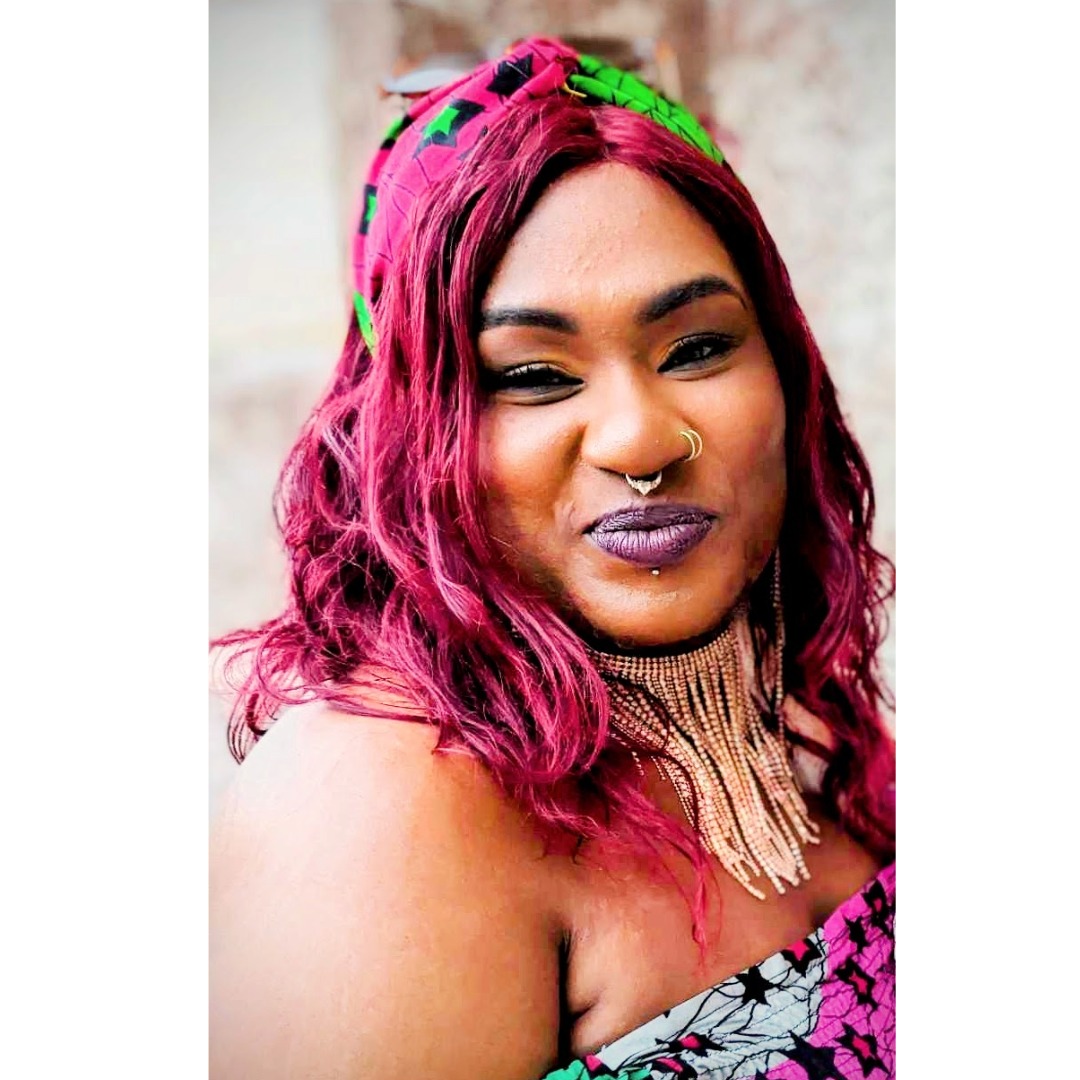
Mose Issie is a community engagement officer and political activist – photo: Mose Issie
In recent times, numerous venues and collectives have come to an end.
Reflecting on this, Ezra said: “Collectives are forced to spend upwards of £250 to hire an event space for a couple of hours, DJs have no choice but to accept bookings for little to no pay.
“Venues are facing rising costs that make it impossible to stay open without increasing their fees, and the cycle continues.
“The community feels relegated to only investing in events that have mass appeal, rather than being able to represent the variety of identities, interests, and causes that make up queer people as a whole.
“It’s how we end up with cliques instead of community.”
The future
Carlo argued that city councils rely heavily on grassroots collectives while failing to provide the “required backing” for their survival.
He said that these organisations need sustainable funding to exist, yet the power remains with grant-approvers who often lack a personal connection to the cause.
“There is only so much individuals can do on their own,” Carlo explained, noting that without proper investment, the vital work of these groups remains unpaid and overlooked until the organisers inevitably burn out.
This issue persists partly due to a lack of collaborative problem-solving.
Ezra called for stronger community solidarity, urging collectives to share resources beyond their immediate circles recognise diverse perspectives and actively engage those on the scene’s fringes.
“We need to take action to ensure collectives thrive,” Ezra said. “Buy event tickets, spread the word, and get involved wherever possible.”
Mose emphasised the need for active community engagement within queer spaces for people of colour.
Drawing from their experience running a choir, Mose explained that even when financial barriers are removed through “pay what you can” models, attendance remains a challenge.
“We need to start supporting each other in the events that are happening,” Mose urged, adding that those dissatisfied with current offerings should take an active role in shaping them: “If you don’t like the way it is happening, get involved.”
Furthermore, Mose said event organisers need to be more transparent and honest with their commitment to equality, diversity and inclusion.
They said: “People who are running events need to be honest with themselves and look at the demographics that are actually walking through the door.
“If you can see that the majority of the population of people who come to the event are white people, then you need to be doing something.”
On a hopeful note, Ezra said: “When one queer venue shuts down, make sure another takes its place.
“When a collective falters, rally a fundraiser. Keep trying – we can’t afford to stop.”
Bristol’s diverse queer creatives are striving to answer this call by challenging the fear and hatred spread by groups that dismiss the value of these communities.
From mutual aid networks to protest and education, these collectives are proving that solidarity is not just an ideal, but a practice of survival.
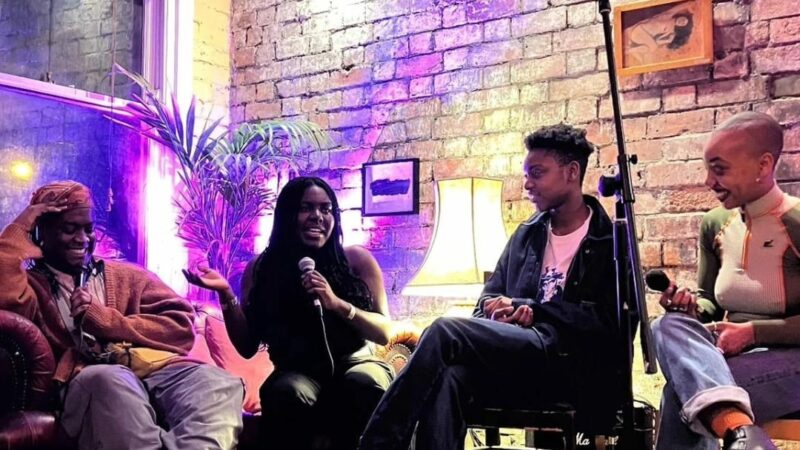
Main photo: @soundofyiran
Read next:
 Our newsletters emailed directly to you