News / Cider
Cider maker asks government to cut ‘red tape’ amid rising costs
Fourth generation cider maker Martin Thatcher has urged the government to provide more support for the industry and cut the “red tape” amid rising costs and regulatory pressures.
Members of Parliament joined British cider makers at a reception in the Houses of Parliament recently to celebrate the sector’s heritage and highlight the challenges faced by the producers.
Hosted by Sarah Dyke, member of parliament for Glastonbury and Somerton, the event brought together industry leaders and politicians to recognise cider making’s contribution to the UK economy and rural communities.
is needed now More than ever
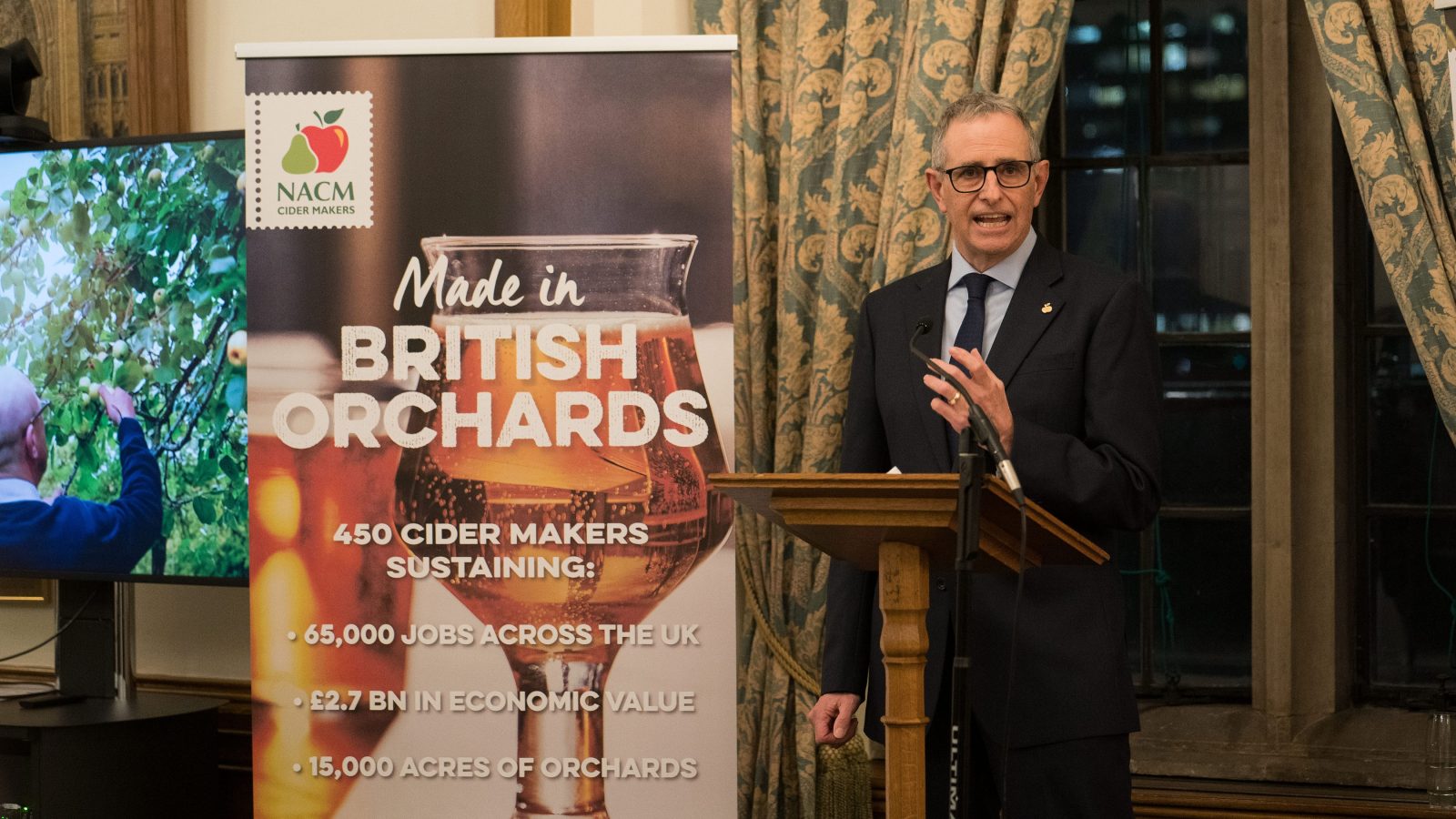
It is estimated that the UK cider sector contributes £2.7bn annually and supports more than 65,000 jobs, with over 15,000 acres of land dedicated to cider apple production.

Martin Thatcher has urged the government to provide more support for the industry and cut “red tape”, for greater political backing amid rising costs and regulatory pressures
Organisers said this not only underpins rural employment but also plays an important role in biodiversity, landscape management and long-term environmental stewardship.
The plea on behalf of cider makers follows an open letter from the Society of Independent Brewers and Associates (SIBA) to chancellor Rachel Reeves expressing “deep concern on business rates decisions on the hospitality sector” in December.
Martin Thatcher, chair of the National Association of Cider Makers and managing director of Thatchers Cider, used the event to call for greater political support.
Thatchers Cider which celebrated its 120th anniversary last year launched one of its biggest orchards last year to grow 13,000 apple trees for its cider production.
Martin said: “Cider makers are not just producers; we are farmers and hospitality workers too. Our annual wassail held last month – a cherished tradition where communities come together to bless the orchards for a prosperous harvest – reminded us of the importance of caring for today’s resources to ensure tomorrow’s prosperity.”
He singled out new taxes and policies such as EPR (Extended Producer Responsibility) and DRS (Deposit Return Scheme), which industry leaders say are adding financial and administrative pressures on top of traditional alcohol taxes and increasing the cost of producing and selling cider.
He continued: “The administrative burden created by new taxes and policies including EPR, DRS, changes to inheritance tax, business rates, national insurance rises and on-going duty rises, are all placing significant pressure on our industry. These challenges extend to our supply chain, affecting our suppliers and customers.
“With the Government’s ambition for economic growth, our goals are aligned. We ask policymakers to listen to the cider industry, understand its needs and take meaningful action. By working together, we can create the right conditions for long-term success.”
The local MP Sarah Dyke said cider remains a “proud part of our heritage” in Somerset and across the UK, praising the dedication and craftsmanship of producers and their contribution to rural economies.
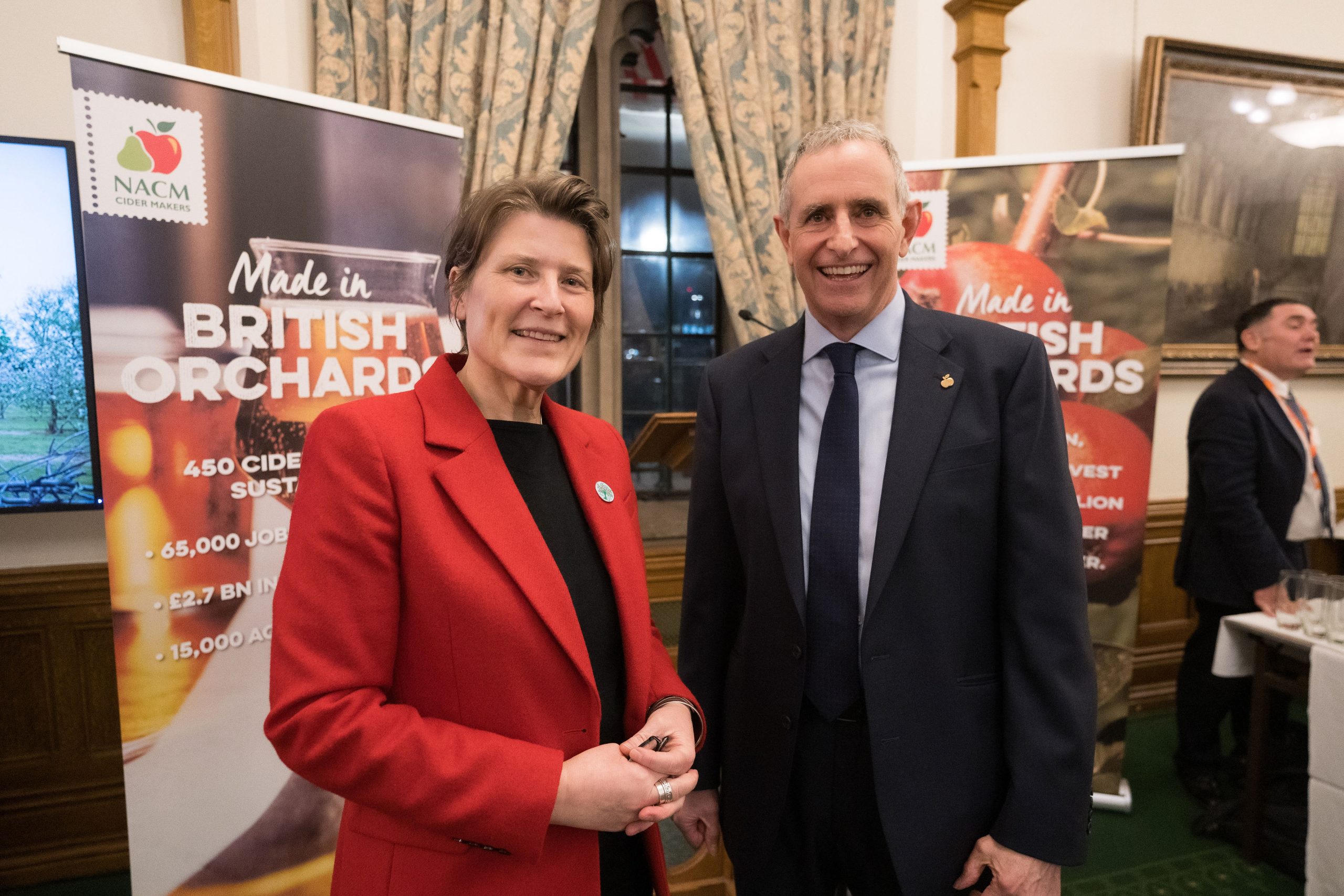
The local MP Sarah Dyke said cider remains a “proud part of our heritage”
Mark Hopper, public affairs director at the National Association of Cider Makers, added that more than 98 per cent of apple cider consumed in Britain is produced domestically, supporting national supply chains and local jobs.
The parliamentary reception was highlighted as an important opportunity for MPs to recognise the industry’s economic importance and global potential.
All photos: Elyse Marks
Read next:
 Our newsletters emailed directly to you