Reviews / Dungeon synth
Review: Dungeons of Wessex, Moor Beer – ‘Blurred the line between music and magic’
Stepping into the Moor Beer Co. taproom felt less like entering a gig and more like crossing a threshold into a forgotten kingdom.
The inaugural Dungeons of Wessex wasn’t just a festival, it enchanted the venue with spells that summoned a community which dissolved Bristol into a hazy, candlelit dreamscape of analogue synth, high fantasy and shared mythology.
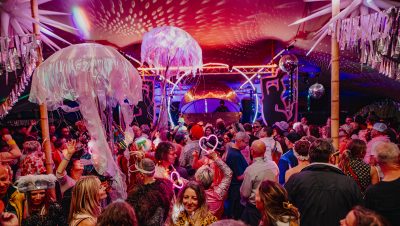
Dungeon synth is a genre defined by isolation, yet here it became a grand collective experience. The air inside the taproom felt thick with nostalgia, smelling faintly of hops, melting wax and old paper.
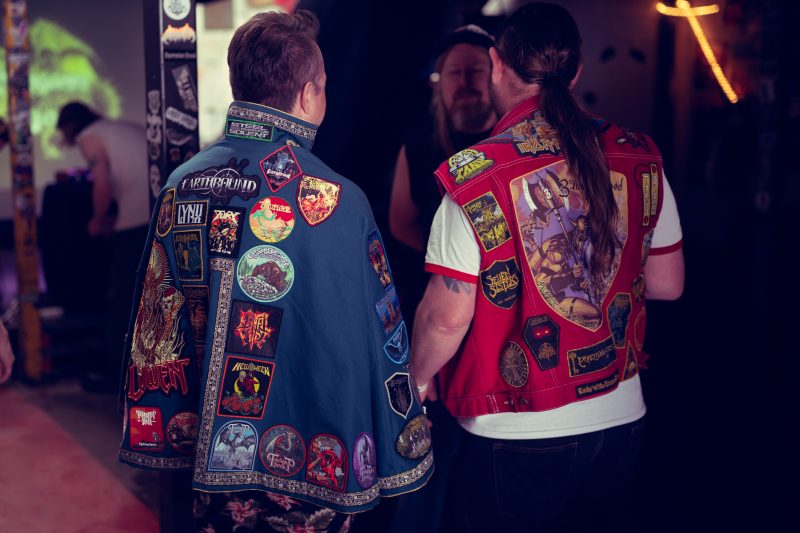
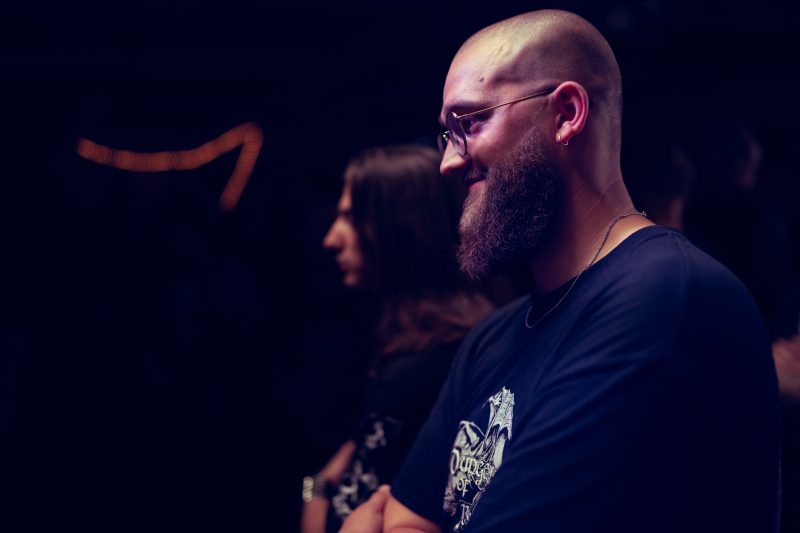
Among the crowd, a tapestry of battle-jacketed metalheads, tabletop gamers and cloaked figures didn’t just chat, they traded DIY cassette tapes and recounted D&D campaigns like seasoned mercenaries sharing war stories around a tavern fire.
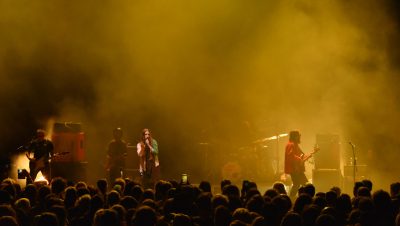
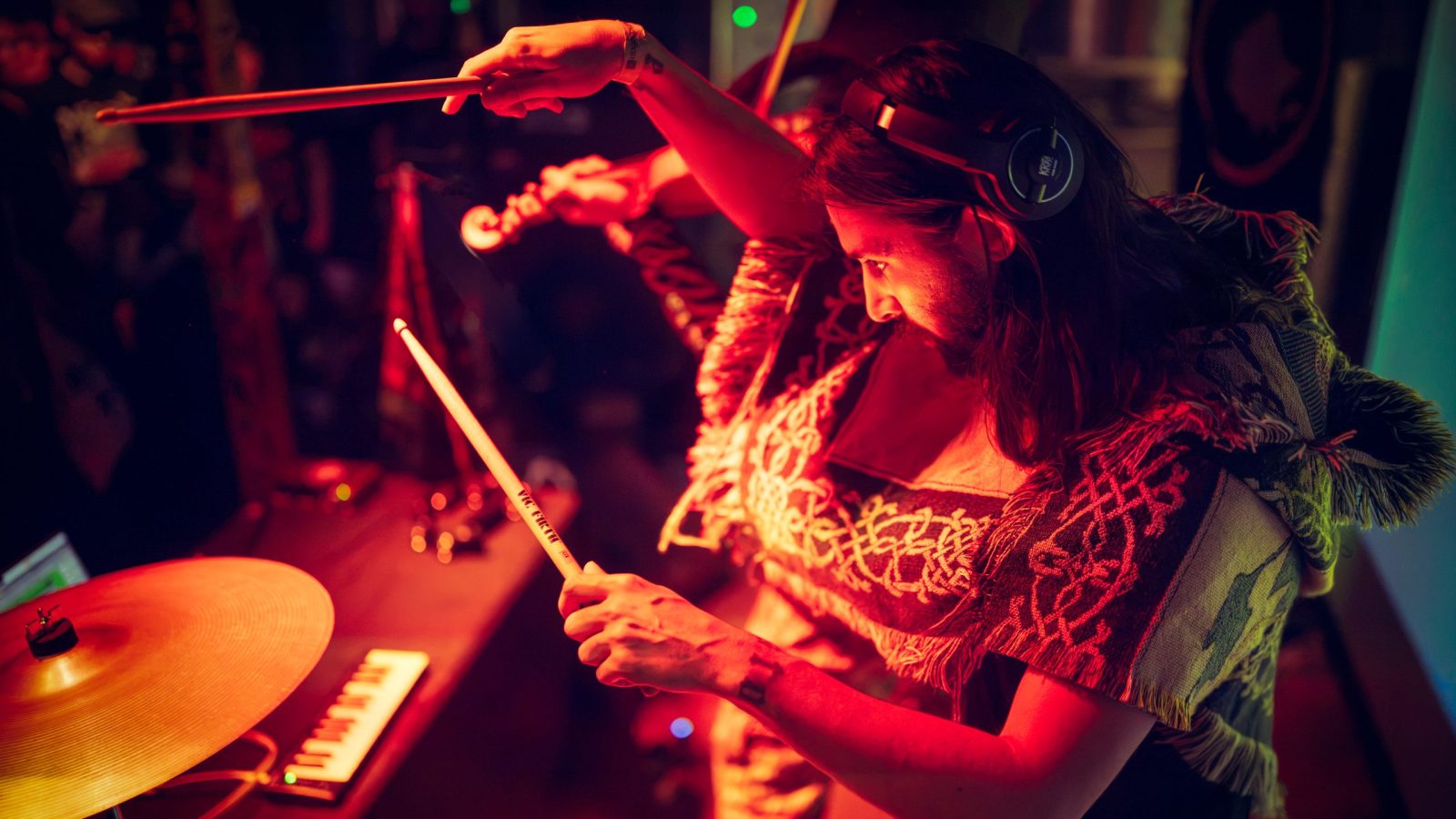
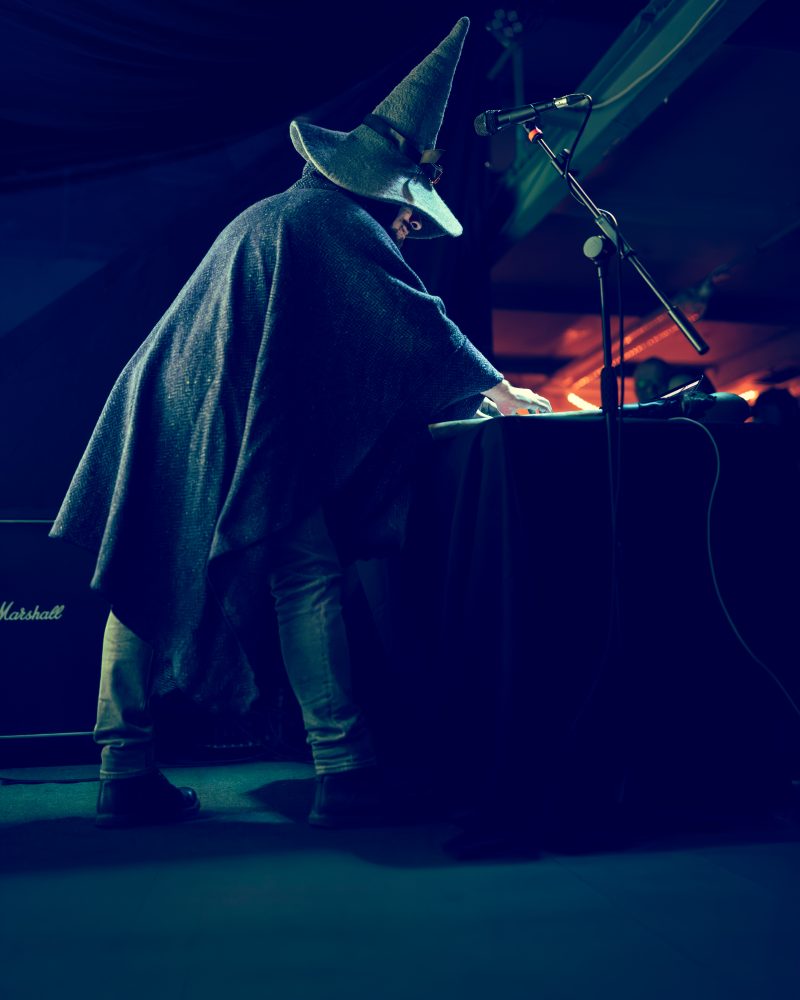
The stage production was beautifully minimalist, relying on flickering shadows and vintage keyboards to do the heavy lifting of world-building. It was a potent reminder that the most expansive universes are often built with the simplest tools.
The sensory contrast was striking. Outside, Days Road went about its industrial weekend business. Inside, the active brewery space was plunged into deliberate, dynamic gloom.
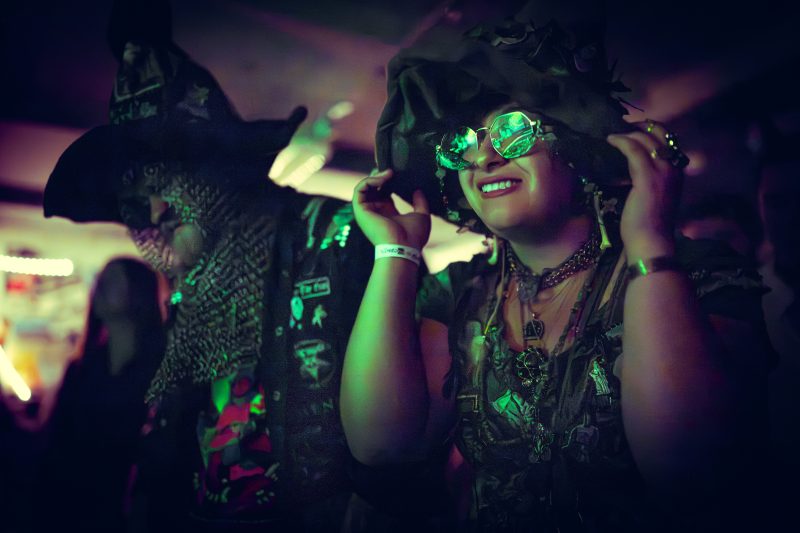
In this gloom, Dungeons of Wessex pulled off an act of collective world-building through a lineup of musicians from all over the world, transforming a working Bristol brewery into a portal to another realm.
Rather than a standard rotation of bands, the day unfolded like an episodic quest, with each artist mapping out a distinct corner of the fantasy landscape.
The chronicle of the day began exactly where any great fantasy epic must: with an invocation. Undumë set the stone of the festival with a short, gripping narrative tale, performing the maiden summoning of Ring the Bells for a Dead Land.
It was a vital throat-clearing moment that established the rules of the room, demanding total immersion, from which the festival began to expand its territory through the homegrown UK vanguard.
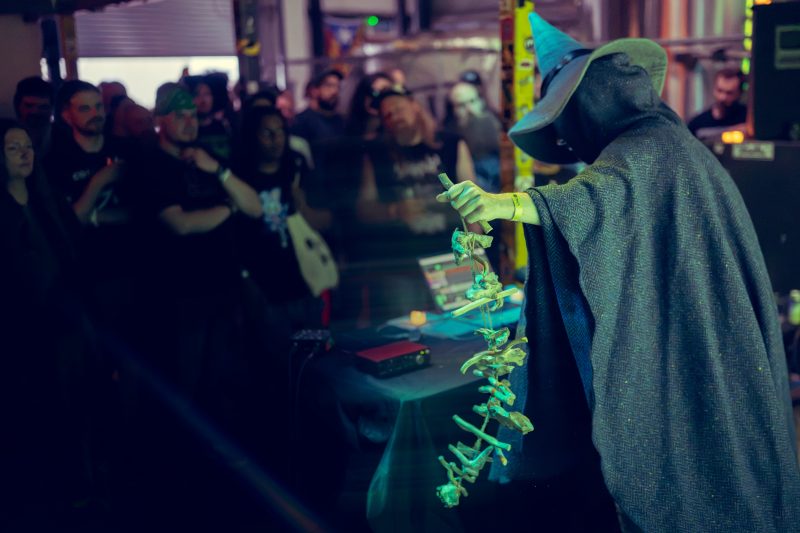
Strange Orc subverted the darkness early on, treating the room to a whimsical, psychedelic adventure filled with bright, looping melodies that felt like uncovering a long-forgotten 16-bit RPG cartridge.
The shadows quickly lengthened with Blades of Fölmar, whose dark, eerie compositions echoed through the rafters like the ominous soundtrack to a claustrophobic dungeon crawl.
The atmospheric block culminated with Knight of the Sun who steered the crowd toward the mythic, leading spellbinding druidic rituals in worship of Sol that leaned heavily on the power of spoken-word storytelling.
As afternoon bled into evening, the festival pushed into the deep international waters of the lineup, welcoming a heavy contingent of artists making their highly anticipated UK debuts.
Germany’s the Divine Accolade twisted the emotional dial, offering melancholic keyboard melodies shot through with raw, haunting black metal passages that felt deeply romantic and reflective.
Then came the American travellers, who brought a much bleaker, cinematic weight to the midsection of the day.
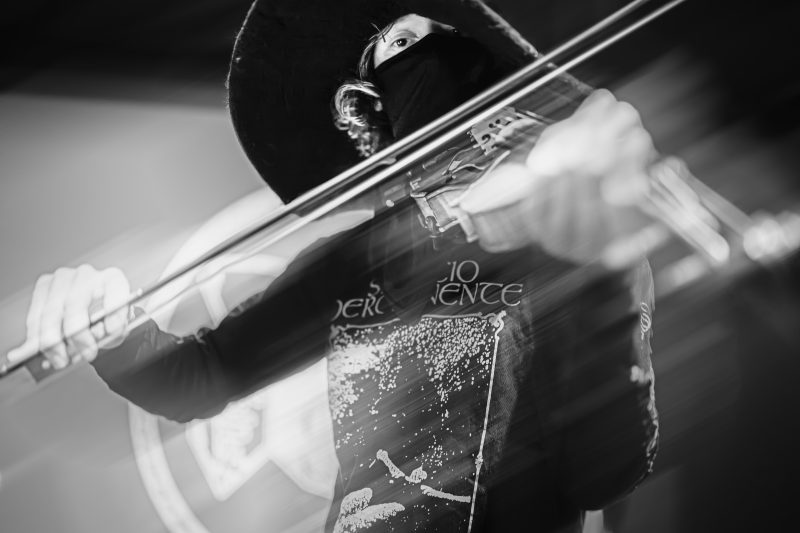
Final Heaven cast a chilling shroud over the taproom, conjuring vast, vampiric ambient horrorscapes that felt pulled from the dampest corners of Gothic fiction.
The perspective shifted from the medieval to the apocalyptic with Psychic Hood, who tore down the stone walls entirely to transport the audience to the grimdark future of the 41st Millennium.
Their performance was a masterclass in scale, delivering crushing battle-hymns and orchestral tales of the warp that shook the concrete floor.
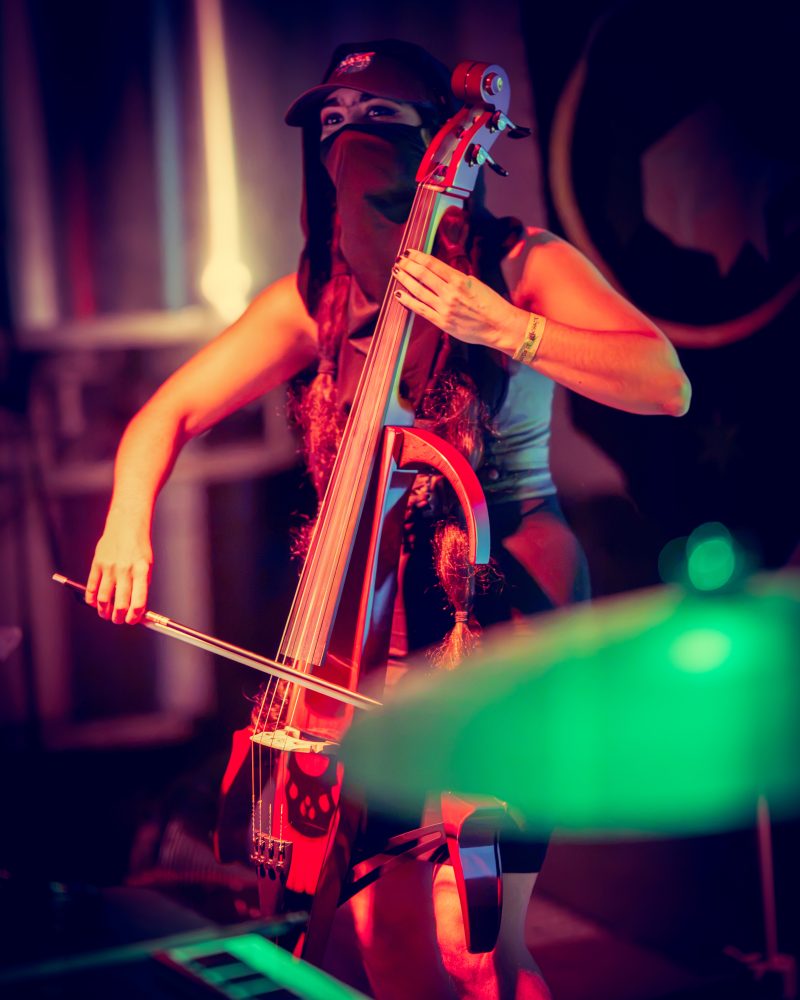
The transatlantic chapter found its resolution in Apoxupon, the Texas Dungeon Siege founder, who brought a brilliant contrast with the luscious, blooming synth landscapes of How the Garden Grows, a set that felt like a green, untamed oasis amidst the ruin.
The final ascent of the festival belonged to the genre’s heavyweight storytellers. Orcus took the stage to deliver a masterclass in classic UK dungeon synth architecture.
His set was built on complex, shifting compositions and massive, nostalgic soundscapes that directly nodded to the great fantasy film score masters of decades past, proving how much grandeur can be squeezed from a bank of keys.
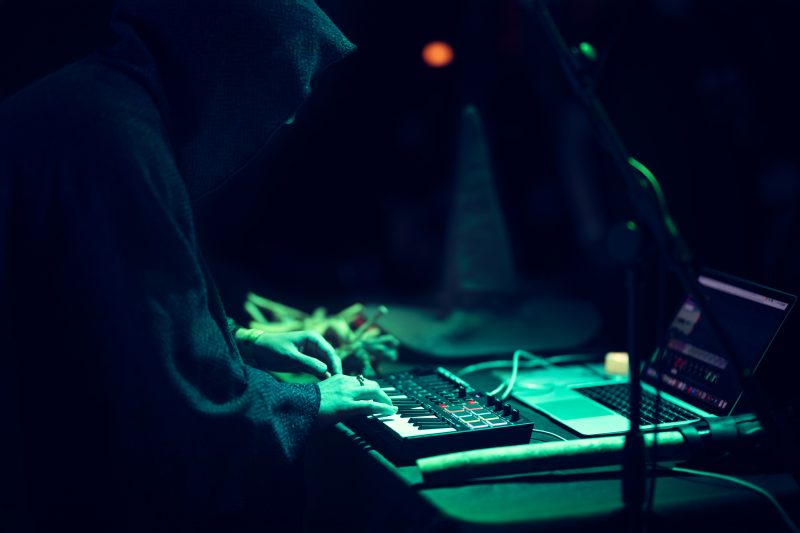
The atmosphere shifted from the cinematic to the cosmic as Germany’s Radagast stepped up. He conjured an incredible swirling display of Berlin School-soaked synth magic that felt less like stone walls and more like staring into an endless, starry void.
The continental fantasy reached its peak with Tales Under the Oak who emerged from the misty marshes of the “Toad Kingdom” that wrapped the audience with it’s warmth when the evening started to turn cold.
His set was an absolute highlight of world-building, spinning enchanting stories of swamp-dwelling folk and mushroom wizards that turned the entire brewery into a living storybook.
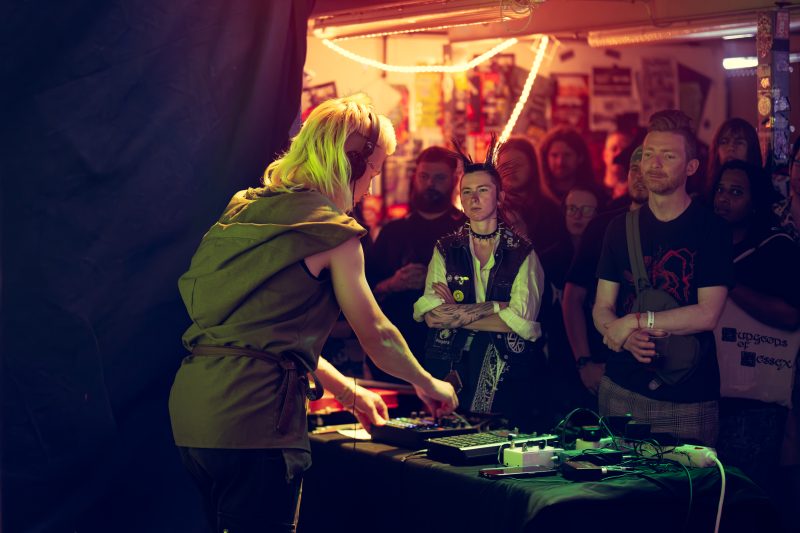
There was, however, only one way this quest could properly end. Bristol’s own dungeon-folk pioneers, Flickers from the Fen, claimed their rightful place at the top of the scroll.
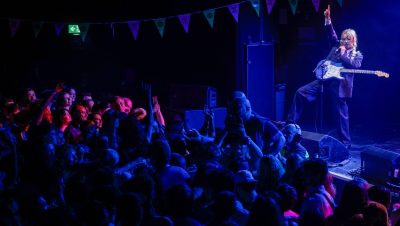
Headlining the very debut they helped inspire, they melded archaic synth arrangements with the organic sound of live, whimsical strings. Their performance grounded the evening’s sweeping escapism in something deeply human, local and moving.
By the time the final notes echoed into the rafters and the crowd began their pilgrimage toward the neon sanctuary of the Gryphon for the official afterparty, the illusion remained entirely unbroken.
Dungeons of Wessex succeeded because it recognized that dungeon synth is not just music, but a space intentionally left open for the imagination to wander.
On a quiet Saturday in Bristol, a few hundred wanderers walked into a brewery and built a kingdom of their own.
All images: @whymetalmatters
Read next:
 Our newsletters emailed directly to you