Features / Sistaland
Nikita Dare on community, activism and creative resilience
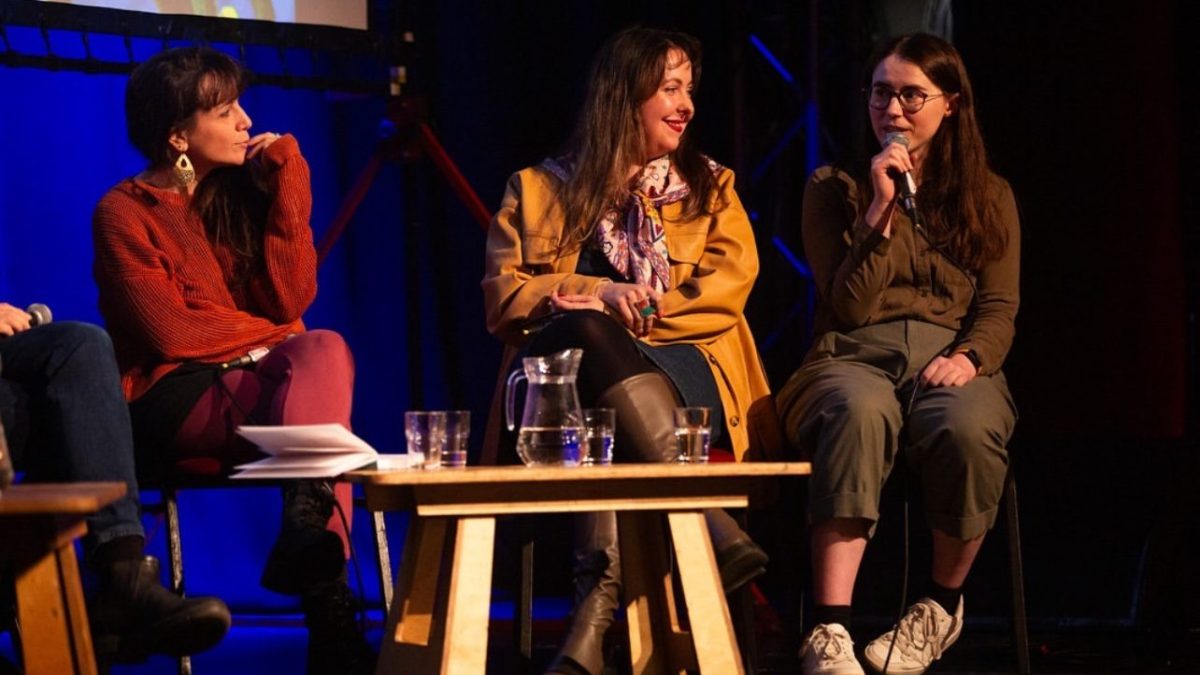
She is founder and creative director of Sistaland, a festival built by and for a community of women and non-binary creatives who want to radically reimagine the creative industry.
Nikita Dare chats to Betty Woolerton about confidence, tokenism and turning solidarity into strategy.
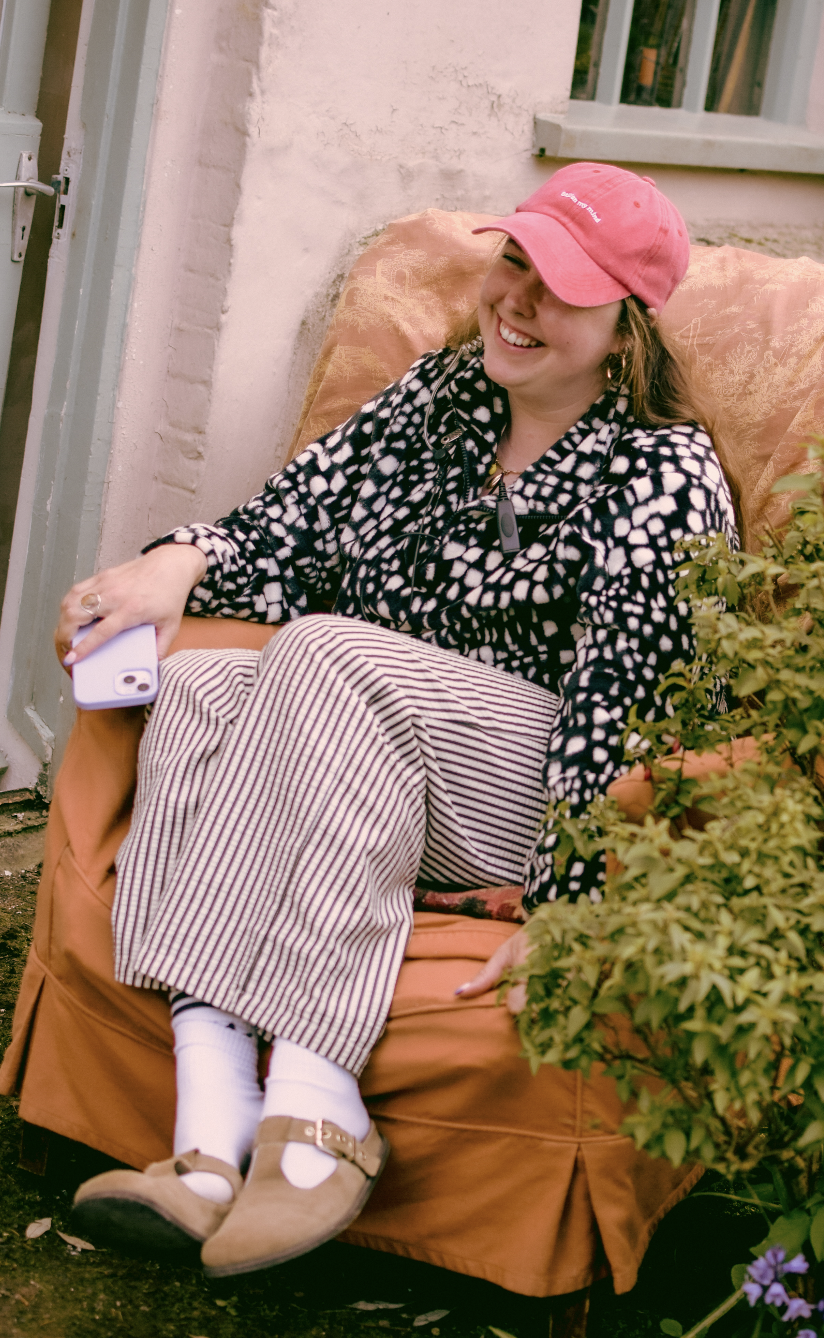
Nikita Dare has a background in production designer and art directing
Sistaland is described as “part rally, part creative reset and part act of resistance.” How will you incorporate these elements at the festival?
is needed now More than ever
“Sistaland festival is designed to feel alive, not like another conference where you sit and listen, but a collective experience you’re part of. The rally energy comes through in our panels and workshops that don’t shy away from the real stuff like pay inequality, burnout, gatekeeping, access – all the things people are usually too scared to say out loud. The creative reset is about reminding ourselves why we started creating in the first place. It’s in sessions like ‘Pitch Without Permission’ and ‘Fail Big, Bounce Hard,’ where we get honest about rejection, fear and finding confidence again through a feminist lens.
“And the act of resistance runs through everything. It’s in who we platform, how we operate, and the kind of space we want to build, one rooted in care, courage, and community, not ego or hierarchy. Sistaland is what happens when underrepresented creatives stop waiting to be invited in and start building their own damn table.”
What is the specific, outdated industry system you are most keen to disrupt, and how do you believe a festival can be an effective vehicle for that change?
“The system we’re most intent on dismantling is the myth that access and opportunity are earned through privilege, not potential. Creative industries still function like closed circles, favouring who you know over what you can do; that outdated model sidelines working-class voices, parents, neurodiverse talent and those without the “right” networks. While a festival can’t fix that overnight, it can model a new way of being.
“Sistaland is proof of concept for an industry built on care, not competition – where collaboration replaces gatekeeping. Every talk, partner and activation has been curated to redistribute power, including paid opportunities for speakers, childcare options for attendees (such as new mothers who need to feed and bring their babies), and real talk about money and boundaries. If we can create an ecosystem that feels inclusive and nourishing, even for two days, then we’ve already shown what the future could look like.”
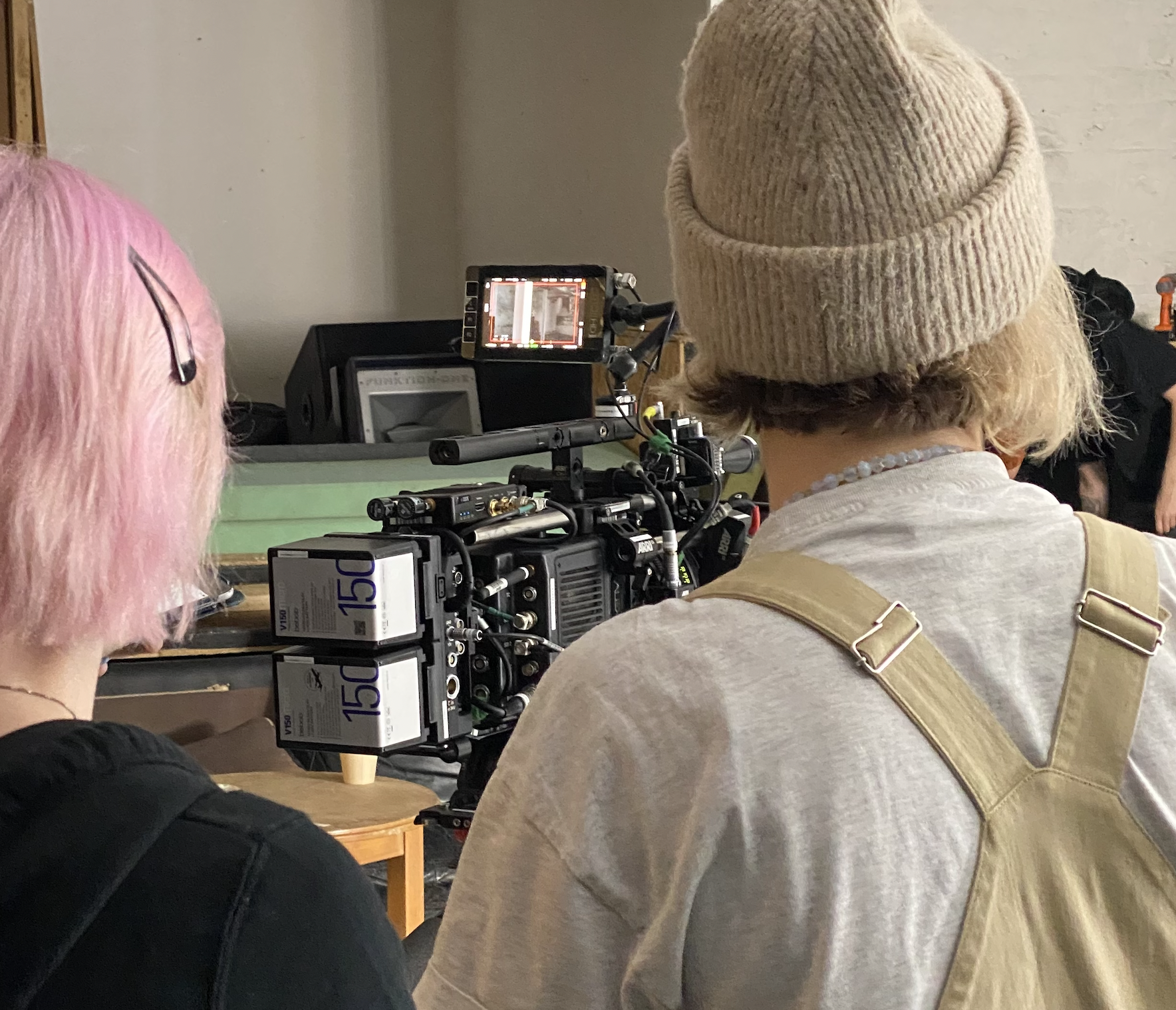
700 people from the fields of film, culture, art and more will unite for the first edition of Sistaland
The speakers you have selected are eclectic and impressive. What criteria did you use to select them, and what can attendees expect from their talks?
“Our approach to programming was intentional: no “diversity panels” , no tokenism. Every speaker had to bring truth, lived experience and real-world impact. We looked for people who’ve not only survived the creative system but are actively reshaping it, from award-winning writers like Kim MacAskill, to wilderness expert Megan Hine, to grassroots organisers, accountants and intimacy coordinators.
“Attendees can expect honesty, not polished PR stories. These sessions go deep into the messiness of creative life: rejection, burnout, motherhood, money, imposter syndrome and power. But they’re also about joy and possibility. Expect laughter, vulnerability, and maybe a few tears. Sistaland speakers don’t stand on pedestals; they sit beside you, share the mic, and remind us all that creativity is an act of rebellion, and community is how we sustain it.”
What has been the most challenging obstacle you have faced in bringing Sistaland to life?
“Building a system that doesn’t already exist. We’re not just running an event; we’re reimagining what the creative industry could look like if equity and care were the default. That means raising funds without corporate compromise, keeping it accessible while paying people fairly and holding space for hundreds of creatives who’ve been burned before.
“We’ve also struggled to find brands and sponsors that genuinely align with our values, ones that want to support, not just be seen supporting women. That’s been a big learning curve. It takes longer, but the right partnerships matter. We want collaborators who believe in the mission as much as the marketing. It’s been personal, too. I started Sistaland because I’d hit my own wall with burnout and exclusion.
“Bringing this to life has meant facing the same obstacles we’re trying to dismantle: funding bias, gatekeeping and the constant undervaluing of women’s labour. However, the community’s response has made every challenge worth it. Sistaland isn’t just my idea anymore; it’s a collective movement, built by everyone who has ever felt shut out but refused to give up.”
What conversations do you hope will take place among attendees after they leave Sparks Bristol?
“I hope people leave with a new language for their worth, and the courage to demand more. I want them to be saying things like: “I finally found my people,” “I feel seen,” and “I’ve got my fire back.” But beyond inspiration, I hope attendees leave with actionable alliances, collaborators, mentors, clients and co-founders. Sistaland is about turning solidarity into strategy. The real magic will happen in the weeks after: when someone lands a job through a new connection, starts a collective, or simply stops apologising for taking up space. If people walk away believing that the system doesn’t get to define them anymore, that we can build new ones together, then the festival has done its job.”
Sistaland takes place on November 11&12 at Sparks (having moved from Prospect). For the lineup, tickets and more information, visit www.sistalandfestival.uk.
This article originally appeared in Bristol24/7’s November/December 2025 magazine
All photos: Sistaland
Read next:
 Our newsletters emailed directly to you